
Miscellaneous Class group
Norrbottenspets
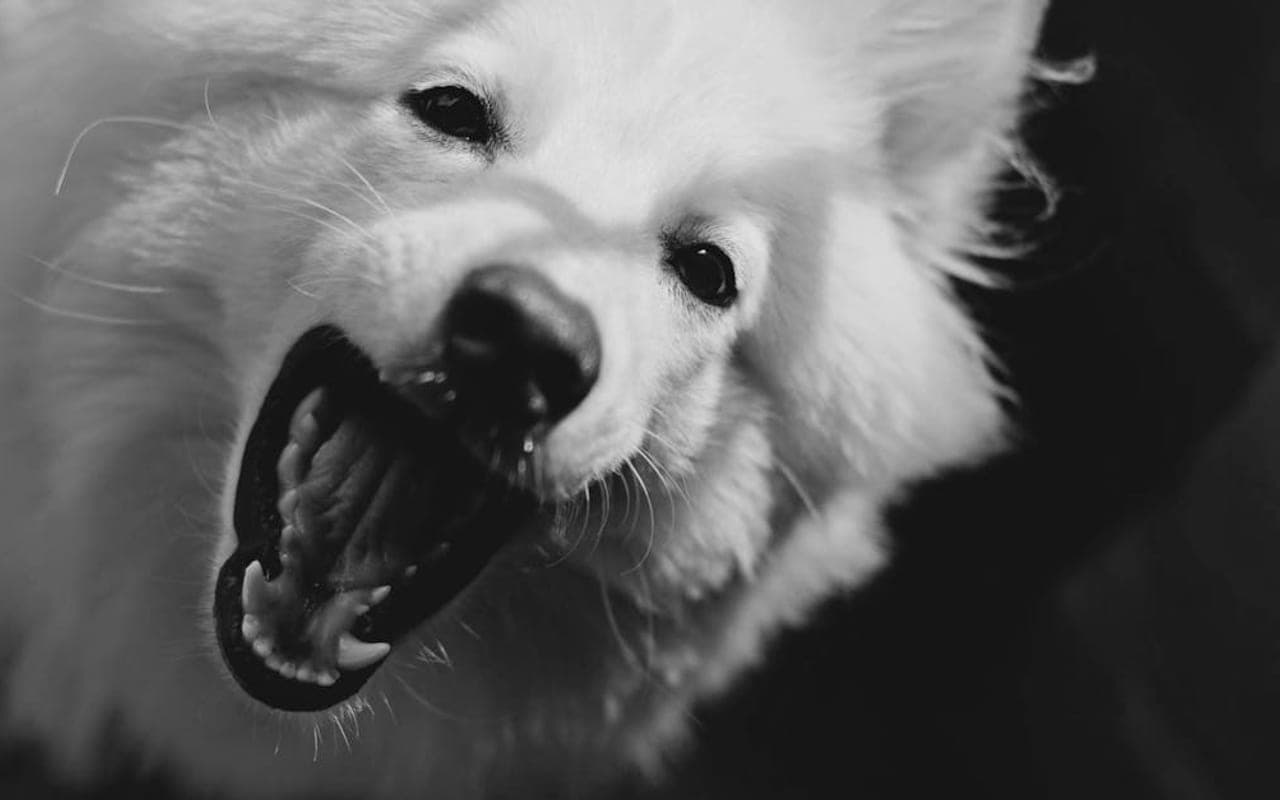
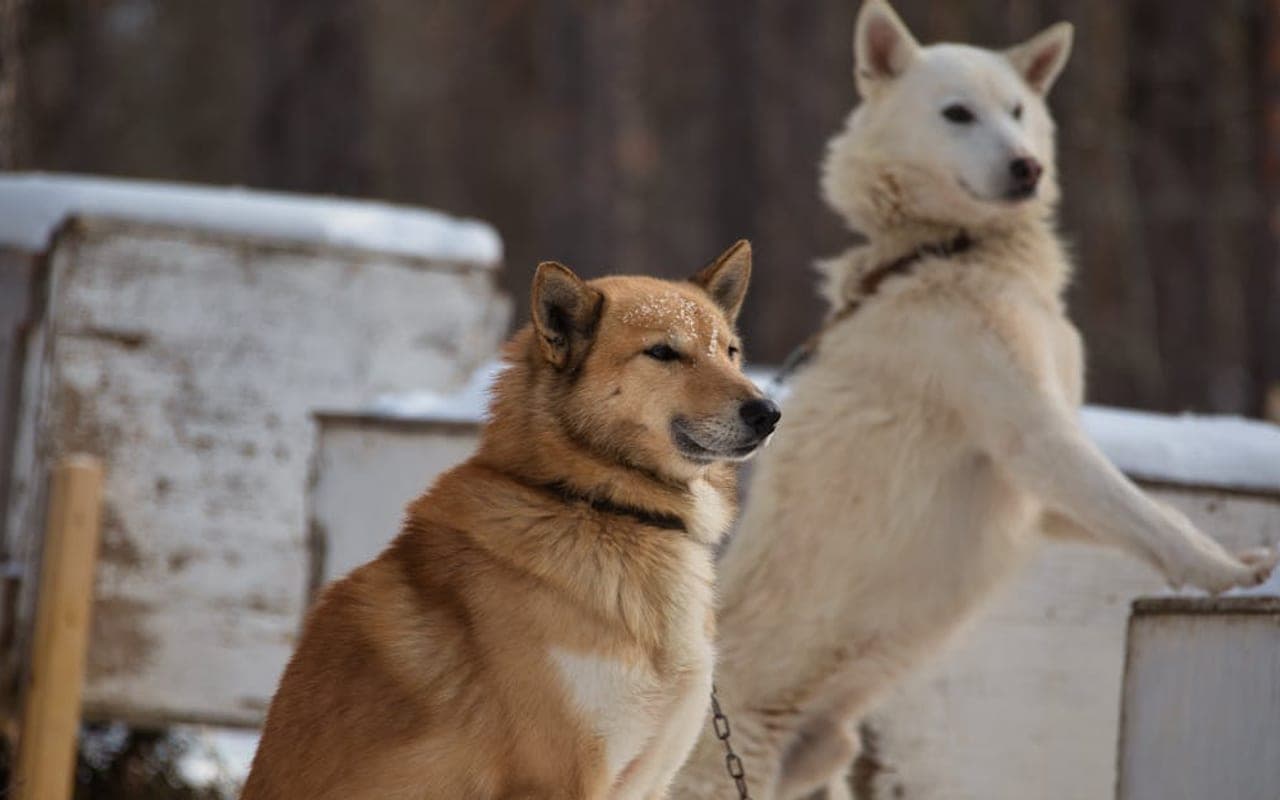
The Norrbottenspets ('Nobs') is a small Nordic hunting spitz from the far north of Sweden and Finland — roughly 8-15 kg and 42-46 cm — bred to bay treed game, especially capercaillie and other forest birds, and historically to hold large dangerous game such as moose.
Size
18-33 lb
Lifespan
14-17 years
Exercise
30-60 minutes
Shedding
Moderate
Experience
Match to owner routine
Decision first
Is a Norrbottenspets right for you?
Start with fit before history or trivia. These are ownership signals, not guarantees about any individual dog.
Best suited for
- Households with children.
- Homes with other compatible pets.
- Apartment homes with a consistent routine.
- Owners seeking a manageable daily exercise routine.
Think carefully if
- You need a dog with almost no daily routine.
- You cannot keep up with grooming and preventive care.
- The dog will spend most days alone without support.
Conditional fit
Apartment fit depends on exercise, enrichment, noise management, and outdoor access.
Daily reality
Norrbottenspets commitment snapshot
Daily exercise
30-60 minutes
Match activity to age, health, weather, and training goals.
Coat care
Moderate
Grooming needs vary by coat, shedding, and lifestyle.
Time alone
Needs planning
Most dogs need gradual alone-time conditioning and support.
Structured facts
Norrbottenspets at a glance
The measurements and traits that most affect day-to-day life with this breed.
Group
Miscellaneous Class
Weight
18-33 lb
Height
16-19 in
Lifespan
14-17 years
Temperament
Fearless | Agile | Attentive
View all characteristics and methodology
Lifestyle fit
- Apartment suitability
- Likely fit
- Child friendliness
- Often good, with socialisation and supervision
- Other-pet fit
- Often compatible with careful introductions
Owner commitment
- Exercise
- 30-60 minutes
- Grooming
- Moderate
- Shedding
- Moderate
- Training
- Moderate
Environment and health
- Health risk
- Needs planning
Ratings combine structured breed data, visible breed fields, and editorial context. They are planning aids, not predictions for an individual dog.
Daily life
Norrbottenspets temperament and behavior
The Norrbottenspets ('Nobs') is a small Nordic hunting spitz from the far north of Sweden and Finland — roughly 8-15 kg and 42-46 cm — bred to bay treed game, especially capercaillie and other forest birds, and historically to hold large dangerous game such as moose. It is a no-extremes dog: nothing about it is exaggerated, because a working bird dog in punishing terrain has to do everything competently and nothing flamboyantly. That balanced, unexaggerated construction is also the honest explanation for why this is one of the genuinely hardy, low-disease breeds — not because of luck, but because it was never bred for a look that breaks dogs. Physically it is a compact, slightly rectangular white spitz with sharply defined yellow or red-brown patches, prick ears, a curled tail, and a weatherproof double coat built for Scandinavian winters. It is agile, light-footed, and tireless on rough ground. Temperament: fearless and bold at work, but calm, kind, attentive, and affectionate at home — a real dual nature. It is alert and a natural barker (a 'bark-pointer' that locates game by voice), bonds closely to its family, is good with children, and is friendly rather than aloof with people. It is independent in the field, as bird-baying dogs must be, which has direct training implications. Who the Norrbottenspets is right for: an active owner who wants a hardy, long-lived, friendly companion and can provide real exercise and tolerate a vocal dog. Who it is wrong for: someone wanting silence, off-lead reliability near game, or a sedentary lap dog.
Fearless | Agile | Attentive
Fearless
A common Norrbottenspets temperament descriptor that should be interpreted alongside training, exercise, and household fit.
Agile
A common Norrbottenspets temperament descriptor that should be interpreted alongside training, exercise, and household fit.
Attentive
A common Norrbottenspets temperament descriptor that should be interpreted alongside training, exercise, and household fit.
Owner note
Temperament labels are starting points, not guarantees. Meet the individual dog and ask about behavior history whenever possible.
Care essentials
How to care for a Norrbottenspets
What looking after one actually involves: exercise, grooming, food, training, and routine health.
ExerciseAs needed
- Moderately active breed needing 30-60 minutes of daily exercise.
GroomingAs needed
- Brush 2-3 times per week.
TrainingAs needed
- Consistent, patient training works best.
NutritionAs needed
- Feed high-quality dog food appropriate for age, size, and activity level.
Veterinary CareAs needed
- Annual wellness exams, vaccinations, dental care, and parasite prevention.
Health planning
Norrbottenspets health risks and screening
Every breed has individual health variation. Use this profile for planning and discuss medical decisions with a veterinarian.
Responsible ownership
Finding a Norrbottenspets responsibly
What to ask a breeder or rescue is the same conversation for every breed, so we keep it in one place and keep it current.
Health documentation, meeting the parents or foster, contracts and return support, and the warning signs worth walking away from.
Original purpose
Norrbottenspets history
History is useful when it explains today's behavior, coat, exercise needs, and training style.
Read the breed history
The Norrbottenspets is an old Scandinavian farm-and-hunting spitz from the Norrbotten region of northern Sweden and the adjacent parts of Finland, where it was used for centuries to bay treed game birds and help feed remote households. By the mid-20th century the breed was considered effectively extinct and the Swedish Kennel Club closed its studbook — but it had quietly survived as a working farm dog in the far north. Rediscovered there, it was reconstructed from surviving working stock and re-recognised by the Swedish Kennel Club in 1967, with Finland following in 1973. That near-loss-and-revival history from a functional working base is exactly why the breed is honestly described as hardy and long-lived: it was never funnelled through exaggerated show breeding, so it carries comparatively little inherited disease. The history is not decoration — it is the mechanism behind the breed's robust health and its unchanged working temperament.
Gallery
Norrbottenspets photos
Images are cropped consistently and loaded progressively to keep the page responsive.
Lower-page context
Norrbottenspets dogs in culture
Where the breed shows up in film, sport, work and folklore — the enjoyable part, once the practical questions are answered.
Fun facts
- The Norrbottenspets belongs to the Miscellaneous Class.
- The average lifespan of a Norrbottenspets is 14 to 17 years.
- Norrbottenspets dogs are valued for their fearless, agile, attentive nature.
Norrbottenspets FAQs
Is the Norrbottenspets actually a healthy breed, or is that just marketing?
It is genuinely hardy, and the reason is structural, not promotional. The breed nearly went extinct and was rebuilt from working farm stock that was never funnelled through exaggerated show breeding, so it carries comparatively little inherited disease and frequently lives 14-17 years or more. The honest qualification: 'hardy' is not 'risk-free.' The real concerns are patellar luxation, occasional hip dysplasia, and inherited eye disease (PRA, cataracts). A Nobs from health-screened parents is about as robust as small dogs get — the breed does not need invented conditions to fill a list.
How long do Norrbottenspets live?
Typically 14-17 years, and individuals reaching their late teens or even 20 are reported — exceptional longevity for any dog. This is a direct consequence of the breed's unexaggerated, function-bred construction and limited inherited disease load. The main thing that shortens that range in practice is not genetics but management: an over-fed, under-exercised Nobs carrying excess weight loads its knees and hips and ages faster. Lifespan here is largely in the owner's hands once a screened puppy is chosen.
Why does the Norrbottenspets bark so much, and can it be stopped?
Because barking is its job. The breed hunts by locating treed game birds and baying to mark them for the hunter — it is, functionally, a bark-pointer, so vocalisation is a selected working trait, not a behaviour defect. It can be moderated with training and, importantly, with adequate exercise (a tired Nobs barks less), but it cannot be trained silent. If a quiet dog is a hard requirement, this is the wrong breed; choosing it knowingly is fine, being surprised by it is an avoidable mistake.
Can a Norrbottenspets be trusted off-lead?
Near wildlife, usually not. It was bred to work game independently at a distance from the hunter, so when prey drive engages, recall typically loses — this is a built-in trade-off of an independent hunting spitz. In genuinely enclosed areas many individuals are fine; in open country a long line is the realistic tool. You are choosing a hardy, friendly, long-lived companion and accepting that secure containment and managed freedom are part of the package, not a sign of poor training.
Is the Norrbottenspets good with children and other pets?
Yes with children — it is kind, attentive, affectionate, and sturdy, with a calm home temperament that contrasts its bold working side. With other dogs it is generally sociable when socialised normally. The realistic caution is small fleeing pets: as a bird-hunting spitz it has real prey drive, so cats raised with it can work out but rabbits, rodents, and birds are a managed risk rather than an assumed compatibility. Early socialisation broadens tolerance but does not erase the hunting instinct.
How much exercise and grooming does a Norrbottenspets need?
Exercise is the larger commitment: at least 60 minutes of real daily activity, ideally including scent or 'find it' games and hiking, because it is a working hunting dog with genuine stamina and an under-exercised one is restless and barkier. Grooming, by contrast, is minimal — the dense weatherproof double coat is largely self-cleaning, needing a weekly brush and more attention during the two heavy seasonal sheds, with no clipping and negligible grooming cost. The breed's expense is your time outdoors, not the groomer or the vet.
Sources
These are the published sources this page draws on. Each opens in a new tab so you can check it yourself.
American Kennel Club
Norrbottenspets — breed standard and profile(opens in a new tab)Supports: Breed standard and recognition details.
Similar breeds to consider
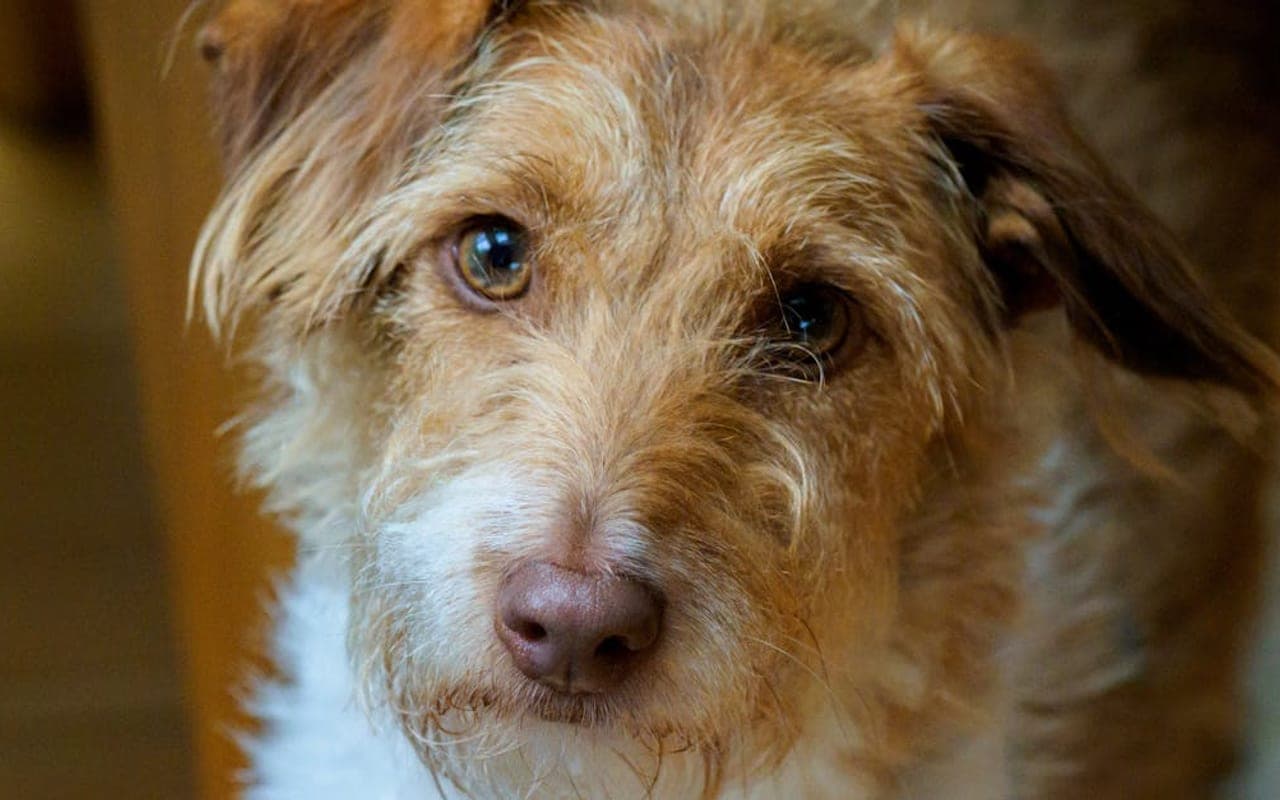
Portuguese Podengo
Also in the Miscellaneous Class group, with different care and temperament tradeoffs.
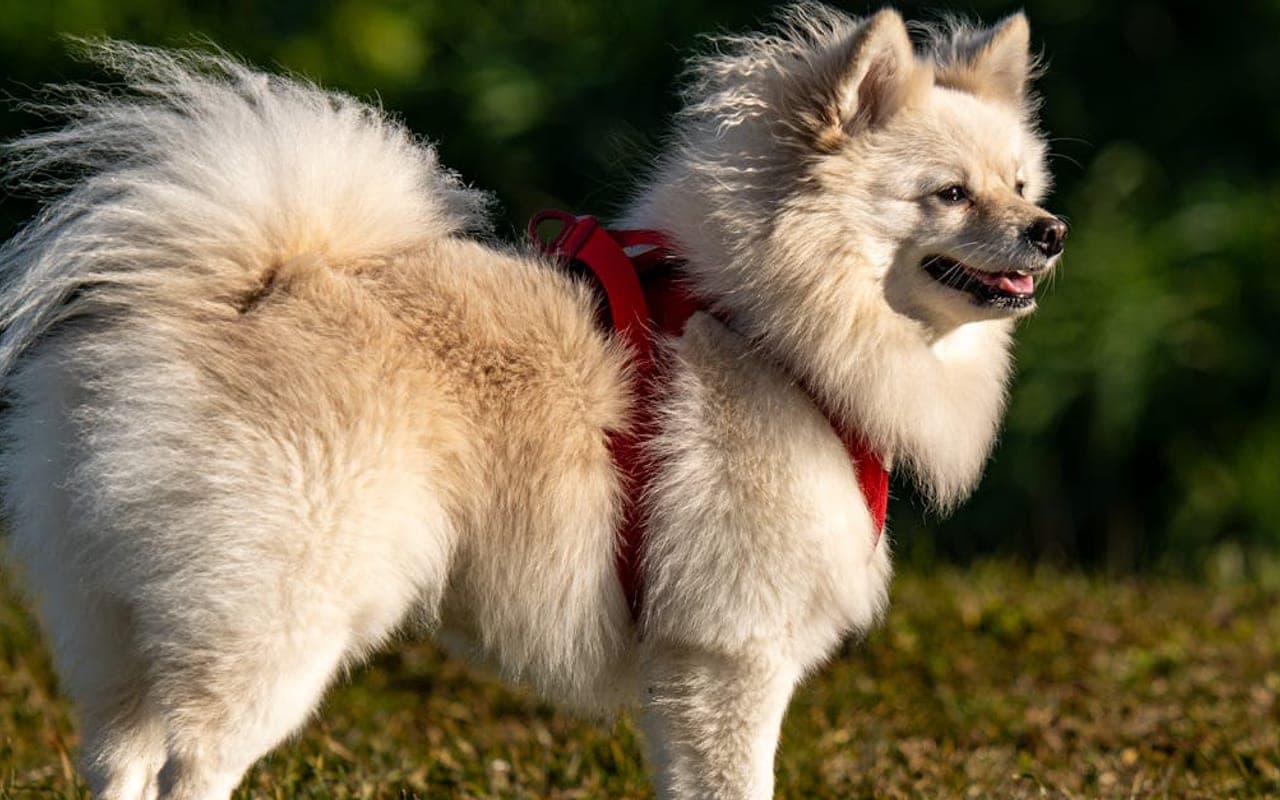
German Spitz
Also in the Miscellaneous Class group, with different care and temperament tradeoffs.
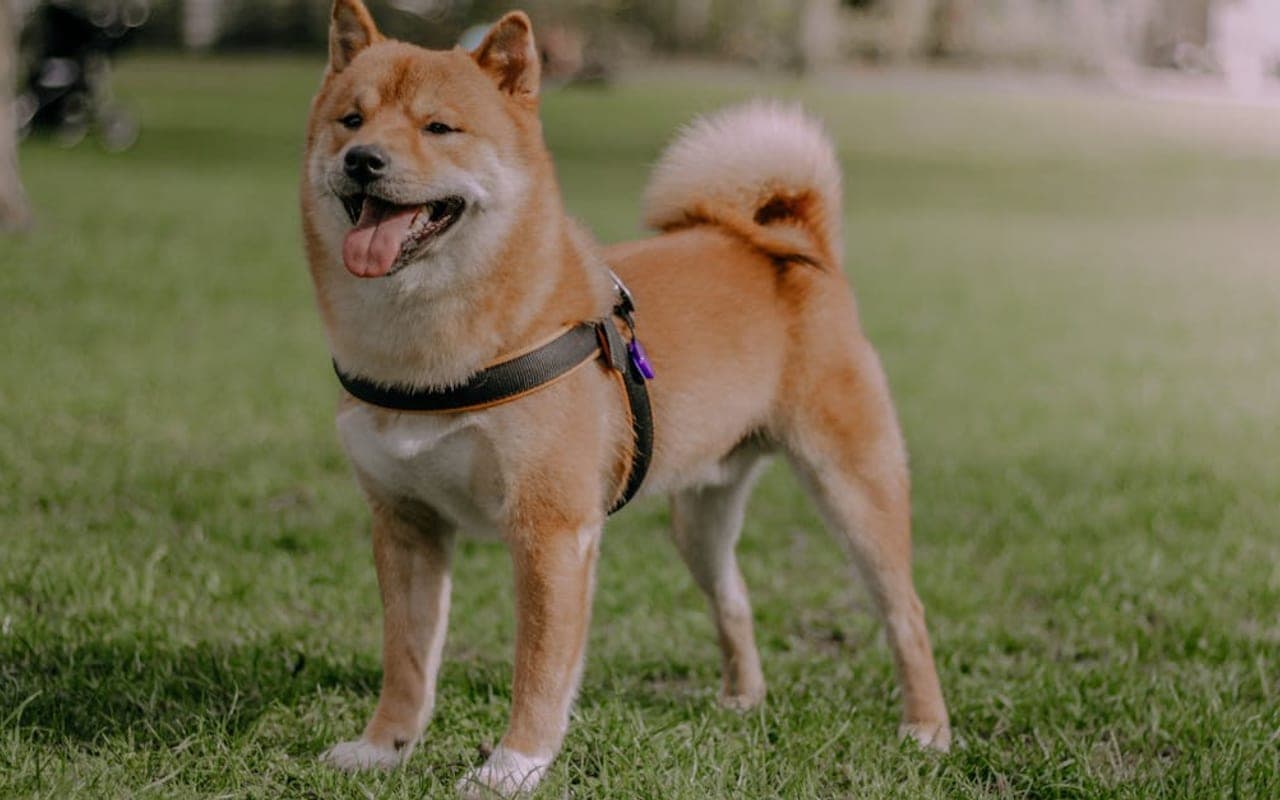
Kai Ken
Also in the Miscellaneous Class group, with different care and temperament tradeoffs.
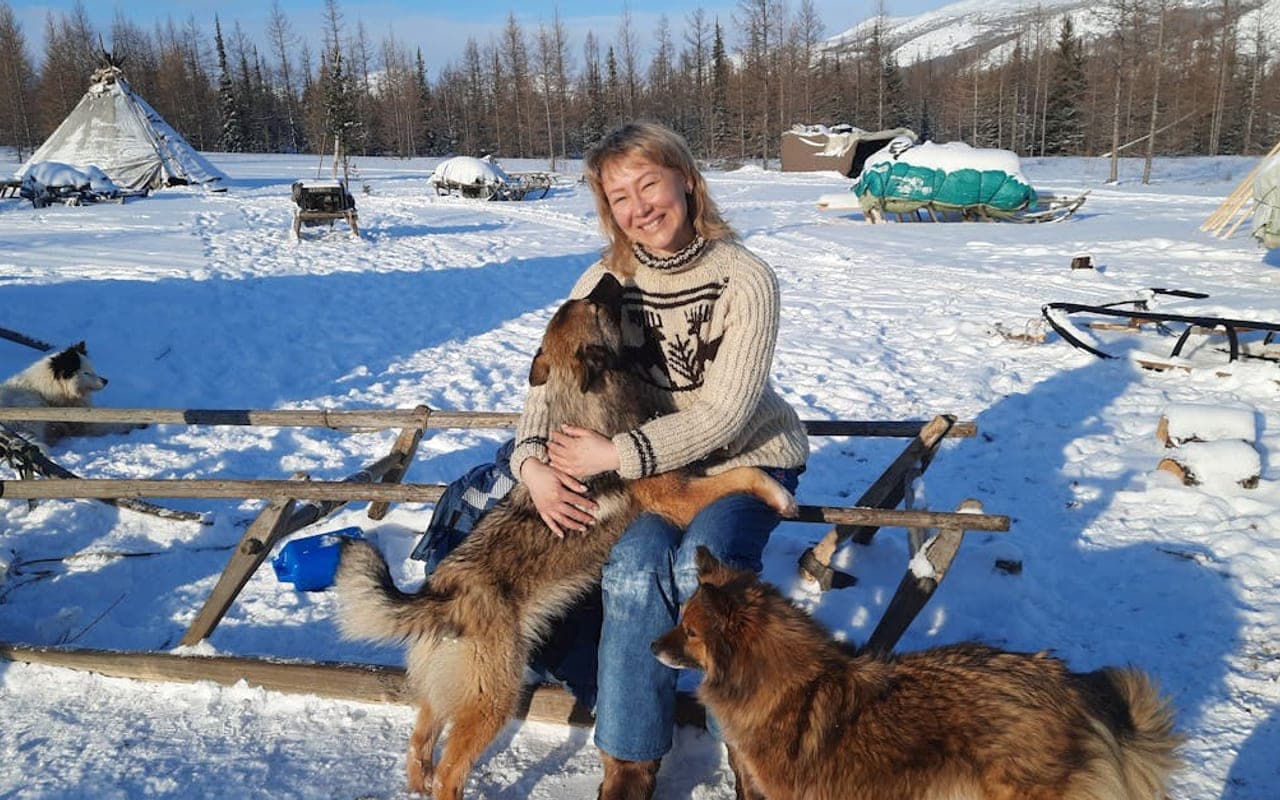
Yakutian Laika
Also in the Miscellaneous Class group, with different care and temperament tradeoffs.
Explore More About Norrbottenspets
Dive deeper into everything Norrbottenspets — costs, care, and expert insights.
Considering a cat instead?
Browse Cats