
Herding group
Pembroke Welsh Corgi
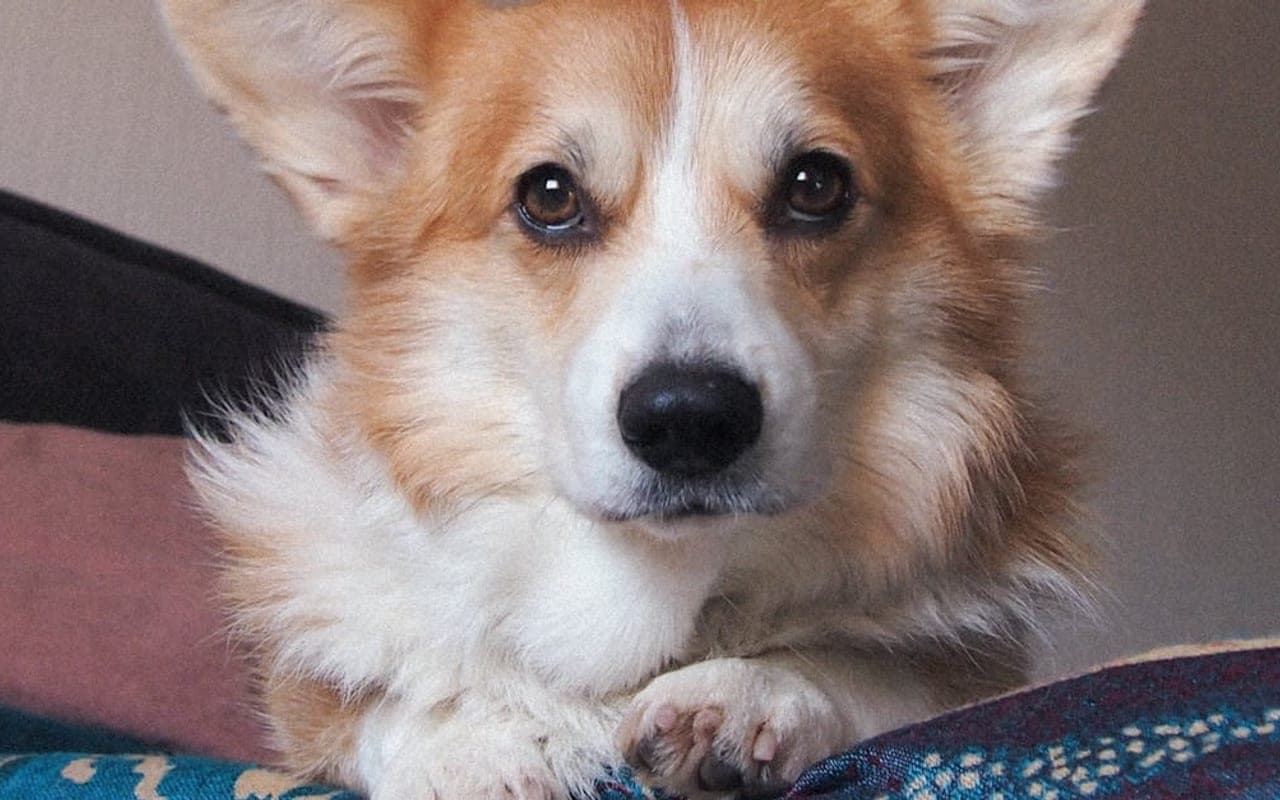
The Pembroke Welsh Corgi is a 25-30 cm tall, 11-16 kg herding dog with the bone structure of a long dog stacked on stubby legs — and that one architectural fact drives most of what you need to know before buying one.



Size
20-31 lb
Lifespan
12-14 years
Exercise
60-90 minutes
Shedding
High
Experience
Match to owner routine
Decision first
Is a Pembroke Welsh Corgi right for you?
Start with fit before history or trivia. These are ownership signals, not guarantees about any individual dog.
Best suited for
- Households with children.
- Homes with other compatible pets.
- Apartment homes with a consistent routine.
- Active owners who enjoy daily outdoor exercise.
Think carefully if
- You cannot provide substantial daily exercise.
- You want a very low-shedding home.
- The dog will spend most days alone without support.
Conditional fit
Apartment fit depends on exercise, enrichment, noise management, and outdoor access.
Daily reality
Pembroke Welsh Corgi commitment snapshot
Daily exercise
60-90 minutes
Match activity to age, health, weather, and training goals.
Coat care
Moderate
Grooming needs vary by coat, shedding, and lifestyle.
Time alone
Needs planning
Most dogs need gradual alone-time conditioning and support.
Structured facts
Pembroke Welsh Corgi at a glance
The measurements and traits that most affect day-to-day life with this breed.
Origin
Wales
Group
Herding
Weight
20-31 lb
Height
10-12 in
Lifespan
12-14 years
Temperament
Affectionate | Smart | Alert | Bold | Playful
View all characteristics and methodology
Lifestyle fit
- Apartment suitability
- Likely fit
- Child friendliness
- Often good, with socialisation and supervision
- Other-pet fit
- Often compatible with careful introductions
- Adaptability
- High
Owner commitment
- Exercise
- 60-90 minutes
- Grooming
- Moderate
- Shedding
- High
- Training
- Very high
Environment and health
- Health risk
- Needs planning
Ratings combine structured breed data, visible breed fields, and editorial context. They are planning aids, not predictions for an individual dog.
Daily life
Pembroke Welsh Corgi temperament and behavior
The Pembroke Welsh Corgi is a 25-30 cm tall, 11-16 kg herding dog with the bone structure of a long dog stacked on stubby legs — and that one architectural fact drives most of what you need to know before buying one. Bred in Pembrokeshire to drive cattle by nipping heels and ducking kicks, the Pembroke is a working dog in a small package: fast, fearless, vocal, and relentlessly intelligent. People fall for the fox face, the bat ears, and the bunny-hop run. What surprises them after the deposit clears is the noise and the shedding. Let's be honest about both. Pembrokes bark — to alert, to herd, to comment. This is a watchdog wired to vocalize, not a quiet apartment ornament, and an under-exercised Corgi escalates the barking. They also shed a double coat year-round and 'blow' it twice a year in clumps; budget 10-15 minutes of brushing several times a week or expect fur on every surface. The trade-off is real: you get one of the smartest, most trainable, most companionable dogs in the AKC catalogue, but you do not get a low-maintenance lapdog, and pretending otherwise is the most common mistake new owners make. Temperament is the strong suit. Pembrokes are bold, affectionate with their family, playful into old age, and exceptionally trainable — they thrive on jobs, dog sports, and puzzle work. They can be reserved with strangers and may herd children or other pets by nipping ankles, a behavior you redirect early, not after it's a habit. Who the Pembroke is right for: an owner who wants a brilliant, sturdy, interactive dog and will commit to daily exercise, weight discipline, and consistent training. Who it is wrong for: anyone who wants a quiet, low-shed, low-effort companion, or who will let the dog get fat — because in this long-backed breed, extra weight is a spinal liability, not a cosmetic one.
Affectionate | Smart | Alert | Bold | Playful
Affectionate
A common Pembroke Welsh Corgi temperament descriptor that should be interpreted alongside training, exercise, and household fit.
Smart
A common Pembroke Welsh Corgi temperament descriptor that should be interpreted alongside training, exercise, and household fit.
Alert
A common Pembroke Welsh Corgi temperament descriptor that should be interpreted alongside training, exercise, and household fit.
Bold
A common Pembroke Welsh Corgi temperament descriptor that should be interpreted alongside training, exercise, and household fit.
Owner note
Temperament labels are starting points, not guarantees. Meet the individual dog and ask about behavior history whenever possible.
Care essentials
How to care for a Pembroke Welsh Corgi
What looking after one actually involves: exercise, grooming, food, training, and routine health.
HealthAs needed
- Common concerns include intervertebral disc disease (IVDD) due to their long backs, hip dysplasia, progressive retinal atrophy, and von Willebrand disease. Prevent jumping from heights and keep weight in check to protect their spine.
ExerciseAs needed
- Corgis need at least 60 minutes of daily exercise despite their small size. They were bred for herding and have considerable stamina. Walks, fetch, agility, and herding activities are excellent outlets. Mental stimulation is equally important for this intelligent breed.
GroomingAs needed
- Corgis have a thick double coat that sheds heavily, especially during spring and fall. Brush at least 2-3 times per week, daily during shedding season. Bathe monthly or as needed. Keep nails trimmed and ears clean.
TrainingAs needed
- Corgis are highly intelligent and eager to learn, making them excellent training partners. They excel in obedience, agility, and herding trials. Their herding instinct means they may try to herd children or other pets by nipping at heels — redirect this behavior early.
NutritionAs needed
- Feed a high-quality dog food, about 3/4 to 1.5 cups daily divided into two meals. Corgis love food and are prone to obesity, which puts dangerous stress on their long backs. Strict portion control is essential. Limit treats to 10% of daily calories.
Health planning
Pembroke Welsh Corgi health risks and screening
Every breed has individual health variation. Use this profile for planning and discuss medical decisions with a veterinarian.
Ownership cost
How much does a Pembroke Welsh Corgi cost?
Cost figures are structured so first-year and lifetime estimates do not conflict with the underlying line items.
| Acquisition | $1,000-$3,000 |
|---|---|
| Routine monthly | About $110/month |
| Routine annual | About $1,320/year |
| First-year estimate | $2,320-$4,320 |
| Lifetime routine estimate | $15,840-$18,480 routine costs |
Currency: USD. Region: United States. Typical ranges for this breed. Equipment, insurance, emergency veterinary care, boarding and training are NOT included: we hold no sourced figures for them, and estimating them would be a guess presented as data.
Responsible ownership
Finding a Pembroke Welsh Corgi responsibly
What to ask a breeder or rescue is the same conversation for every breed, so we keep it in one place and keep it current.
Health documentation, meeting the parents or foster, contracts and return support, and the warning signs worth walking away from.
Original purpose
Pembroke Welsh Corgi history
History is useful when it explains today's behavior, coat, exercise needs, and training style.
Read the breed history
The Pembroke Welsh Corgi originated in Pembrokeshire, Wales, where farmers needed a low, agile dog to drive cattle to market by nipping at their heels and dropping flat to dodge the return kick — the breed's short stature is a working adaptation, not a designer accident. Welsh folklore credits the Corgi as the steed of fairy warriors, with the coat 'saddle' markings cited as proof. The more grounded account traces the breed to dogs brought by Flemish weavers around the 12th century, blended with local herding stock. The Pembroke and the longer-tailed Cardigan Welsh Corgi were shown together until 1934, when British registries split them into two distinct breeds. Queen Elizabeth II received her first Pembroke, Dookie, in 1933 and kept the breed for nearly her entire life, an association that cemented the Corgi as a globally recognized — and heavily in-demand — companion.
Gallery
Pembroke Welsh Corgi photos
Images are cropped consistently and loaded progressively to keep the page responsive.
Lower-page context
Pembroke Welsh Corgis in culture
Where the breed shows up in film, sport, work and folklore — the enjoyable part, once the practical questions are answered.
Fun facts
- Queen Elizabeth II owned more than 30 Pembroke Welsh Corgis during her reign, helping make the breed world-famous
- According to Welsh legend, Corgis were the preferred mount of fairy warriors, and the markings on their coats are said to be from fairy saddles
- Pembroke Welsh Corgis are the smallest breed in the AKC Herding Group
- Despite their short legs, Corgis can run up to 25 mph
- The word "Corgi" is believed to come from the Welsh words "cor" (dwarf) and "gi" (dog)
Pembroke Welsh Corgi FAQs
Do Pembroke Welsh Corgis bark a lot?
Yes — this is one of the most common surprises for new owners. The Corgi was bred to herd and alert, and vocalizing is part of the wiring, not a fixable bug. Expect alert barking at the door, the window, and anything new. You can reduce it substantially with daily exercise, mental work, and consistent 'quiet' training, but a Corgi will never be a silent dog, and a bored or under-exercised one will bark far more.
How much do Pembroke Welsh Corgis shed?
Heavily and constantly. They carry a weatherproof double coat that sheds year-round and 'blows' in clumps twice a year, usually spring and autumn, for about 2-3 weeks each. Budget 10-15 minutes of brushing several times a week, daily during a coat blow. Do not shave a Corgi — the double coat insulates against both heat and cold, and clipping it degrades that regulation without reducing long-term shedding.
Are Corgis good apartment dogs?
They can be, with two conditions met. First, they need 45-60 minutes of daily exercise plus mental work or the barking and weight gain become unmanageable in a small space. Second, you must accept the barking — Corgis alert-bark, which neighbors notice through shared walls. A committed owner can absolutely keep a Corgi in an apartment; a passive one will end up with a loud, bored, overweight dog.
Why do Corgis get back problems?
Because they are a long spine carried on short legs, which mechanically predisposes them to intervertebral disc disease (IVDD). The two biggest preventable contributors are excess weight and repetitive high-impact jumping — off couches, out of cars, down stairs. Keeping a Corgi lean (11-16 kg with a visible waist) and using ramps or steps materially lowers the risk. Surgical disc repair can cost $4,000-$8,000, so prevention here is genuinely cheaper than treatment.
How long do Pembroke Welsh Corgis live?
Typically 12-14 years. The breed is fairly long-lived for its size, and lifespan is strongly influenced by weight management — lean Corgis avoid the spinal and joint disease that shortens and degrades the final years. The conditions most likely to define old age are IVDD and degenerative myelopathy; DM is testable by DNA, so asking about parental DM and hip status before buying is a concrete way to bias the odds toward a healthier 14 years.
Sources
These are the published sources this page draws on. Each opens in a new tab so you can check it yourself.
American Kennel Club
Pembroke Welsh Corgi — breed standard and profile(opens in a new tab)Supports: Breed standard and recognition details.
Similar breeds to consider

German Shepherd
Also in the Herding group, with different care and temperament tradeoffs.
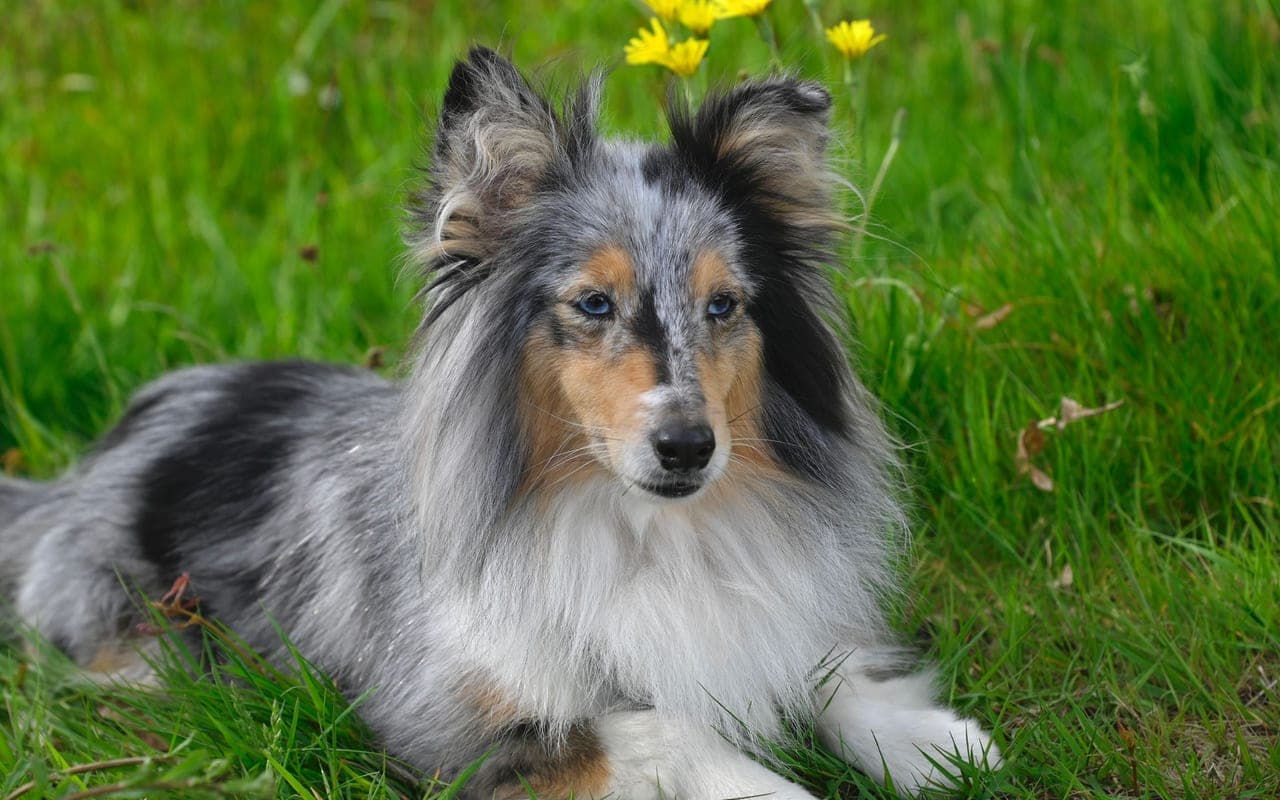
Shetland Sheepdog
Also in the Herding group, with different care and temperament tradeoffs.
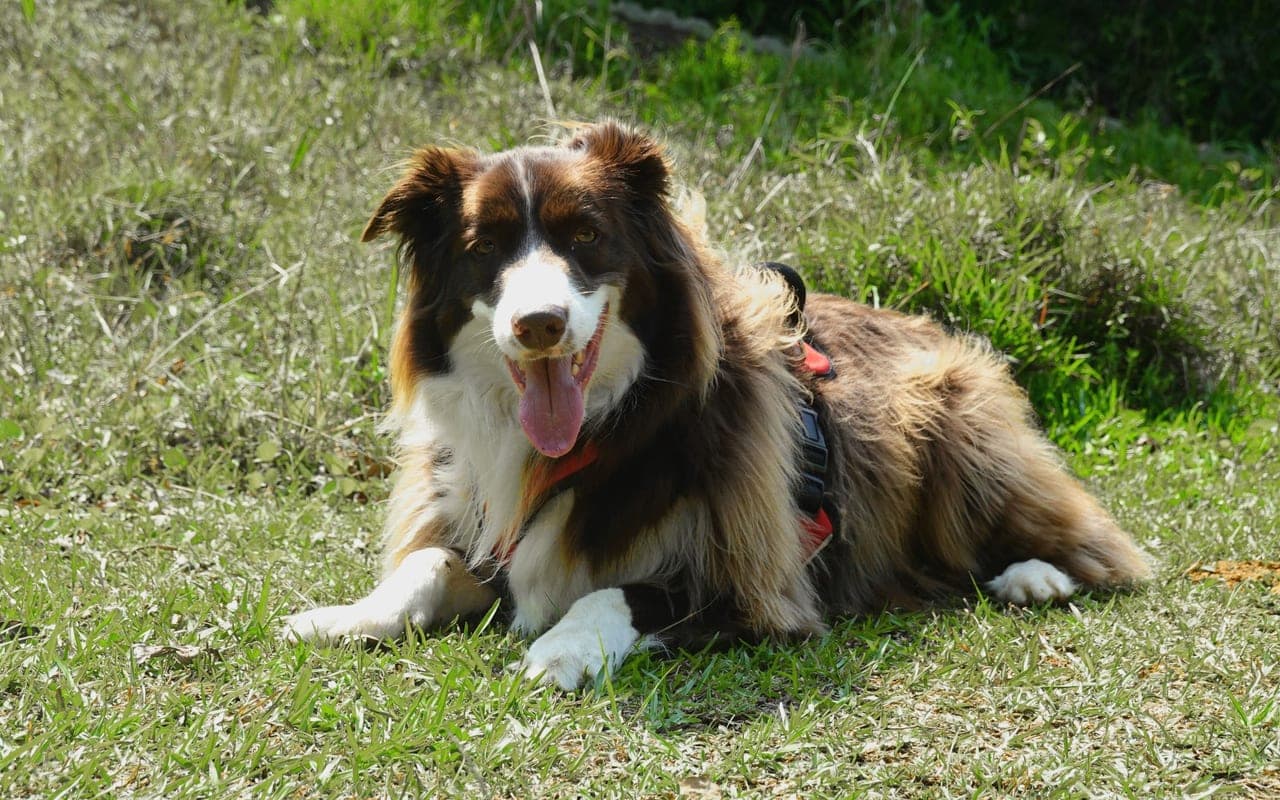
Border Collie
Also in the Herding group, with different care and temperament tradeoffs.

Australian Shepherd
Also in the Herding group, with different care and temperament tradeoffs.
Explore More About Pembroke Welsh Corgi
Dive deeper into everything Pembroke Welsh Corgi — costs, care, and expert insights.
How Much Does a Pembroke Welsh Corgi Cost?
Purchase price, monthly costs, and lifetime expenses
Pembroke Welsh Corgi Care Guide
The Pembroke Welsh Corgi's...
Considering a cat instead?
Browse Cats