
Hound group
Petit Basset Griffon Vendéen
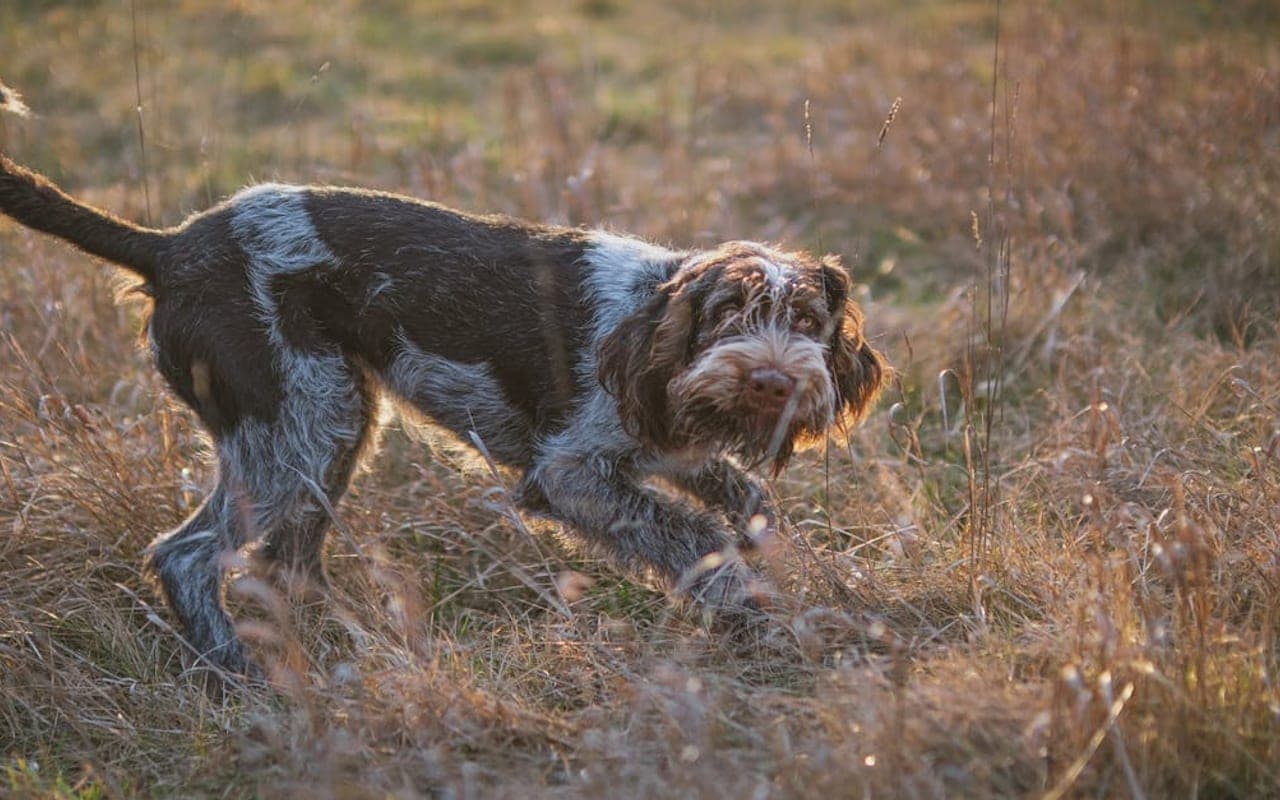
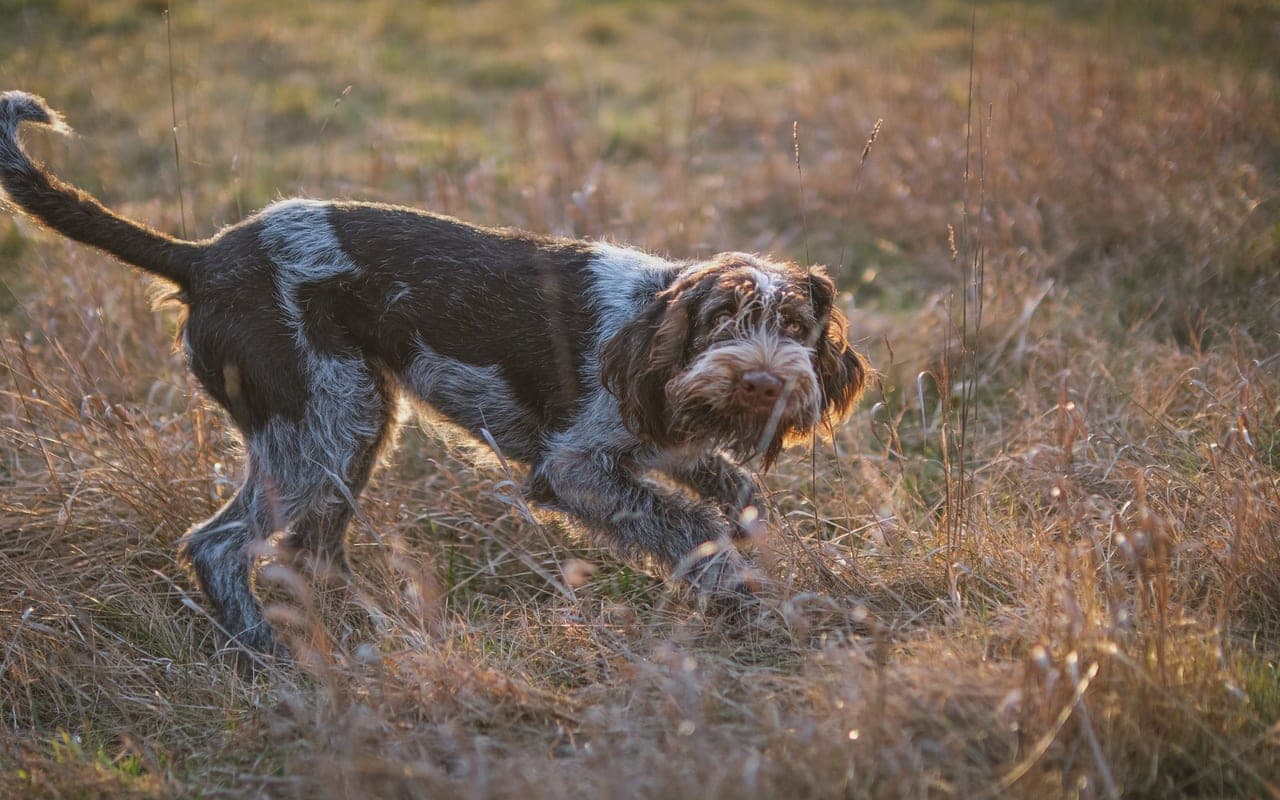
The Petit Basset Griffon Vendéen — PBGV for short — is a small, scruffy French scenthound bred to hunt rabbit over the rough, brambly terrain of the Vendée on France's west coast.
Size
24-40 lb
Lifespan
12-14 years
Exercise
30-60 minutes
Shedding
Moderate
Experience
Match to owner routine
Decision first
Is a Petit Basset Griffon Vendéen right for you?
Start with fit before history or trivia. These are ownership signals, not guarantees about any individual dog.
Best suited for
- Households with children.
- Homes with other compatible pets.
- Owners seeking a manageable daily exercise routine.
Think carefully if
- You need a dog with almost no daily routine.
- You cannot keep up with grooming and preventive care.
- The dog will spend most days alone without support.
Conditional fit
Apartment living may be difficult unless the owner can meet the breed's exercise, training, and space needs.
Daily reality
Petit Basset Griffon Vendéen commitment snapshot
Daily exercise
30-60 minutes
Match activity to age, health, weather, and training goals.
Coat care
Moderate
Grooming needs vary by coat, shedding, and lifestyle.
Time alone
Needs planning
Most dogs need gradual alone-time conditioning and support.
Structured facts
Petit Basset Griffon Vendéen at a glance
The measurements and traits that most affect day-to-day life with this breed.
Group
Hound
Weight
24-40 lb
Height
13-15 in
Lifespan
12-14 years
Temperament
Alert | Happy | Vivacious
View all characteristics and methodology
Lifestyle fit
- Apartment suitability
- Needs caution
- Child friendliness
- Often good, with socialisation and supervision
- Other-pet fit
- Often compatible with careful introductions
Owner commitment
- Exercise
- 30-60 minutes
- Grooming
- Moderate
- Shedding
- Moderate
- Training
- Moderate
Environment and health
- Health risk
- Needs planning
Ratings combine structured breed data, visible breed fields, and editorial context. They are planning aids, not predictions for an individual dog.
Daily life
Petit Basset Griffon Vendéen temperament and behavior
The Petit Basset Griffon Vendéen — PBGV for short — is a small, scruffy French scenthound bred to hunt rabbit over the rough, brambly terrain of the Vendée on France's west coast. The name decodes the dog: Petit (small), Basset (low), Griffon (rough-coated), Vendéen (from the Vendée). It stands 13-15 inches and weighs roughly 25-40 pounds, with short strong legs, a long sturdy back, a harsh tousled double coat, a proudly carried head, a saber tail, and a loud, carrying hound voice. Beneath the comic 'happy hobo' looks is a tough, weatherproof working pack hound. The decision hinges on what 'pack scenthound' actually means day to day. The PBGV is famously merry, extroverted, and sociable with people and other dogs — but it is also independent, nose-driven, persistent, and very vocal. It was bred to put its head down and follow a scent for hours regardless of what a handler wants, so off-leash recall is unreliable and a bored PBGV will bay, dig, and counter-surf with cheerful determination. Who the PBGV is right for: an active, good-humored household that wants a sturdy, durable, dog-social companion for walks, scent work, hiking, or family life, and that has a secure fence and tolerance for barking and busyness. Who it is wrong for: anyone wanting a quiet, off-leash, low-energy lap dog, anyone in a noise-restricted apartment, or an owner expecting fast formal obedience. The breed is moderately rare in North America, so plan on a waitlist. Choose the PBGV for its honest, energetic, vocal hound character — not for the disarming face.
Alert | Happy | Vivacious
Alert
A common Petit Basset Griffon Vendéen temperament descriptor that should be interpreted alongside training, exercise, and household fit.
Happy
A common Petit Basset Griffon Vendéen temperament descriptor that should be interpreted alongside training, exercise, and household fit.
Vivacious
A common Petit Basset Griffon Vendéen temperament descriptor that should be interpreted alongside training, exercise, and household fit.
Owner note
Temperament labels are starting points, not guarantees. Meet the individual dog and ask about behavior history whenever possible.
Care essentials
How to care for a Petit Basset Griffon Vendéen
What looking after one actually involves: exercise, grooming, food, training, and routine health.
ExerciseAs needed
- Moderately active breed needing 30-60 minutes of daily exercise.
GroomingAs needed
- Brush 2-3 times per week.
TrainingAs needed
- Consistent, patient training works best.
NutritionAs needed
- Feed high-quality dog food appropriate for age, size, and activity level.
Veterinary CareAs needed
- Annual wellness exams, vaccinations, dental care, and parasite prevention.
Health planning
Petit Basset Griffon Vendéen health risks and screening
Every breed has individual health variation. Use this profile for planning and discuss medical decisions with a veterinarian.
Responsible ownership
Finding a Petit Basset Griffon Vendéen responsibly
What to ask a breeder or rescue is the same conversation for every breed, so we keep it in one place and keep it current.
Health documentation, meeting the parents or foster, contracts and return support, and the warning signs worth walking away from.
Original purpose
Petit Basset Griffon Vendéen history
History is useful when it explains today's behavior, coat, exercise needs, and training style.
Read the breed history
The Petit Basset Griffon Vendéen comes from the Vendée region of western France, where the terrain is thorny, rocky, and dense. Hunters there needed a small, low, rough-coated pack hound tough enough to push through brambles and stamina-rich enough to trail rabbit and small game all day, with a loud voice so the pack could be followed by ear. The PBGV and its larger relative the Grand Basset Griffon Vendéen descend from the older Griffon Vendéen family; for years the two sizes were interbred before being formally separated into distinct breeds in the mid-20th century. The harsh, protective double coat, the durable build, and the relentless nose all trace directly to that working-rabbit-hound purpose. The breed was recognized by the American Kennel Club Hound Group in 1990 and, while it has a devoted following, remains uncommon, so acquiring one usually means contacting the breed club and joining a waitlist.
Gallery
Petit Basset Griffon Vendéen photos
Images are cropped consistently and loaded progressively to keep the page responsive.
Lower-page context
Petit Basset Griffon Vendéens in culture
Where the breed shows up in film, sport, work and folklore — the enjoyable part, once the practical questions are answered.
Fun facts
- The Petit Basset Griffon Vendéen belongs to the Hound Group.
- The average lifespan of a Petit Basset Griffon Vendéen is 12 to 14 years.
- Petit Basset Griffon Vendéen dogs are valued for their alert, happy, vivacious nature.
Petit Basset Griffon Vendéen FAQs
How long do Petit Basset Griffon Vendéen dogs live?
Typically 12 to 14 years, with many durable individuals reaching the upper end because the breed has a robust working build. The main quality-of-life risks are glaucoma and the eye conditions screened by the parent club, so the biggest lifespan and welfare lever is sourcing from POAG-tested parents and committing to periodic ophthalmologist exams. Add lean body weight to protect the long back and consistent dental care, and a well-managed PBGV commonly lives a full, active life into its teens.
Are Petit Basset Griffon Vendéen dogs good with children?
Yes — the PBGV is one of the more reliably child- and dog-social hounds, being merry, sturdy, and pack-oriented by breeding rather than aloof or sharp. The realistic caveats are energy and volume: it is bouncy enough to knock over a toddler in play and vocal enough to startle. Supervise interactions with very young children, teach kids not to disturb the dog while eating or sleeping, and provide enough exercise that the dog meets children calm rather than wound up.
How much exercise does a Petit Basset Griffon Vendéen need?
At least 60 minutes of real daily activity, ideally a brisk walk plus an off-leash run in a secure area or a long-line scent session. It is a stamina pack hound bred to trail game for hours, not a low-energy companion, and a single short walk will not satisfy it. Add scent games, nose work, or food puzzles — engaging the breed's defining drive to track tires it far more effectively than distance walking alone.
Are Petit Basset Griffon Vendéen dogs easy to train?
They are intelligent and food-motivated but independent and scent-driven, so they are not fast formal-obedience dogs. Expect strong enthusiasm in short reward-based sessions and near-zero recall reliability once a nose locks onto a trail — following scent overrides handler cues by design. Use upbeat, varied, treat-based training, keep sessions short, manage the prey and scent drive with leashes and fences rather than expecting to override it, and never rely on off-leash control in open ground.
How much grooming does a Petit Basset Griffon Vendéen need?
Moderate. The harsh double coat needs a thorough 15-20 minute brush 1-2 times a week to prevent matting behind the ears and on the legs, plus periodic hand-stripping or tidying to preserve the weatherproof texture (clipping softens it). It is a moderate shedder. The most important and most overlooked task is weekly cleaning and drying of the long pendant ears, because that ear structure plus outdoor brush work makes recurring ear infections a real and avoidable cost.
What is POAG and how do I avoid it in a PBGV?
Primary open-angle glaucoma is the breed's signature inherited disease — pressure builds inside the eye over years, eventually causing lens dislocation, painful globe enlargement, and blindness. You substantially reduce risk by buying from a breeder who DNA-tests both parents (the ADAMTS17-associated test) and clears them, and by committing to periodic exams with a board-certified veterinary ophthalmologist so any rise in eye pressure is caught and managed early. Untreated glaucoma is both painful and blinding, so screening is not optional in this breed.
Sources
These are the published sources this page draws on. Each opens in a new tab so you can check it yourself.
American Kennel Club
Petit Basset Griffon Vendéen — breed standard and profile(opens in a new tab)Supports: Breed standard and recognition details.
Similar breeds to consider
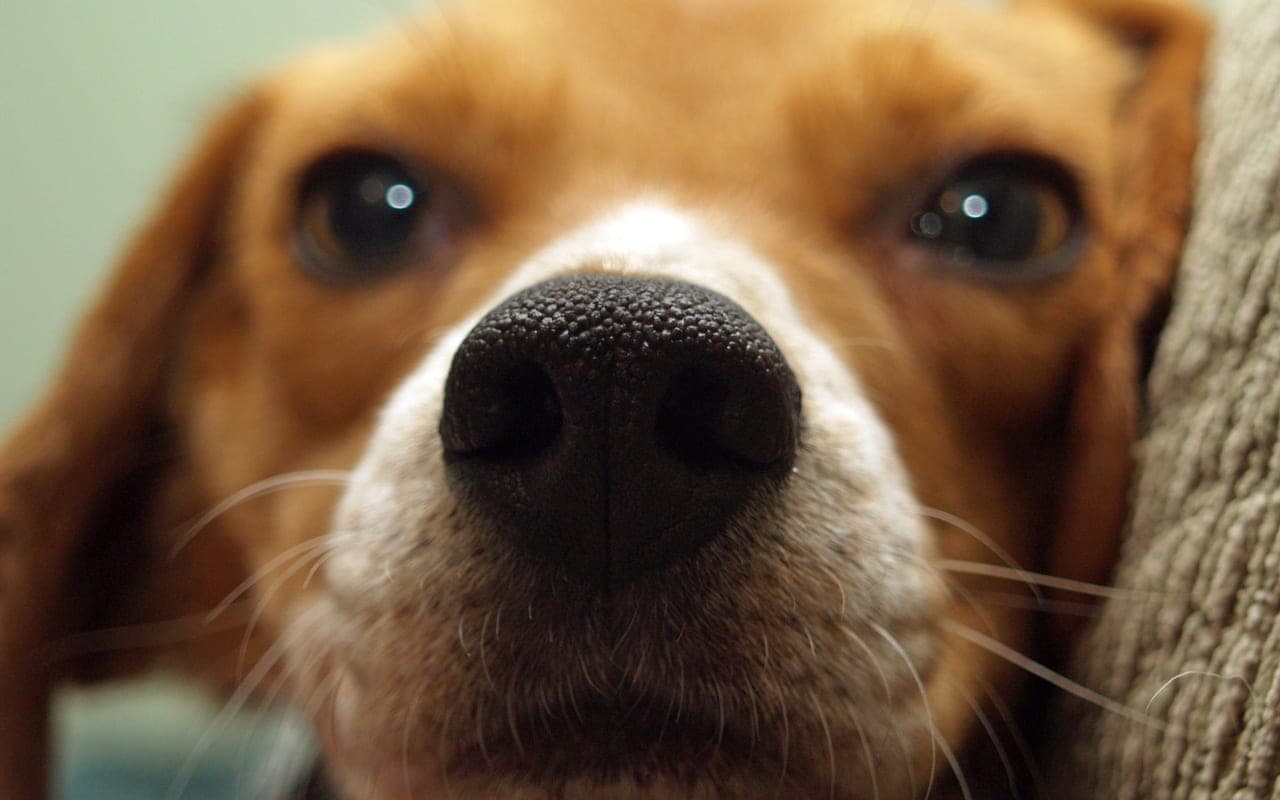
Beagle
Also in the Hound group, with different care and temperament tradeoffs.
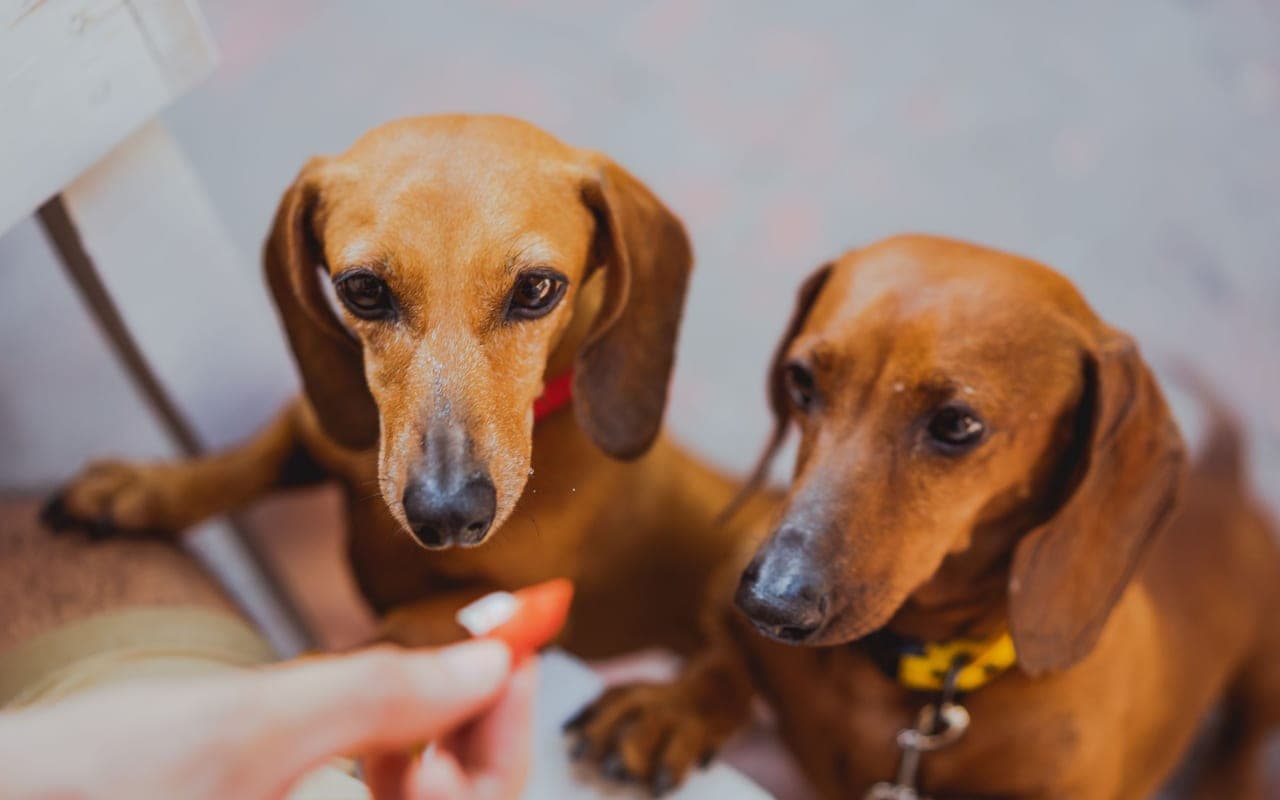
Dachshund
Also in the Hound group, with different care and temperament tradeoffs.
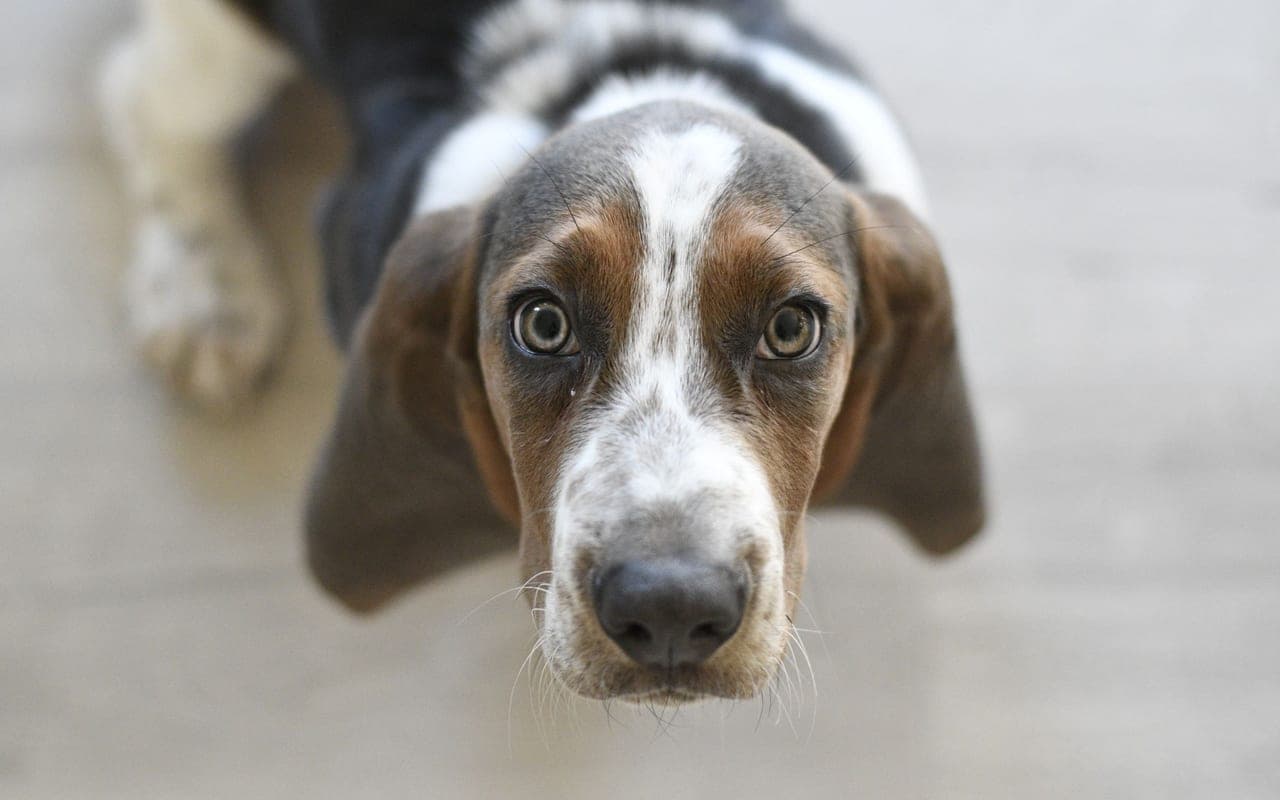
Basset Hound
Also in the Hound group, with different care and temperament tradeoffs.
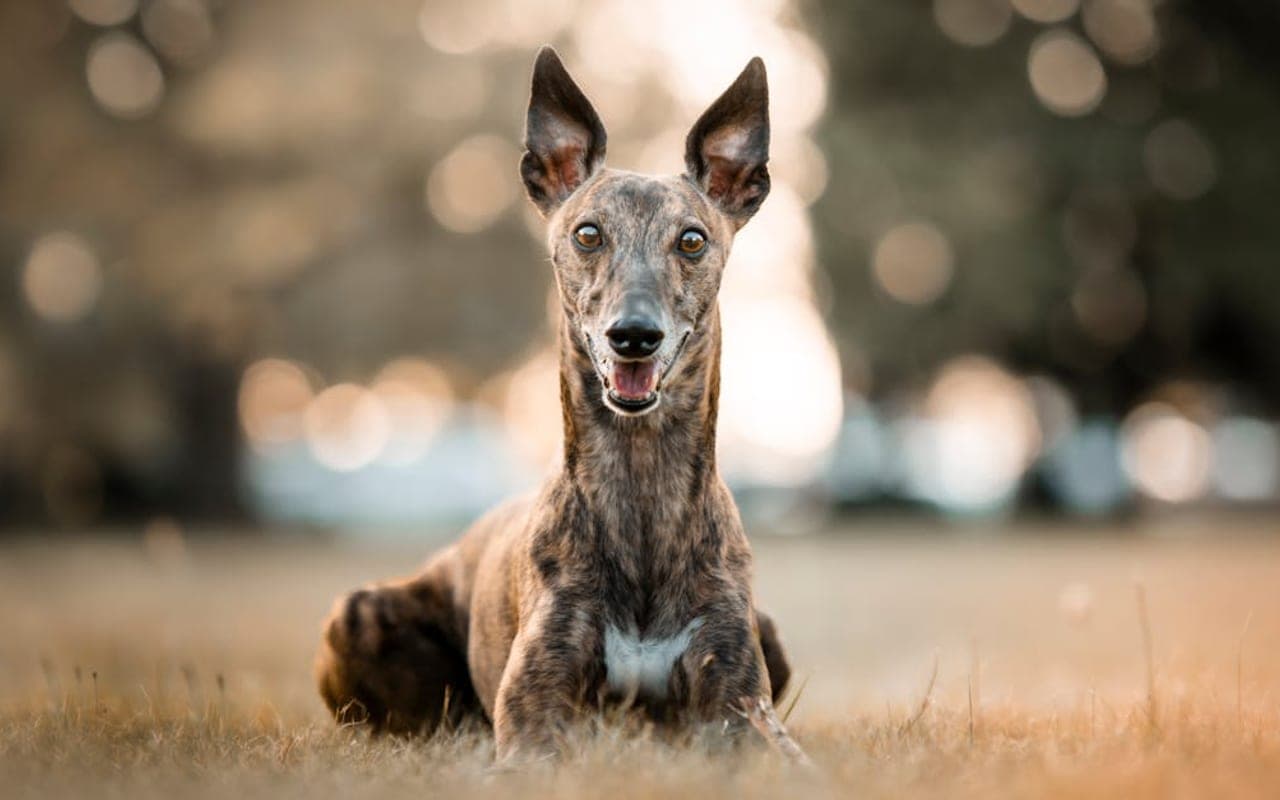
Greyhound
Also in the Hound group, with different care and temperament tradeoffs.
Explore More About Petit Basset Griffon Vendéen
Dive deeper into everything Petit Basset Griffon Vendéen — costs, care, and expert insights.
Large Dog Care Guide: Everything Over 50 lbs
Owning a large or giant breed dog means accepting one of biology's...
Puppy Teething & Biting: Timeline and What Actually Works
A puppy has all 28 deciduous ("baby") teeth by roughly eight weeks of age, and...
Considering a cat instead?
Browse Cats