
Hound group
Pharaoh Hound
The Pharaoh Hound is a lean, athletic sighthound — about 21 to 25 inches at the shoulder and 45 to 55 pounds — and the national dog of Malta, where it is the Kelb tal-Fenek ("rabbit dog"), bred to hunt rabbit over rocky, broken terrain by a mix of sight, scent, and sound.
Size
45-55 lb
Lifespan
12-14 years
Exercise
30-60 minutes
Shedding
Moderate
Experience
Match to owner routine
Decision first
Is a Pharaoh Hound right for you?
Start with fit before history or trivia. These are ownership signals, not guarantees about any individual dog.
Best suited for
- Households with children.
- Homes with other compatible pets.
- Apartment homes with a consistent routine.
- Owners seeking a manageable daily exercise routine.
Think carefully if
- You need a dog with almost no daily routine.
- You cannot keep up with grooming and preventive care.
- The dog will spend most days alone without support.
Conditional fit
Apartment fit depends on exercise, enrichment, noise management, and outdoor access.
Daily reality
Pharaoh Hound commitment snapshot
Daily exercise
30-60 minutes
Match activity to age, health, weather, and training goals.
Coat care
Moderate
Grooming needs vary by coat, shedding, and lifestyle.
Time alone
Needs planning
Most dogs need gradual alone-time conditioning and support.
Structured facts
Pharaoh Hound at a glance
The measurements and traits that most affect day-to-day life with this breed.
Group
Hound
Weight
45-55 lb
Height
21-25 in
Lifespan
12-14 years
Temperament
Friendly | Smart | Noble
View all characteristics and methodology
Lifestyle fit
- Apartment suitability
- Likely fit
- Child friendliness
- Often good, with socialisation and supervision
- Other-pet fit
- Often compatible with careful introductions
Owner commitment
- Exercise
- 30-60 minutes
- Grooming
- Moderate
- Shedding
- Moderate
- Training
- Moderate
Environment and health
- Health risk
- Needs planning
Ratings combine structured breed data, visible breed fields, and editorial context. They are planning aids, not predictions for an individual dog.
Daily life
Pharaoh Hound temperament and behavior
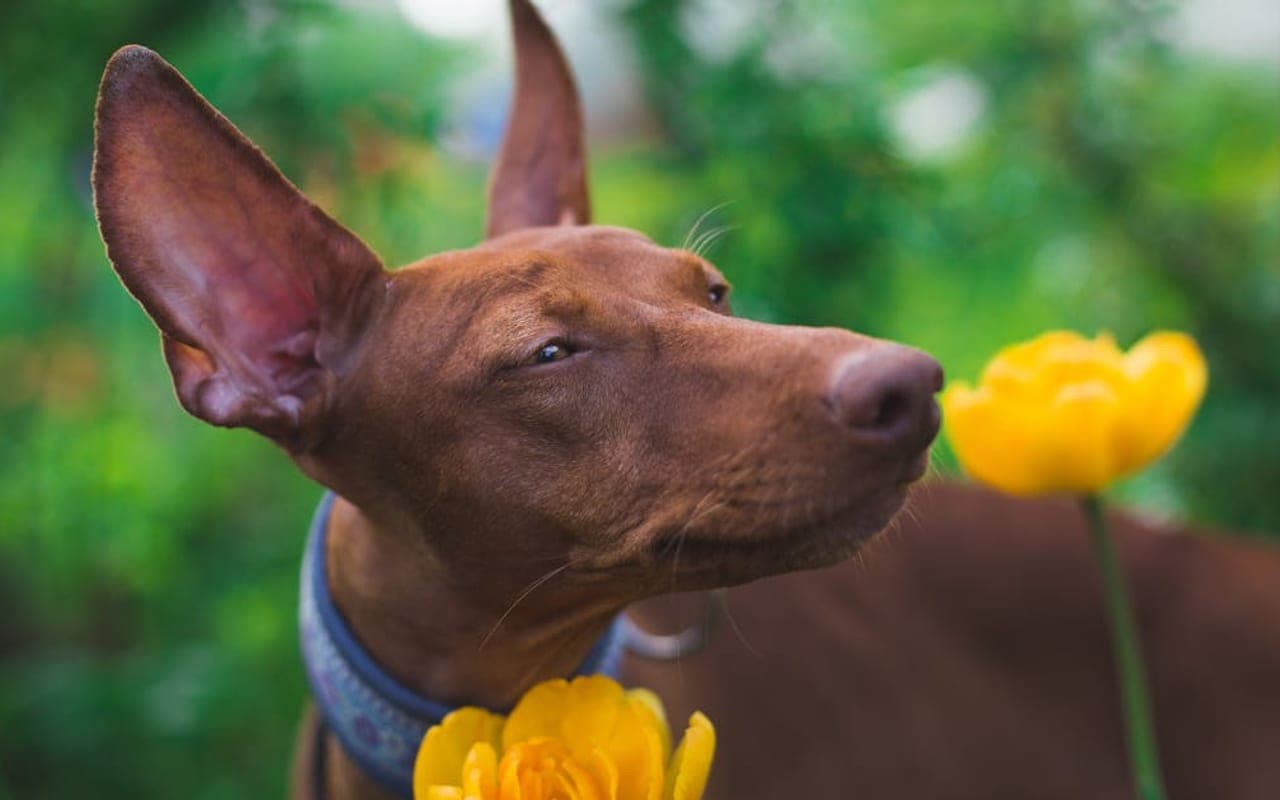
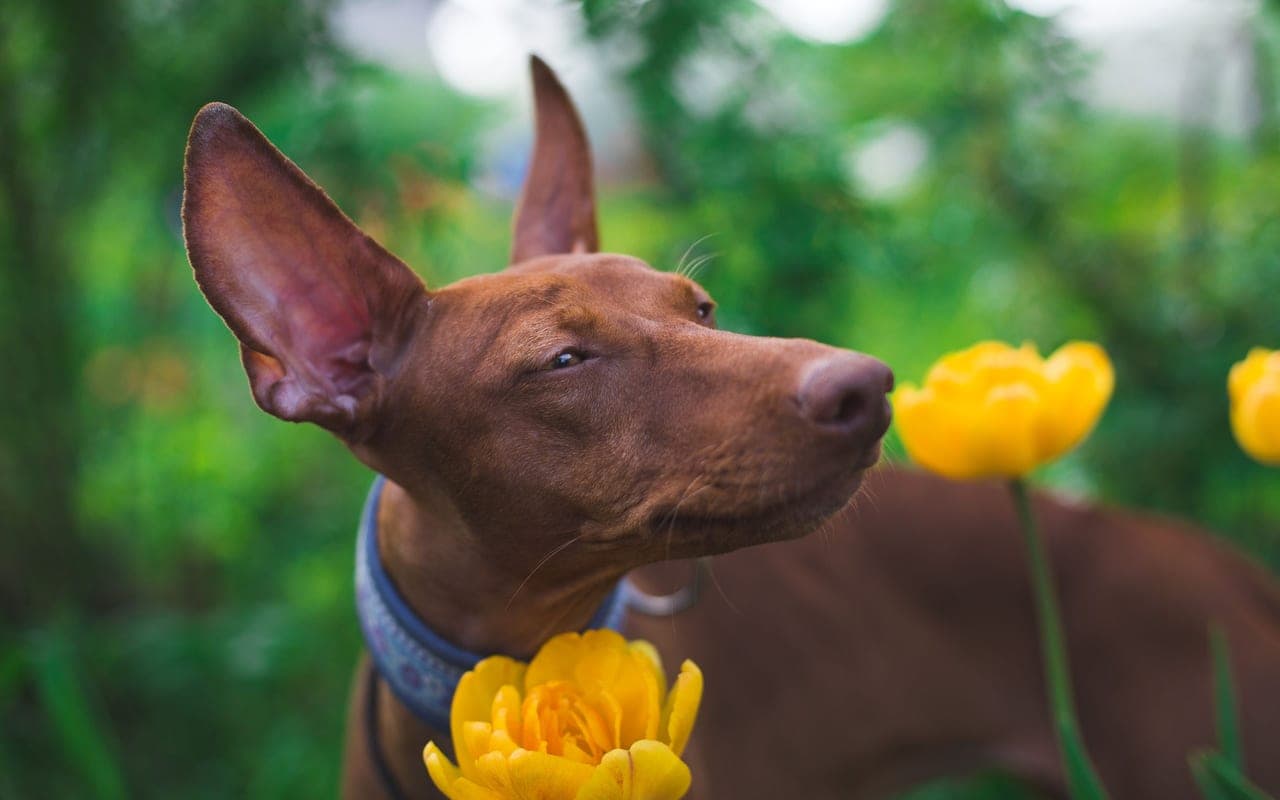
The Pharaoh Hound is a lean, athletic sighthound — about 21 to 25 inches at the shoulder and 45 to 55 pounds — and the national dog of Malta, where it is the Kelb tal-Fenek ("rabbit dog"), bred to hunt rabbit over rocky, broken terrain by a mix of sight, scent, and sound. The ancient-Egyptian look is real visually but the "3,000-year-old breed" mythology is overstated; genetically this is a Maltese hunting dog reconstructed and standardized in the 20th century. Its two genuine signatures: it smiles, and it "blushes" — ears and nose flush rosy when it is happy or excited. The trait to understand before buying is the sighthound package, not the looks. Pharaohs are independent, sensitive, and primed to chase. They are affectionate and playful with their family — more interactive and clownish than the aloof greyhound stereotype — but they are not biddable in the obedience-competition sense, and a moving small animal will override training. Off-leash reliability in unfenced space is poor by design. They are sensitive dogs: harsh training backfires, and they do not tolerate being left alone all day or living outdoors — the thin, single coat and low body fat mean they are genuinely cold-intolerant and need to live inside. They are clean, low-odor, and low-grooming, generally good with respectful children and other dogs, and athletic enough to need real daily running, not just walks. A practical owner note: as a low-body-fat sighthound, the Pharaoh has some anesthetic sensitivity and should be dosed by a vet who understands sighthound protocols — not a fatal issue like in some sighthounds, but worth raising before any surgery. Who the Pharaoh Hound is right for: an owner who wants an affectionate, athletic, clean indoor companion, will provide secure fencing and daily sprinting exercise, uses positive training, and keeps the dog warm and indoors. Who it is wrong for: anyone wanting an off-leash-reliable or obedience-rigid dog, an outdoor/kennel dog, or a dog that tolerates harsh handling.
Friendly | Smart | Noble
Friendly
A common Pharaoh Hound temperament descriptor that should be interpreted alongside training, exercise, and household fit.
Smart
A common Pharaoh Hound temperament descriptor that should be interpreted alongside training, exercise, and household fit.
Noble
A common Pharaoh Hound temperament descriptor that should be interpreted alongside training, exercise, and household fit.
Owner note
Temperament labels are starting points, not guarantees. Meet the individual dog and ask about behavior history whenever possible.
Care essentials
How to care for a Pharaoh Hound
What looking after one actually involves: exercise, grooming, food, training, and routine health.
ExerciseAs needed
- Moderately active breed needing 30-60 minutes of daily exercise.
GroomingAs needed
- Brush 2-3 times per week.
TrainingAs needed
- Consistent, patient training works best.
NutritionAs needed
- Feed high-quality dog food appropriate for age, size, and activity level.
Veterinary CareAs needed
- Annual wellness exams, vaccinations, dental care, and parasite prevention.
Health planning
Pharaoh Hound health risks and screening
Every breed has individual health variation. Use this profile for planning and discuss medical decisions with a veterinarian.
Responsible ownership
Finding a Pharaoh Hound responsibly
What to ask a breeder or rescue is the same conversation for every breed, so we keep it in one place and keep it current.
Health documentation, meeting the parents or foster, contracts and return support, and the warning signs worth walking away from.
Original purpose
Pharaoh Hound history
History is useful when it explains today's behavior, coat, exercise needs, and training style.
Read the breed history
The Pharaoh Hound is the national dog of Malta, known there for centuries as the Kelb tal-Fenek — "rabbit dog" — used by Maltese farmers to hunt rabbit across the islands' rocky terrain using sight, scent, and hearing together. Its resemblance to the hounds depicted in ancient Egyptian art fueled a romantic origin story of an unbroken 3,000-year lineage; modern genetic studies do not support that continuity, showing instead a relatively recently reconstructed breed of Mediterranean hunting-dog type. What is well documented is the Maltese working history: a closed island population of pack-and-solo rabbit hounds, prized for the distinctive "blush" and smile, brought to Britain and the United States in the 20th century and standardized as a show and companion breed in the 1960s–1970s. The hunting heritage explains the breed's intact chase drive, independence, and athleticism today.
Gallery
Pharaoh Hound photos
Images are cropped consistently and loaded progressively to keep the page responsive.
Lower-page context
Pharaoh Hounds in culture
Where the breed shows up in film, sport, work and folklore — the enjoyable part, once the practical questions are answered.
Fun facts
- The Pharaoh Hound belongs to the Hound Group.
- The average lifespan of a Pharaoh Hound is 12 to 14 years.
- Pharaoh Hound dogs are valued for their friendly, smart, noble nature.
Pharaoh Hound FAQs
How long do Pharaoh Hounds live?
A healthy Pharaoh Hound typically lives 12 to 14 years, which is good for a medium-large dog and reflects a relatively sound breed with few catastrophic inherited diseases. The conditions that most affect quality of life — hypothyroidism and patellar luxation — are manageable rather than fatal when caught. Keeping the dog at correct sighthound leanness and indoors protects joints and overall health and supports the upper end of that range.
Can Pharaoh Hounds be let off-leash?
Only in securely fenced areas. The Pharaoh is a sighthound bred to chase fast-moving prey, and that response will override training the instant a rabbit, squirrel, or cat bolts — they are very fast and can be gone before you react. This is selected instinct, not poor obedience. Use a long-line for freedom in open ground and reserve true off-leash running for fenced spaces; treating recall as reliable in the open is the classic, costly owner mistake.
Are Pharaoh Hounds cold-sensitive and can they live outside?
They are genuinely cold-sensitive and must live indoors. The coat is short, fine, and single, and the body carries very little fat, so Pharaohs lose heat fast and are uncomfortable or at risk in cold weather. They need a dog coat for winter walks, warm padded bedding, and a place inside the home. Keeping a Pharaoh kenneled or housed outdoors is both inhumane for the breed and a real health risk.
Are Pharaoh Hounds good with children and other pets?
Generally yes with respectful children and dog-savvy households. They are affectionate, playful, and more interactive than the aloof-sighthound stereotype, doing well with school-age children who handle them gently. The real caution is small pets: a strong prey drive makes cats and small animals a chase risk unless raised together with care, and even then supervise. They are sensitive dogs, so households with chaotic or rough handling are a poor fit.
What should I tell my vet before a Pharaoh Hound has surgery?
Tell the surgeon and anesthetist explicitly that this is a low-body-fat sighthound. Sighthounds metabolize certain anesthetic agents differently, and standard weight-based dosing can be excessive, prolonging recovery. The Pharaoh is less anesthesia-sensitive than some sighthounds, but a sighthound-aware protocol is still the safe default. Raise this proactively when scheduling any procedure — do not assume a general-practice clinic will adjust automatically.
Why is my lean Pharaoh Hound being called underweight?
Because vets and owners used to typical breeds often misjudge correct sighthound condition. In a healthy Pharaoh, ribs are visible-to-easily-felt and there is a pronounced waist and tucked abdomen — that is ideal weight, not malnutrition. Forcing extra weight onto a sighthound loads the joints and works against the breed's design. If unexplained weight gain plus lethargy appears, that points the other way — toward hypothyroidism — and warrants a thyroid panel, not just more food.
Sources
These are the published sources this page draws on. Each opens in a new tab so you can check it yourself.
American Kennel Club
Pharaoh Hound — breed standard and profile(opens in a new tab)Supports: Breed standard and recognition details.
Similar breeds to consider
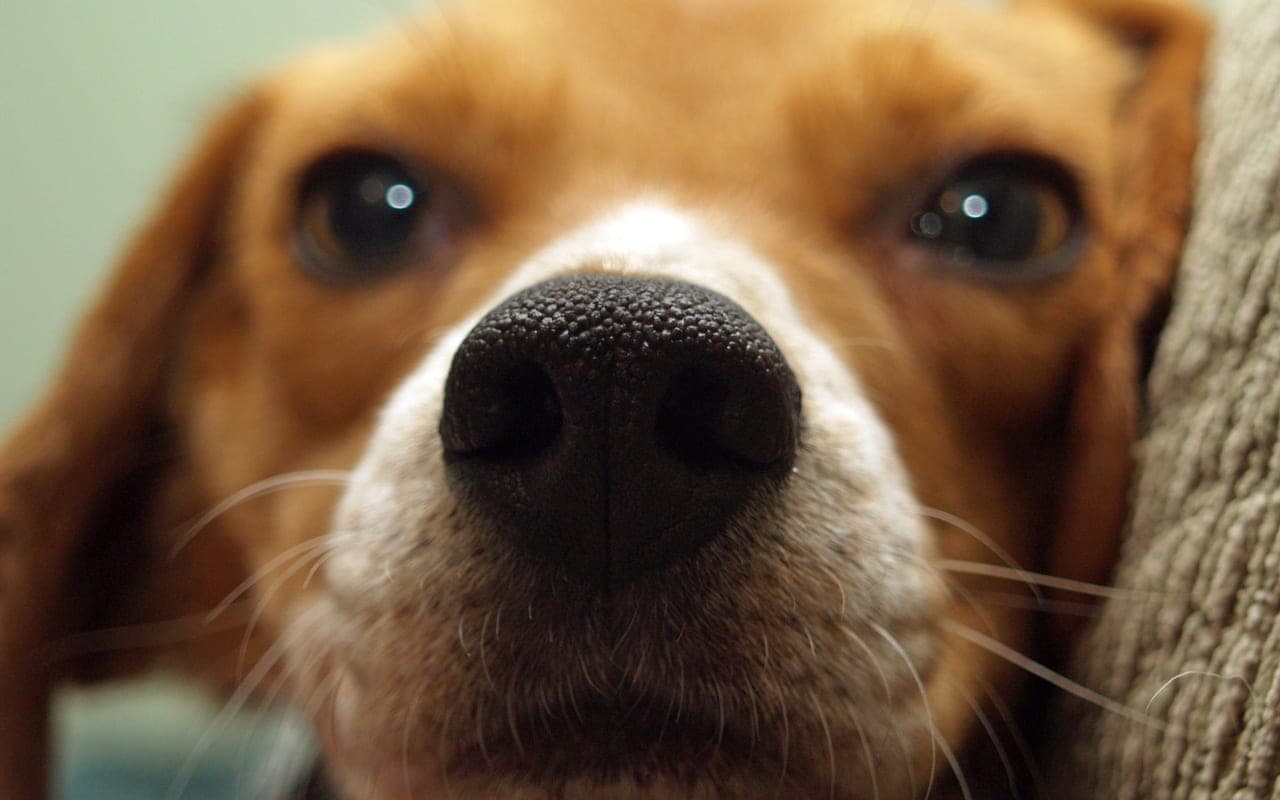
Beagle
Also in the Hound group, with different care and temperament tradeoffs.
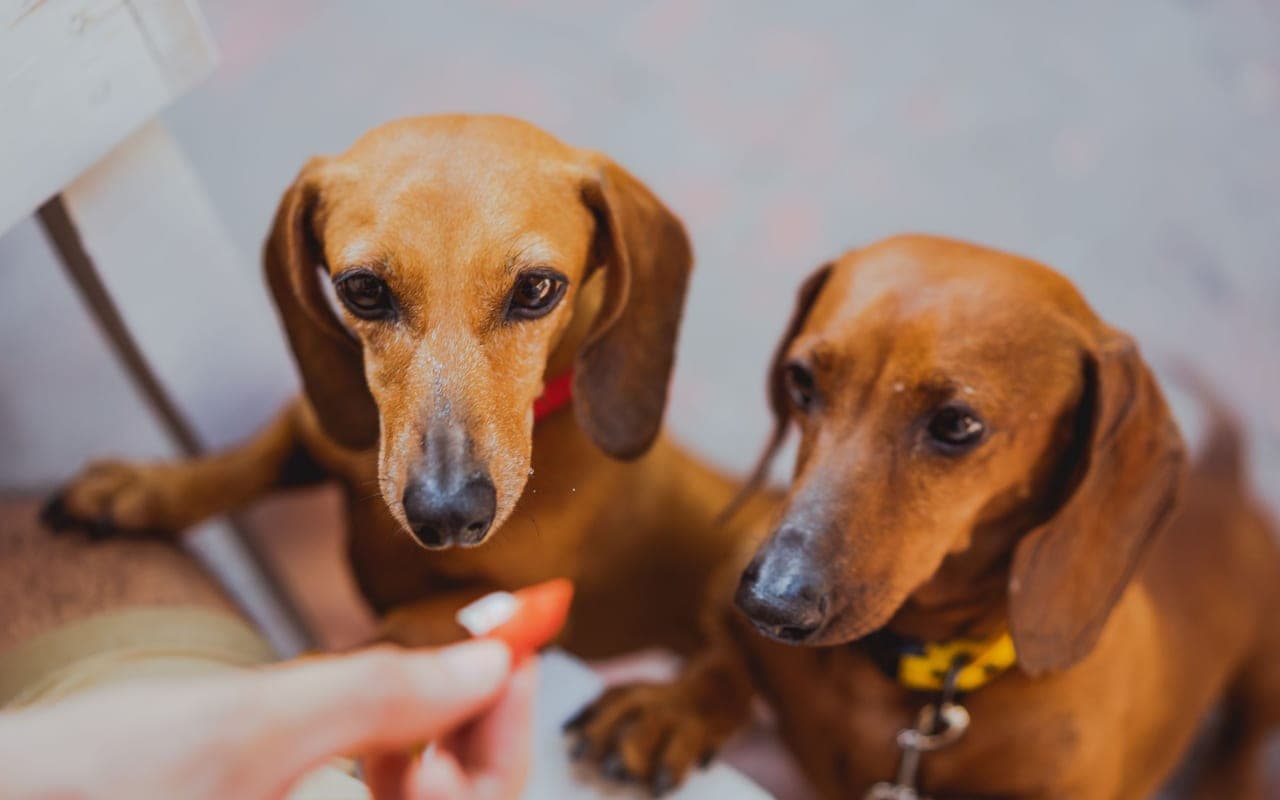
Dachshund
Also in the Hound group, with different care and temperament tradeoffs.
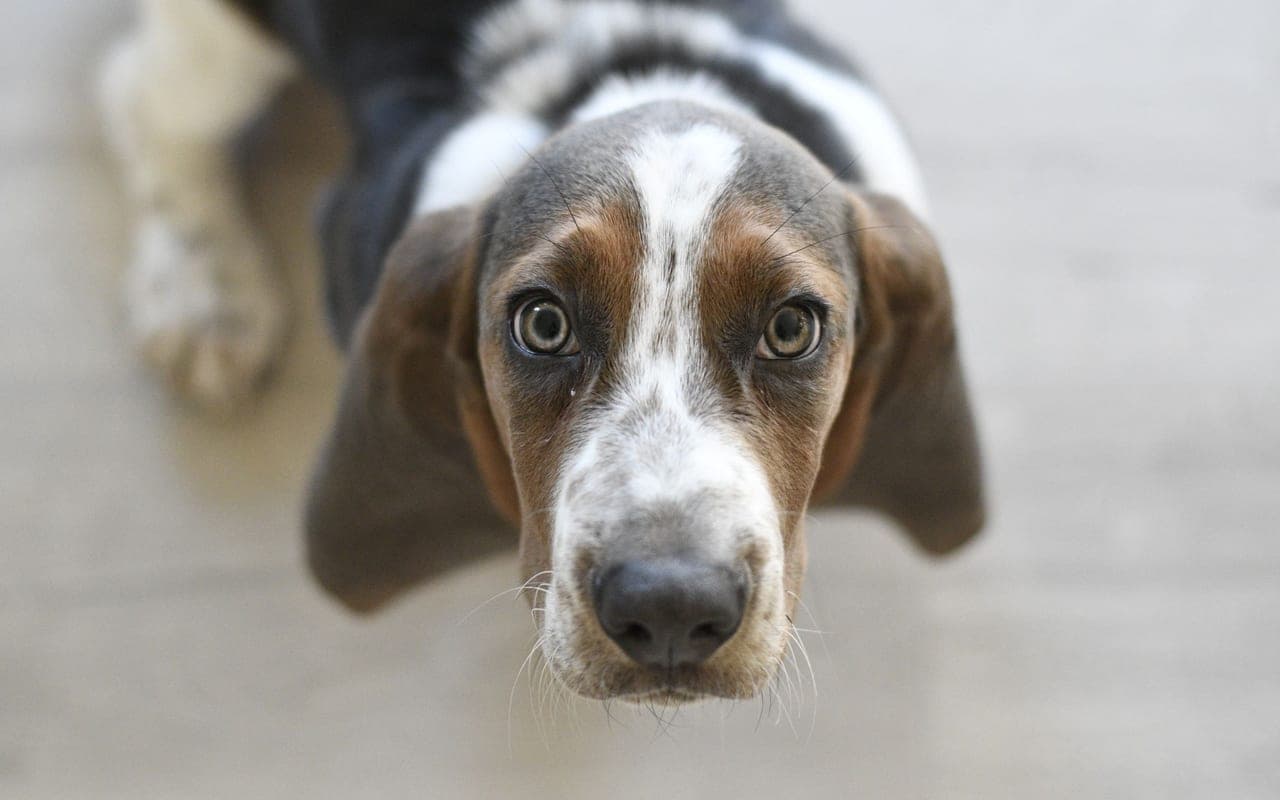
Basset Hound
Also in the Hound group, with different care and temperament tradeoffs.
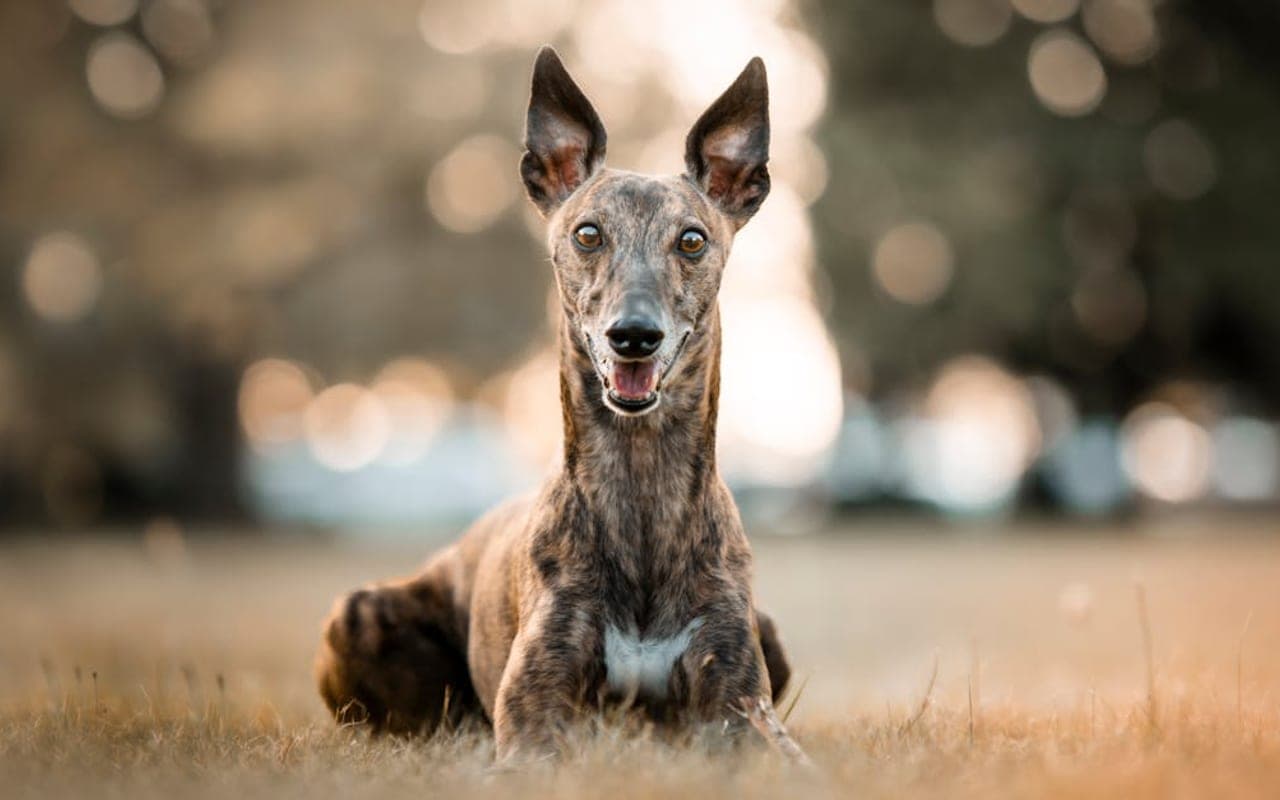
Greyhound
Also in the Hound group, with different care and temperament tradeoffs.
Explore More About Pharaoh Hound
Dive deeper into everything Pharaoh Hound — costs, care, and expert insights.
Considering a cat instead?
Browse Cats