
Foundation Stock Service group
Pudelpointer
The Pudelpointer is a German versatile gun dog (roughly 45-70 lb) created by deliberately crossing the Poodle with the Pointer to combine the Poodle's trainability and water work with the Pointer's nose and pointing instinct.
Size
40-64 lb
Lifespan
14 years
Exercise
30-60 minutes
Shedding
Moderate
Experience
Match to owner routine
Decision first
Is a Pudelpointer right for you?
Start with fit before history or trivia. These are ownership signals, not guarantees about any individual dog.
Best suited for
- Households with children.
- Homes with other compatible pets.
- Apartment homes with a consistent routine.
- Owners seeking a manageable daily exercise routine.
Think carefully if
- You need a dog with almost no daily routine.
- You cannot keep up with grooming and preventive care.
- The dog will spend most days alone without support.
Conditional fit
Apartment fit depends on exercise, enrichment, noise management, and outdoor access.
Daily reality
Pudelpointer commitment snapshot
Daily exercise
30-60 minutes
Match activity to age, health, weather, and training goals.
Coat care
Moderate
Grooming needs vary by coat, shedding, and lifestyle.
Time alone
Needs planning
Most dogs need gradual alone-time conditioning and support.
Structured facts
Pudelpointer at a glance
The measurements and traits that most affect day-to-day life with this breed.
Group
Foundation Stock Service
Weight
40-64 lb
Height
22-27 in
Lifespan
14 years
Temperament
Friendly | Smart | Willing to Please
View all characteristics and methodology
Lifestyle fit
- Apartment suitability
- Likely fit
- Child friendliness
- Often good, with socialisation and supervision
- Other-pet fit
- Often compatible with careful introductions
Owner commitment
- Exercise
- 30-60 minutes
- Grooming
- Moderate
- Shedding
- Moderate
- Training
- Moderate
Environment and health
- Health risk
- Needs planning
Ratings combine structured breed data, visible breed fields, and editorial context. They are planning aids, not predictions for an individual dog.
Daily life
Pudelpointer temperament and behavior
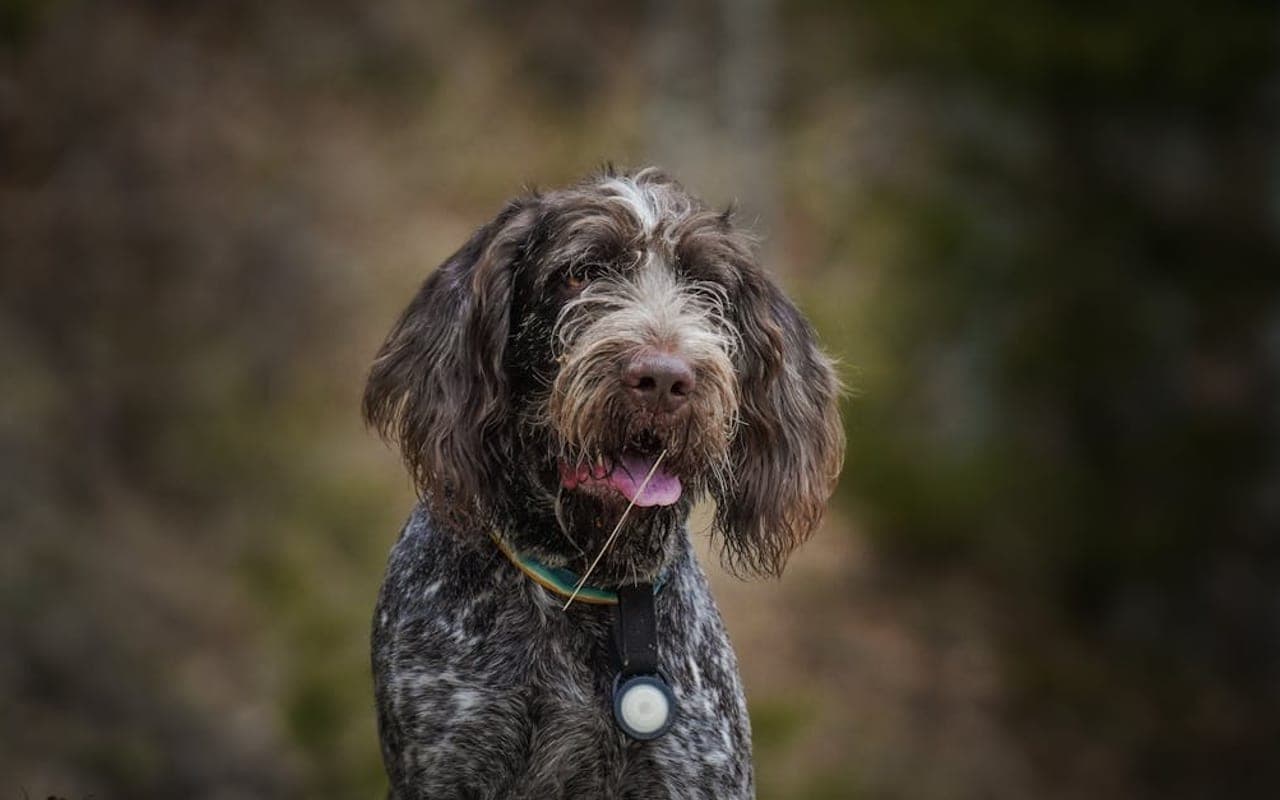
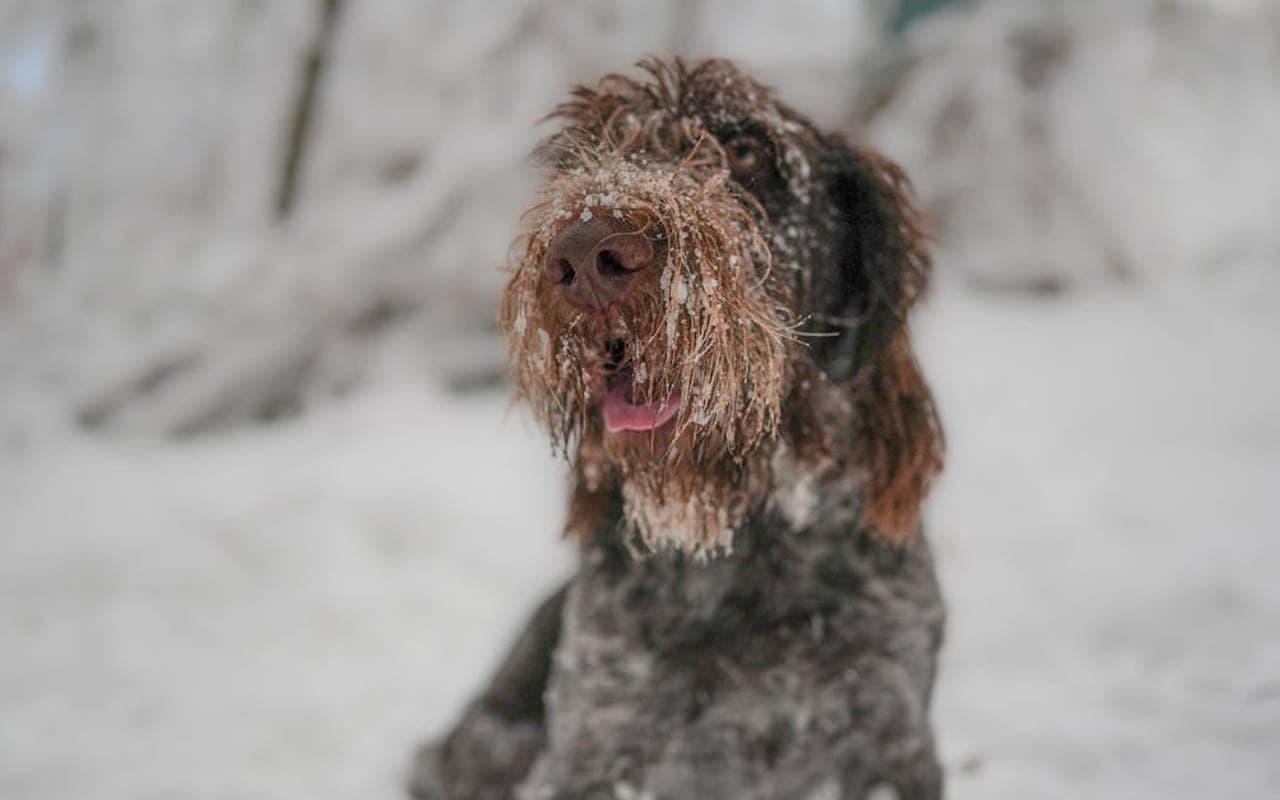
The Pudelpointer is a German versatile gun dog (roughly 45-70 lb) created by deliberately crossing the Poodle with the Pointer to combine the Poodle's trainability and water work with the Pointer's nose and pointing instinct. The defining thing for a prospective owner to understand is that this is a purpose-bred working dog whose breeding is still gated almost entirely by performance and health testing — in North America, breeding stock is typically required to pass NAVHDA hunting tests and carry OFA or PennHIP hip clearances. That gatekeeping is the breed's biggest asset: it has stayed genuinely functional and relatively sound, but it also means the temperament you're getting is a high-drive hunting partner, not a casual pet. Structurally the coat is the giveaway — wire-haired, rough, or occasionally smooth, in liver to black with possible small white markings. It is weather-resistant and built for fieldwork and water retrieving. The breed is described as calm and self-controlled in the house but possessing a strong, distinct hunting instinct and no game- or gun-shyness. Temperament is friendly, smart, and notably handler-cooperative for a versatile gundog — the Poodle influence shows in eagerness to work with people rather than independently. That same intelligence and drive turns destructive when under-stimulated; this is a dog that needs a job. Who the Pudelpointer is right for: an active hunter or serious dog-sport owner who wants a biddable, weather-hardy versatile dog and will provide 60-90 minutes of real daily work. Who it is wrong for: a sedentary household, an owner wanting a low-drive companion, or anyone unprepared for a high-energy dog that water-works and needs structured outlets. The breed is relatively healthy by design, with hip dysplasia and epilepsy as the two conditions German breeding programs specifically select against.
Friendly | Smart | Willing to Please
Friendly
A common Pudelpointer temperament descriptor that should be interpreted alongside training, exercise, and household fit.
Smart
A common Pudelpointer temperament descriptor that should be interpreted alongside training, exercise, and household fit.
Willing to Please
A common Pudelpointer temperament descriptor that should be interpreted alongside training, exercise, and household fit.
Owner note
Temperament labels are starting points, not guarantees. Meet the individual dog and ask about behavior history whenever possible.
Care essentials
How to care for a Pudelpointer
What looking after one actually involves: exercise, grooming, food, training, and routine health.
ExerciseAs needed
- Moderately active breed needing 30-60 minutes of daily exercise.
GroomingAs needed
- Brush 2-3 times per week.
TrainingAs needed
- Consistent, patient training works best.
NutritionAs needed
- Feed high-quality dog food appropriate for age, size, and activity level.
Veterinary CareAs needed
- Annual wellness exams, vaccinations, dental care, and parasite prevention.
Health planning
Pudelpointer health risks and screening
Every breed has individual health variation. Use this profile for planning and discuss medical decisions with a veterinarian.
Responsible ownership
Finding a Pudelpointer responsibly
What to ask a breeder or rescue is the same conversation for every breed, so we keep it in one place and keep it current.
Health documentation, meeting the parents or foster, contracts and return support, and the warning signs worth walking away from.
Original purpose
Pudelpointer history
History is useful when it explains today's behavior, coat, exercise needs, and training style.
Read the breed history
The Pudelpointer was created in Germany in the late 19th century by Baron von Zedlitz, who set out to combine the water-working ability and trainable temperament of the Poodle with the pointing instinct and prey drive of the Pointer, producing a single versatile gun dog for fields, woods, and water. From the outset the breed was bred for function over appearance, and German breeding authorities place special emphasis on health — particularly the prevention of hip dysplasia and epilepsy — alongside mandatory performance testing. That performance-and-health gatekeeping continued as the breed reached North America, where NAVHDA testing became a typical breeding requirement, and it later entered the AKC Foundation Stock Service. For owners, the history is the buying advice: a breed defined for over a century by working tests and health screening stays sound and capable only because breeders maintain that discipline — so the test results and hip clearances behind a litter are the substance, not paperwork.
Gallery
Pudelpointer photos
Images are cropped consistently and loaded progressively to keep the page responsive.
Lower-page context
Pudelpointers in culture
Where the breed shows up in film, sport, work and folklore — the enjoyable part, once the practical questions are answered.
Fun facts
- The Pudelpointer belongs to the Foundation Stock Service.
- The average lifespan of a Pudelpointer is 14 to 14 years.
- Pudelpointer dogs are valued for their friendly, smart, willing to please nature.
Pudelpointer FAQs
Is the Pudelpointer a healthy breed?
Yes, and unusually so by design rather than luck. The breed has been gated for over a century by performance and health testing — in North America breeding stock typically must pass NAVHDA hunting tests and carry OFA or PennHIP hip clearances, and German programs explicitly select against hip dysplasia and epilepsy. The result is a relatively sound, functional dog. The honest caveat: that soundness depends entirely on buying from a breeder who actually maintains the testing — an untested 'Pudelpointer' forfeits the breed's main health advantage.
How long do Pudelpointers live?
Generally around 13 to 14 years, good for a medium-large working breed. Lifespan is driven by the breed's known watch-points being managed: verified-clear hips kept protected by lean body weight, prompt control of any epilepsy, ear care to prevent chronic infection from water work, and routine vigilance for bloat and thyroid issues. A lean, well-worked Pudelpointer from health-tested parents typically lives a full, active life with no single dominant disease shortening it.
How much exercise does a Pudelpointer need?
A great deal — plan 60 to 90 minutes of real daily work: running, retrieving, water work, scent or field training, or competitive dog sport. This is a versatile hunting breed with strong drive; leashed walks alone will not satisfy it. The most common reason Pudelpointers are surrendered is under-stimulation turning into destructiveness. It genuinely needs a job and a committed, active owner, not just a yard and a daily stroll.
Are Pudelpointers easy to train?
For a high-drive versatile gundog, yes — the Poodle side shows in real biddability and a desire to work with the handler rather than independently, and the breed is gun- and game-confident with strong focus. Start early, keep sessions reward-based and varied, and give the dog the mental load it craves. The limiting factor is not trainability but energy: a smart, trainable dog with no outlet uses that intelligence destructively, so training without sufficient exercise is incomplete.
Are Pudelpointers good family dogs?
They can be — they're friendly, people-oriented, and calm in the house once their working needs are met, and they generally do well with children when raised with them and given supervision around younger kids during high-energy play. The decisive factor is lifestyle fit, not temperament: an active hunting or dog-sport family gets an excellent companion; a sedentary household gets a frustrated, destructive dog. Match the breed to the activity level honestly before the temperament.
What should I verify before buying a Pudelpointer puppy?
Two concrete things, because they are the breed's whole health story. First, parental hip clearances — OFA or PennHIP results on both parents, since hip dysplasia is the orthopedic condition the breed is specifically bred against. Second, the breeder's candor on epilepsy history in their lines, the other condition German programs target. Also confirm the working-test pedigree (NAVHDA in North America), since that testing discipline is exactly what keeps the breed sound. A breeder who can't produce these is selling away the breed's main advantage.
Sources
These are the published sources this page draws on. Each opens in a new tab so you can check it yourself.
American Kennel Club
Pudelpointer — breed standard and profile(opens in a new tab)Supports: Breed standard and recognition details.
Similar breeds to consider
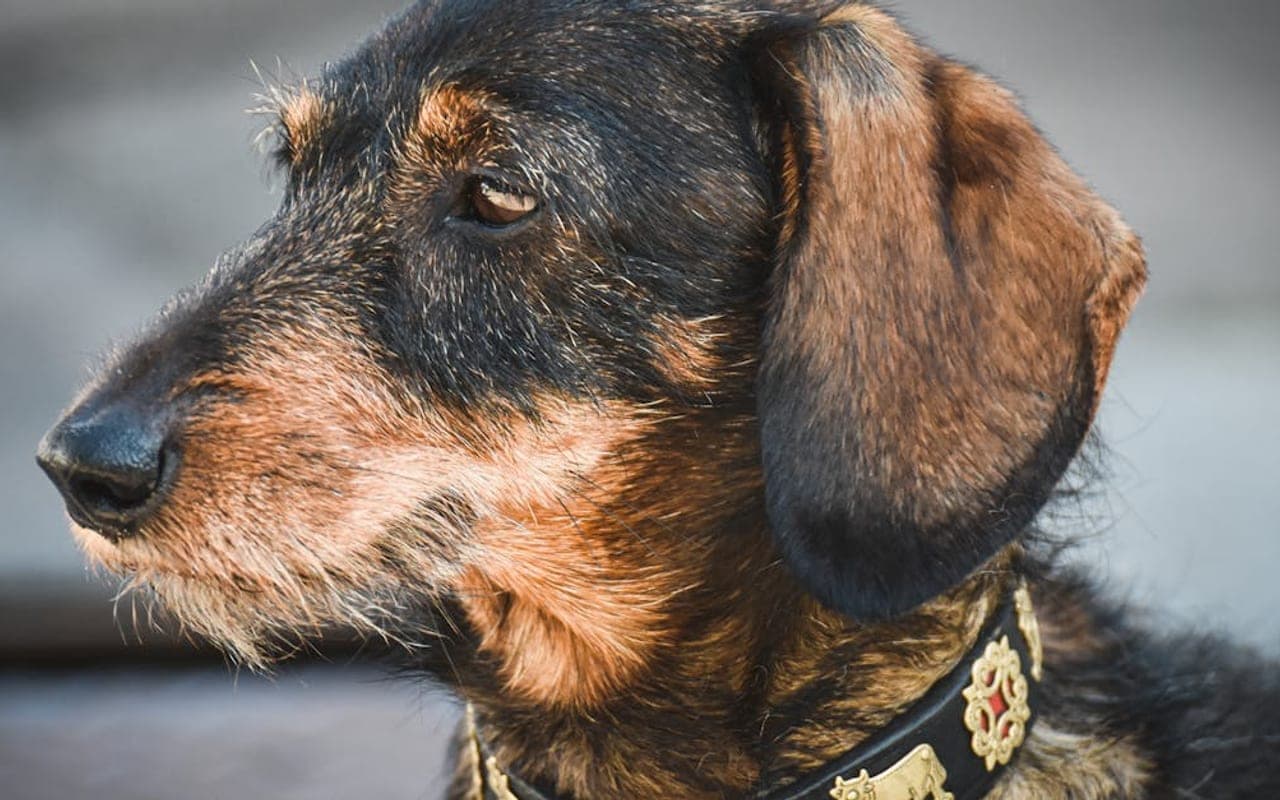
Jagdterrier
Also in the Foundation Stock Service group, with different care and temperament tradeoffs.
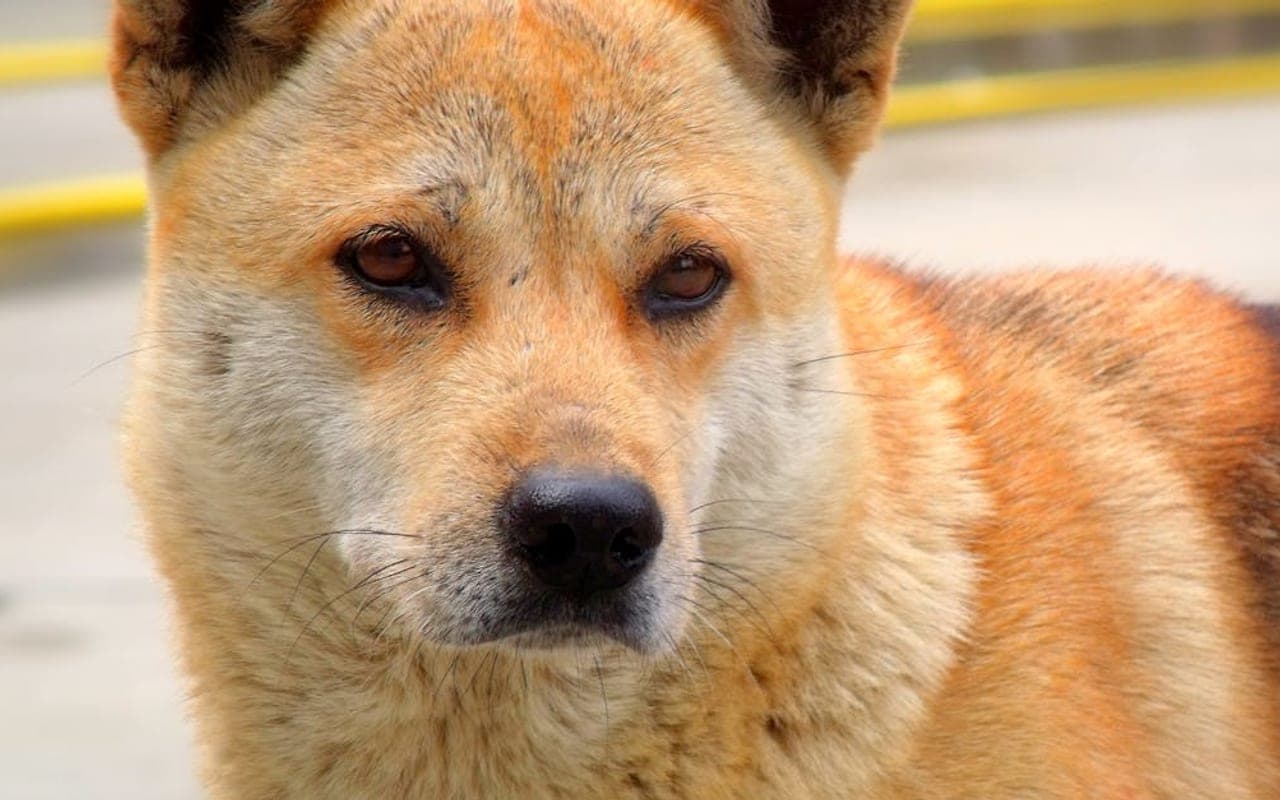
Jindo
Also in the Foundation Stock Service group, with different care and temperament tradeoffs.
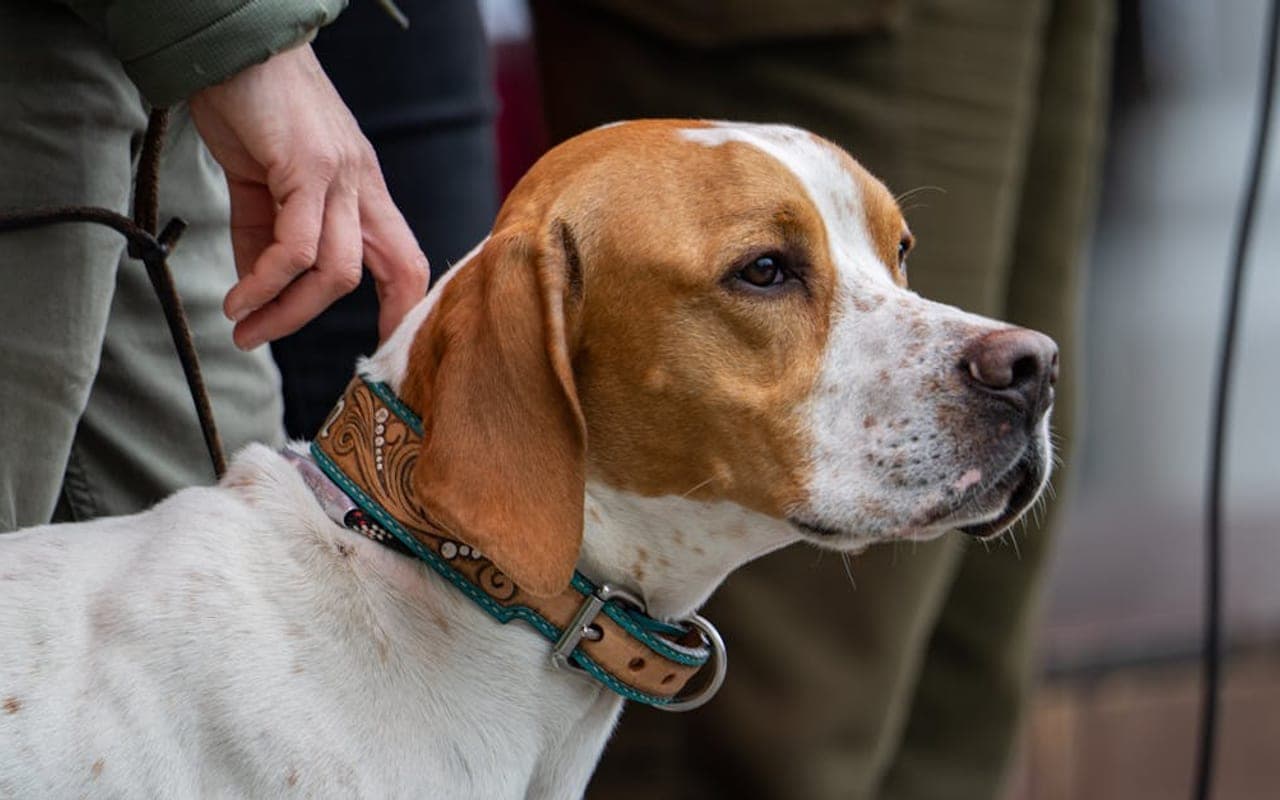
Portuguese Pointer
Also in the Foundation Stock Service group, with different care and temperament tradeoffs.
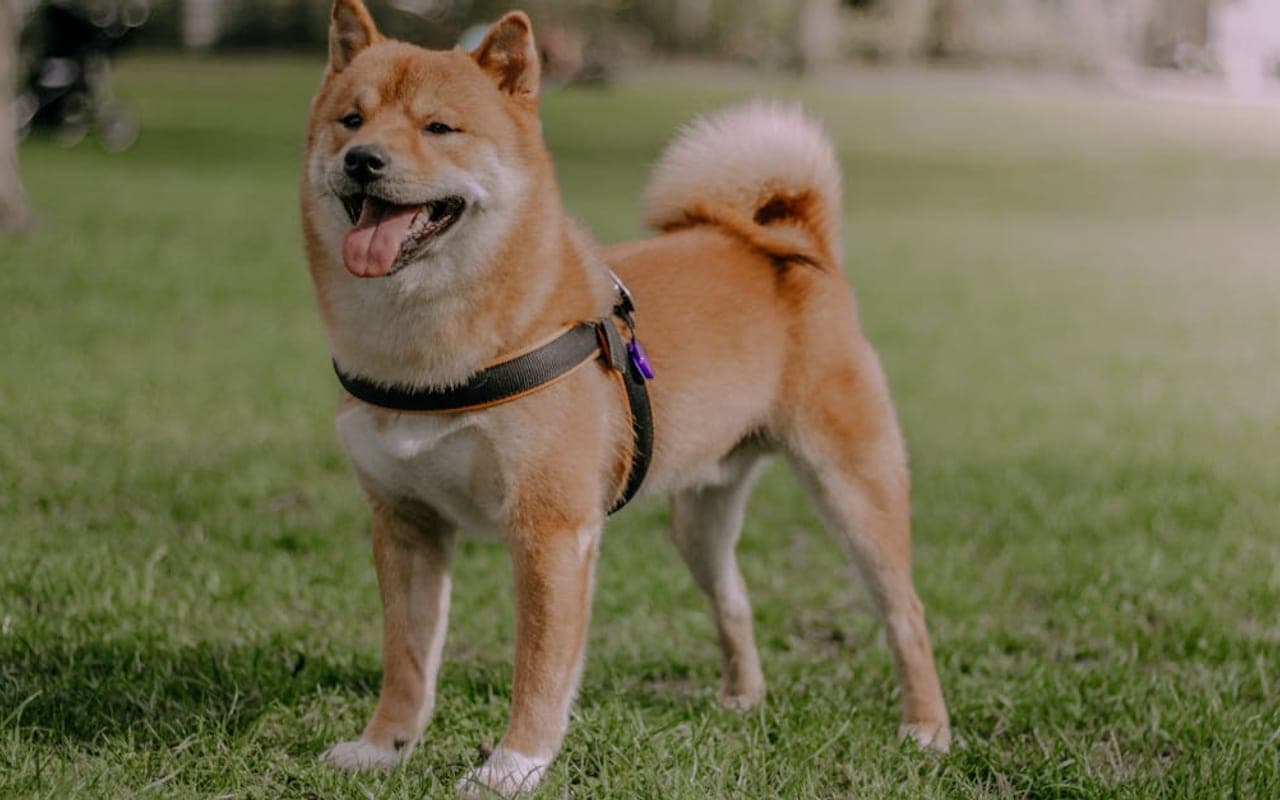
Kishu Ken
Also in the Foundation Stock Service group, with different care and temperament tradeoffs.
Explore More About Pudelpointer
Dive deeper into everything Pudelpointer — costs, care, and expert insights.
Considering a cat instead?
Browse Cats