
Hound group
Rhodesian Ridgeback
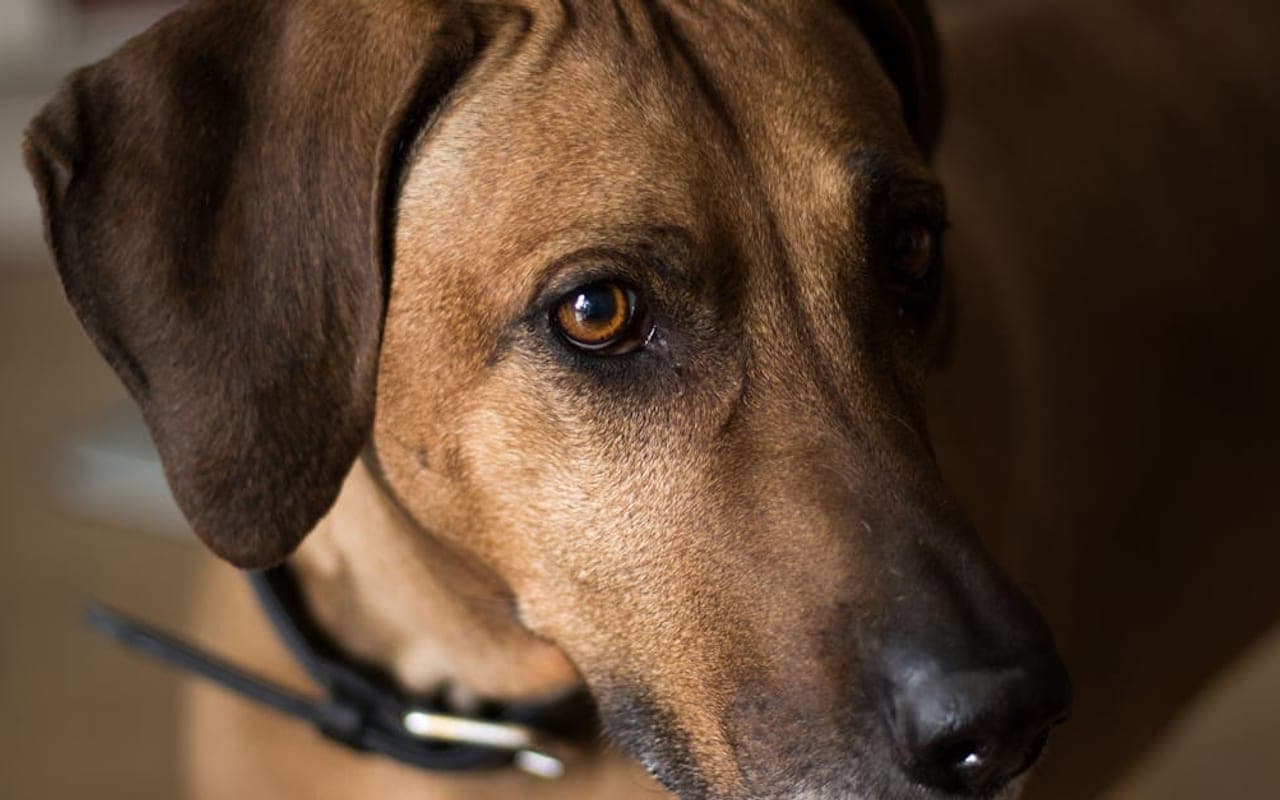
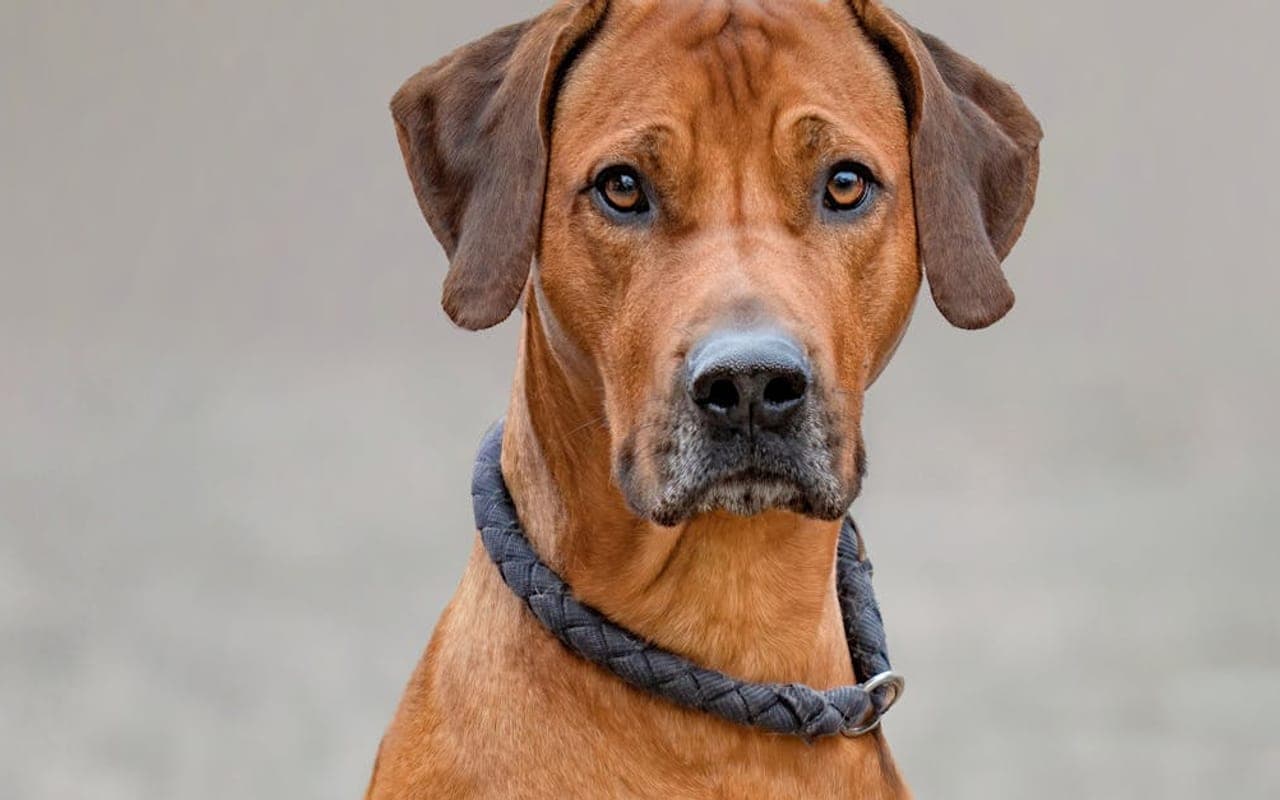
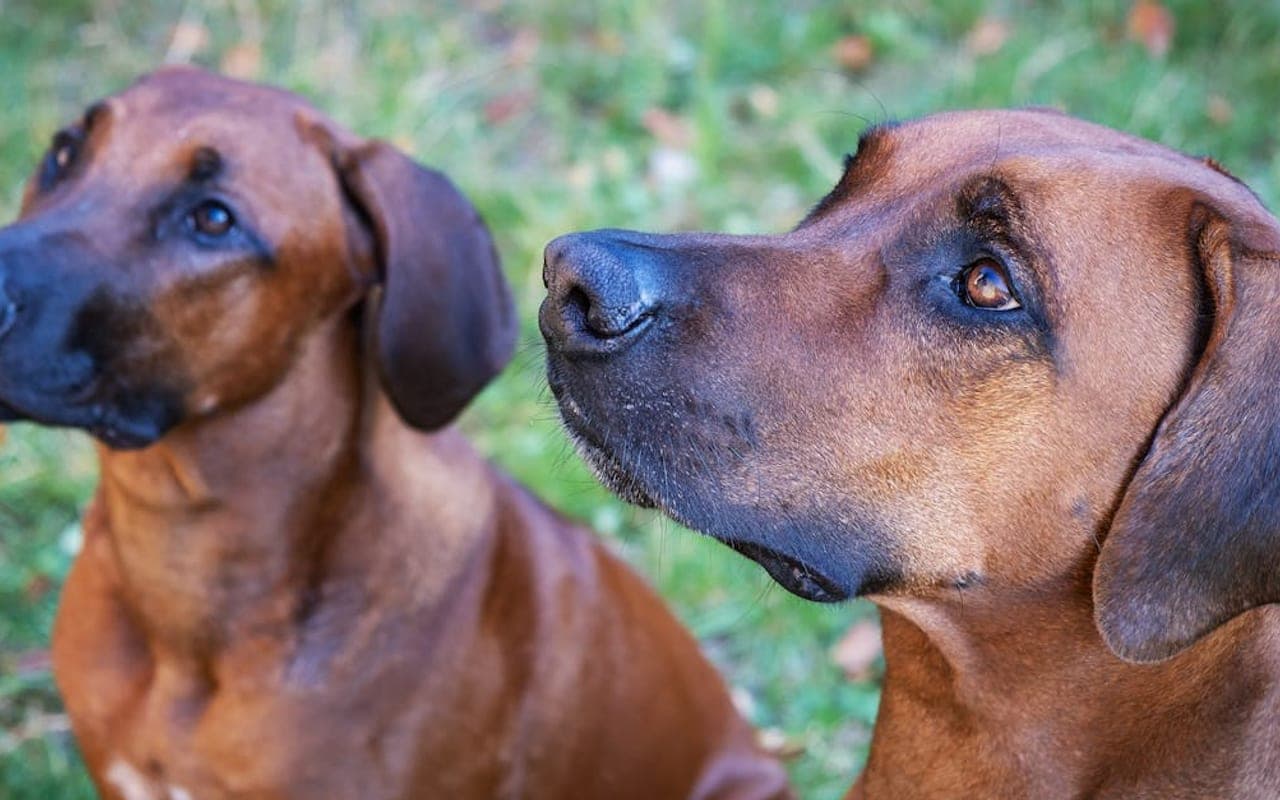
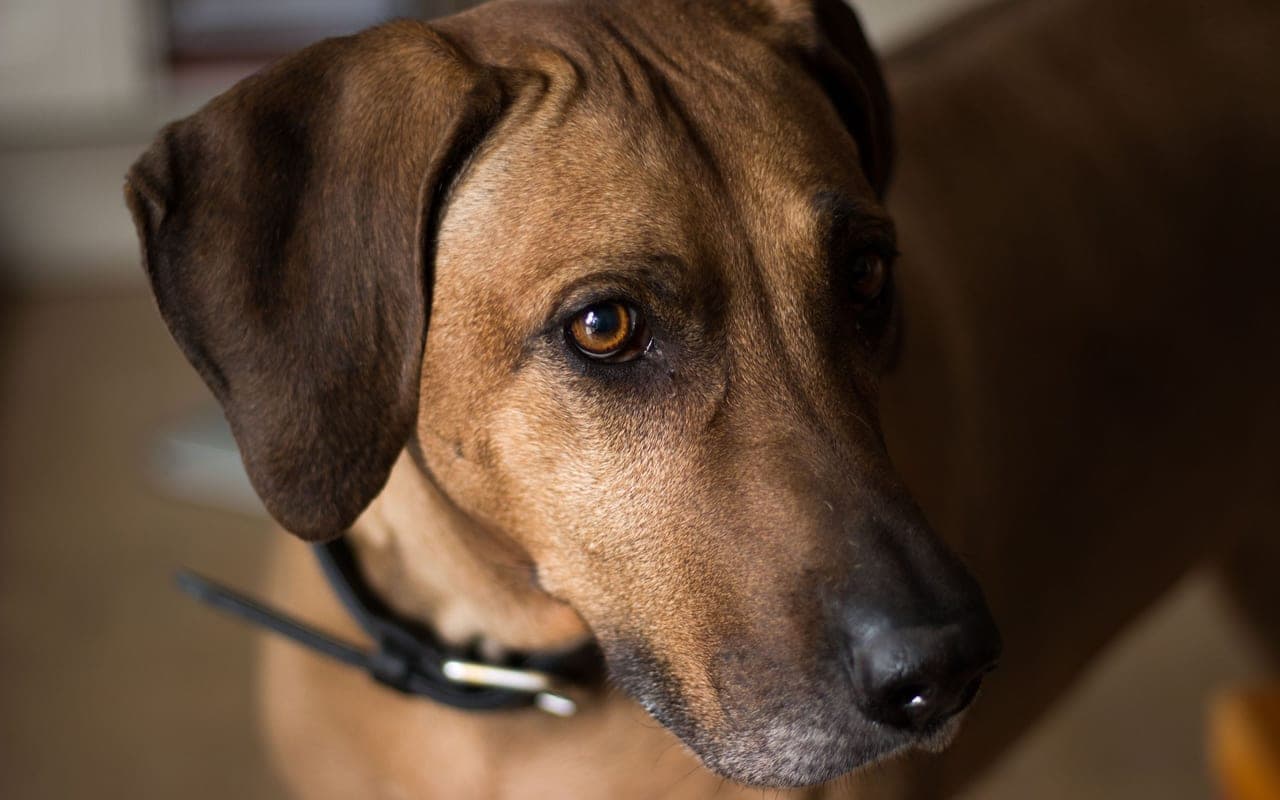
The Rhodesian Ridgeback is a 70-to-85-pound African hound built to range with hunters all day and hold large dangerous game at bay — and that job description, not the famous ridge, is what you are signing up for.
Size
70-90 lb
Lifespan
10 years
Exercise
30-60 minutes
Shedding
Moderate
Experience
Match to owner routine
Decision first
Is a Rhodesian Ridgeback right for you?
Start with fit before history or trivia. These are ownership signals, not guarantees about any individual dog.
Best suited for
- Households with children.
- Homes with other compatible pets.
- Apartment homes with a consistent routine.
- Owners seeking a manageable daily exercise routine.
Think carefully if
- You need a dog with almost no daily routine.
- You cannot keep up with grooming and preventive care.
- The dog will spend most days alone without support.
Conditional fit
Apartment fit depends on exercise, enrichment, noise management, and outdoor access.
Daily reality
Rhodesian Ridgeback commitment snapshot
Daily exercise
30-60 minutes
Match activity to age, health, weather, and training goals.
Coat care
Moderate
Grooming needs vary by coat, shedding, and lifestyle.
Time alone
Needs planning
Most dogs need gradual alone-time conditioning and support.
Structured facts
Rhodesian Ridgeback at a glance
The measurements and traits that most affect day-to-day life with this breed.
Group
Hound
Weight
70-90 lb
Height
24-27 in
Lifespan
10 years
Temperament
Affectionate | Dignified | Even-Tempered
View all characteristics and methodology
Lifestyle fit
- Apartment suitability
- Likely fit
- Child friendliness
- Often good, with socialisation and supervision
- Other-pet fit
- Often compatible with careful introductions
Owner commitment
- Exercise
- 30-60 minutes
- Grooming
- Moderate
- Shedding
- Moderate
- Training
- Moderate
Environment and health
- Health risk
- Needs planning
Ratings combine structured breed data, visible breed fields, and editorial context. They are planning aids, not predictions for an individual dog.
Daily life
Rhodesian Ridgeback temperament and behavior
The Rhodesian Ridgeback is a 70-to-85-pound African hound built to range with hunters all day and hold large dangerous game at bay — and that job description, not the famous ridge, is what you are signing up for. This is an independent, strong-willed, high-prey-drive sighthound-type dog with a guarding streak. It is calm and dignified in the house and intensely difficult to recall off a moving target outside. If you cannot commit to secure fencing and leashed or fully enclosed exercise, this is the wrong breed for you regardless of how much you like the look. The ridge — a strip of hair growing backward along the spine — is the breed hallmark, and it carries a genuine health caveat (dermoid sinus, covered below). The coat is short, dense, and low-maintenance, in shades of wheaten from light to red, sometimes with a small amount of white on chest and toes and a black or brown nose and mask. Temperament is the deciding factor. Ridgebacks are affectionate and loyal with their family, often aloof and reserved with strangers, and naturally protective without training to be. They are smart but not biddable in the retriever sense — they decide whether your request is worth their time. They tolerate, rather than seek, repetitive obedience drilling. With confident, consistent, reward-based handling from puppyhood they are superb companions; with inconsistent or harsh handling they become stubborn and pushy. One more practical reality: Ridgebacks are quiet in the house but can be territorial and same-sex dog-selective, and they shed a surprising amount of short stiff hair year-round despite the minimal coat-care needs. They do best with an owner who is physically present and active rather than one who is away long hours, because the bond they form is intense and they channel boredom into stubbornness and fence-testing. Who the Ridgeback is right for: an experienced, physically capable owner who wants a dignified, protective, athletic companion and will provide fencing, early socialization, and structured leadership. Who it is wrong for: first-time owners, people wanting an off-leash dog-park dog, or anyone expecting a soft, eager-to-please temperament. This is a lot of independent hound.
Affectionate | Dignified | Even-Tempered
Affectionate
A common Rhodesian Ridgeback temperament descriptor that should be interpreted alongside training, exercise, and household fit.
Dignified
A common Rhodesian Ridgeback temperament descriptor that should be interpreted alongside training, exercise, and household fit.
Even-Tempered
A common Rhodesian Ridgeback temperament descriptor that should be interpreted alongside training, exercise, and household fit.
Owner note
Temperament labels are starting points, not guarantees. Meet the individual dog and ask about behavior history whenever possible.
Care essentials
How to care for a Rhodesian Ridgeback
What looking after one actually involves: exercise, grooming, food, training, and routine health.
ExerciseAs needed
- Moderately active breed needing 30-60 minutes of daily exercise.
GroomingAs needed
- Brush 2-3 times per week.
TrainingAs needed
- Consistent, patient training works best.
NutritionAs needed
- Feed high-quality dog food appropriate for age, size, and activity level.
Veterinary CareAs needed
- Annual wellness exams, vaccinations, dental care, and parasite prevention.
Health planning
Rhodesian Ridgeback health risks and screening
Every breed has individual health variation. Use this profile for planning and discuss medical decisions with a veterinarian.
Responsible ownership
Finding a Rhodesian Ridgeback responsibly
What to ask a breeder or rescue is the same conversation for every breed, so we keep it in one place and keep it current.
Health documentation, meeting the parents or foster, contracts and return support, and the warning signs worth walking away from.
Original purpose
Rhodesian Ridgeback history
History is useful when it explains today's behavior, coat, exercise needs, and training style.
Read the breed history
The Rhodesian Ridgeback was developed in southern Africa, principally in what was then Rhodesia (now Zimbabwe), by crossing European hunting and guarding dogs brought by colonial settlers with the ridged, semi-domesticated dogs kept by the indigenous Khoikhoi people. The result was an all-purpose farm dog: a hound that could track game by sight and scent, harass and hold lions and other large animals at bay until the hunter arrived, guard the homestead, and tolerate harsh climate and scarce water. It was historically called the African Lion Hound for this baying role — the dogs cornered lions, they did not kill them. A breed standard was drawn up in the 1920s, and the distinctive dorsal ridge — caused by a dominant genetic trait — was fixed as the defining feature. The same gene associated with the ridge is linked to dermoid sinus, which is why the breed's signature trait carries a health cost.
Gallery
Rhodesian Ridgeback photos
Images are cropped consistently and loaded progressively to keep the page responsive.
Lower-page context
Rhodesian Ridgebacks in culture
Where the breed shows up in film, sport, work and folklore — the enjoyable part, once the practical questions are answered.
Fun facts
- The Rhodesian Ridgeback belongs to the Hound Group.
- The average lifespan of a Rhodesian Ridgeback is 10 to 10 years.
- Rhodesian Ridgeback dogs are valued for their affectionate, dignified, even-tempered nature.
Rhodesian Ridgeback FAQs
Are Rhodesian Ridgebacks good for first-time dog owners?
Generally no. Ridgebacks are independent, strong-willed, and protective with a high prey drive, and they need confident, consistent leadership and serious early socialization. A novice owner often gets a pushy, hard-to-recall adult dog. They are a rewarding breed for someone with large-dog experience, secure fencing, and the time for structured training in the first year — not a good learner-dog.
What is a dermoid sinus and is it serious?
A dermoid sinus is a congenital tunnel of skin running inward toward the spine, far more common in Ridgebacks than other breeds and genetically linked to the ridge. It can become infected or, in severe cases, connect to the spinal cord and cause neurological disease. Responsible breeders palpate every newborn puppy for it; affected dogs need surgical removal. Always ask whether a litter was checked for dermoid sinus at birth.
How much exercise does a Rhodesian Ridgeback need?
About 60-90 minutes of real activity daily — brisk walks, jogging, hiking, or running in a secure enclosure — plus mental engagement. They have stamina built for all-day hunting and become restless and destructive when under-exercised. Critically, exercise must be leashed or fully enclosed: the prey drive overrides recall in most individuals, so an off-leash Ridgeback near wildlife or roads is a real risk.
Do Rhodesian Ridgebacks shed and need much grooming?
Grooming is minimal — the short dense coat needs only a weekly 5-10 minute rubber-curry or hound-glove session and a bath every 6-8 weeks or when dirty. Shedding is light to moderate but year-round, so expect some hair on furniture and clothes. This is one of the lowest-maintenance coats among large breeds; the real cost in this breed is containment and training time, not grooming.
How long do Rhodesian Ridgebacks live and what shortens it?
Typical lifespan is about 10-12 years. The biggest preventable lifespan threat is gastric bloat (GDV) given the deep chest — feed two measured meals rather than one large one and avoid hard exercise within an hour of eating. Hip and elbow dysplasia, hypothyroidism, and certain cancers also affect the breed, so buy from health-screened lines and keep the dog lean to protect the joints.
Are Rhodesian Ridgebacks aggressive?
Not inherently aggressive, but they are naturally protective and aloof with strangers without being trained to be — guarding is in the breed's job history. Well-socialized Ridgebacks are dignified and discerning rather than reactive. Poorly socialized or inconsistently led ones can become territorial and pushy. Early, broad socialization in the first 16 weeks and confident handling are what separate a stable guardian from a problem dog.
Sources
These are the published sources this page draws on. Each opens in a new tab so you can check it yourself.
American Kennel Club
Rhodesian Ridgeback — breed standard and profile(opens in a new tab)Supports: Breed standard and recognition details.
Similar breeds to consider
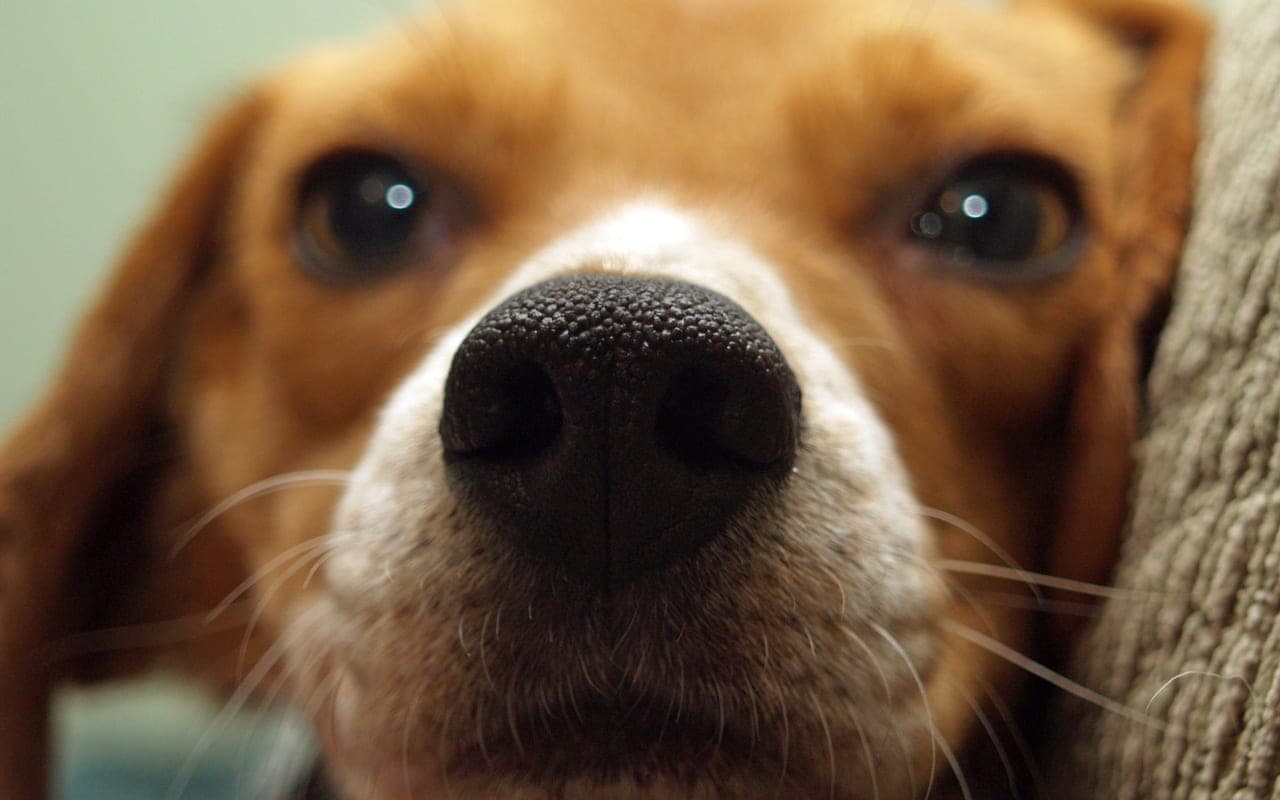
Beagle
Also in the Hound group, with different care and temperament tradeoffs.

Dachshund
Also in the Hound group, with different care and temperament tradeoffs.
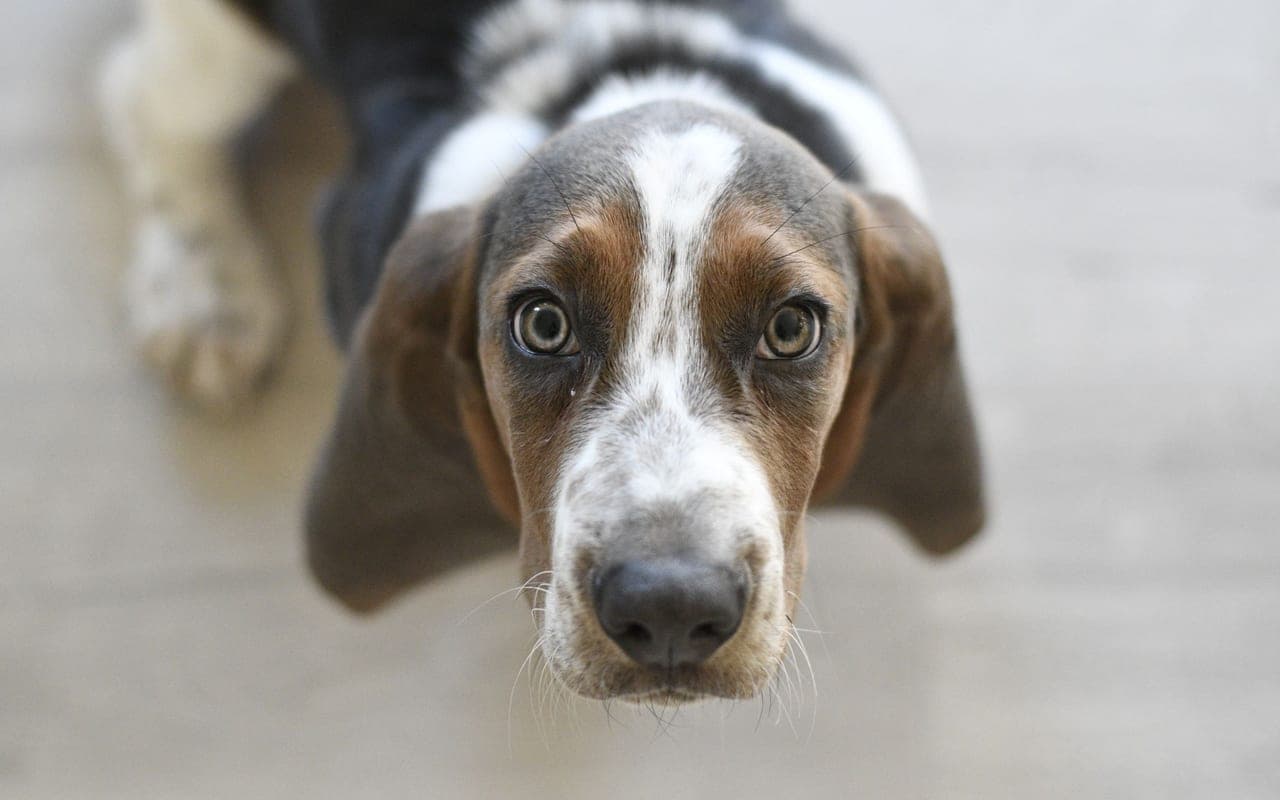
Basset Hound
Also in the Hound group, with different care and temperament tradeoffs.
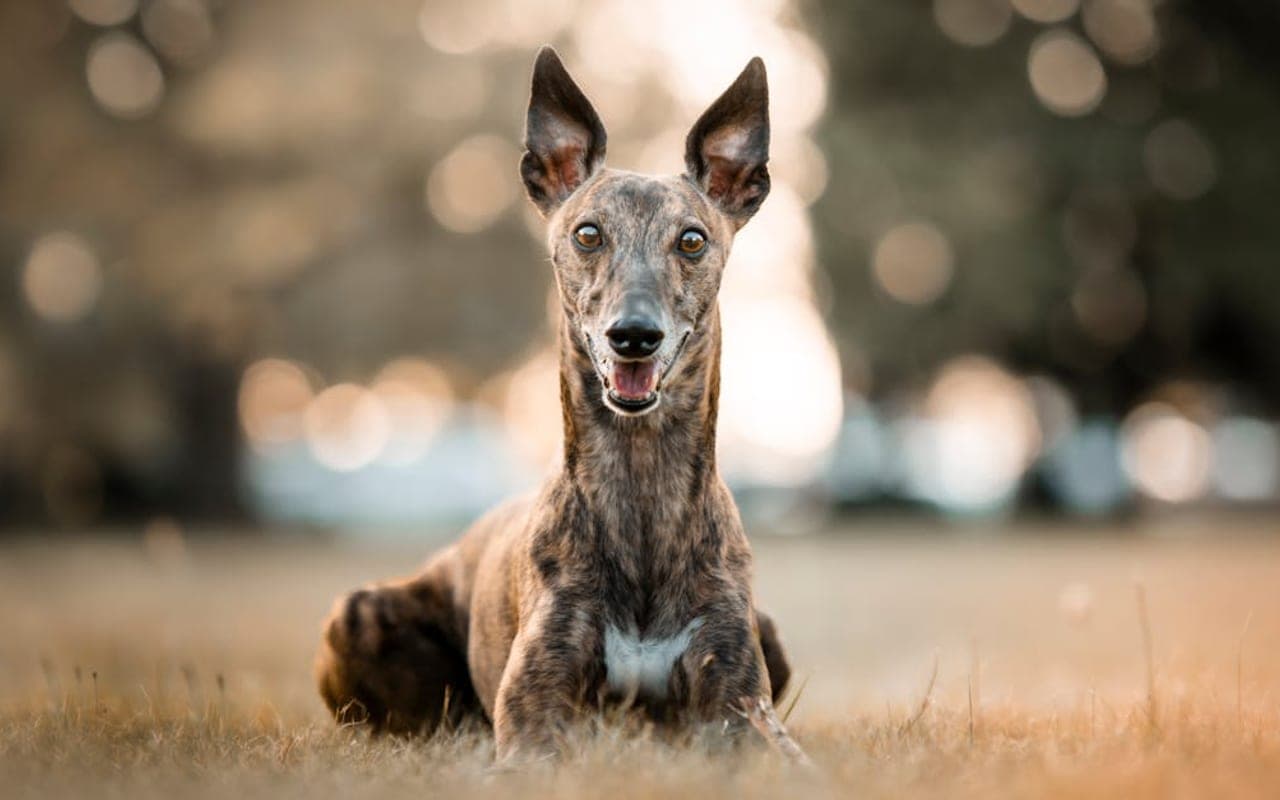
Greyhound
Also in the Hound group, with different care and temperament tradeoffs.
Explore More About Rhodesian Ridgeback
Dive deeper into everything Rhodesian Ridgeback — costs, care, and expert insights.
Considering a cat instead?
Browse Cats