
Foundation Stock Service group
Romanian Carpathian Shepherd
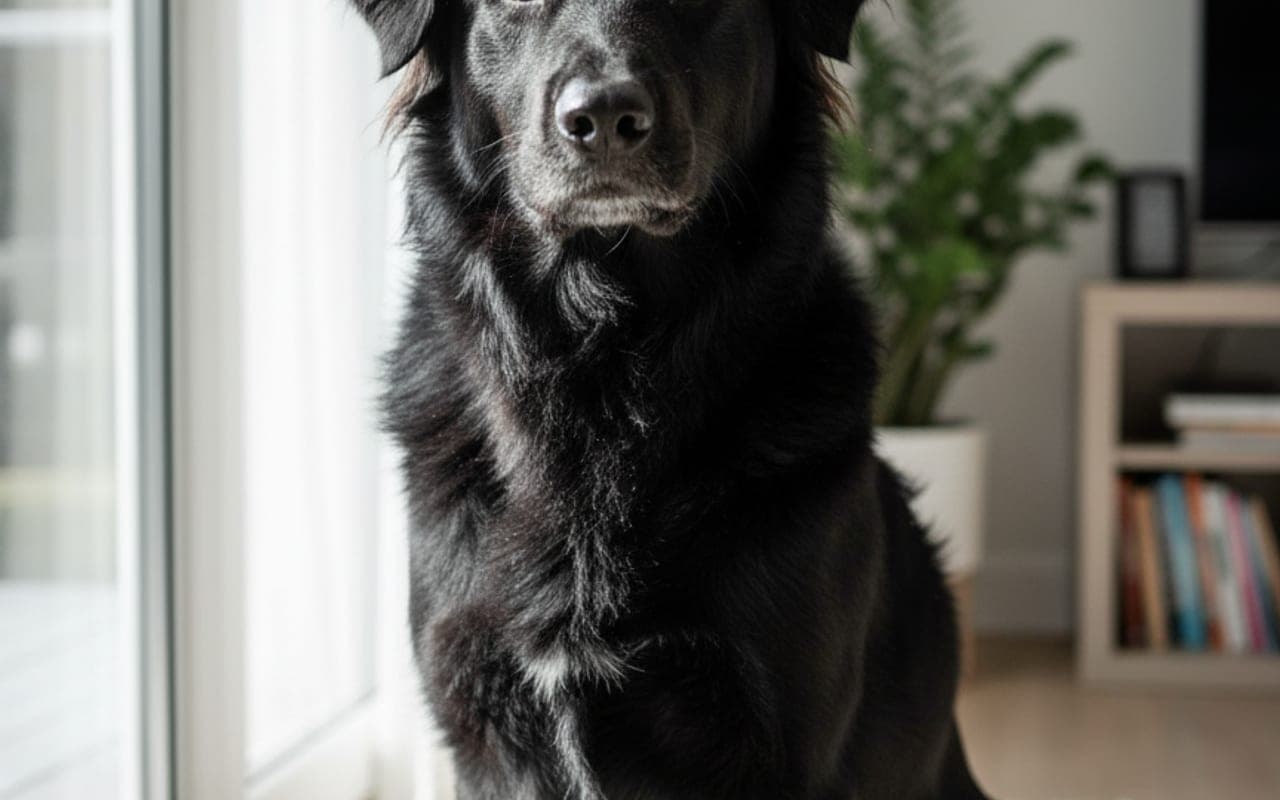
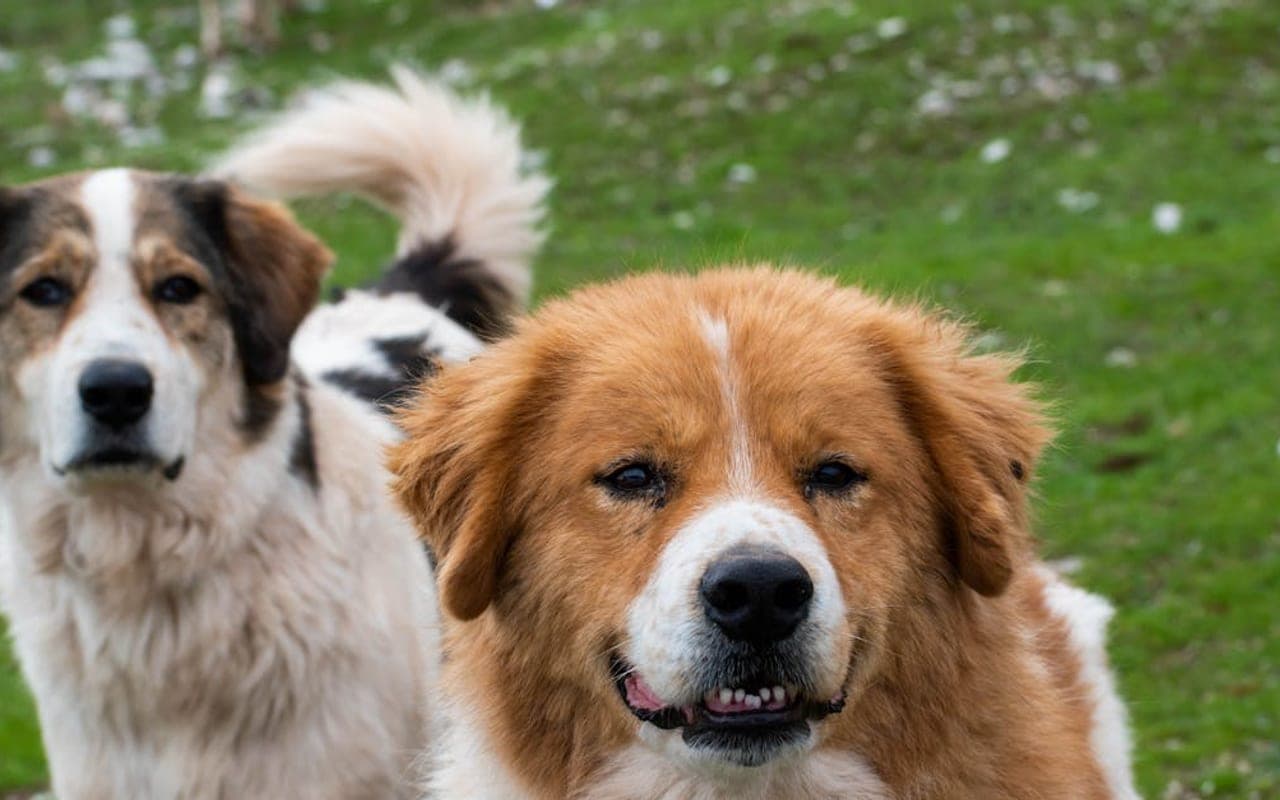
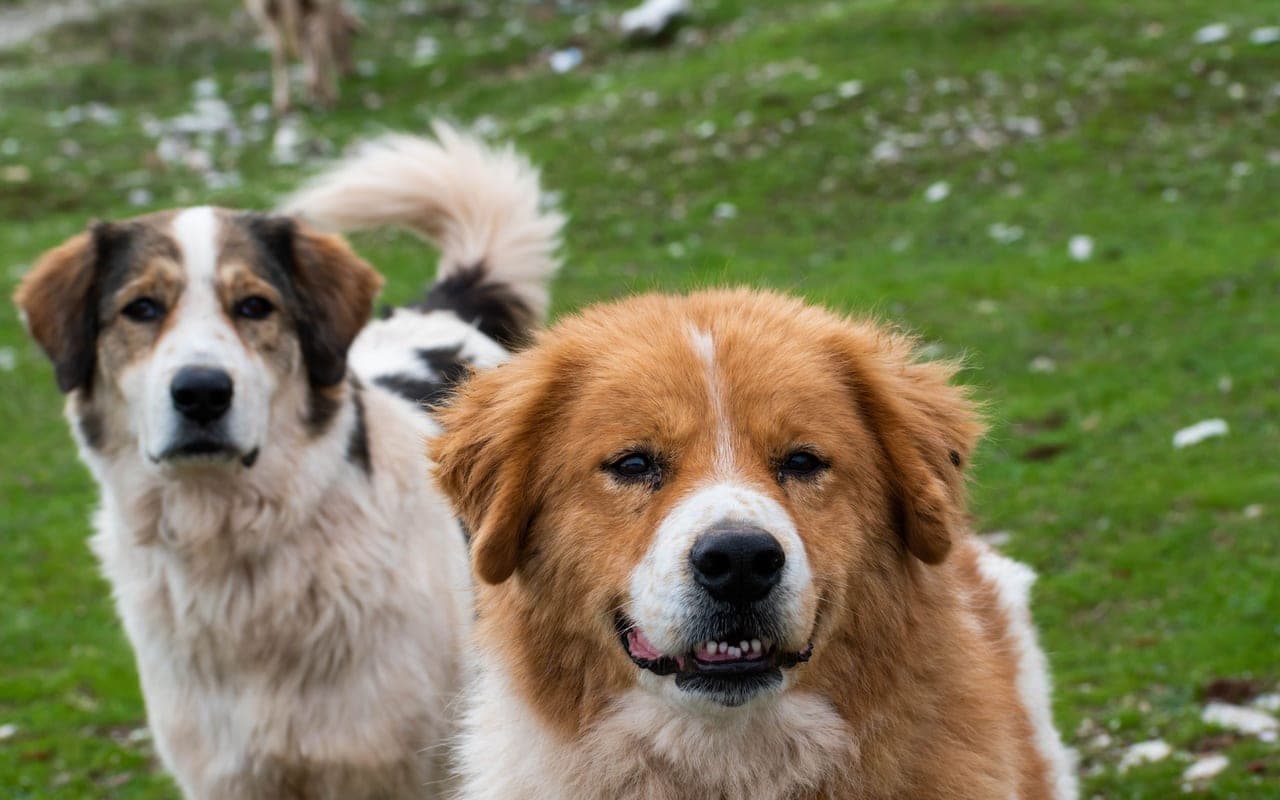
The Romanian Carpathian Shepherd (Ciobanesc Românesc Carpatin) is a true livestock guardian dog — a large, weatherproof flock protector bred in the Carpathian Mountains to face wolves and bears, not to be a family pet first.
Size
71-99 lb
Lifespan
12-14 years
Exercise
30-60 minutes
Shedding
Moderate
Experience
Match to owner routine
Decision first
Is a Romanian Carpathian Shepherd right for you?
Start with fit before history or trivia. These are ownership signals, not guarantees about any individual dog.
Best suited for
- Households with children.
- Homes with other compatible pets.
- Owners seeking a manageable daily exercise routine.
Think carefully if
- You need a dog with almost no daily routine.
- You cannot keep up with grooming and preventive care.
- The dog will spend most days alone without support.
Conditional fit
Apartment living may be difficult unless the owner can meet the breed's exercise, training, and space needs.
Daily reality
Romanian Carpathian Shepherd commitment snapshot
Daily exercise
30-60 minutes
Match activity to age, health, weather, and training goals.
Coat care
Moderate
Grooming needs vary by coat, shedding, and lifestyle.
Time alone
Needs planning
Most dogs need gradual alone-time conditioning and support.
Structured facts
Romanian Carpathian Shepherd at a glance
The measurements and traits that most affect day-to-day life with this breed.
Group
Foundation Stock Service
Weight
71-99 lb
Height
23-29 in
Lifespan
12-14 years
View all characteristics and methodology
Lifestyle fit
- Apartment suitability
- Needs caution
- Child friendliness
- Often good, with socialisation and supervision
- Other-pet fit
- Often compatible with careful introductions
Owner commitment
- Exercise
- 30-60 minutes
- Grooming
- Moderate
- Shedding
- Moderate
Environment and health
- Health risk
- Needs planning
Ratings combine structured breed data, visible breed fields, and editorial context. They are planning aids, not predictions for an individual dog.
Daily life
Romanian Carpathian Shepherd temperament and behavior
The Romanian Carpathian Shepherd (Ciobanesc Românesc Carpatin) is a true livestock guardian dog — a large, weatherproof flock protector bred in the Carpathian Mountains to face wolves and bears, not to be a family pet first. Males stand around 25-29 inches and run roughly 100-145 pounds; this is a serious working dog, and the prep-sheet weight figures understate it. The coat is a thick, harsh wolf-grey double coat built for living outdoors in alpine winters. Understanding the job is the whole point. This breed was developed to live with a flock, think independently, and make its own decisions about threats without a handler standing next to it. That produces a dog that is calm and steady with its family and territory, but naturally suspicious of strangers, strongly territorial, and independent rather than obedient. It is not aggressive without cause, but it will guard, and it will decide for itself what counts as a threat unless carefully managed and socialized. This is not a beginner's dog. A Carpathian Shepherd needs a securely fenced property (not an apartment, not a small yard), early and continuous socialization, a confident owner who understands guardian breeds, and ideally an actual job — livestock or property to watch. Without space, leadership, and a purpose, the independence curdles into stubbornness and unwanted territorial behavior. Who it is right for: rural owners with land, livestock or a property to protect, experience with large independent breeds, and realistic expectations about a dog that guards by instinct. Who it is wrong for: city dwellers, first-time owners, anyone wanting an obedient off-leash companion, or anyone who cannot contain and socialize a 100-plus-pound protective dog. Choose this breed for what it is, not for how it looks.
Owner note
Temperament labels are starting points, not guarantees. Meet the individual dog and ask about behavior history whenever possible.
Care essentials
How to care for a Romanian Carpathian Shepherd
What looking after one actually involves: exercise, grooming, food, training, and routine health.
NutritionAs needed
- Feed high-quality dog food appropriate for age and size.
Health planning
Romanian Carpathian Shepherd health risks and screening
Every breed has individual health variation. Use this profile for planning and discuss medical decisions with a veterinarian.
Responsible ownership
Finding a Romanian Carpathian Shepherd responsibly
What to ask a breeder or rescue is the same conversation for every breed, so we keep it in one place and keep it current.
Health documentation, meeting the parents or foster, contracts and return support, and the warning signs worth walking away from.
Original purpose
Romanian Carpathian Shepherd history
History is useful when it explains today's behavior, coat, exercise needs, and training style.
Read the breed history
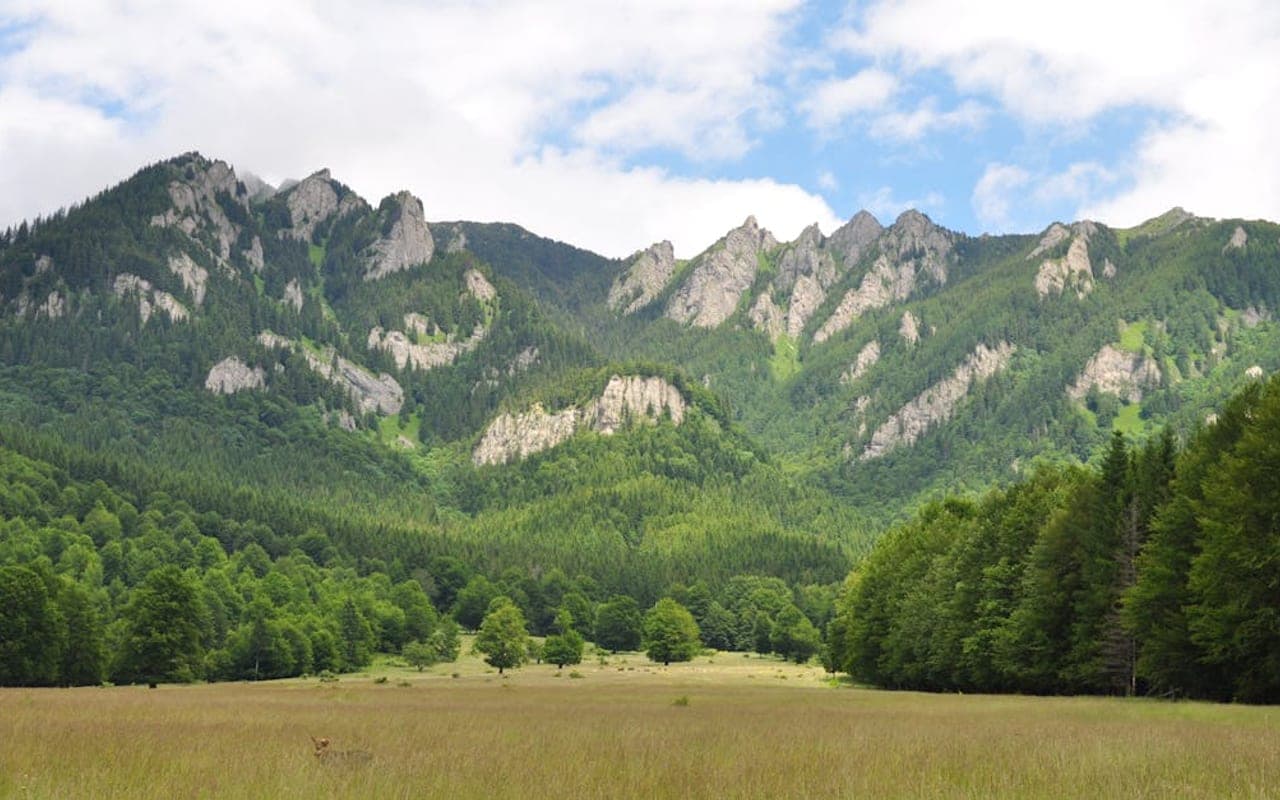
The Romanian Carpathian Shepherd (Ciobanesc Românesc Carpatin) developed over centuries in the Carpathian Mountains of Romania as a livestock guardian for shepherds moving large flocks of sheep through wolf and bear country. Its function was specific and demanding: live alongside the flock, often without close human direction, and independently confront large predators to protect the animals. That working reality — not a show ring or a companion role — shaped every trait the breed has, from its weatherproof coat and substantial size to its independent decision-making and deep territorial drive. It is one of several Romanian shepherd breeds (alongside the Mioritic and Bucovina), distinguished by its wolf-grey coloring and mountain-guardian role. The breed standard was formalized in Romania in the 20th century and is recognized by the FCI, though it remains rare outside its homeland and the wider working-guardian community. Its history as an autonomous predator-deterrent dog explains why modern owners must provide space, leadership, and socialization rather than expect a biddable companion.
Gallery
Romanian Carpathian Shepherd photos
Images are cropped consistently and loaded progressively to keep the page responsive.
Lower-page context
Romanian Carpathian Shepherds in culture
Where the breed shows up in film, sport, work and folklore — the enjoyable part, once the practical questions are answered.
Fun facts
- With proper care, this breed can live 12 to 14 years.
Romanian Carpathian Shepherd FAQs
How long do Romanian Carpathian Shepherds live?
A healthy Carpathian Shepherd typically lives 12 to 14 years, which is solid longevity for a dog of this size. Large guardian breeds generally have shorter lifespans than small dogs, so this is on the better end. What most affects an individual's lifespan is orthopedic disease (hip and elbow dysplasia worsened by excess weight) and the acute risk of bloat. Keeping the dog lean and knowing the signs of bloat are the two biggest levers an owner controls.
Is the Romanian Carpathian Shepherd a good family dog?
It can be devoted and steady with its own family, but it is a livestock guardian first, not a companion breed. It is naturally suspicious of strangers, strongly territorial, and independent. With early, continuous socialization and an experienced owner it can live well with a family on a property; without that it becomes territorially problematic. It is not suited to homes with constant visitors, small children it doesn't know, or owners expecting an easygoing pet. Match the breed to a rural, guardian-appropriate lifestyle.
Do Romanian Carpathian Shepherds need a lot of space?
Yes — this is a fundamental requirement, not a preference. The breed was developed to patrol territory and guard flocks across mountain terrain, and it needs a securely fenced rural or large property to do something resembling its natural job. It is genuinely unsuited to apartments or small urban yards; confining a large territorial guardian to tight space produces stress, stubbornness, and unwanted behavior. If you cannot provide secure land, this is the wrong breed for your situation.
Are Romanian Carpathian Shepherds easy to train?
Not in the conventional obedience sense. This breed was bred to make independent decisions about threats without a handler, so it is intelligent but autonomous rather than eager to obey. It responds to a calm, confident, consistent owner using reward-based methods and early socialization; it resists harsh dominance handling. Expect a dog that cooperates within a trusted relationship, not one that performs reliable off-leash obedience. First-time owners typically underestimate how much leadership and patience this independence demands.
What is the biggest health emergency to watch for?
Bloat (gastric dilatation-volvulus). As a large, deep-chested breed, the Carpathian Shepherd can have its stomach distend and twist, which is fatal within hours without emergency surgery. Warning signs are unproductive retching, a swollen hard abdomen, restlessness, and distress — this is a same-hour emergency-vet situation, not a wait-and-see. Reduce risk by feeding two or more smaller meals daily and avoiding hard exercise right after eating. Every owner of this breed should know these signs before bringing one home.
How much grooming does a Romanian Carpathian Shepherd need?
Moderate and predictable. The thick wolf-grey double coat needs about a 15-minute brush once a week to manage dead hair and prevent matting. Twice a year it sheds heavily ('blows coat'), and during those 2-3 week periods daily brushing keeps the volume of loose hair manageable. It does not need trimming or professional grooming. Routine nail, ear, and dental care round out maintenance — but coat care is one of the easier aspects of owning this otherwise demanding breed.
Sources
These are the published sources this page draws on. Each opens in a new tab so you can check it yourself.
American Kennel Club
Romanian Carpathian Shepherd — breed standard and profile(opens in a new tab)Supports: Breed standard and recognition details.
Similar breeds to consider
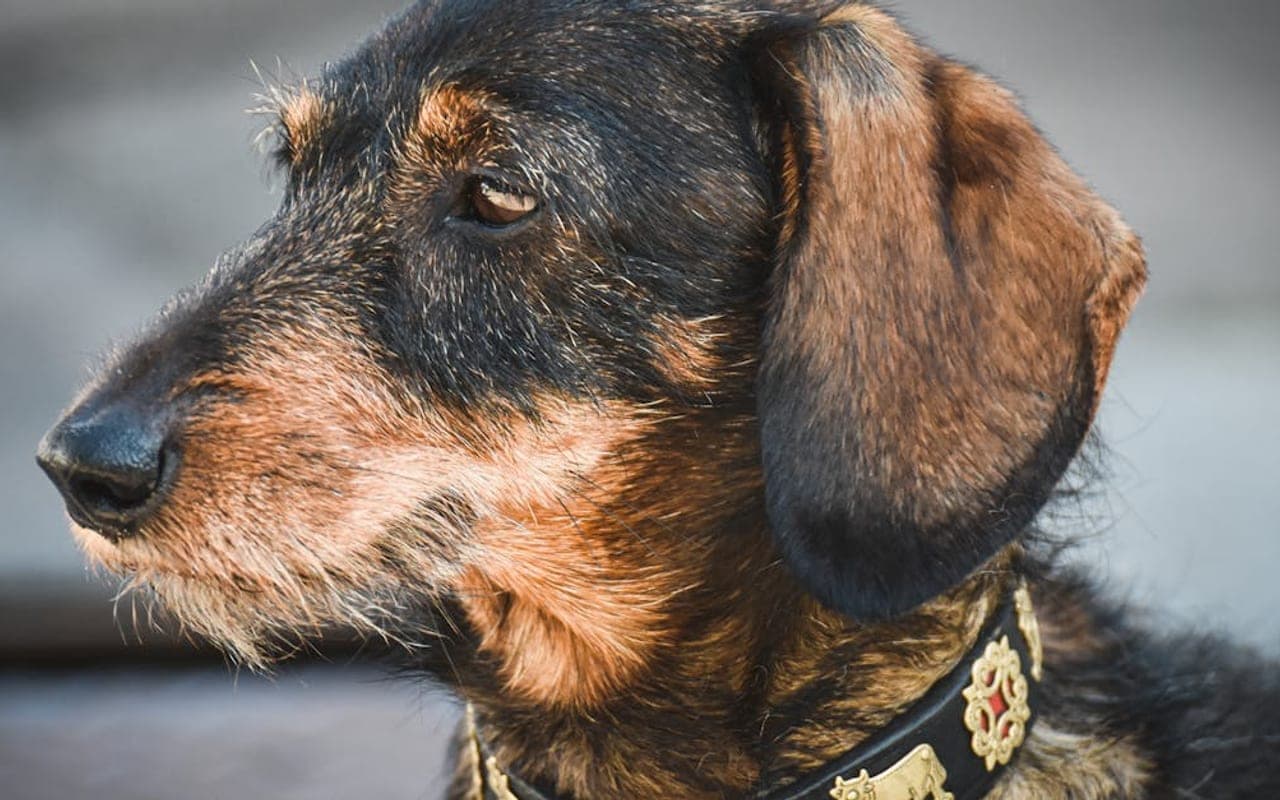
Jagdterrier
Also in the Foundation Stock Service group, with different care and temperament tradeoffs.
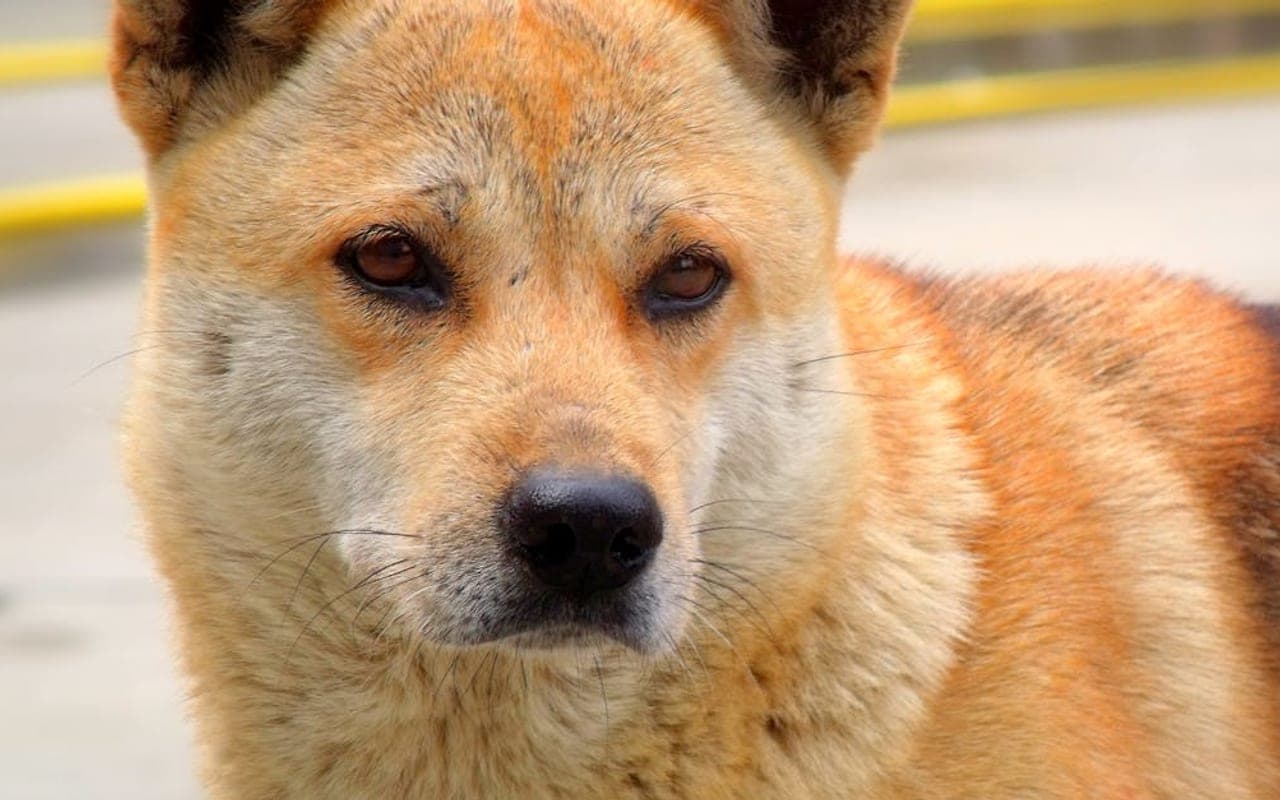
Jindo
Also in the Foundation Stock Service group, with different care and temperament tradeoffs.
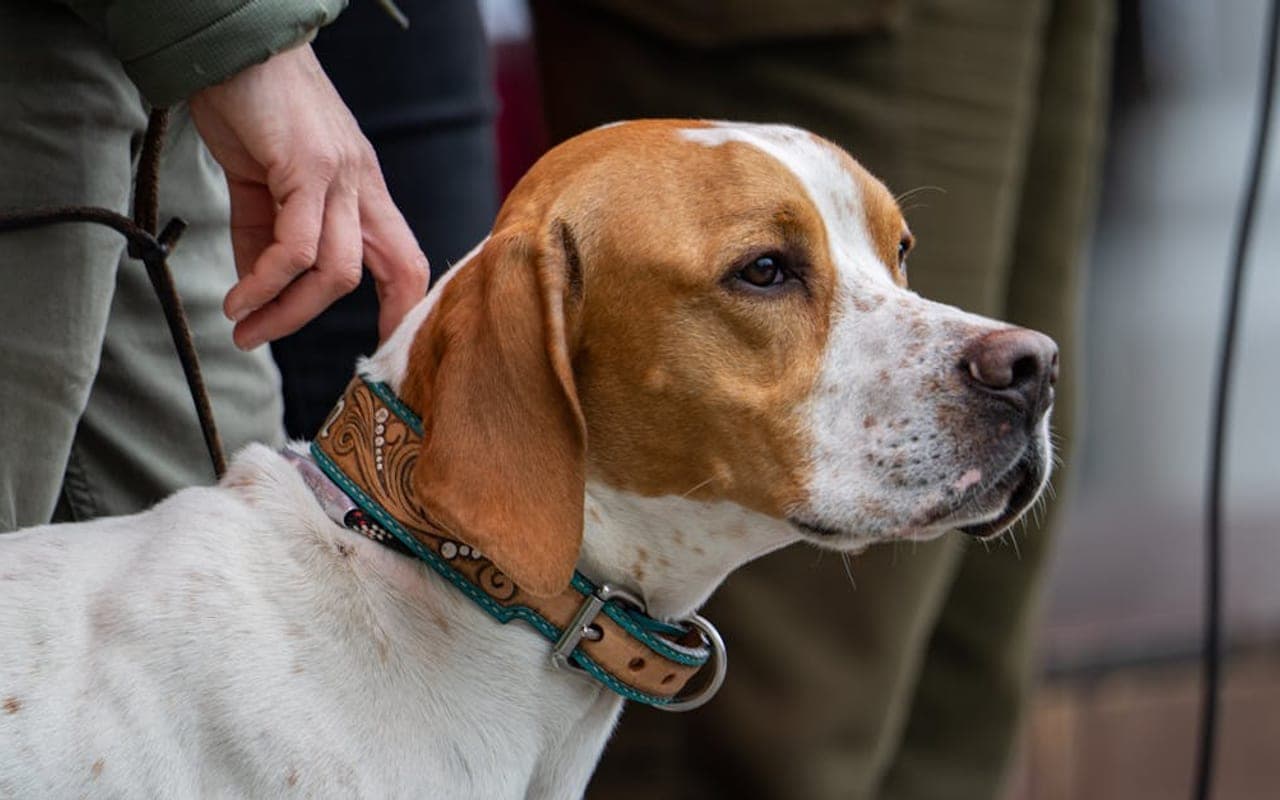
Portuguese Pointer
Also in the Foundation Stock Service group, with different care and temperament tradeoffs.
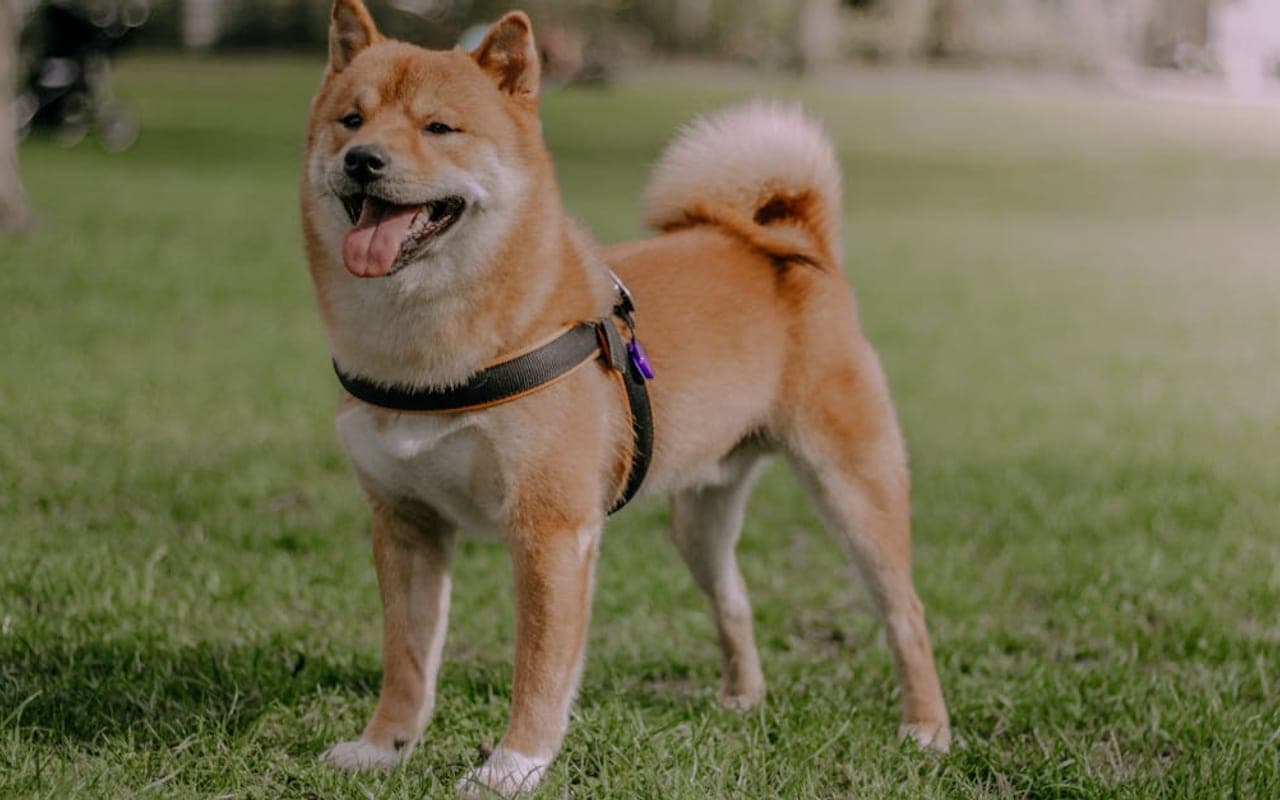
Kishu Ken
Also in the Foundation Stock Service group, with different care and temperament tradeoffs.
Explore More About Romanian Carpathian Shepherd
Dive deeper into everything Romanian Carpathian Shepherd — costs, care, and expert insights.
Considering a cat instead?
Browse Cats