
Toy group
Russian Tsvetnaya Bolonka
The Russian Tsvetnaya Bolonka is a rare, very small Bichon-type companion dog — the name translates roughly as 'Russian colored lapdog' — and it is best understood as a curly-coated toy bred for one purpose: being a clever, affectionate, intensely bonded house companion.
Size
4-11 lb
Lifespan
12-16 years
Exercise
30-60 minutes
Shedding
Moderate
Experience
Match to owner routine
Decision first
Is a Russian Tsvetnaya Bolonka right for you?
Start with fit before history or trivia. These are ownership signals, not guarantees about any individual dog.
Best suited for
- Households with children.
- Homes with other compatible pets.
- Apartment homes with a consistent routine.
- Owners seeking a manageable daily exercise routine.
Think carefully if
- You need a dog with almost no daily routine.
- You cannot keep up with grooming and preventive care.
- The dog will spend most days alone without support.
Conditional fit
Apartment fit depends on exercise, enrichment, noise management, and outdoor access.
Daily reality
Russian Tsvetnaya Bolonka commitment snapshot
Daily exercise
30-60 minutes
Match activity to age, health, weather, and training goals.
Coat care
Moderate
Grooming needs vary by coat, shedding, and lifestyle.
Time alone
Needs planning
Most dogs need gradual alone-time conditioning and support.
Structured facts
Russian Tsvetnaya Bolonka at a glance
The measurements and traits that most affect day-to-day life with this breed.
Group
Toy
Weight
4-11 lb
Height
8-10 in
Lifespan
12-16 years
Temperament
Playful | Charming | Inquisitive
View all characteristics and methodology
Lifestyle fit
- Apartment suitability
- Likely fit
- Child friendliness
- Often good, with socialisation and supervision
- Other-pet fit
- Often compatible with careful introductions
Owner commitment
- Exercise
- 30-60 minutes
- Grooming
- Moderate
- Shedding
- Moderate
- Training
- Moderate
Environment and health
- Health risk
- Needs planning
Ratings combine structured breed data, visible breed fields, and editorial context. They are planning aids, not predictions for an individual dog.
Daily life
Russian Tsvetnaya Bolonka temperament and behavior
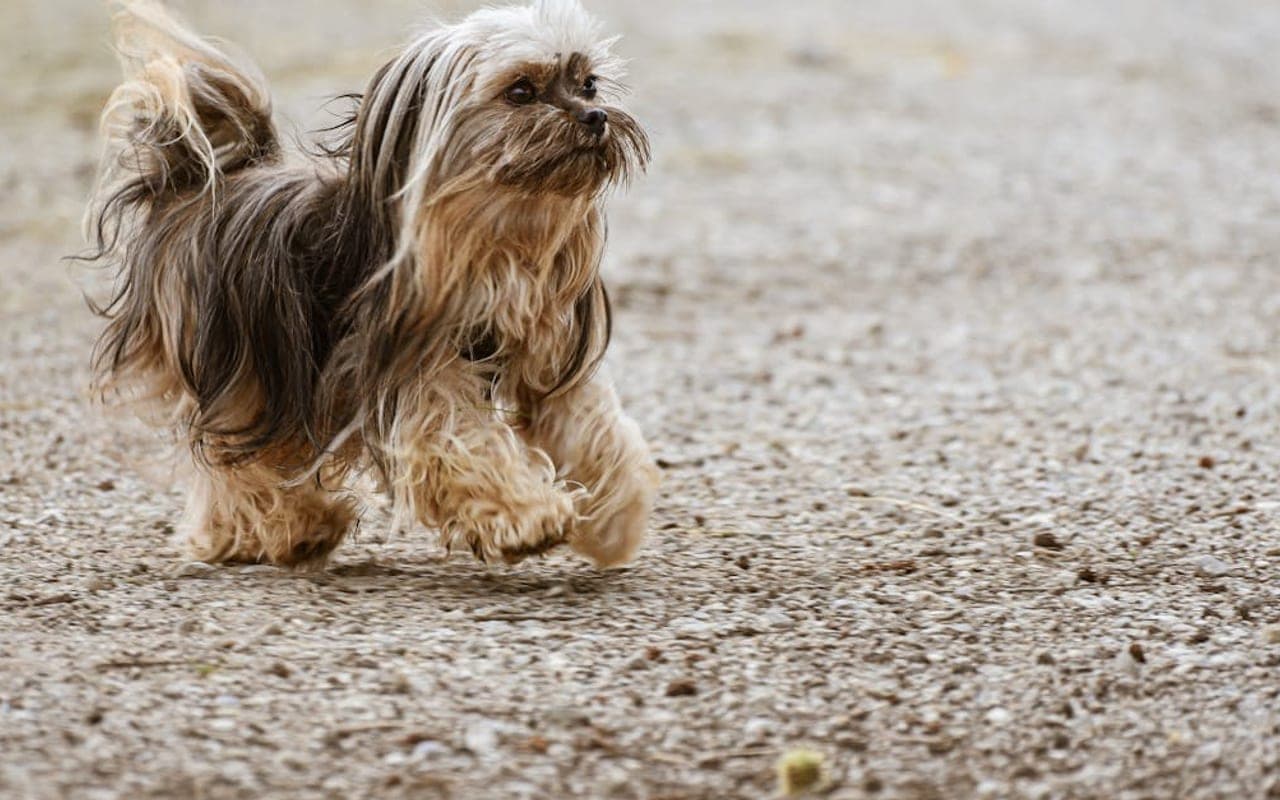
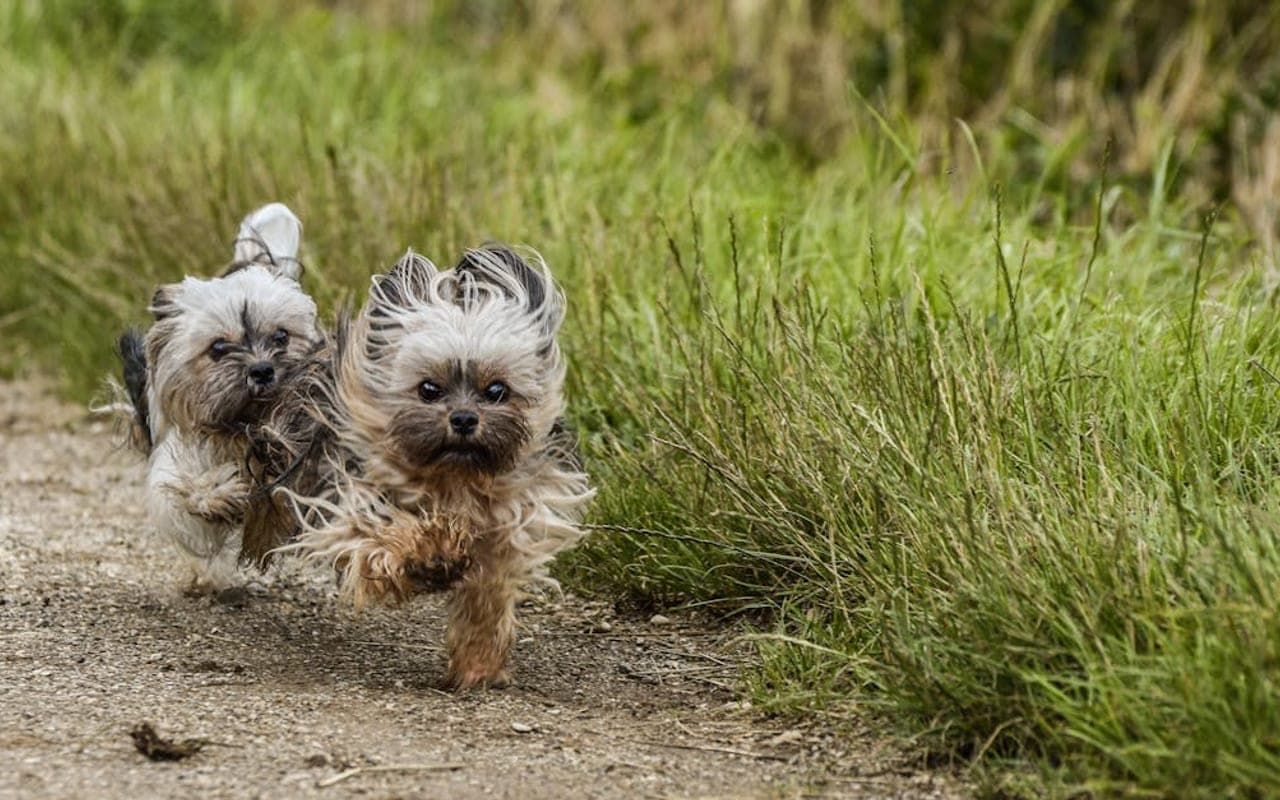
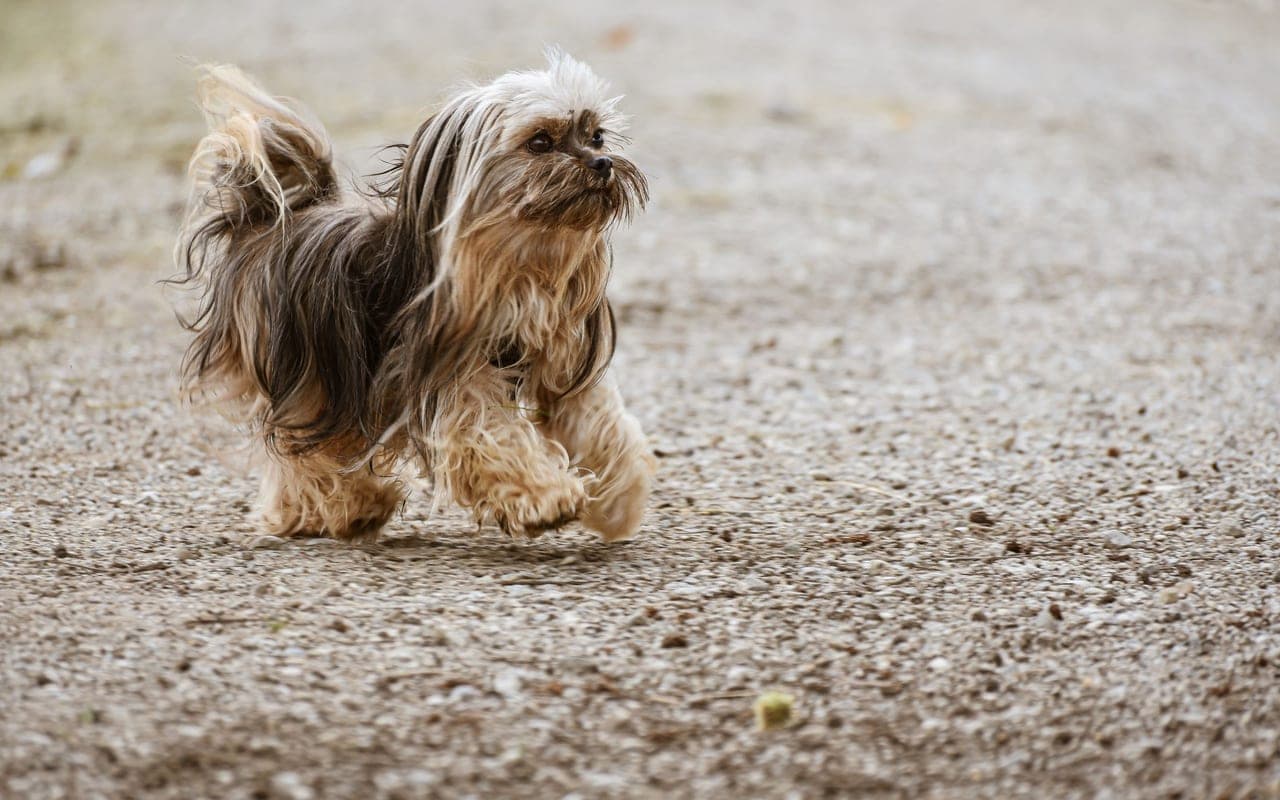
The Russian Tsvetnaya Bolonka is a rare, very small Bichon-type companion dog — the name translates roughly as 'Russian colored lapdog' — and it is best understood as a curly-coated toy bred for one purpose: being a clever, affectionate, intensely bonded house companion. Expect a dog under about 12 inches tall and typically two to five pounds, with a soft wavy or curly double coat that comes in colors (the 'tsvetnaya' / colored part is the point — unlike its all-white Bichon relatives). This is a companion breed in the literal sense. Bolonki are clever, inquisitive, playful, and devoted to their family, often to the point of velcro attachment. They train readily for a toy breed because they are smart and people-pleasing, and they generally do well in apartments because their exercise needs are modest. They are also rare in the West, recognized through the FCI and the Russian Kynological Federation and tracked by the AKC's Foundation Stock Service rather than being a common, easily-sourced breed. The practical trade-offs are coat and companionship. The wavy double coat needs real, regular grooming or it mats, and the breed's deep bonding means a Bolonka left alone all day is prone to anxiety. Conversely, the breed is reported to be relatively healthy with a long lifespan when responsibly bred — a genuine strength worth stating honestly rather than padding a risk list. Who the Russian Tsvetnaya Bolonka is right for: an owner who wants a small, clever, deeply affectionate companion, is home often or can avoid long daily absences, and will commit to several grooming sessions a week. Who it is wrong for: someone wanting a wash-and-go coat, an independent dog, or a breed they can find quickly and cheaply — patience in sourcing from a screening breeder is part of the deal.
Playful | Charming | Inquisitive
Playful
A common Russian Tsvetnaya Bolonka temperament descriptor that should be interpreted alongside training, exercise, and household fit.
Charming
A common Russian Tsvetnaya Bolonka temperament descriptor that should be interpreted alongside training, exercise, and household fit.
Inquisitive
A common Russian Tsvetnaya Bolonka temperament descriptor that should be interpreted alongside training, exercise, and household fit.
Owner note
Temperament labels are starting points, not guarantees. Meet the individual dog and ask about behavior history whenever possible.
Care essentials
How to care for a Russian Tsvetnaya Bolonka
What looking after one actually involves: exercise, grooming, food, training, and routine health.
ExerciseAs needed
- Moderately active breed needing 30-60 minutes of daily exercise.
GroomingAs needed
- Brush 2-3 times per week.
TrainingAs needed
- Consistent, patient training works best.
NutritionAs needed
- Feed high-quality dog food appropriate for age, size, and activity level.
Veterinary CareAs needed
- Annual wellness exams, vaccinations, dental care, and parasite prevention.
Health planning
Russian Tsvetnaya Bolonka health risks and screening
Every breed has individual health variation. Use this profile for planning and discuss medical decisions with a veterinarian.
Responsible ownership
Finding a Russian Tsvetnaya Bolonka responsibly
What to ask a breeder or rescue is the same conversation for every breed, so we keep it in one place and keep it current.
Health documentation, meeting the parents or foster, contracts and return support, and the warning signs worth walking away from.
Original purpose
Russian Tsvetnaya Bolonka history
History is useful when it explains today's behavior, coat, exercise needs, and training style.
Read the breed history
The Russian Tsvetnaya Bolonka traces to small Bichon-type dogs brought into Russia by European travelers, with the breed's development generally placed from around the 18th century onward. It was bred down as a small, colored companion lapdog and became known under several regional names — Bolonka Zwetna or Deutscher Bolonka in Germany, and Barevny Bolonsky Psik in the Czech Republic. The breed nearly disappeared, with its surviving numbers reduced to a very small population before dedicated breeders reconstructed it, which is why the modern gene pool is narrow and careful, health-screened breeding matters. Today the Russian Tsvetnaya Bolonka is recognized internationally by the World Canine Organization (FCI) and the Russian Kynological Federation (RKF), and in the United States it is tracked through the American Kennel Club's Foundation Stock Service rather than holding full AKC recognition. Its rarity outside Russia and Eastern Europe means waiting lists are normal and reputable, screening breeders are limited — a sourcing reality prospective owners should plan around rather than rush past.
Gallery
Russian Tsvetnaya Bolonka photos
Images are cropped consistently and loaded progressively to keep the page responsive.
Lower-page context
Russian Tsvetnaya Bolonkas in culture
Where the breed shows up in film, sport, work and folklore — the enjoyable part, once the practical questions are answered.
Fun facts
- The Russian Tsvetnaya Bolonka belongs to the Foundation Stock Service.
- The average lifespan of a Russian Tsvetnaya Bolonka is 12 to 16 years.
- Russian Tsvetnaya Bolonka dogs are valued for their playful, charming, inquisitive nature.
Russian Tsvetnaya Bolonka FAQs
How long do Russian Tsvetnaya Bolonkas live?
Reported lifespans for the breed are long, generally in the range of 12-16 years and sometimes longer with good care — a genuine strength of the breed worth stating plainly rather than burying under a generic risk list. The factors that actually move that range are manageable: keeping the small frame lean to protect the knees, staying on top of dental disease, and buying from a breeder who screens for the inherited eye conditions. A well-bred, lean, well-cared-for Bolonka commonly reaches the upper end of that range.
Is the Russian Tsvetnaya Bolonka a healthy breed?
Relatively, yes — and the honest answer is that it is generally robust for a toy breed with a long lifespan, not a dog with a long inherited-disease roster. The real concerns are the toy-breed standards: patellar luxation, dental disease, and the inherited eye conditions (PRA and cataracts) that come with a reconstructed, narrow gene pool. The practical takeaway is that health here is largely set upstream by the breeder's eye and joint screening, plus your weight and dental management — not by managing many active diseases day to day.
How much grooming does a Bolonka need?
More than its small size suggests. The soft, wavy-to-curly double coat — a dense undercoat beneath a longer cascading outer coat — mats if it is not brushed and combed to the skin several times a week, realistically a thorough session every two to three days. Most owners also schedule professional grooming or trimming every 6-10 weeks. This is not a wash-and-go breed; if low coat maintenance is a priority, the Bolonka is the wrong choice. Mats are painful and cause skin infection, so the grooming commitment is welfare, not vanity.
Are Russian Tsvetnaya Bolonkas good with children and apartments?
Yes to apartments and generally yes to children with supervision. The breed's modest exercise needs and small size suit apartment living well, and Bolonki are affectionate and playful with their family. The key caution is physical fragility: at two to five pounds, a Bolonka can be seriously injured by rough handling or a fall from a child's arms, so interactions with young children must be supervised and gentle handling taught. Their deep bonding also means they do best where someone is home often rather than empty all day.
Why is the Russian Tsvetnaya Bolonka so hard to find?
Because the breed is genuinely rare outside Russia and Eastern Europe and was rebuilt from a very small surviving population. In the United States it is tracked through the AKC Foundation Stock Service rather than being a fully recognized, widely bred breed, and reputable breeders who screen for the inherited eye and joint conditions are limited. Expect waiting lists measured in months. Treat that wait as the price of getting a health-screened dog from a responsible breeder, not as a reason to buy from an unscreened or unverified source.
Does the Bolonka have separation anxiety?
It is prone to it, and prospective owners should plan for this. The Russian Tsvetnaya Bolonka was bred purely as a companion and bonds intensely with its family, so a dog routinely left alone all day with no preparation is at real risk of stress, excessive barking, and destructive behavior. The practical management is gradual alone-time conditioning from puppyhood, enrichment when you are out, and honestly assessing your schedule before getting one. If the home is empty long hours every day, this breed's deep attachment makes it a poor match unless that can be addressed.
Sources
These are the published sources this page draws on. Each opens in a new tab so you can check it yourself.
American Kennel Club
Russian Tsvetnaya Bolonka — breed standard and profile(opens in a new tab)Supports: Breed standard and recognition details.
Similar breeds to consider
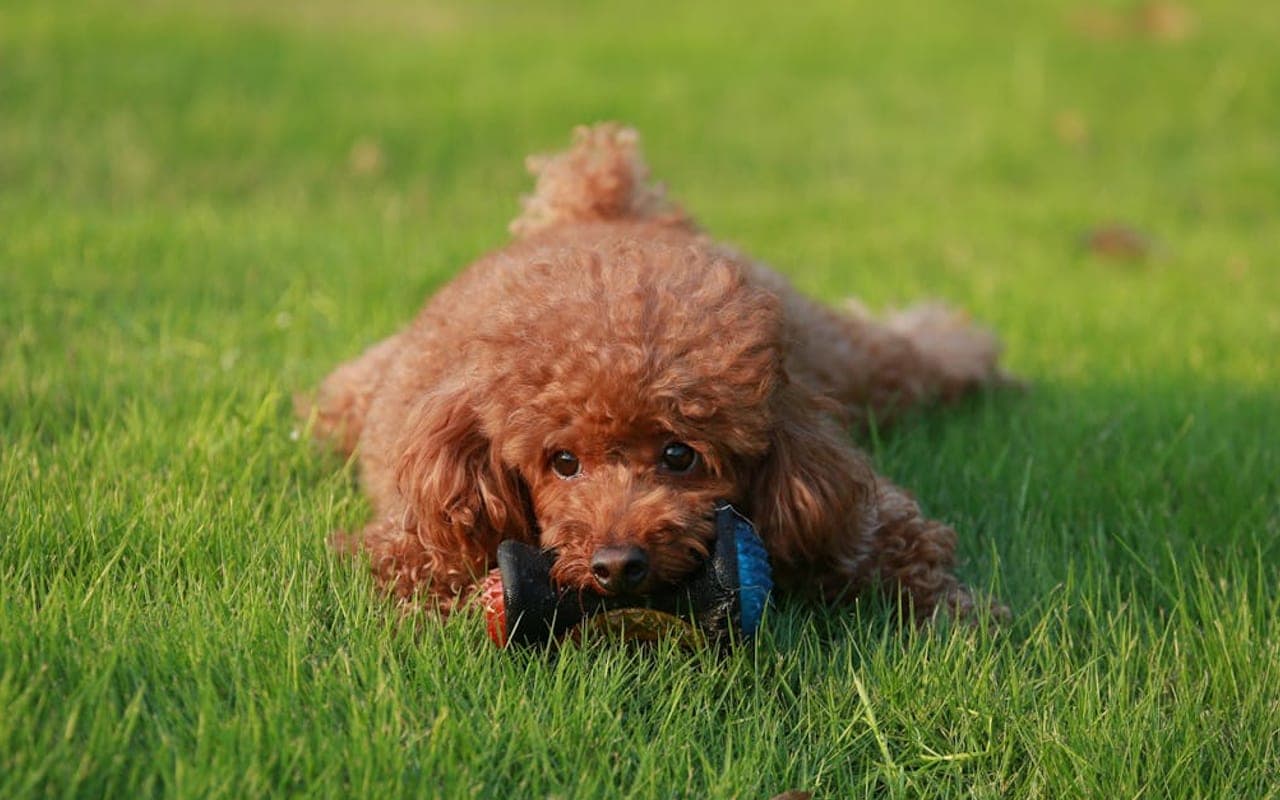
Poodle (Toy)
Also in the Toy group, with different care and temperament tradeoffs.
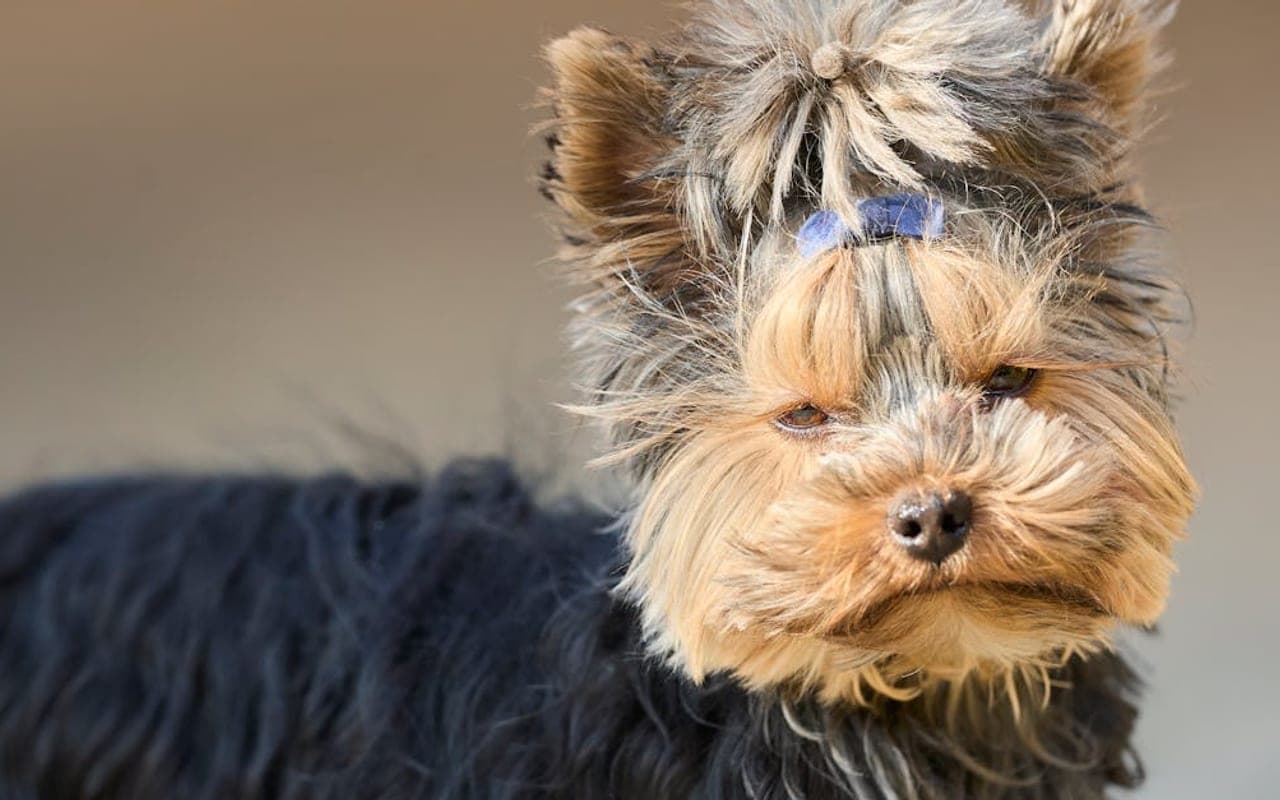
Yorkshire Terrier
Also in the Toy group, with different care and temperament tradeoffs.
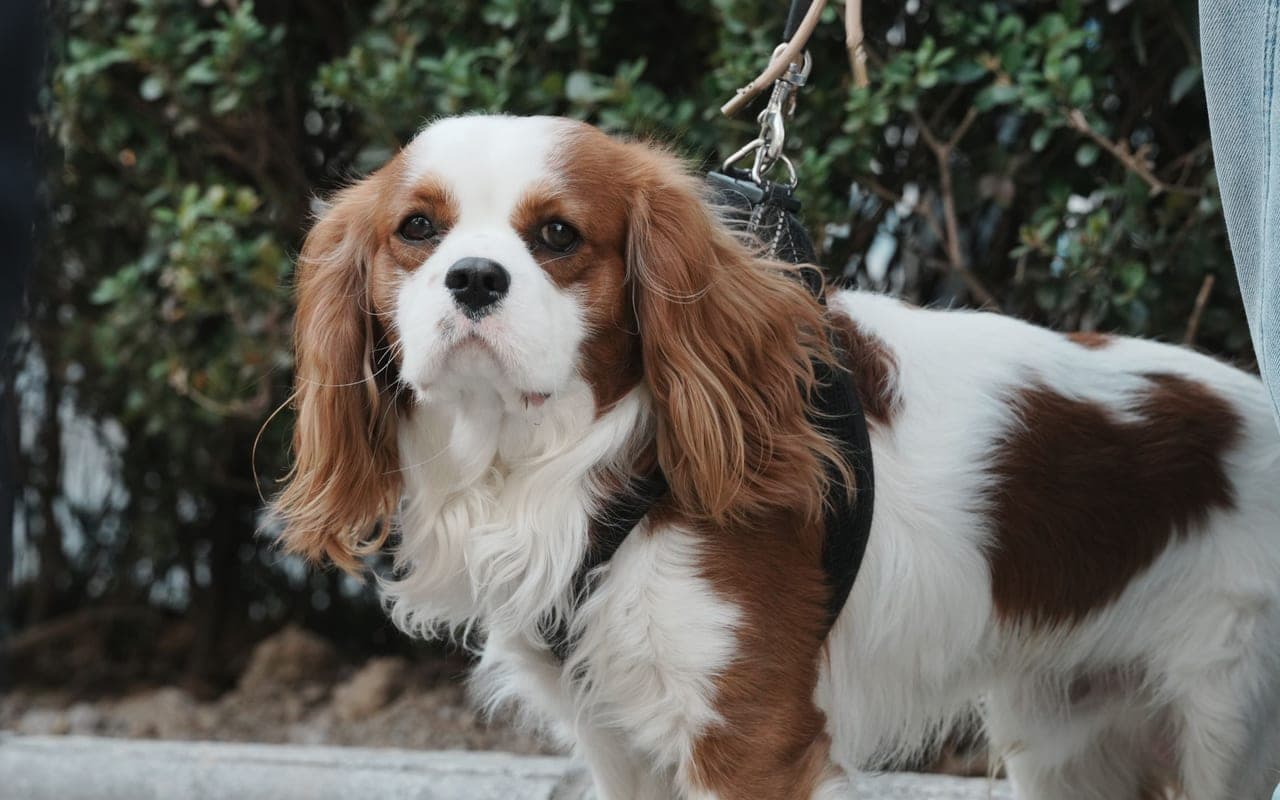
Cavalier King Charles Spaniel
Also in the Toy group, with different care and temperament tradeoffs.
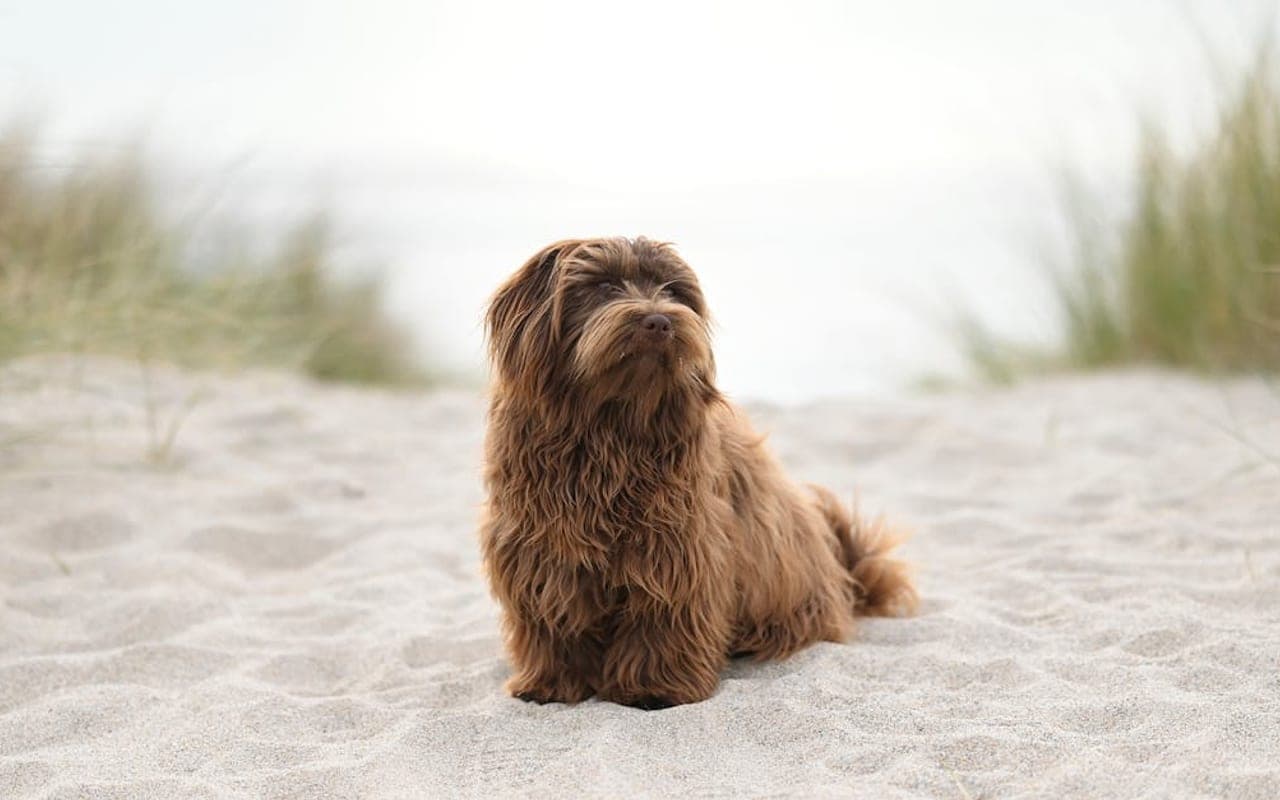
Havanese
Also in the Toy group, with different care and temperament tradeoffs.
Explore More About Russian Tsvetnaya Bolonka
Dive deeper into everything Russian Tsvetnaya Bolonka — costs, care, and expert insights.
Considering a cat instead?
Browse Cats