
Working group
Saint Bernard
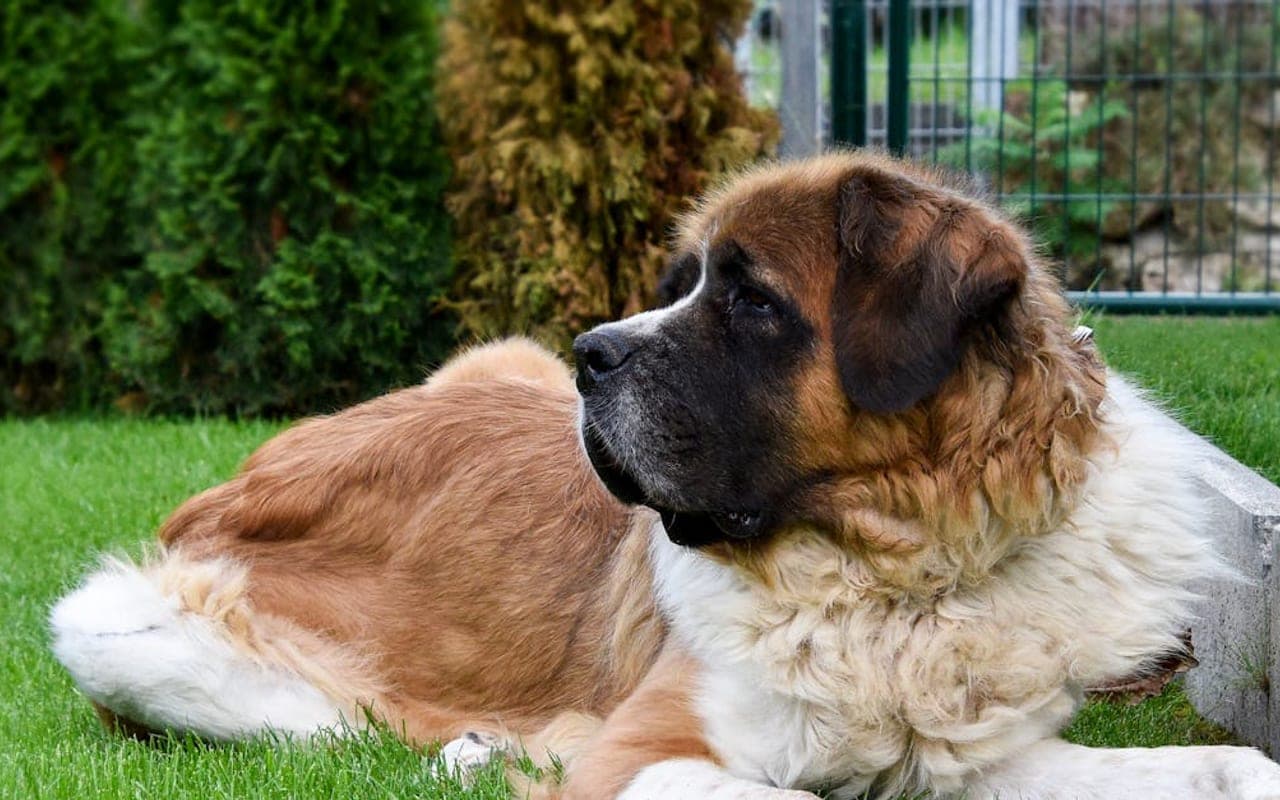
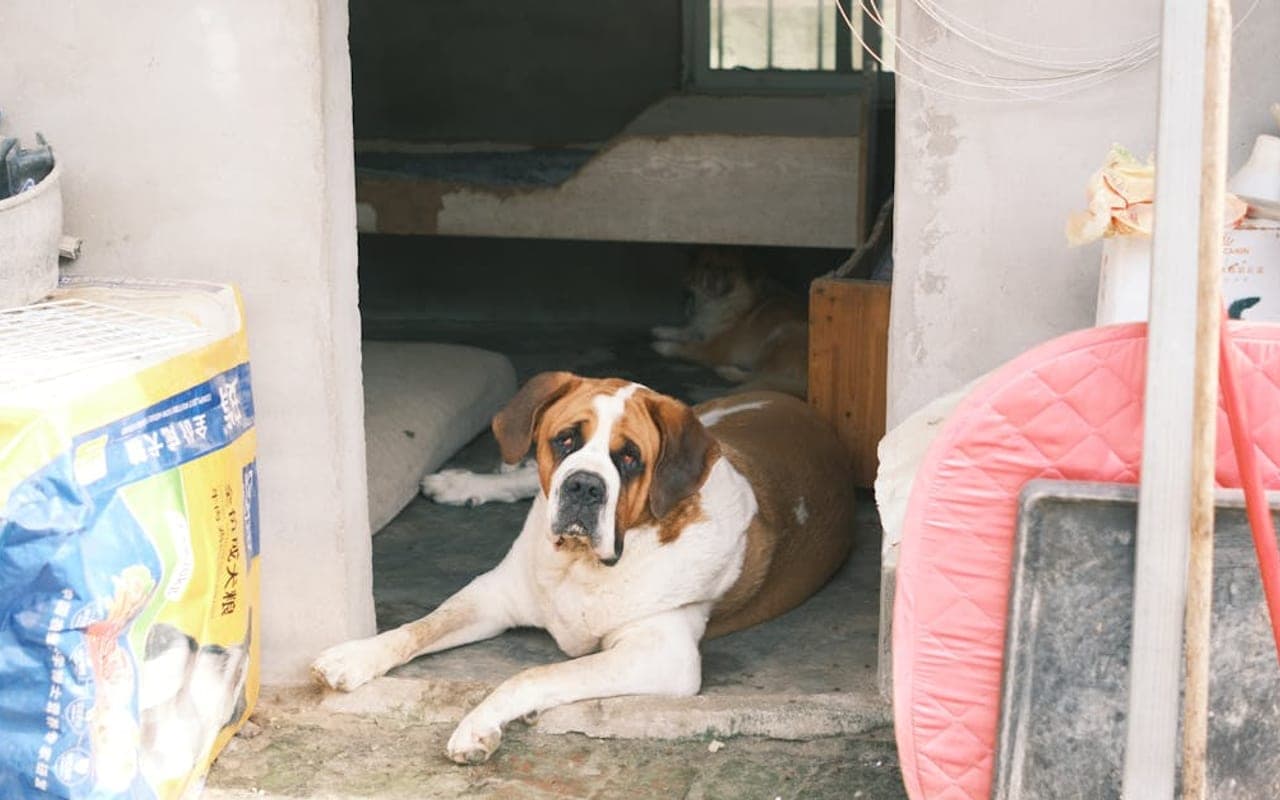
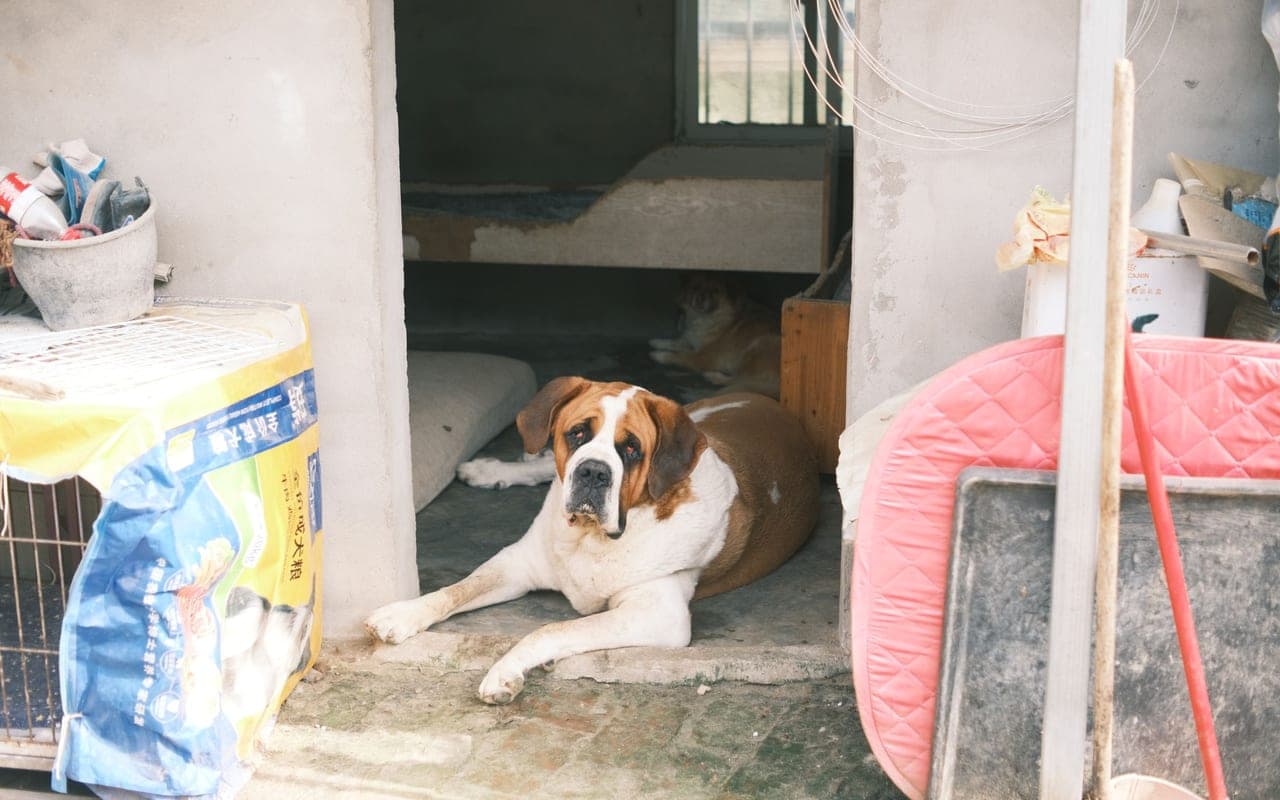
The Saint Bernard is a giant Swiss working breed best known as the avalanche-rescue dog of the Great St.

Size
119-181 lb
Lifespan
8-10 years
Exercise
20-40 minutes
Shedding
High
Experience
Match to owner routine
Decision first
Is a Saint Bernard right for you?
Start with fit before history or trivia. These are ownership signals, not guarantees about any individual dog.
Best suited for
- Households with children.
- Homes with other compatible pets.
- Owners seeking a manageable daily exercise routine.
Think carefully if
- You need a dog with almost no daily routine.
- You want a very low-shedding home.
- The dog will spend most days alone without support.
Conditional fit
Apartment living may be difficult unless the owner can meet the breed's exercise, training, and space needs.
Daily reality
Saint Bernard commitment snapshot
Daily exercise
20-40 minutes
Match activity to age, health, weather, and training goals.
Time alone
Needs planning
Most dogs need gradual alone-time conditioning and support.
Structured facts
Saint Bernard at a glance
The measurements and traits that most affect day-to-day life with this breed.
Origin
Switzerland
Group
Working
Weight
119-181 lb
Height
26-35 in
Lifespan
8-10 years
Temperament
Gentle | Friendly | Calm | Patient | Watchful | Sweet-Tempered
View all characteristics and methodology
Lifestyle fit
- Apartment suitability
- Needs caution
- Child friendliness
- Often good, with socialisation and supervision
- Other-pet fit
- Often compatible with careful introductions
Owner commitment
- Exercise
- 20-40 minutes
- Shedding
- High
- Training
- Moderate
Environment and health
- Health risk
- Needs planning
Ratings combine structured breed data, visible breed fields, and editorial context. They are planning aids, not predictions for an individual dog.
Daily life
Saint Bernard temperament and behavior
The Saint Bernard is a giant Swiss working breed best known as the avalanche-rescue dog of the Great St. Bernard Pass. Adults are enormous: roughly 26-30 inches at the shoulder and commonly 120-180 lb, with some males well above that. There are two coat varieties — smooth and long-haired — both heavy shedders, and the breed's loose jowls mean one thing every honest profile must lead with: this dog drools, a lot, and it sheds year-round. Temperament is the reason people fall for the breed and it largely lives up to it. The Saint Bernard is gentle, patient, calm, and famously good with children — a genuine 'nanny dog' reputation backed by a steady, low-aggression nature. It is affectionate with family, generally friendly toward strangers, and not a high-energy dog; it would rather lie near you than run. That calmness, however, is paired with mass: an untrained Saint Bernard that leans, pulls, or jumps is not a nuisance, it is a physical hazard, so early obedience and socialisation are not optional with a dog this size. The hard truth a buyer must price in is lifespan and health. Giant breeds live short lives — 8-10 years is typical for a Saint Bernard — and the breed carries a heavy load of expensive, serious conditions: hip and elbow dysplasia, bloat (GDV), dilated cardiomyopathy, osteosarcoma, eyelid defects, and heat intolerance. The cost of owning this breed is not the purchase price; it is the food bill, the veterinary bills, and the emotional cost of a giant dog's short clock. Who the Saint Bernard is right for: a family with space, a cool climate, a realistic budget for giant-breed food and vet care, and acceptance of drool, shedding, and a 9-year average life. Who it is wrong for: apartment dwellers, hot climates, tidy households, and anyone who has not honestly costed giant-breed ownership.
Gentle | Friendly | Calm | Patient | Watchful | Sweet-Tempered
Gentle
A common Saint Bernard temperament descriptor that should be interpreted alongside training, exercise, and household fit.
Friendly
A common Saint Bernard temperament descriptor that should be interpreted alongside training, exercise, and household fit.
Calm
A common Saint Bernard temperament descriptor that should be interpreted alongside training, exercise, and household fit.
Patient
A common Saint Bernard temperament descriptor that should be interpreted alongside training, exercise, and household fit.
Owner note
Temperament labels are starting points, not guarantees. Meet the individual dog and ask about behavior history whenever possible.
Care essentials
How to care for a Saint Bernard
What looking after one actually involves: exercise, grooming, food, training, and routine health.
ExerciseAs needed
- Despite their large size, Saint Bernards have moderate exercise needs. Daily walks and some playtime are important, but they don't require extensive exercise. Overexertion should be avoided, especially in puppies whose joints are still developing. Be aware that Saint Bernards do not tolerate heat well, so exercise should be limited during hot weather.
GroomingAs needed
- Saint Bernards have a dense coat that comes in both long and short varieties. Both types shed considerably, especially seasonally. Regular brushing (several times a week) is necessary to manage shedding and prevent matting. They drool significantly, so keeping towels handy is advisable. Regular ear cleaning, nail trimming, and dental care should also be part of their grooming routine.
NutritionAs needed
- Saint Bernards require a high-quality diet formulated for large or giant breeds with proper calcium levels to support healthy growth in puppies. Controlled feeding is important to prevent obesity, which can strain their joints. Consider feeding adult Saint Bernards twice daily rather than free-feeding to help prevent bloat. Fresh water should always be available, as they drink a lot.
Health MonitoringAs needed
- Regular veterinary check-ups are essential for Saint Bernards. The breed is prone to several health issues including hip and elbow dysplasia, bloat, heart conditions, epilepsy, and certain cancers. They are also predisposed to eye problems and bone and joint issues. Early detection and management of these conditions can help improve quality of life.
Health planning
Saint Bernard health risks and screening
Every breed has individual health variation. Use this profile for planning and discuss medical decisions with a veterinarian.
Ownership cost
How much does a Saint Bernard cost?
Cost figures are structured so first-year and lifetime estimates do not conflict with the underlying line items.
| Acquisition | $1,000-$3,000 |
|---|---|
| Routine monthly | About $200/month |
| Routine annual | About $2,400/year |
| First-year estimate | $3,400-$5,400 |
| Lifetime routine estimate | $19,200-$24,000 routine costs |
Currency: USD. Region: United States. Typical ranges for this breed. Equipment, insurance, emergency veterinary care, boarding and training are NOT included: we hold no sourced figures for them, and estimating them would be a guess presented as data.
Responsible ownership
Finding a Saint Bernard responsibly
What to ask a breeder or rescue is the same conversation for every breed, so we keep it in one place and keep it current.
Health documentation, meeting the parents or foster, contracts and return support, and the warning signs worth walking away from.
Original purpose
Saint Bernard history
History is useful when it explains today's behavior, coat, exercise needs, and training style.
Read the breed history
The Saint Bernard takes its name from the Great St. Bernard Hospice, a refuge founded around 1050 by Bernard of Menthon in a treacherous Alpine pass on the Italian-Swiss border. The monks kept large mastiff-type dogs — likely descended from Roman-era molossers — for protection and companionship. Over time the dogs proved extraordinary at locating travellers buried by avalanche snow, leading to the breed's enduring identity as a mountain-rescue dog. The most famous, Barry, is credited with saving dozens of lives in the early 1800s and is memorialised in Paris. The modern Saint Bernard diverged from the leaner hospice dogs in the 19th century, when breeders crossed the original stock with larger breeds to produce the heavier, more massive dog recognised today. That deliberate up-sizing matters for owners: the giant conformation that defines the breed is also the source of its short lifespan and its predisposition to joint disease, heart disease, and bone cancer. The romantic brandy-barrel image, incidentally, was a painter's invention, not history.
Gallery
Saint Bernard photos
Images are cropped consistently and loaded progressively to keep the page responsive.
Lower-page context
Saint Bernards in culture
Where the breed shows up in film, sport, work and folklore — the enjoyable part, once the practical questions are answered.
Fun facts
- The Saint Bernard is named after the Great St. Bernard Hospice, founded by Bernard of Menthon in the 11th century.
- Contrary to popular imagery, Saint Bernards never carried brandy barrels around their necks. This myth was created by an artist named Edwin Landseer in a painting from 1820.
- A Saint Bernard named Benedictine holds the record for the heaviest dog tongue ever, measuring 7.31 inches.
- The breed's incredible sense of smell and directional skills helped them locate travelers buried in snow during avalanches.
- Barry, the most famous rescue Saint Bernard, saved between 40-100 lives in the Swiss Alps. There is a monument to him in the Cimetière des Chiens in Paris.
Saint Bernard FAQs
How long do Saint Bernards live?
The typical lifespan of a Saint Bernard is 8-10 years, which is normal for a giant breed — large body mass correlates with a shorter clock and earlier onset of joint disease, heart disease, and cancer. This is a fact to price in emotionally and financially before buying, not a detail to discover later. You can protect the upper end of that range by keeping the dog lean from puppyhood, screening parents for hip, elbow, and cardiac disease, and managing bloat and heat risk proactively.
Are Saint Bernards good family dogs?
Yes — this is one of the breed's genuine strengths. Saint Bernards are gentle, patient, calm, and reliably good with children, with a low-aggression, affectionate temperament and a steady nature. The realistic caveat is size, not attitude: a 150-lb dog can knock over a small child by accident, and an untrained one that leans or jumps is a physical hazard. Early obedience training and supervision with young children turn a sweet giant into a safe family member.
How much do Saint Bernards drool and shed?
Heavily, on both counts — and this is non-negotiable, not a training problem. The loose jowls mean significant drool, worst after eating, drinking, and in heat or excitement; experienced owners keep towels by every door. Both the smooth and long-haired varieties shed year-round with heavy seasonal blowouts, requiring brushing 2-3 times a week. If a pristine house matters to you, this is the wrong breed; the drool and hair are part of daily life with a Saint Bernard.
How much exercise does a Saint Bernard need?
Less than its size suggests — about 30-60 minutes of moderate daily activity is enough for an adult; this is a calm, low-to-moderate-energy breed that prefers resting near family to intense exercise. Critically, do not over-exercise puppies: high-impact activity on a rapidly growing giant frame directly damages developing hips and elbows. Also exercise in the cool part of the day, because the breed's heat intolerance makes hot-weather exertion genuinely dangerous, not just uncomfortable.
What does a Saint Bernard cost to own?
Far more than the purchase price — this is the hidden cost buyers underestimate. A giant breed eats accordingly, and the breed's predisposition to hip and elbow dysplasia, bloat, dilated cardiomyopathy, osteosarcoma, and eyelid surgery means major veterinary expenses are likely, not hypothetical. Realistic budgeting includes giant-breed food, pet insurance taken out early before conditions appear, and a contingency for orthopaedic or emergency bloat surgery. Plan for the lifetime cost, not the sticker price.
Can Saint Bernards live in apartments or warm climates?
Both are poor fits. The sheer size, year-round shedding, and drool make apartment living impractical for most owners, and the breed does best with space and a cool environment. Warm climates are the bigger concern: the dense coat and giant mass cause Saint Bernards to overheat quickly, and heatstroke is a leading preventable cause of early death. A cool climate, indoor air conditioning in summer, and cool-hour exercise are effectively requirements, not preferences, for this breed.
Sources
These are the published sources this page draws on. Each opens in a new tab so you can check it yourself.
American Kennel Club
Saint Bernard — breed standard and profile(opens in a new tab)Supports: Breed standard and recognition details.
Similar breeds to consider

Siberian Husky
Also in the Working group, with different care and temperament tradeoffs.

Rottweiler
Also in the Working group, with different care and temperament tradeoffs.

Boxer
Also in the Working group, with different care and temperament tradeoffs.

Akita
Also in the Working group, with different care and temperament tradeoffs.
Explore More About Saint Bernard
Dive deeper into everything Saint Bernard — costs, care, and expert insights.
How Much Does a Saint Bernard Cost?
Purchase price, monthly costs, and lifetime expenses
Saint Bernard Care Guide
The Saint Bernard is one of the most recognizable dogs in...
Considering a cat instead?
Browse Cats