
Hound group
Saluki
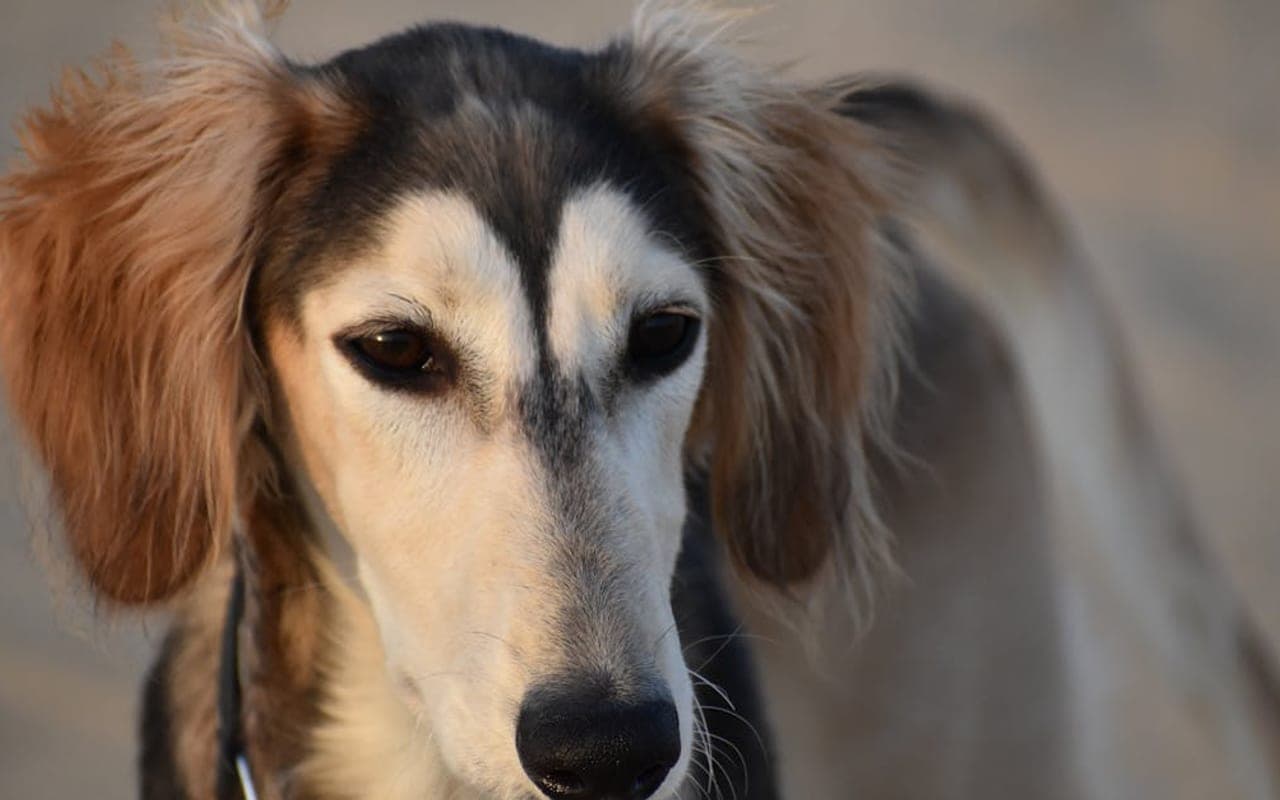
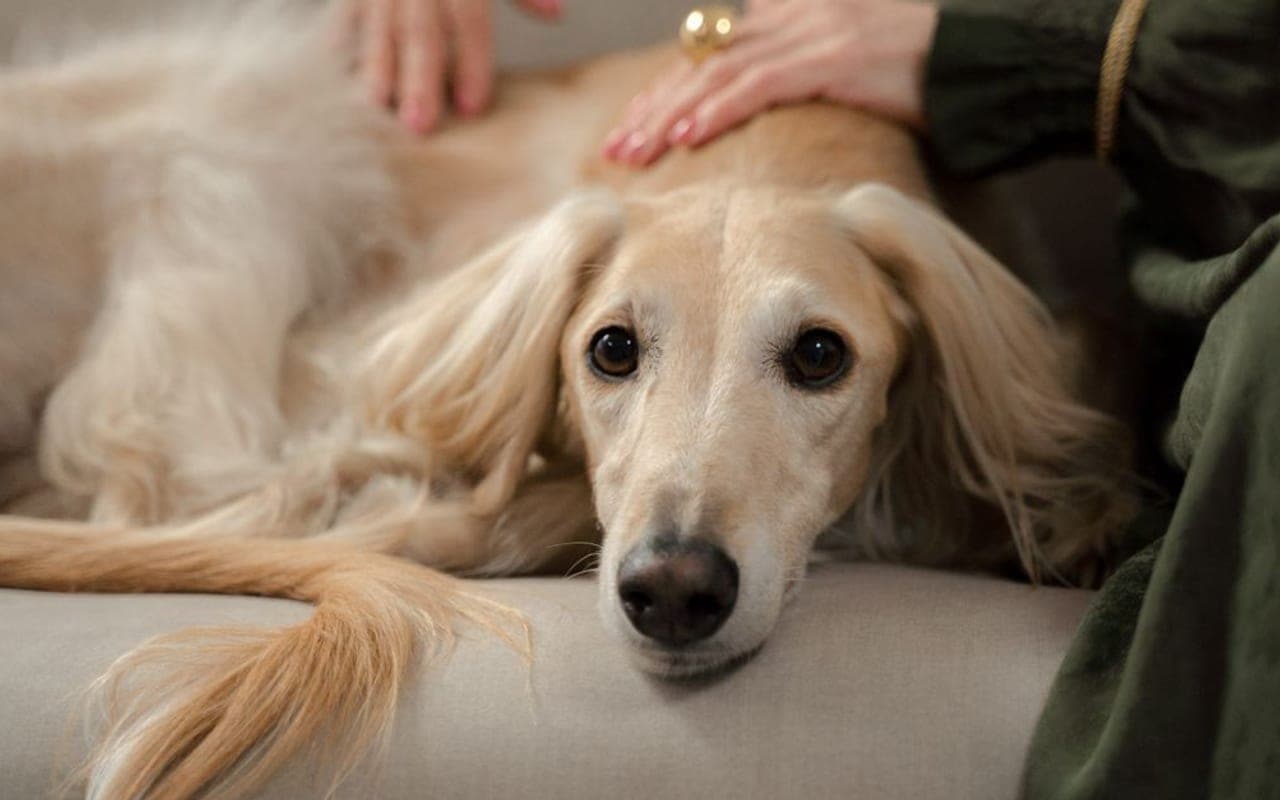
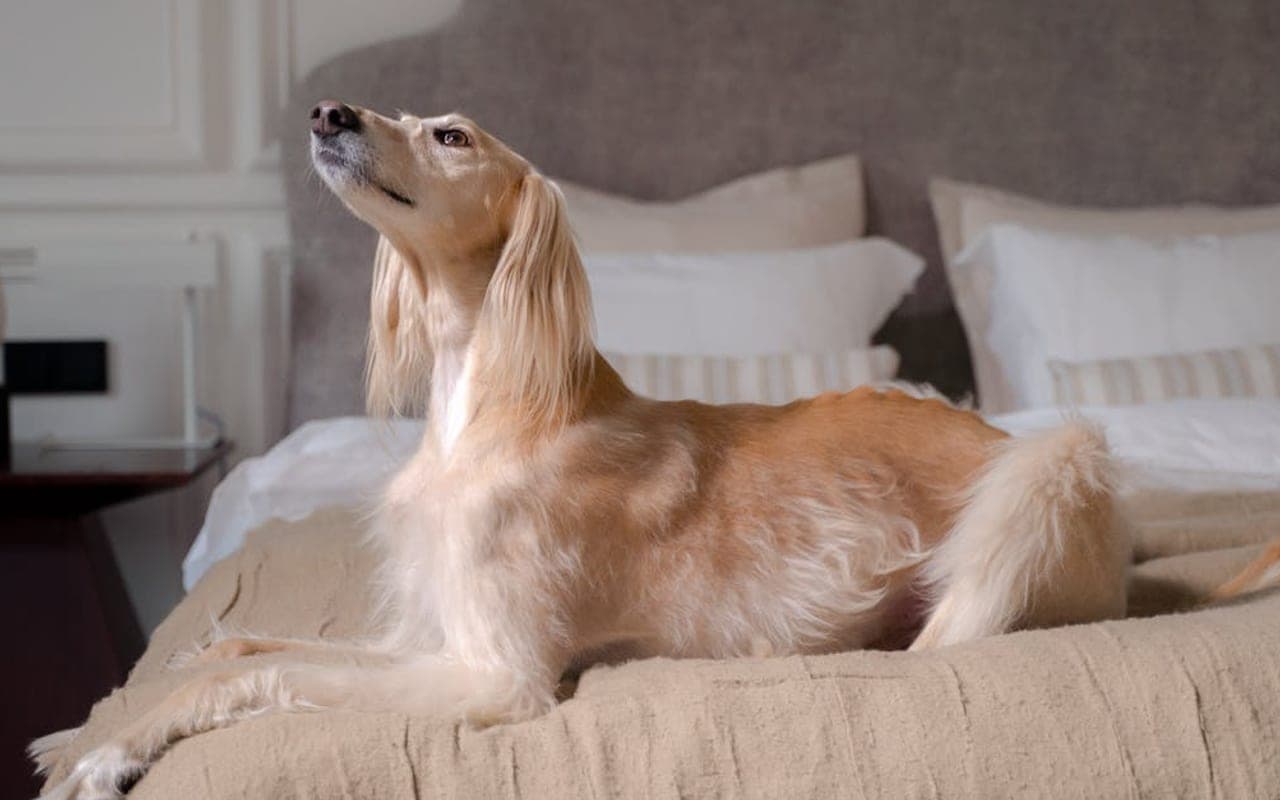
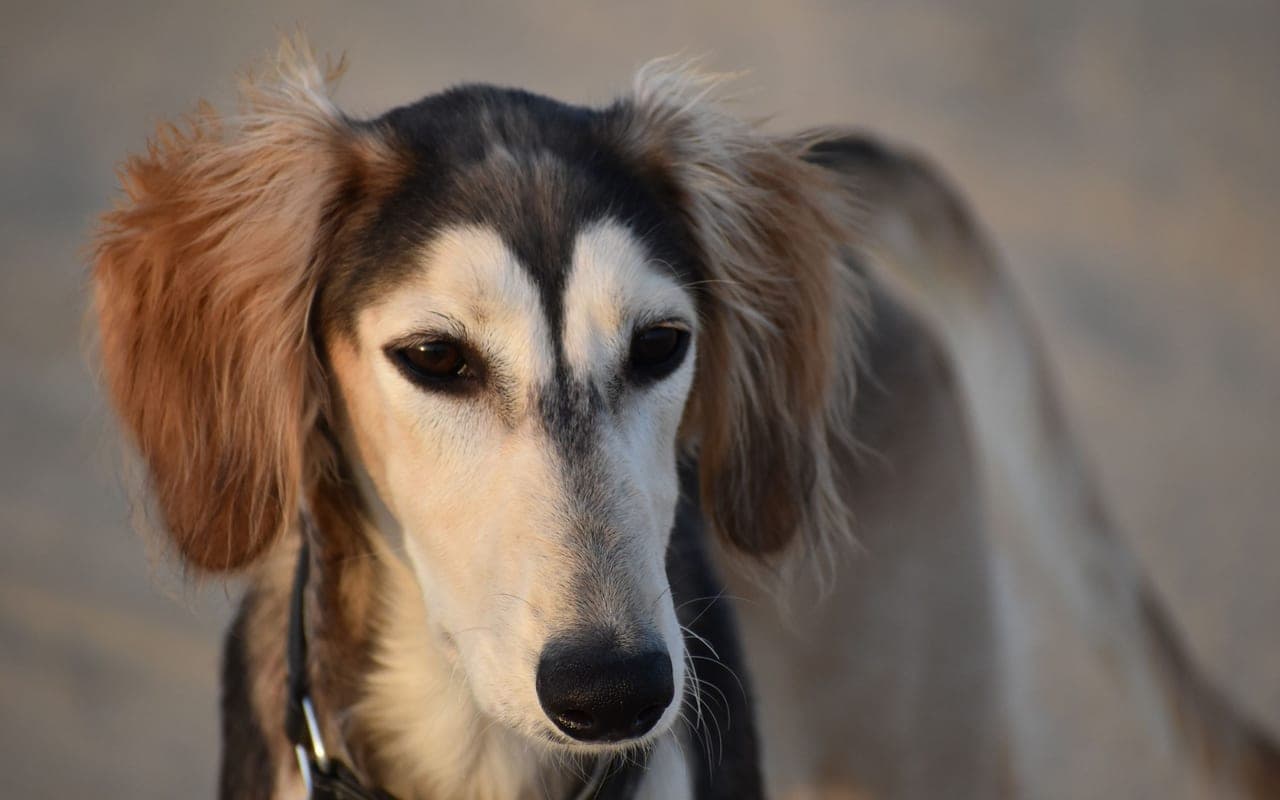
The Saluki is one of the oldest sighthounds on earth — a desert coursing hound bred by Middle Eastern and North African nomads to run down gazelle across open ground for thousands of years.
Size
40-64 lb
Lifespan
10-17 years
Exercise
30-60 minutes
Shedding
Moderate
Experience
Match to owner routine
Decision first
Is a Saluki right for you?
Start with fit before history or trivia. These are ownership signals, not guarantees about any individual dog.
Best suited for
- Households with children.
- Homes with other compatible pets.
- Apartment homes with a consistent routine.
- Owners seeking a manageable daily exercise routine.
Think carefully if
- You need a dog with almost no daily routine.
- You cannot keep up with grooming and preventive care.
- The dog will spend most days alone without support.
Conditional fit
Apartment fit depends on exercise, enrichment, noise management, and outdoor access.
Daily reality
Saluki commitment snapshot
Daily exercise
30-60 minutes
Match activity to age, health, weather, and training goals.
Coat care
Moderate
Grooming needs vary by coat, shedding, and lifestyle.
Time alone
Needs planning
Most dogs need gradual alone-time conditioning and support.
Structured facts
Saluki at a glance
The measurements and traits that most affect day-to-day life with this breed.
Group
Hound
Weight
40-64 lb
Height
23-28 in
Lifespan
10-17 years
Temperament
Gentle | Dignified | Independent-Minded
View all characteristics and methodology
Lifestyle fit
- Apartment suitability
- Likely fit
- Child friendliness
- Often good, with socialisation and supervision
- Other-pet fit
- Often compatible with careful introductions
Owner commitment
- Exercise
- 30-60 minutes
- Grooming
- Moderate
- Shedding
- Moderate
- Training
- Moderate
Environment and health
- Health risk
- Needs planning
Ratings combine structured breed data, visible breed fields, and editorial context. They are planning aids, not predictions for an individual dog.
Daily life
Saluki temperament and behavior
The Saluki is one of the oldest sighthounds on earth — a desert coursing hound bred by Middle Eastern and North African nomads to run down gazelle across open ground for thousands of years. Everything difficult and everything wonderful about the breed comes from that single fact. A Saluki is built to chase: slim, deep-chested, long-legged, with a flexible spine and very little body fat, standing roughly 23-28 inches at the shoulder for males (smaller for females) and weighing about 18-30 lb / 8-13 kg. They come smooth-coated or lightly feathered, in many colors. The Saluki is right for you if you want a quiet, clean, dignified, almost cat-like housemate that is calm indoors — and you have a securely fenced space and an honest understanding of prey drive. Indoors a Saluki is a sofa ornament that wants soft bedding and proximity to its people without demanding attention. They are gentle, sensitive, and bond deeply but undemonstratively; they are not a 'happy Labrador' personality and that is the point. The Saluki is wrong for you if you want an off-leash dog, a dog that comes when called while something is moving, or a dog that lives easily with cats and small pets without a lifetime of management. A Saluki that sights prey is gone at close to 35 mph and is functionally deaf to you until the chase ends or the prey is caught — this is not disobedience, it is the entire breed. They also require sighthound-aware veterinary care: low body fat means heightened sensitivity to anesthesia and certain drugs, so any vet you use must dose accordingly. Choose this breed for its calm beauty and accept the leash-and-fence life it requires; the two are inseparable.
Gentle | Dignified | Independent-Minded
Gentle
A common Saluki temperament descriptor that should be interpreted alongside training, exercise, and household fit.
Dignified
A common Saluki temperament descriptor that should be interpreted alongside training, exercise, and household fit.
Independent-Minded
A common Saluki temperament descriptor that should be interpreted alongside training, exercise, and household fit.
Owner note
Temperament labels are starting points, not guarantees. Meet the individual dog and ask about behavior history whenever possible.
Care essentials
How to care for a Saluki
What looking after one actually involves: exercise, grooming, food, training, and routine health.
ExerciseAs needed
- Moderately active breed needing 30-60 minutes of daily exercise.
GroomingAs needed
- Brush 2-3 times per week.
TrainingAs needed
- Consistent, patient training works best.
NutritionAs needed
- Feed high-quality dog food appropriate for age, size, and activity level.
Veterinary CareAs needed
- Annual wellness exams, vaccinations, dental care, and parasite prevention.
Health planning
Saluki health risks and screening
Every breed has individual health variation. Use this profile for planning and discuss medical decisions with a veterinarian.
Responsible ownership
Finding a Saluki responsibly
What to ask a breeder or rescue is the same conversation for every breed, so we keep it in one place and keep it current.
Health documentation, meeting the parents or foster, contracts and return support, and the warning signs worth walking away from.
Original purpose
Saluki history
History is useful when it explains today's behavior, coat, exercise needs, and training style.
Read the breed history
The Saluki is among the most ancient identifiable dog types, with depictions of slender feathered coursing hounds in Egyptian and Mesopotamian art dating back thousands of years. It was developed and maintained by Bedouin and other nomadic peoples across the Fertile Crescent, the Arabian Peninsula, North Africa, and into Persia, where it was used with falcons and on horseback to course gazelle, hare, and fox over desert and steppe. The breed was so esteemed that it was traditionally not sold but given as a gift of honor, and individual dogs were valued as family members rather than livestock. Because it was bred across a vast geography by many tribes for one purpose — speed and endurance over distance — the Saluki retained a strong, uniform working type for millennia. Western breeders established the modern lines from dogs brought out of the Middle East in the late 1800s and early 1900s. The result is a breed whose conformation, prey drive, and lean physiology are direct inheritances from a desert hunting economy, not show-ring selection.
Gallery
Saluki photos
Images are cropped consistently and loaded progressively to keep the page responsive.
Lower-page context
Salukis in culture
Where the breed shows up in film, sport, work and folklore — the enjoyable part, once the practical questions are answered.
Fun facts
- The Saluki belongs to the Hound Group.
- The average lifespan of a Saluki is 10 to 17 years.
- Saluki dogs are valued for their gentle, dignified, independent-minded nature.
Saluki FAQs
How long do Salukis live?
A healthy Saluki typically lives 12-14 years, though the breed's range is wide (about 10-17 years depending on the line and what it dies of). Salukis are generally robust day to day, so the things that end their lives are usually specific: dilated cardiomyopathy, hemangiosarcoma, osteosarcoma, or a bloat episode that is not treated in time. None of those are slow general decline, which is why cardiac screening and knowing the line's cancer history matter more than 'good care' alone.
Can a Saluki ever be let off leash?
Realistically, no — not in any open or unfenced area. A Saluki was bred for millennia to chase fast-moving prey at up to ~35 mph, and once it sights and locks onto something it is effectively unable to hear you until the chase ends. This is hard-wired prey drive, not poor training, and it is how Salukis get hit by cars and lost. Off-leash freedom is limited to fully fenced 6-foot enclosures or formal lure-coursing venues; everywhere else it is leash or long-line, every single time.
Are Salukis good with cats and small pets?
Cautiously and individually, at best. A Saluki raised from puppyhood with a specific cat can learn to accept that cat indoors, but the breed's coursing instinct means a running cat, rabbit, or small dog can trigger a chase even in an otherwise gentle Saluki, and the outcome can be fatal to the smaller animal. Strange small animals outdoors are prey. If you have or want cats or small pets, treat lifelong management — separation, supervision, never trusting the instinct off — as the requirement, not the exception.
Why does my Saluki look so thin, and should I feed it more?
No — a fit Saluki is supposed to look lean to a pet-dog eye. The breed evolved as a desert endurance courser with very low body fat; visible ribs, hip points, and a deep tuck-up are the correct, healthy condition, not signs of underfeeding. 'Fattening up' a Saluki to look like a Labrador creates real obesity, which strains the heart and joints. Feed measured meals, keep the lean working outline, and weigh monthly. If body condition genuinely drops below lean toward gaunt, then investigate with a vet.
Do Salukis need special veterinary care?
Yes — sighthound-aware care specifically. Because Salukis carry so little body fat, they metabolize anesthetics and certain drugs differently and can have heightened sensitivity, so anesthetic protocols and dosing must be adjusted. Their bloodwork also differs from other breeds: higher red-cell values and a naturally lower thyroid baseline are normal for sighthounds and can be misread as disease against standard reference ranges. Always tell a new or emergency vet 'this is a sighthound' before any sedation, surgery, or thyroid interpretation.
Are Salukis good apartment dogs?
Surprisingly, they can be — with one hard condition. Indoors a Saluki is quiet, clean, low-energy and content to lounge on soft bedding, so a flat suits the temperament. The non-negotiable is that an apartment Saluki must still get regular hard galloping in a securely fenced space several times a week; a sighthound that only ever walks on a leash is under-exercised. So: fine for apartments physically and behaviorally, but only if you have realistic access to a safe place for it to truly run.
Sources
These are the published sources this page draws on. Each opens in a new tab so you can check it yourself.
American Kennel Club
Saluki — breed standard and profile(opens in a new tab)Supports: Breed standard and recognition details.
Similar breeds to consider
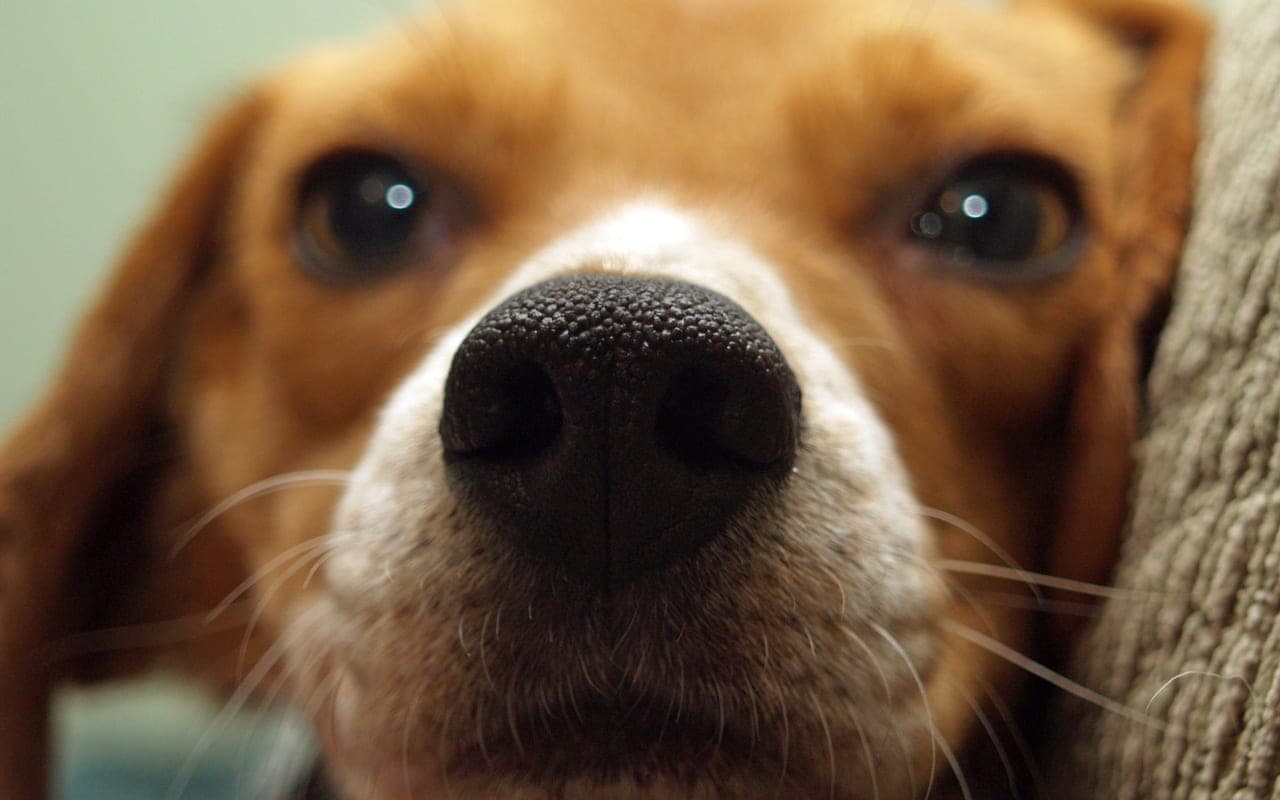
Beagle
Also in the Hound group, with different care and temperament tradeoffs.

Dachshund
Also in the Hound group, with different care and temperament tradeoffs.
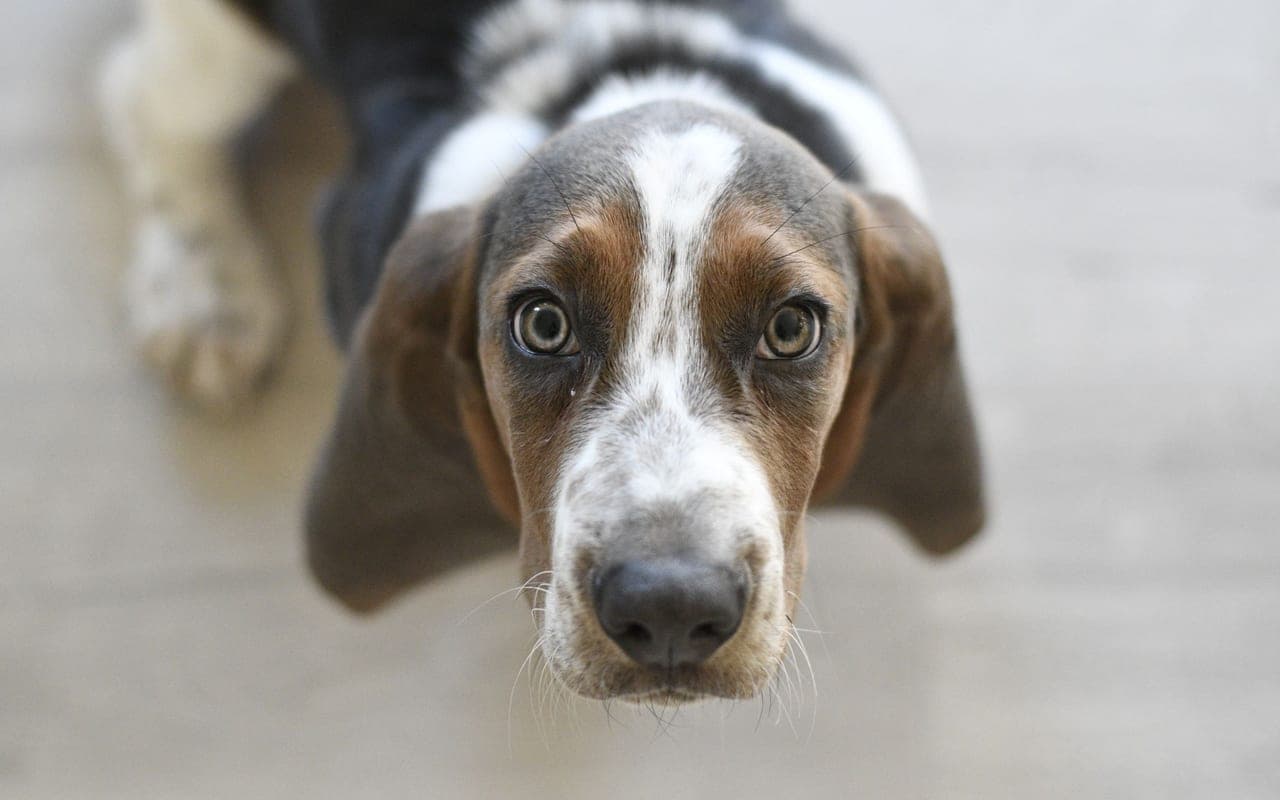
Basset Hound
Also in the Hound group, with different care and temperament tradeoffs.
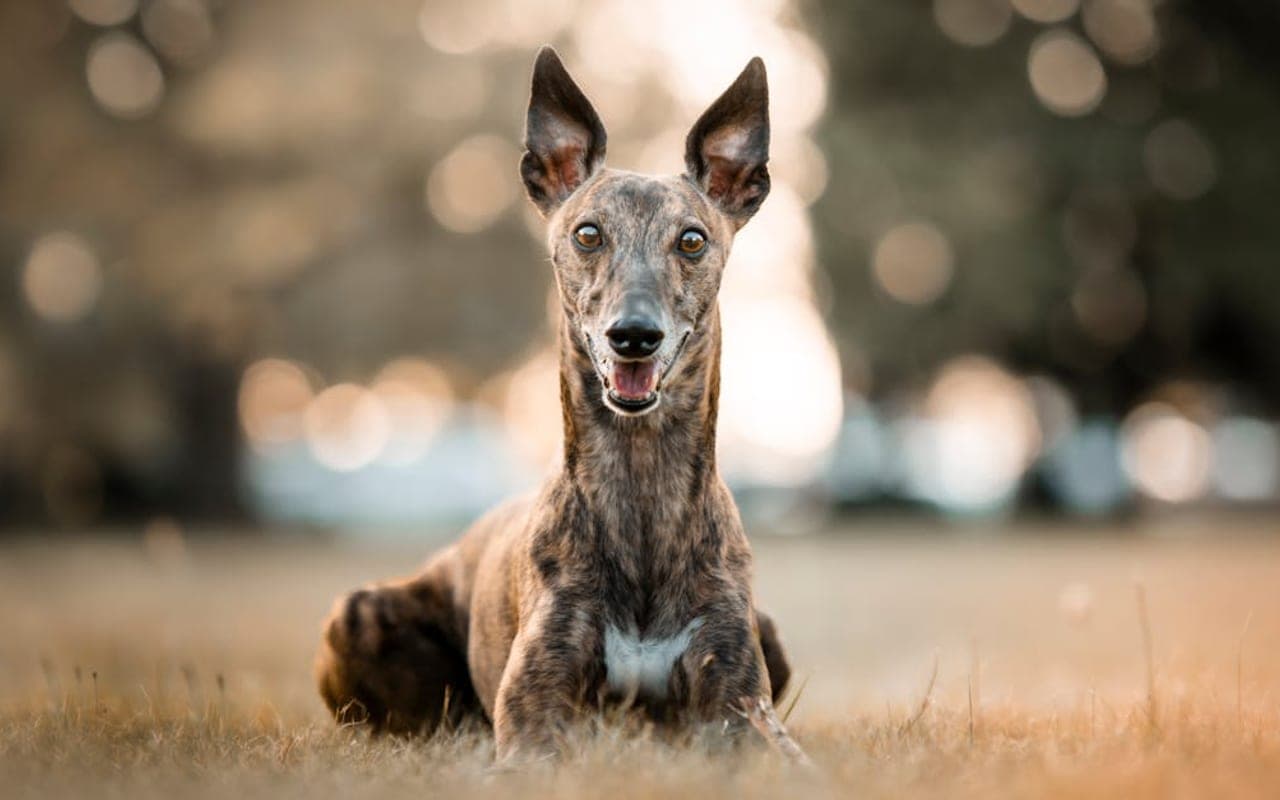
Greyhound
Also in the Hound group, with different care and temperament tradeoffs.
Explore More About Saluki
Dive deeper into everything Saluki — costs, care, and expert insights.
Considering a cat instead?
Browse Cats