
Working group
Samoyed
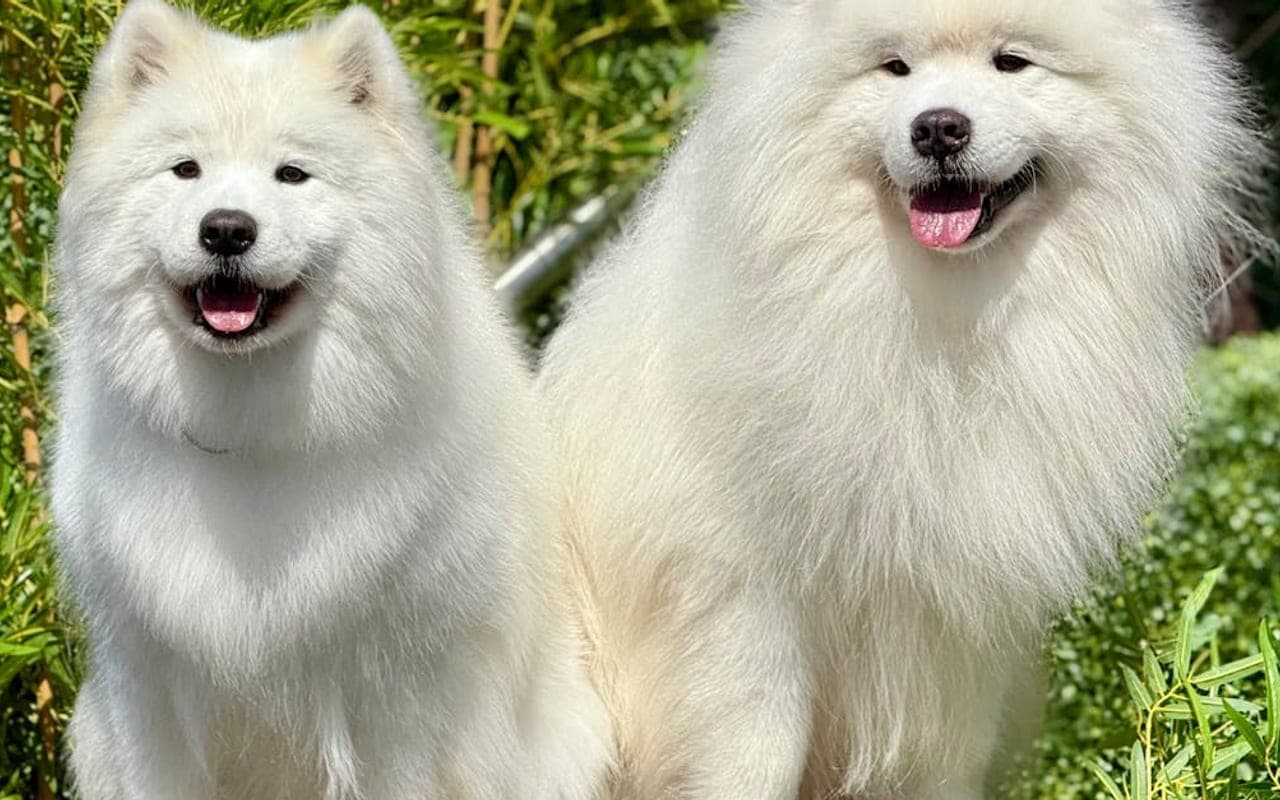
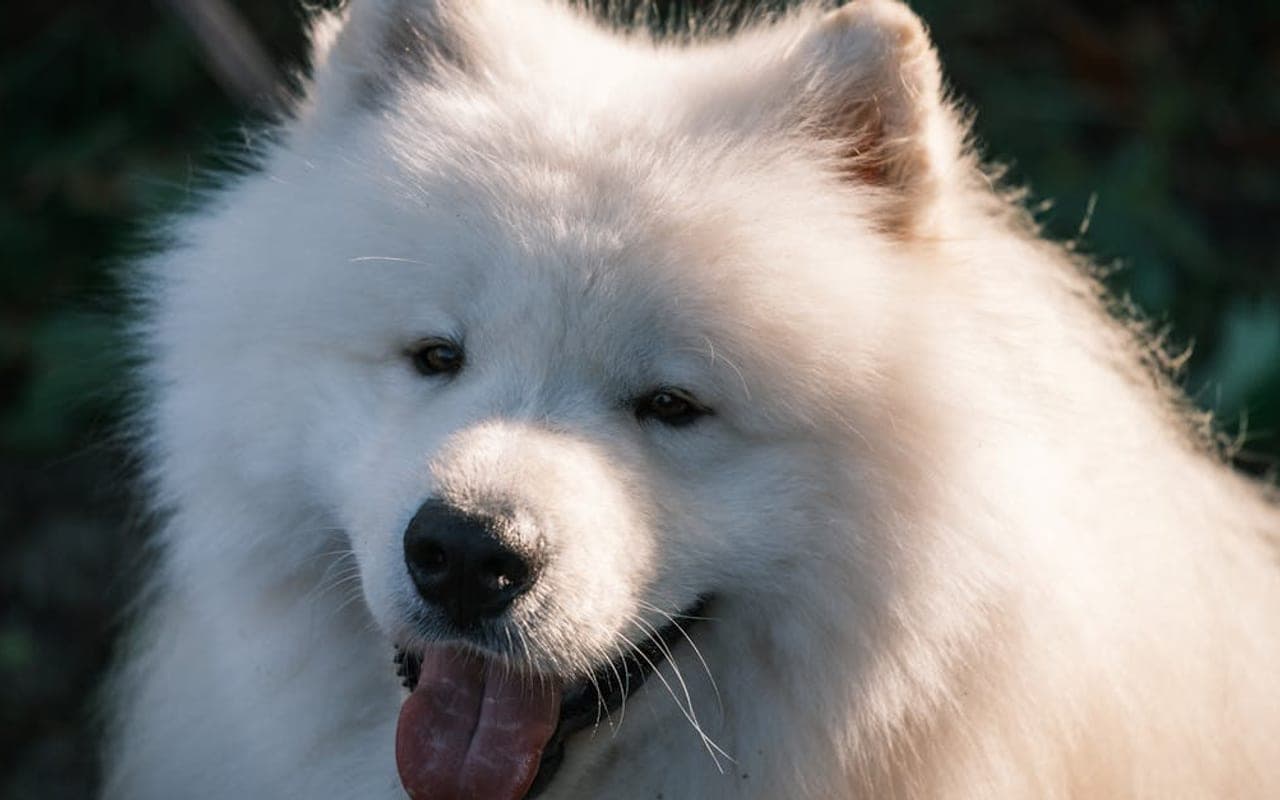
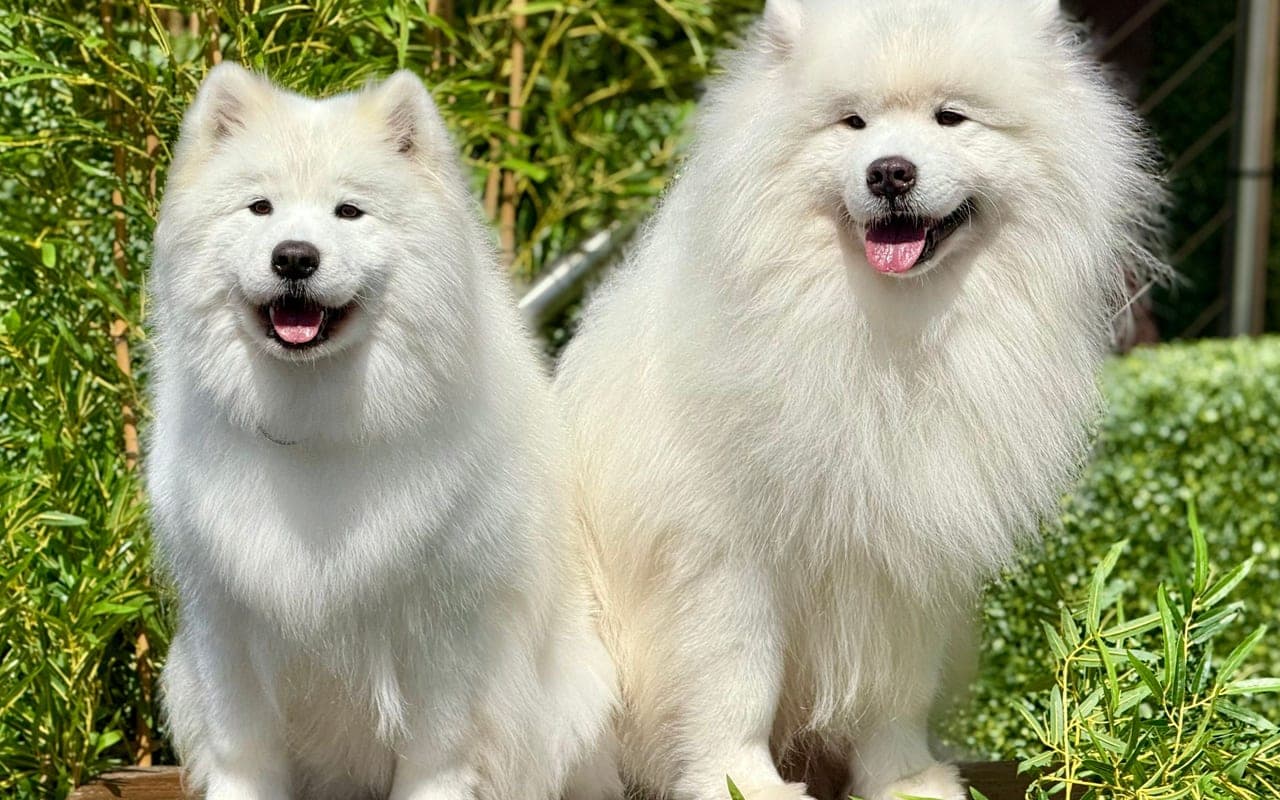
The Samoyed is a 45-65 lb (20-27 kg) Siberian spitz built for one job: surviving the Arctic while staying glued to its people.
Size
35-66 lb
Lifespan
12-15 years
Exercise
60-90 minutes
Shedding
High
Experience
Match to owner routine
Decision first
Is a Samoyed right for you?
Start with fit before history or trivia. These are ownership signals, not guarantees about any individual dog.
Best suited for
- Households with children.
- Homes with other compatible pets.
- Active owners who enjoy daily outdoor exercise.
Think carefully if
- You cannot provide substantial daily exercise.
- You want a very low-shedding home.
- The dog will spend most days alone without support.
Conditional fit
Apartment living may be difficult unless the owner can meet the breed's exercise, training, and space needs.
Daily reality
Samoyed commitment snapshot
Daily exercise
60-90 minutes
Match activity to age, health, weather, and training goals.
Coat care
High
Grooming needs vary by coat, shedding, and lifestyle.
Time alone
Needs planning
Most dogs need gradual alone-time conditioning and support.
Structured facts
Samoyed at a glance
The measurements and traits that most affect day-to-day life with this breed.
Origin
Siberia
Group
Working
Weight
35-66 lb
Height
19-24 in
Lifespan
12-15 years
Temperament
Friendly | Intelligent | Playful | Gentle | Sociable
View all characteristics and methodology
Lifestyle fit
- Apartment suitability
- Needs caution
- Child friendliness
- Often good, with socialisation and supervision
- Other-pet fit
- Often compatible with careful introductions
- Adaptability
- Moderate
Owner commitment
- Exercise
- 60-90 minutes
- Grooming
- High
- Shedding
- High
- Training
- Moderate
Environment and health
- Health risk
- Needs planning
Ratings combine structured breed data, visible breed fields, and editorial context. They are planning aids, not predictions for an individual dog.
Daily life
Samoyed temperament and behavior
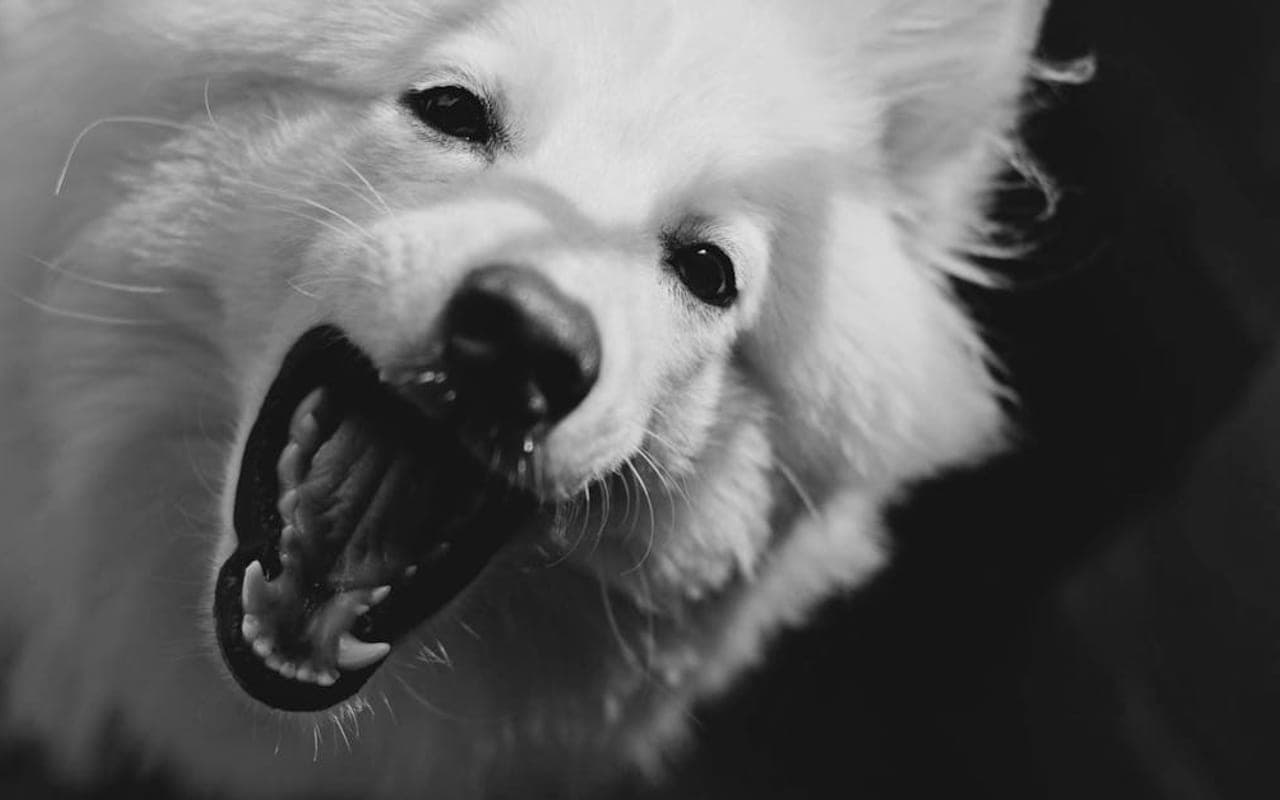
The Samoyed is a 45-65 lb (20-27 kg) Siberian spitz built for one job: surviving the Arctic while staying glued to its people. The famous upturned 'Sammy smile' is functional, not decorative — it kept drool from freezing into icicles. Underneath that postcard coat is a dog the Samoyede people slept beside for warmth and trusted to herd reindeer, and that history defines who should own one. This is a working spitz with a soft heart and a loud opinion, not a fluffy lap ornament. Get a Samoyed right and you have a gentle, near-bombproof family dog: tolerant of children, sociable with other dogs, playful into old age, and almost never aggressive. The trade-off is the package those traits come in. The double coat sheds enough to fill a grocery bag twice a year and demands real grooming labor every week of the dog's 12-15 year life. They are loud — bred to bark at predators, they will bark at delivery drivers, squirrels, and silence. They are people-needy to the point of separation anxiety and will dig, howl, or destroy if left alone in a yard for hours. And they are stubborn-smart: they understand the command and decide whether it's worth obeying. The Samoyed is right for an active household that is home often, owns a vacuum they trust, lives somewhere with real winters or at least no relentless heat, and wants a dog that participates in family life rather than guards it. It is wrong for someone who works long hours away from home, wants a quiet dog, hates grooming or hair on everything, lives in a hot climate without air conditioning, or expects off-leash obedience from a spitz. Buy from a breeder who runs the full Samoyed CHIC health panel, or you inherit kidney and hip risk that grooming can't fix.
Friendly | Intelligent | Playful | Gentle | Sociable
Friendly
A common Samoyed temperament descriptor that should be interpreted alongside training, exercise, and household fit.
Intelligent
A common Samoyed temperament descriptor that should be interpreted alongside training, exercise, and household fit.
Playful
A common Samoyed temperament descriptor that should be interpreted alongside training, exercise, and household fit.
Gentle
A common Samoyed temperament descriptor that should be interpreted alongside training, exercise, and household fit.
Owner note
Temperament labels are starting points, not guarantees. Meet the individual dog and ask about behavior history whenever possible.
Care essentials
How to care for a Samoyed
What looking after one actually involves: exercise, grooming, food, training, and routine health.
HealthAs needed
- Samoyeds can be prone to hip dysplasia, progressive retinal atrophy, Samoyed hereditary glomerulopathy (a kidney condition), diabetes, and hypothyroidism. Regular vet checkups and health screenings are important.
ExerciseAs needed
- Samoyeds need at least 60-90 minutes of vigorous daily exercise. They were bred for endurance work and have tremendous stamina. Hiking, running, pulling, and snow activities are ideal. They are not well-suited to hot climates and exercise should be limited in warm weather.
GroomingAs needed
- The Samoyed's magnificent double coat requires extensive grooming. Brush thoroughly 2-3 times per week, daily during heavy shedding periods (twice yearly). Never shave a Samoyed — their coat insulates against both cold and heat. Professional grooming every 6-8 weeks is recommended.
TrainingAs needed
- Samoyeds are intelligent but can be independent and mischievous. They respond well to positive, engaging training methods. Samoyeds get bored with repetitive drills, so keep sessions short and varied. Early socialization and consistent boundaries are essential.
NutritionAs needed
- Feed a high-quality large-breed food, about 1.5-2.5 cups daily divided into two meals. Samoyeds can be prone to bloat, so avoid exercise immediately after meals. Some Samoyeds have sensitive stomachs and may benefit from a limited-ingredient diet.
Health planning
Samoyed health risks and screening
Every breed has individual health variation. Use this profile for planning and discuss medical decisions with a veterinarian.
Ownership cost
How much does a Samoyed cost?
Cost figures are structured so first-year and lifetime estimates do not conflict with the underlying line items.
| Acquisition | $1,500-$5,000 |
|---|---|
| Routine monthly | About $140/month |
| Routine annual | About $1,680/year |
| First-year estimate | $3,180-$6,680 |
| Lifetime routine estimate | $20,160-$25,200 routine costs |
Currency: USD. Region: United States. Typical ranges for this breed. Equipment, insurance, emergency veterinary care, boarding and training are NOT included: we hold no sourced figures for them, and estimating them would be a guess presented as data.
Responsible ownership
Finding a Samoyed responsibly
What to ask a breeder or rescue is the same conversation for every breed, so we keep it in one place and keep it current.
Health documentation, meeting the parents or foster, contracts and return support, and the warning signs worth walking away from.
Original purpose
Samoyed history
History is useful when it explains today's behavior, coat, exercise needs, and training style.
Read the breed history
The Samoyed takes its name from the Samoyedic peoples of northwestern Siberia, nomadic reindeer herders who depended on these dogs for thousands of years. Unlike guard breeds developed at arm's length from humans, the Samoyed was bred to live inside the family tent — herding and protecting the reindeer by day, sleeping among the children for shared body heat at night. That intimate working relationship is why the modern dog is so people-bonded and so poorly suited to being a backyard or kennel dog: it was never one. The breed reached the West in the late 1800s and early 1900s largely through polar exploration. Samoyeds pulled sleds on Arctic and Antarctic expeditions associated with explorers such as Fridtjof Nansen and Roald Amundsen, and survivors of those journeys became foundation stock for European and American breeding. Queen Alexandra of England was an early enthusiast who promoted the breed. The Samoyed Club of America was founded in 1923, and the breed's working-dog genetics — endurance, cold tolerance, sociability, and stubborn independence — remain essentially intact today.
Gallery
Samoyed photos
Images are cropped consistently and loaded progressively to keep the page responsive.
Lower-page context
Samoyeds in culture
Where the breed shows up in film, sport, work and folklore — the enjoyable part, once the practical questions are answered.
Fun facts
- The Samoyed's famous "Sammy smile" is not just cute — the upturned corners of their mouth prevent drooling, which would form icicles in sub-zero temperatures
- Samoyed fur has been used to knit clothing — it is warm, hypoallergenic, and similar in texture to angora
- They are one of 14 ancient dog breeds, genetically most similar to wolves
- Samoyeds were essential to Arctic exploration — Roald Amundsen used Samoyeds on the first successful expedition to the South Pole in 1911
- A Samoyed's double coat can withstand temperatures as low as -60°F (-51°C)
Samoyed FAQs
How long do Samoyeds live and what usually shortens it?
A well-bred, well-managed Samoyed typically lives 12-15 years. The two things that most often cut that short are hereditary glomerulopathy (the breed-specific kidney disease, worst in affected males) and hip-related mobility loss in dogs that were overweight or over-exercised as puppies. Both are heavily influenced by breeder health screening and by keeping the dog lean for life, which is the single biggest lever an owner controls.
How much does Samoyed grooming actually cost in time and money?
Plan on 3-4 brushing sessions a week of 15-20 minutes each — roughly an hour weekly, every week, for 12-15 years. If you outsource it, professional grooming runs about $60-$120 every 6-8 weeks, more during the spring and fall coat blow. Tools (a good slicker, undercoat rake, and a high-velocity dryer) are a $150-$300 upfront cost. There is no low-maintenance version of this coat; budget the time before you commit.
Are Samoyeds good with children and other dogs?
Yes, this is one of the breed's real strengths. Samoyeds are gentle, tolerant, playful into old age, and rarely aggressive toward children or other dogs because they were bred to live communally. Supervise toddlers as you would with any 50-pound dog, and teach the dog not to herd children by nipping heels — a residual herding instinct that shows up in some lines. They are friendly enough that they make poor guard dogs despite the bark.
Can a Samoyed handle hot weather or apartment living?
Heat is a genuine risk: the Arctic double coat traps heat, and Samoyeds overheat quickly above roughly 75°F (24°C). In hot climates you need air conditioning, dawn/dusk exercise only, and constant shade and water. Apartments can work if you commit to 60-90 minutes of daily exercise and accept the barking and shedding, but a Samoyed left alone all day in a small space will vocalize and destroy out of separation distress. This is not a low-effort apartment dog.
Why do Samoyeds bark so much and can it be fixed?
Samoyeds were bred to alert-bark at predators threatening the herd, so vocalizing is hardwired, not a training failure. You can reduce it with early 'quiet' training, plenty of exercise, and not leaving the dog isolated (boredom and separation anxiety drive the worst barking), but you cannot train it to near-silence. If a quiet dog is non-negotiable for your living situation, this is the wrong breed — be honest about that before adopting, not after.
What health tests should a Samoyed breeder have done?
A responsible breeder who health-tests will have the full Samoyed CHIC panel: OFA (or equivalent) hip evaluation, an annual ACVO ophthalmologist eye exam, a cardiologist cardiac evaluation, and DNA tests for progressive retinal atrophy and retinal dysplasia/oculoskeletal dysplasia. Ask to see the certificates on both parents and ask specifically about hereditary glomerulopathy history in the line. Skipping screened parents to save money on the purchase price routinely costs owners thousands later in kidney and orthopedic care.
Sources
These are the published sources this page draws on. Each opens in a new tab so you can check it yourself.
American Kennel Club
Samoyed — breed standard and profile(opens in a new tab)Supports: Breed standard and recognition details.
Similar breeds to consider
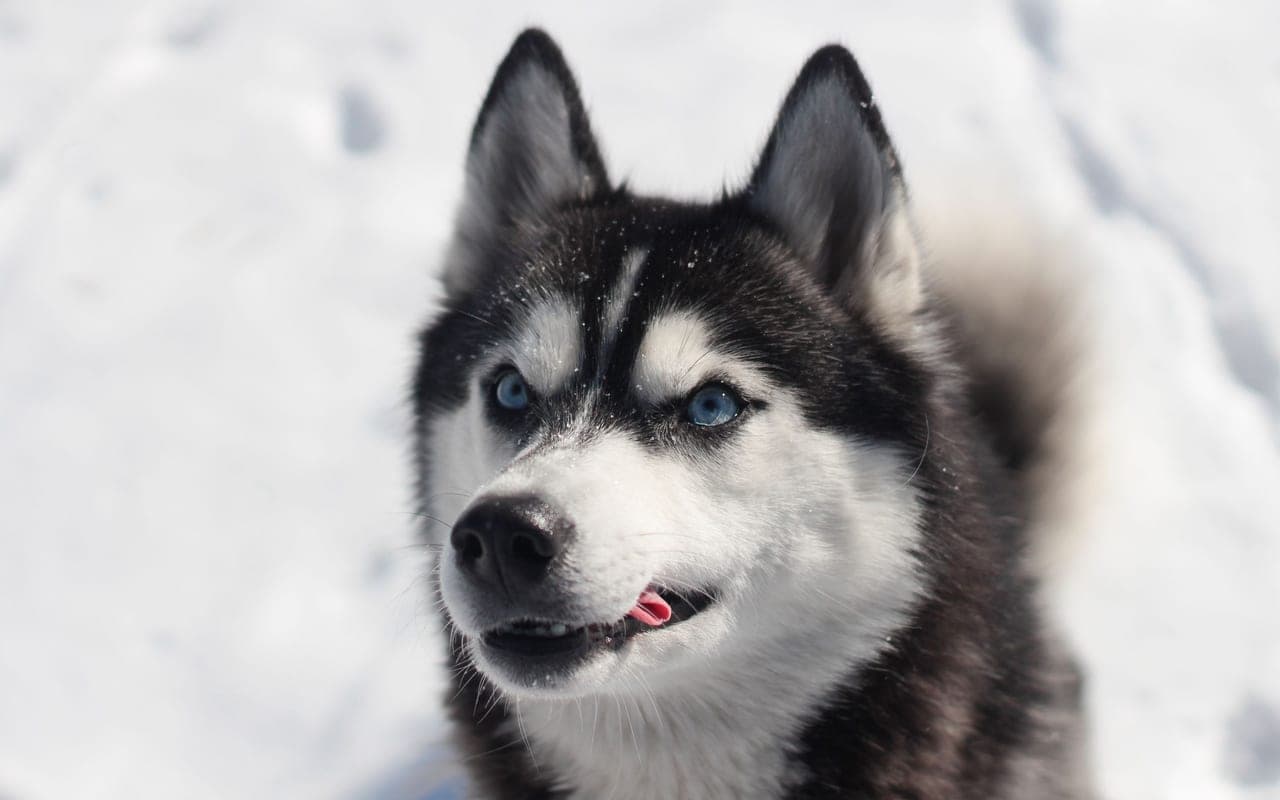
Siberian Husky
Also in the Working group, with different care and temperament tradeoffs.

Rottweiler
Also in the Working group, with different care and temperament tradeoffs.

Boxer
Also in the Working group, with different care and temperament tradeoffs.
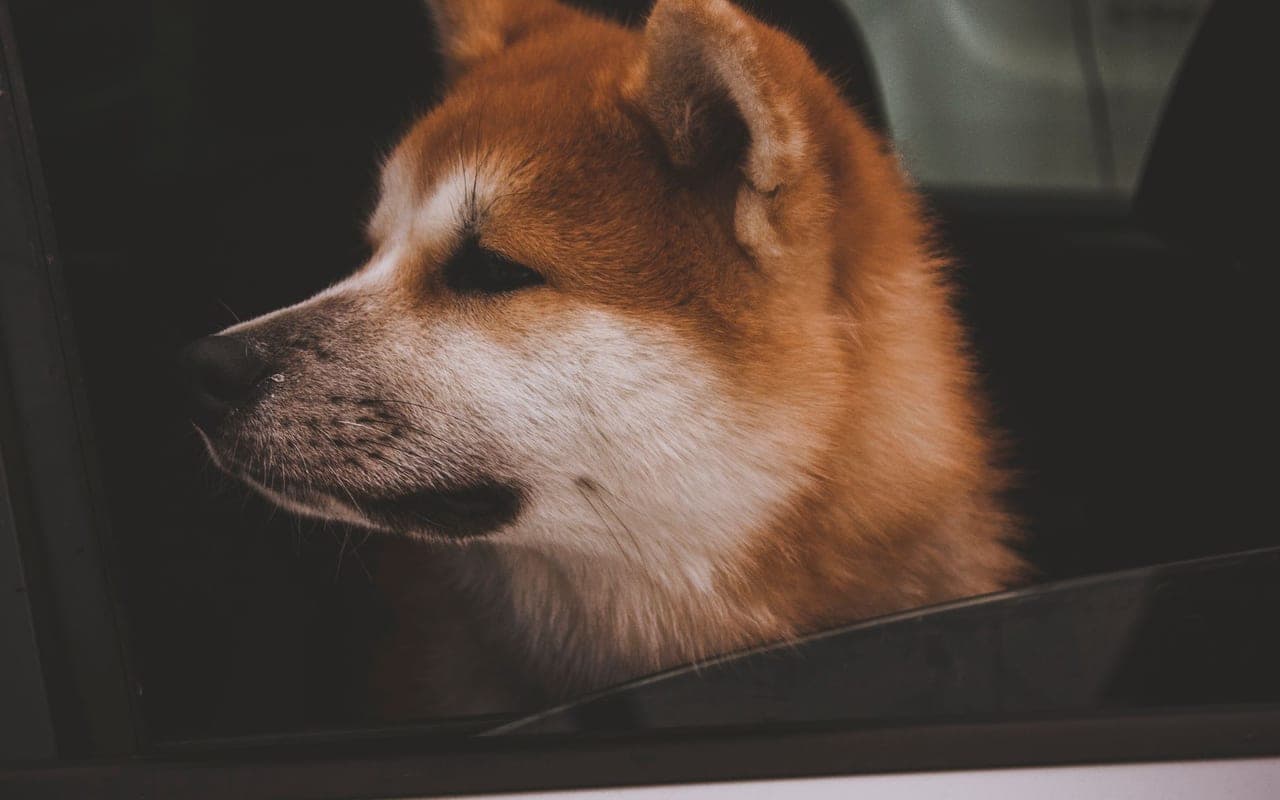
Akita
Also in the Working group, with different care and temperament tradeoffs.
Explore More About Samoyed
Dive deeper into everything Samoyed — costs, care, and expert insights.
How Much Does a Samoyed Cost?
Purchase price, monthly costs, and lifetime expenses
Samoyed Care Guide
This Samoyed care guide gives owners a practical plan for daily life with...
Considering a cat instead?
Browse Cats