
Non-Sporting group
Schipperke
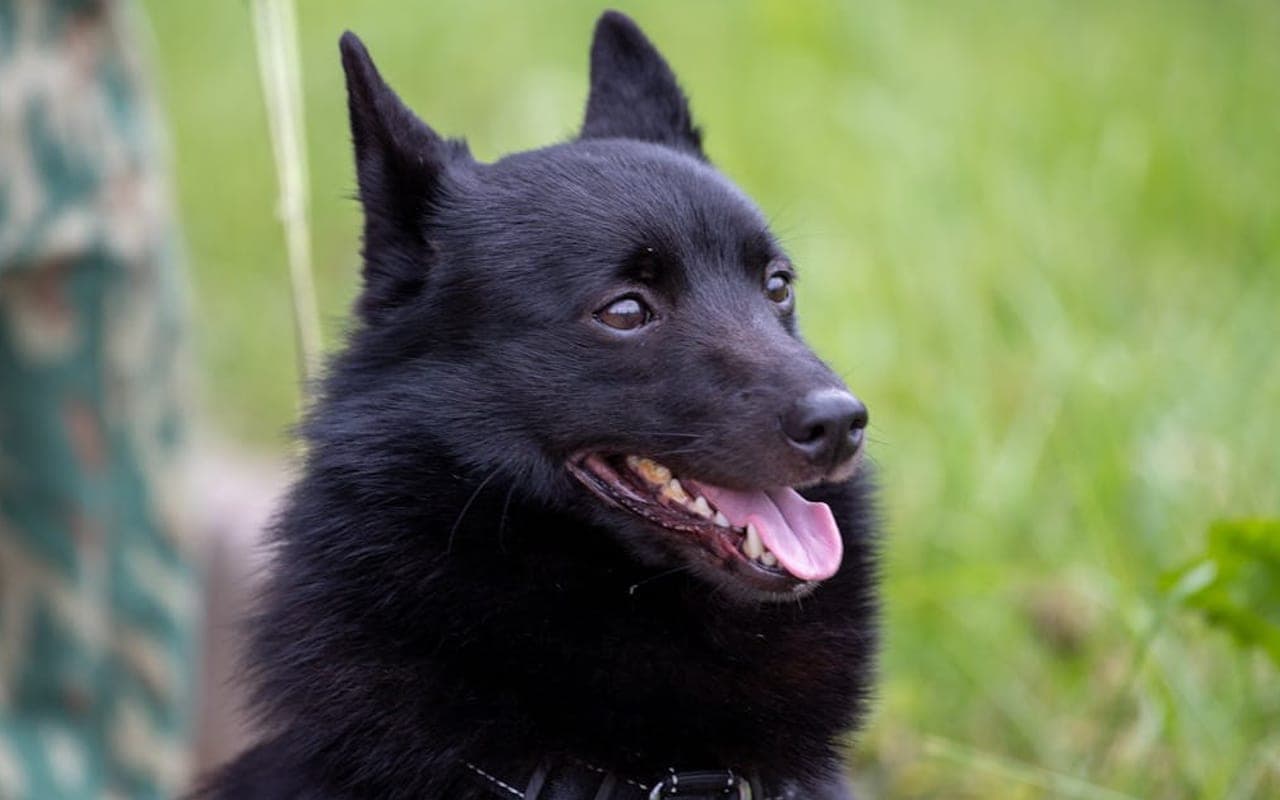
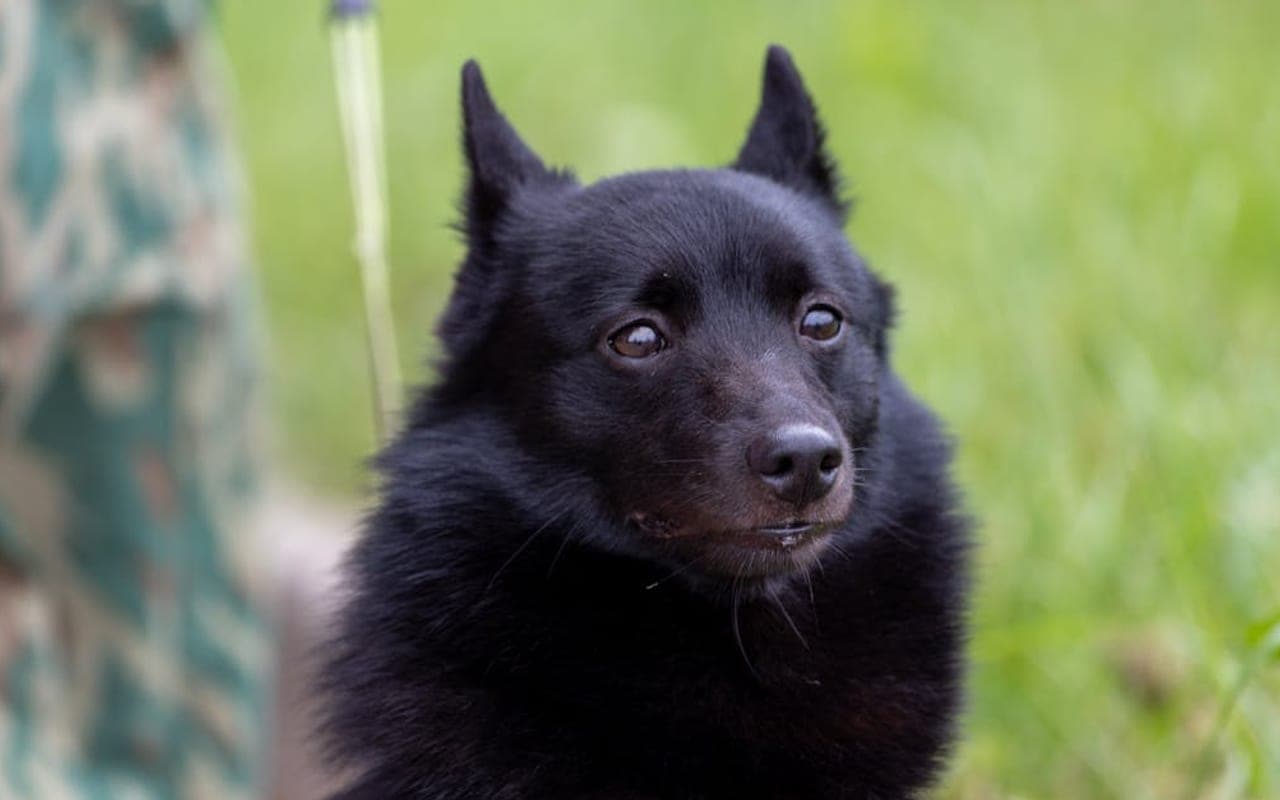
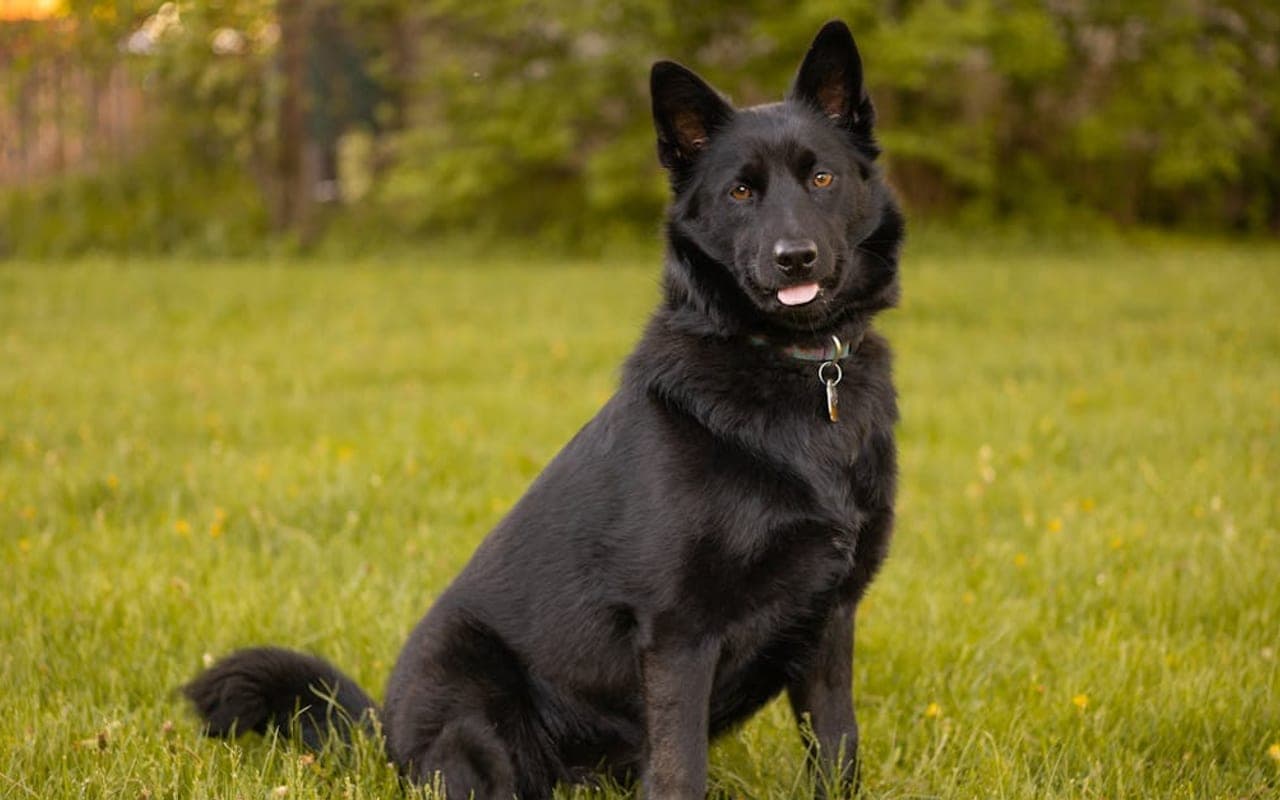
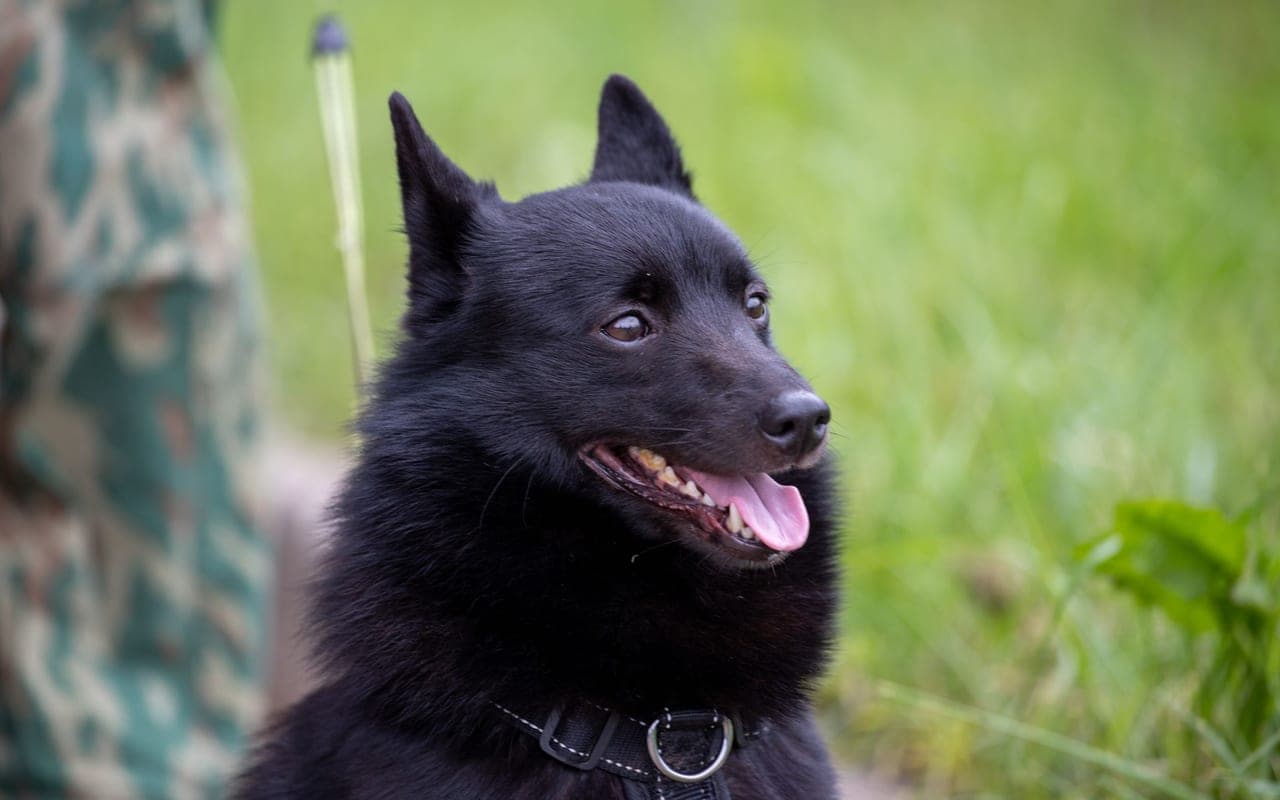
The Schipperke is a small black Belgian dog with a foxy face, no real tail to speak of, and a personality far too big for a 12-to-16-pound body.
Size
9-20 lb
Lifespan
12-14 years
Exercise
30-60 minutes
Shedding
Moderate
Experience
Match to owner routine
Decision first
Is a Schipperke right for you?
Start with fit before history or trivia. These are ownership signals, not guarantees about any individual dog.
Best suited for
- Households with children.
- Homes with other compatible pets.
- Apartment homes with a consistent routine.
- Owners seeking a manageable daily exercise routine.
Think carefully if
- You need a dog with almost no daily routine.
- You cannot keep up with grooming and preventive care.
- The dog will spend most days alone without support.
Conditional fit
Apartment fit depends on exercise, enrichment, noise management, and outdoor access.
Daily reality
Schipperke commitment snapshot
Daily exercise
30-60 minutes
Match activity to age, health, weather, and training goals.
Coat care
Moderate
Grooming needs vary by coat, shedding, and lifestyle.
Time alone
Needs planning
Most dogs need gradual alone-time conditioning and support.
Structured facts
Schipperke at a glance
The measurements and traits that most affect day-to-day life with this breed.
Group
Non-Sporting
Weight
9-20 lb
Height
10-13 in
Lifespan
12-14 years
Temperament
Confident | Alert | Curious
View all characteristics and methodology
Lifestyle fit
- Apartment suitability
- Likely fit
- Child friendliness
- Often good, with socialisation and supervision
- Other-pet fit
- Often compatible with careful introductions
Owner commitment
- Exercise
- 30-60 minutes
- Grooming
- Moderate
- Shedding
- Moderate
- Training
- Moderate
Environment and health
- Health risk
- Needs planning
Ratings combine structured breed data, visible breed fields, and editorial context. They are planning aids, not predictions for an individual dog.
Daily life
Schipperke temperament and behavior
The Schipperke is a small black Belgian dog with a foxy face, no real tail to speak of, and a personality far too big for a 12-to-16-pound body. People come for the looks — the dense ruff, the cobby silhouette, the upright ears — and stay for the temperament, which is closer to a working terrier than to a lapdog. This is a 10-to-13-inch barge dog bred to patrol, kill vermin, and bark at anything that moved on a Flemish canal boat. None of that has been bred out. The Schipperke you bring home will alarm-bark, investigate every noise, climb where it should not, and try to be in charge of the household if you let it. Get the energy expectation right and most of the disappointment disappears. A Schipperke is not high-octane the way a Border Collie is, but it is busy. It needs a real 45-60 minutes of activity a day — a walk plus a training game or a sniff session — or it invents its own job, usually one involving barking, digging, or guarding the couch from the mail carrier. Mental work matters as much as physical: this is a bright, problem-solving breed that gets bored, and a bored Schipperke is a noisy, mischievous Schipperke. Who the Schipperke is right for: an owner who wants a small, hardy, long-lived (12-15 years), low-shed-by-volume but seasonally heavy companion with watchdog instincts, and who will actually train it. They suit active singles, couples, and families with older kids, including apartment dwellers — provided the barking is managed early. Who it is wrong for: anyone who wants a quiet, biddable, hands-off small dog, anyone in a noise-sensitive building who will not do bark training, and anyone expecting a toy breed's off-switch. The Schipperke is a working dog in a small package, and it behaves like one. Decide on the temperament, not the photo.
Confident | Alert | Curious
Confident
A common Schipperke temperament descriptor that should be interpreted alongside training, exercise, and household fit.
Alert
A common Schipperke temperament descriptor that should be interpreted alongside training, exercise, and household fit.
Curious
A common Schipperke temperament descriptor that should be interpreted alongside training, exercise, and household fit.
Owner note
Temperament labels are starting points, not guarantees. Meet the individual dog and ask about behavior history whenever possible.
Care essentials
How to care for a Schipperke
What looking after one actually involves: exercise, grooming, food, training, and routine health.
ExerciseAs needed
- Moderately active breed needing 30-60 minutes of daily exercise.
GroomingAs needed
- Brush 2-3 times per week.
TrainingAs needed
- Consistent, patient training works best.
NutritionAs needed
- Feed high-quality dog food appropriate for age, size, and activity level.
Veterinary CareAs needed
- Annual wellness exams, vaccinations, dental care, and parasite prevention.
Health planning
Schipperke health risks and screening
Every breed has individual health variation. Use this profile for planning and discuss medical decisions with a veterinarian.
Responsible ownership
Finding a Schipperke responsibly
What to ask a breeder or rescue is the same conversation for every breed, so we keep it in one place and keep it current.
Health documentation, meeting the parents or foster, contracts and return support, and the warning signs worth walking away from.
Original purpose
Schipperke history
History is useful when it explains today's behavior, coat, exercise needs, and training style.
Read the breed history
The Schipperke comes from the Flemish regions of Belgium, where it was developed by the 17th century as a working dog for tradesmen — shoemakers' guild watchdogs, ratters, and canal-barge dogs (the name is commonly translated as 'little captain' or 'little boatman' in the Brabant dialect). It was not a pet. Its jobs were to kill rats and mice in workshops and on barges, to sound the alarm at strangers, and to guard goods, all in a body small enough to stay out of the way on a cramped boat. Belgium's Queen Marie Henriette acquired one in 1885, which boosted the breed's popularity beyond the working classes and into the show ring. The Schipperke is one of the older small breeds with a documented club history, and the tailless or short-tailed appearance — historically achieved by docking and, in some lines, a natural bobtail gene — became part of its identity. Its modern temperament, busy, vocal, independent, and territorial, is a direct inheritance of those original guarding and vermin jobs.
Gallery
Schipperke photos
Images are cropped consistently and loaded progressively to keep the page responsive.
Lower-page context
Schipperkes in culture
Where the breed shows up in film, sport, work and folklore — the enjoyable part, once the practical questions are answered.
Fun facts
- The Schipperke belongs to the Non-Sporting Group.
- The average lifespan of a Schipperke is 12 to 14 years.
- Schipperke dogs are valued for their confident, alert, curious nature.
Schipperke FAQs
How long do Schipperke dogs live?
A healthy Schipperke from screened lines typically lives 12-15 years, which is long even for a small dog. The biggest threat to that lifespan is not old age but MPS IIIB, a fatal inherited neurological disease that strikes young adults (around 2-4 years). Because a reliable DNA test exists, this is one of the few breeds where you can almost entirely design the genetic risk out by buying only from DNA-tested parents — making breeder paperwork more important than any care decision you will make.
Do Schipperkes bark a lot?
Yes, by design — they were bred as barge and workshop watchdogs and alarm-bark at noise, movement, and strangers. This is the single most common reason Schipperkes are rehomed. It is manageable but not optional: from week one, teach a 'quiet' cue, reward silence, and never reward demand-barking. Owners in apartments or attached housing should treat bark training as a requirement before getting the dog, not a problem to fix later.
How much exercise does a Schipperke need?
Plan on 45-60 minutes a day, and at least half of it should be mental work, not just a walk. Schipperkes are a busy, problem-solving working breed in a small body — a walk alone leaves the brain unspent, and an unspent Schipperke barks, digs, and gets into things. Scent games, trick training, a flirt pole, and puzzle feeders do more to settle this breed than a long jog does.
Do Schipperkes shed much?
Day to day, no — a weekly 10-minute brush handles a normal coat. But one to three times a year the Schipperke 'blows' its dense undercoat over a 2-4 week period (often after a female's heat cycle), and during those weeks you will brush every other day and still find black tufts on everything. Never shave the coat to reduce shedding — the double coat regulates temperature and shaving damages regrowth. Budget for the seasonal blow, not the daily shed.
Are Schipperkes good apartment dogs?
They can be — they are small, hardy, and adapt to apartment size — but only if two conditions are met. First, the barking must be trained early and consistently, because alarm-barking in a shared building gets a dog surrendered. Second, they must get their 45-60 minutes of daily physical and mental work, or the pent-up energy comes out as noise and destruction in a small space. A trained, exercised Schipperke is a fine apartment dog; an untrained one is a complaint waiting to happen.
What health tests should a Schipperke breeder have done?
At minimum: a DNA test for MPS IIIB on both parents (clear, or a carrier bred only to a clear dog — never carrier-to-carrier), plus OFA/eye certification for patellar luxation and an eye exam for PRA and cataracts. Hip and thyroid screening are reasonable additions. MPS IIIB is the non-negotiable one: it is fatal, breed-specific, and entirely avoidable through testing, so a breeder who cannot show the parents' DNA results is a breeder to walk away from.
Sources
These are the published sources this page draws on. Each opens in a new tab so you can check it yourself.
American Kennel Club
Schipperke — breed standard and profile(opens in a new tab)Supports: Breed standard and recognition details.
Similar breeds to consider
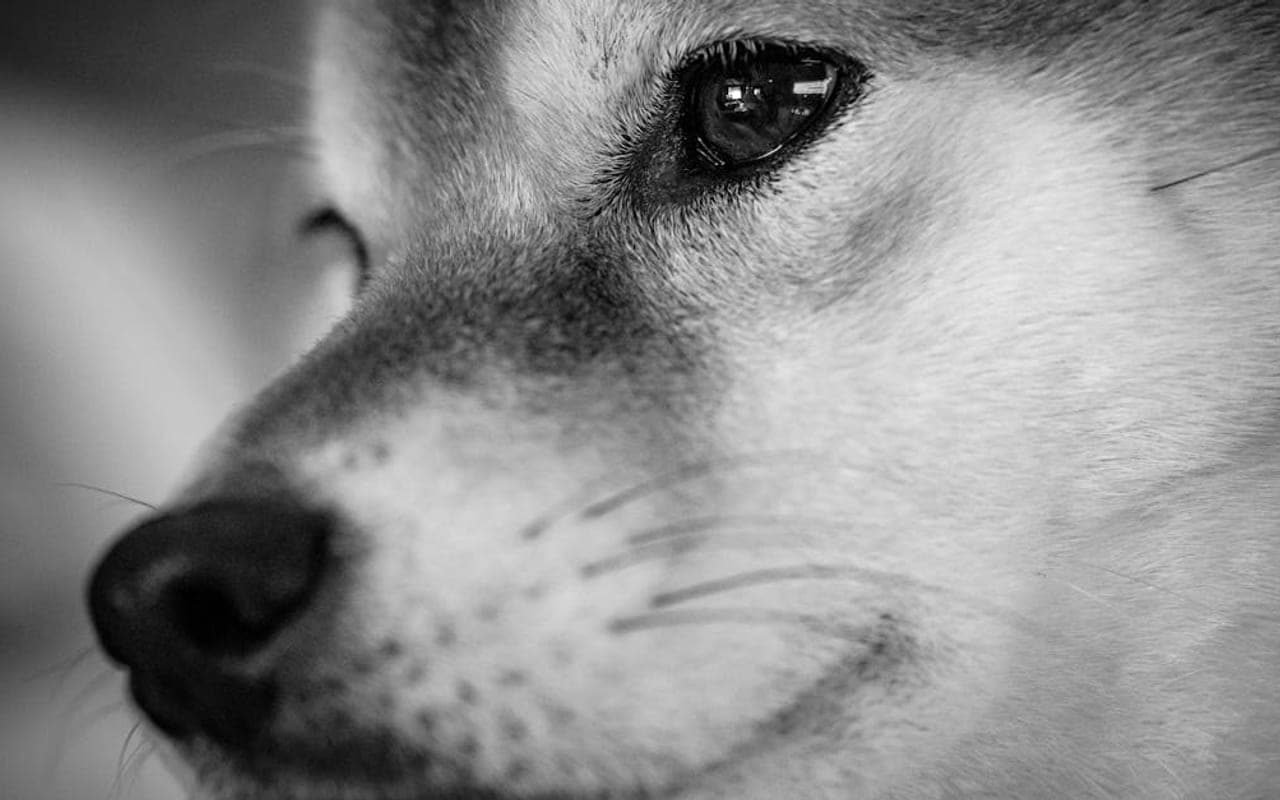
Shiba Inu
Also in the Non-Sporting group, with different care and temperament tradeoffs.
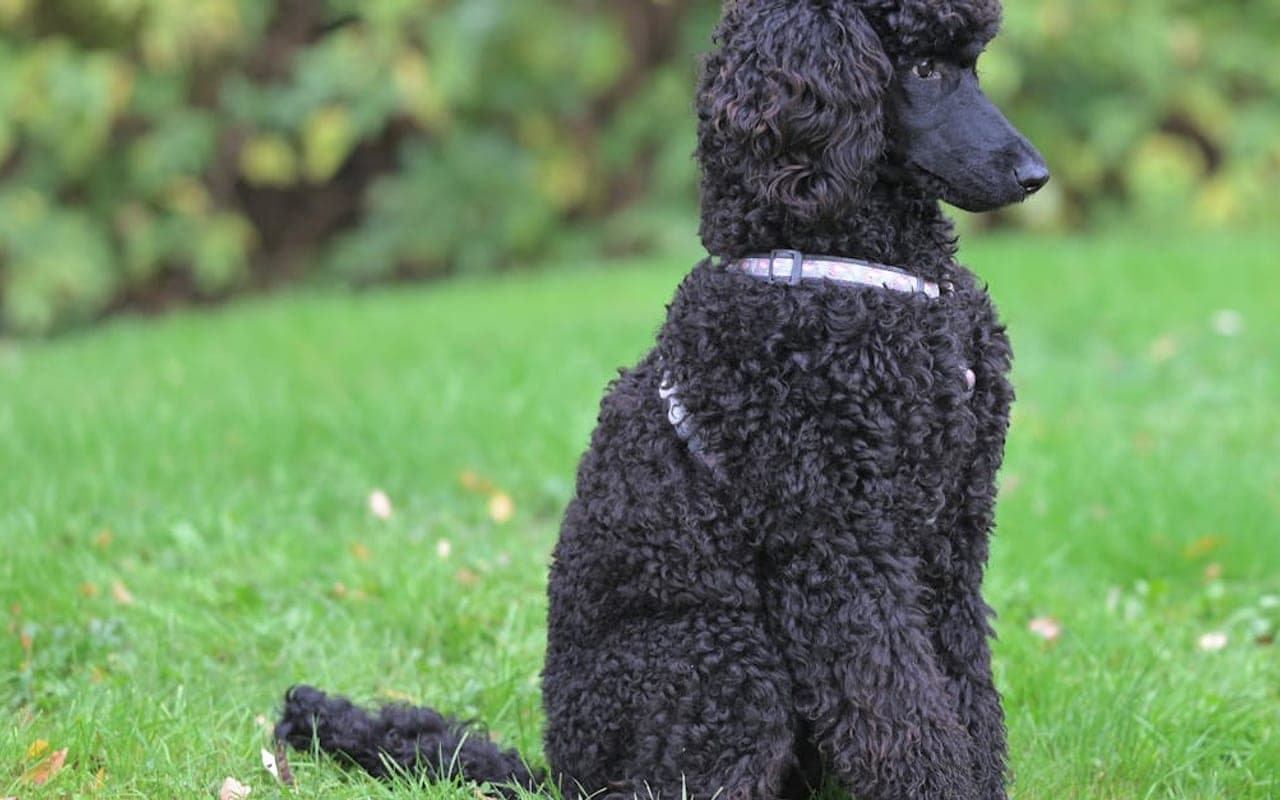
Poodle
Also in the Non-Sporting group, with different care and temperament tradeoffs.
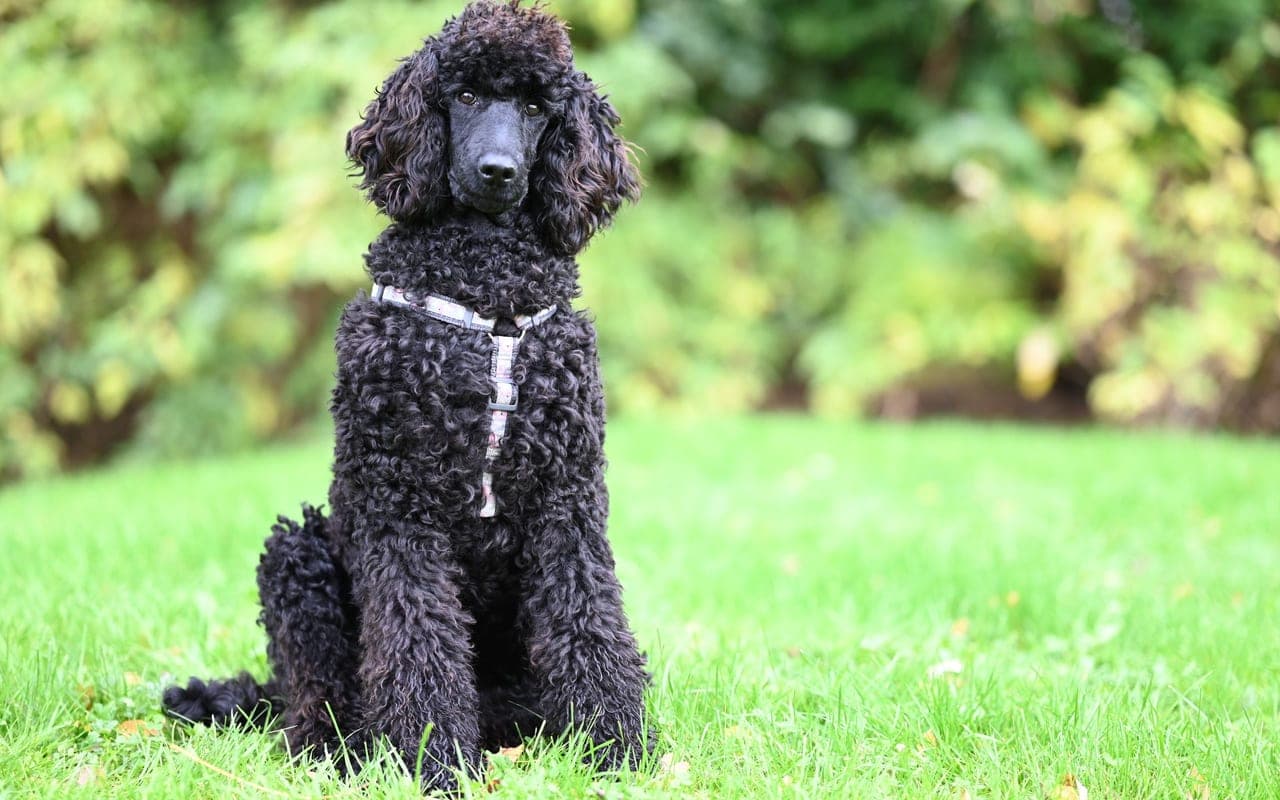
Poodle (Standard)
Also in the Non-Sporting group, with different care and temperament tradeoffs.
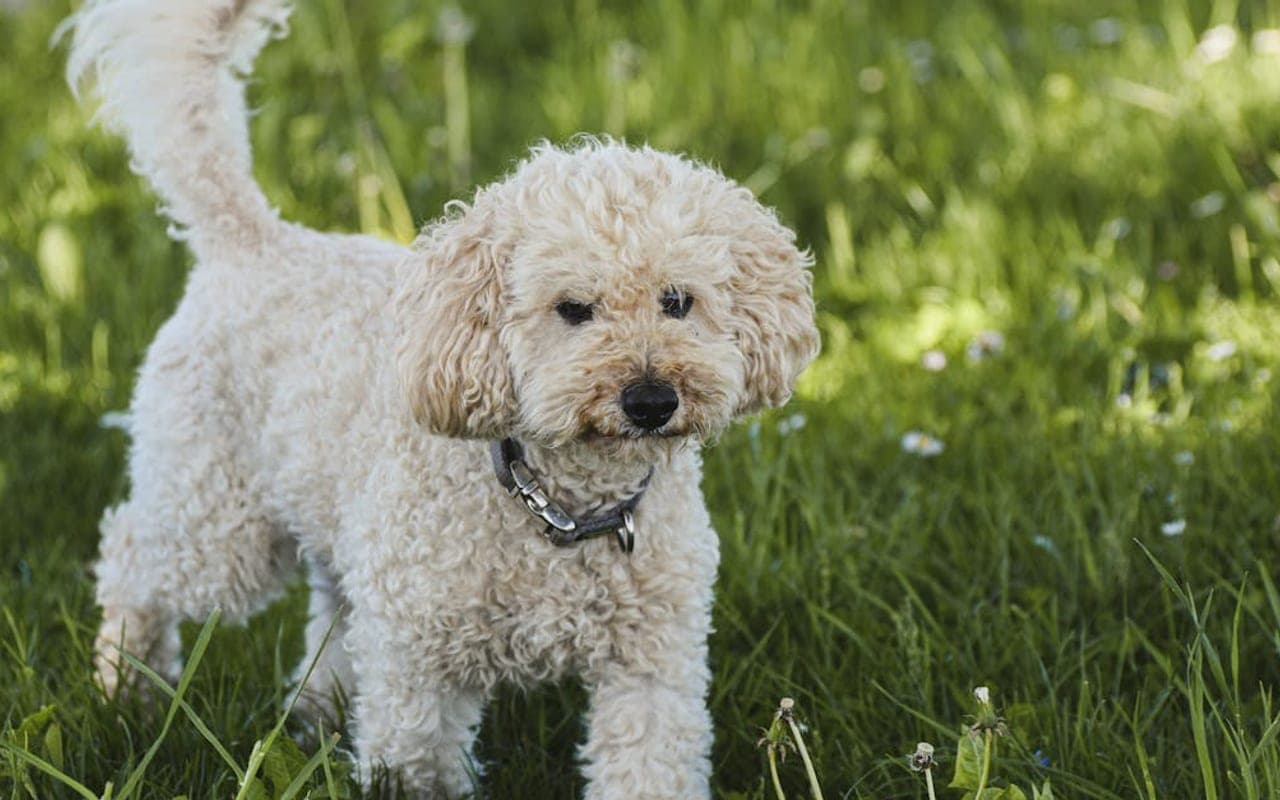
Poodle (Miniature)
Also in the Non-Sporting group, with different care and temperament tradeoffs.
Explore More About Schipperke
Dive deeper into everything Schipperke — costs, care, and expert insights.
Considering a cat instead?
Browse Cats