
Hound group
Scottish Deerhound
The Scottish Deerhound is a giant coursing sighthound built on the ancient Greyhound template but much larger and heavier-boned: males commonly stand 30-32 inches at the shoulder and weigh 85-110 pounds, females somewhat less.
Size
75-110 lb
Lifespan
8-11 years
Exercise
30-60 minutes
Shedding
Moderate
Experience
Match to owner routine
Decision first
Is a Scottish Deerhound right for you?
Start with fit before history or trivia. These are ownership signals, not guarantees about any individual dog.
Best suited for
- Households with children.
- Homes with other compatible pets.
- Apartment homes with a consistent routine.
- Owners seeking a manageable daily exercise routine.
Think carefully if
- You need a dog with almost no daily routine.
- You cannot keep up with grooming and preventive care.
- The dog will spend most days alone without support.
Conditional fit
Apartment fit depends on exercise, enrichment, noise management, and outdoor access.
Daily reality
Scottish Deerhound commitment snapshot
Daily exercise
30-60 minutes
Match activity to age, health, weather, and training goals.
Coat care
Moderate
Grooming needs vary by coat, shedding, and lifestyle.
Time alone
Needs planning
Most dogs need gradual alone-time conditioning and support.
Structured facts
Scottish Deerhound at a glance
The measurements and traits that most affect day-to-day life with this breed.
Group
Hound
Weight
75-110 lb
Height
28-32 in
Lifespan
8-11 years
Temperament
Gentle | Dignified | Polite
View all characteristics and methodology
Lifestyle fit
- Apartment suitability
- Likely fit
- Child friendliness
- Often good, with socialisation and supervision
- Other-pet fit
- Often compatible with careful introductions
Owner commitment
- Exercise
- 30-60 minutes
- Grooming
- Moderate
- Shedding
- Moderate
- Training
- Moderate
Environment and health
- Health risk
- Needs planning
Ratings combine structured breed data, visible breed fields, and editorial context. They are planning aids, not predictions for an individual dog.
Daily life
Scottish Deerhound temperament and behavior
The Scottish Deerhound is a giant coursing sighthound built on the ancient Greyhound template but much larger and heavier-boned: males commonly stand 30-32 inches at the shoulder and weigh 85-110 pounds, females somewhat less. The crisp, wiry coat — most prized in dark blue-gray — covers a tall, deep-chested, rangy frame topped by a long tapered head and gracefully arched neck. Bred to single-handedly pursue and pull down the giant Scottish red deer across open Highland country, this is a dog of enormous reach, speed, and quiet dignity. The central decision is not 'do I want a big gentle dog' but 'can I accept a giant breed with a short life and serious inherited risks.' Indoors the Deerhound is famously calm, polite, gentle, and undemanding — a tranquil presence that wants to lean on you and sleep on the couch. Outdoors it is a hardwired sighthound: it will chase running animals at high speed with no recall, and it needs safe space to gallop. It is too friendly to guard and too large and short-lived to take on lightly. Who the Scottish Deerhound is right for: an owner who wants a serene, dignified giant companion, has a securely fenced area for sprinting and walks on leash by default, can absorb the housing and feeding costs of a 100-pound dog, and is emotionally and financially prepared for a 8-11 year lifespan and breed-specific cancer and heart risks. Who it is wrong for: anyone wanting an off-leash dog, a small living space, a guard dog, or a long-lived breed. Choose the Deerhound clear-eyed about the trade-off: extraordinary temperament, sobering health and longevity realities.
Gentle | Dignified | Polite
Gentle
A common Scottish Deerhound temperament descriptor that should be interpreted alongside training, exercise, and household fit.
Dignified
A common Scottish Deerhound temperament descriptor that should be interpreted alongside training, exercise, and household fit.
Polite
A common Scottish Deerhound temperament descriptor that should be interpreted alongside training, exercise, and household fit.
Owner note
Temperament labels are starting points, not guarantees. Meet the individual dog and ask about behavior history whenever possible.
Care essentials
How to care for a Scottish Deerhound
What looking after one actually involves: exercise, grooming, food, training, and routine health.
ExerciseAs needed
- Moderately active breed needing 30-60 minutes of daily exercise.
GroomingAs needed
- Brush 2-3 times per week.
TrainingAs needed
- Consistent, patient training works best.
NutritionAs needed
- Feed high-quality dog food appropriate for age, size, and activity level.
Veterinary CareAs needed
- Annual wellness exams, vaccinations, dental care, and parasite prevention.
Health planning
Scottish Deerhound health risks and screening
Every breed has individual health variation. Use this profile for planning and discuss medical decisions with a veterinarian.
Responsible ownership
Finding a Scottish Deerhound responsibly
What to ask a breeder or rescue is the same conversation for every breed, so we keep it in one place and keep it current.
Health documentation, meeting the parents or foster, contracts and return support, and the warning signs worth walking away from.
Original purpose
Scottish Deerhound history
History is useful when it explains today's behavior, coat, exercise needs, and training style.
Read the breed history
The Scottish Deerhound is an ancient coursing hound long associated with the Scottish Highlands, where it was bred to chase, catch, and hold the large native red deer across vast open moorland before firearms made such hunting common. Its size, reach, stamina, and rough weatherproof coat were all selected for that single demanding task in cold, rugged country. For centuries ownership was tightly restricted by rank — the breed was so prized by Scottish nobility that it became known as the 'Royal Dog of Scotland,' and at times only those of earl rank or above could keep one, which nearly drove it to extinction when the clan system collapsed. Dedicated 19th-century breeders, notably Archibald and Duncan McNeill, rebuilt the breed from a narrow surviving base. That history of bottlenecks underlies the breed's modern inherited-disease profile. It was recognized by the American Kennel Club Hound Group in 1886 and remains relatively uncommon, kept mostly by sighthound and lure-coursing enthusiasts.
Gallery
Scottish Deerhound photos
Images are cropped consistently and loaded progressively to keep the page responsive.
Lower-page context
Scottish Deerhounds in culture
Where the breed shows up in film, sport, work and folklore — the enjoyable part, once the practical questions are answered.
Fun facts
- The Scottish Deerhound belongs to the Hound Group.
- The average lifespan of a Scottish Deerhound is 8 to 11 years.
- Scottish Deerhound dogs are valued for their gentle, dignified, polite nature.
Scottish Deerhound FAQs
How long do Scottish Deerhound dogs live?
Typically 8 to 11 years — a short lifespan even by giant-breed standards, driven heavily by the breed's high rate of osteosarcoma and its predisposition to dilated cardiomyopathy. There is no way to fully engineer this away, but you improve the odds by sourcing from lines with documented cardiac screening and longevity, keeping the dog lean to reduce joint and cancer stress, and committing to early veterinary workup of any persistent limp or exercise intolerance. Prospective owners should accept the short lifespan as part of the decision, not a surprise.
Are Scottish Deerhound dogs good with children?
Temperamentally yes — they are gentle, patient, polite, and remarkably tolerant. The real caution is mechanical, not behavioral: a 100-pound dog with a sweeping tail and a sighthound's sudden burst of speed can easily knock down a toddler unintentionally. Supervise interactions with very young children, give the dog an undisturbed resting space, and teach children not to climb on or startle a sleeping Deerhound. The breed is too friendly to be protective, so it is a companion, not a guardian.
How much exercise does a Scottish Deerhound need?
Despite being a famously calm couch dog indoors, an adult Deerhound needs 45-60+ minutes of daily exercise including regular opportunities to gallop at full stretch in a securely fenced space, plus leashed walks. It is built to sprint and loses condition without it. Critically, puppies must NOT be over-exercised or allowed to jump and do stairs heavily during their long growth period — protecting developing giant-breed joints for roughly the first 18 months is as important as exercising the adult.
Can a Scottish Deerhound be let off leash?
Only inside a fully enclosed, secure area. This is a coursing sighthound built to chase fast-moving prey, and once it locks onto a running animal it reaches around 30 mph and recall effectively disappears — this is hardwired, not a training gap. Walk on leash by default everywhere unfenced, use a securely fenced field or lure-coursing setting for sprinting, and never rely on voice control near roads, livestock, or wildlife.
How much grooming does a Scottish Deerhound need?
Low. The harsh, crisp coat needs only a 10-minute brush about once a week plus occasional hand-tidying of straggly hairs; it is a modest shedder and not high-maintenance. The more important physical-care tasks are providing a large orthopedic bed (lean giants develop pressure calluses and sores on hard floors), keeping nails trimmed every 2-3 weeks, and brushing teeth several times weekly. Coat care is minor; joint, weight, and bloat management are where the real attention goes.
What is the biggest health concern with a Scottish Deerhound?
Osteosarcoma — bone cancer — is the breed's defining and most heartbreaking risk, affecting well over 15% of Deerhounds, usually around 7-8 years of age, and often presenting first as a limp or limb swelling. Dilated cardiomyopathy is the second major concern. There is no preventive screen that eliminates osteosarcoma, so the responsible approach is sourcing from health-tracking lines, getting any persistent lameness imaged early, and being financially and emotionally prepared for the possibility — it is the single most important factor to understand before choosing this breed.
Sources
These are the published sources this page draws on. Each opens in a new tab so you can check it yourself.
American Kennel Club
Scottish Deerhound — breed standard and profile(opens in a new tab)Supports: Breed standard and recognition details.
Similar breeds to consider
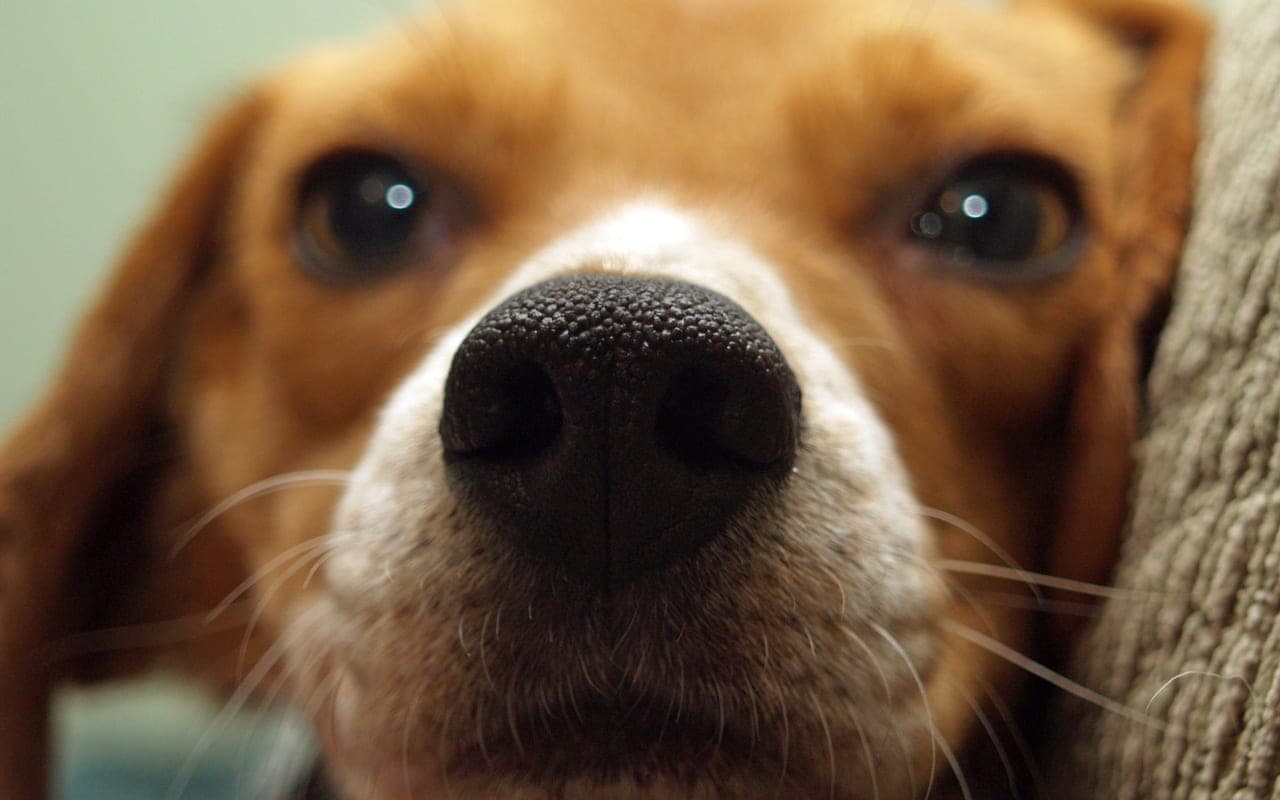
Beagle
Also in the Hound group, with different care and temperament tradeoffs.

Dachshund
Also in the Hound group, with different care and temperament tradeoffs.
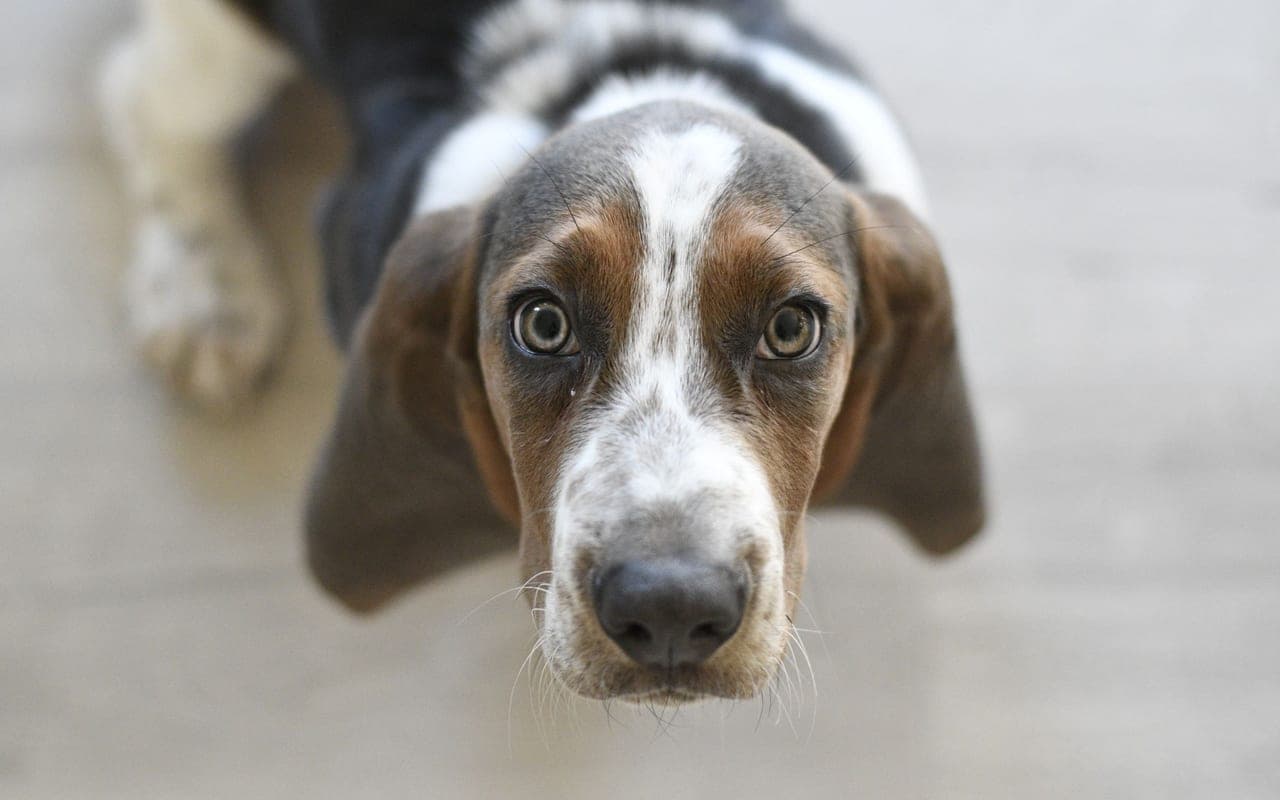
Basset Hound
Also in the Hound group, with different care and temperament tradeoffs.
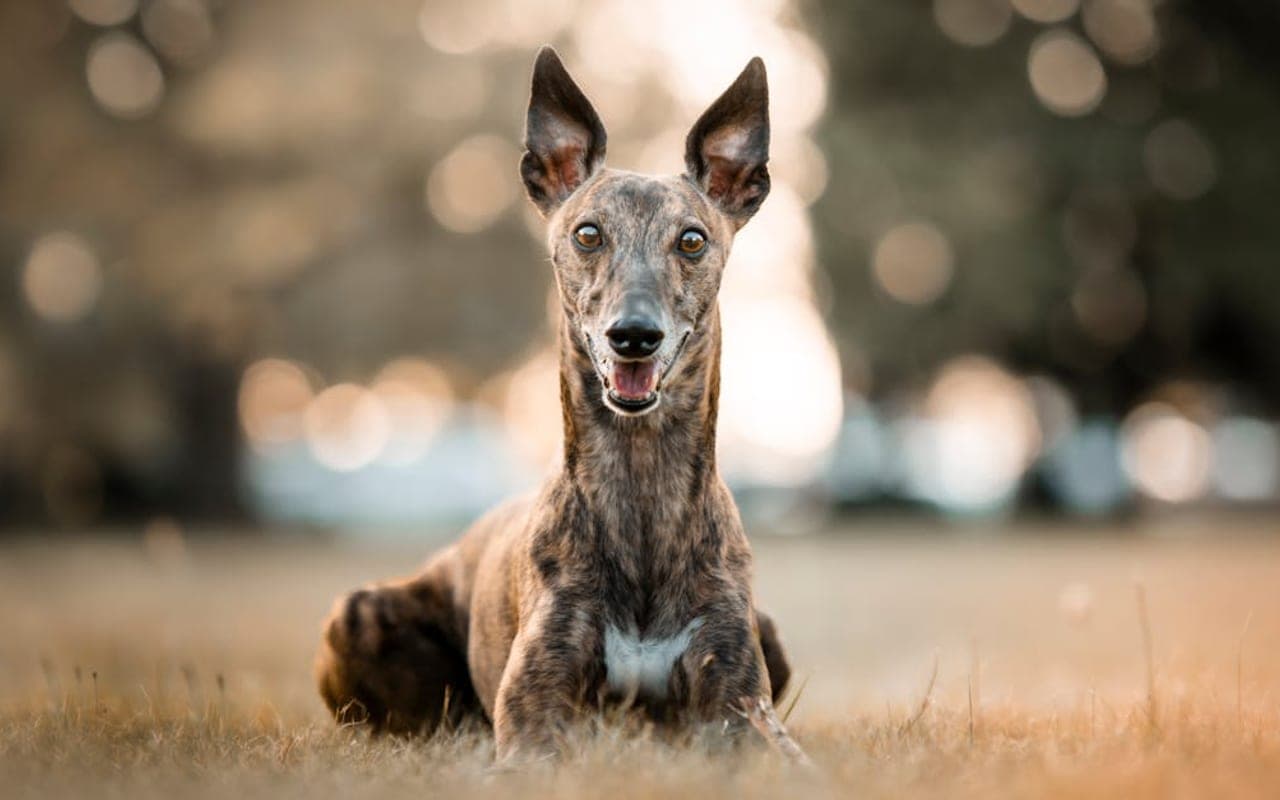
Greyhound
Also in the Hound group, with different care and temperament tradeoffs.
Explore More About Scottish Deerhound
Dive deeper into everything Scottish Deerhound — costs, care, and expert insights.
Considering a cat instead?
Browse Cats