
Terrier group
Scottish Terrier
The Scottish Terrier — the "Scottie" — is a 18-22 lb dog with the personality of an animal three times its size and the cancer risk of one too.
Size
19-22 lb
Lifespan
12-15 years
Exercise
60-90 minutes
Shedding
Low
Experience
Match to owner routine
Decision first
Is a Scottish Terrier right for you?
Start with fit before history or trivia. These are ownership signals, not guarantees about any individual dog.
Best suited for
- Apartment homes with a consistent routine.
- Active owners who enjoy daily outdoor exercise.
Think carefully if
- You cannot provide substantial daily exercise.
- You cannot keep up with grooming and preventive care.
- The dog will spend most days alone without support.
Conditional fit
Apartment fit depends on exercise, enrichment, noise management, and outdoor access.
Daily reality
Scottish Terrier commitment snapshot
Daily exercise
60-90 minutes
Match activity to age, health, weather, and training goals.
Time alone
Needs planning
Most dogs need gradual alone-time conditioning and support.
Structured facts
Scottish Terrier at a glance
The measurements and traits that most affect day-to-day life with this breed.
Origin
Scotland
Group
Terrier
Weight
19-22 lb
Height
10-11 in
Lifespan
12-15 years
Temperament
Independent | Confident | Dignified | Alert | Loyal | Spirited
View all characteristics and methodology
Lifestyle fit
- Apartment suitability
- Likely fit
Owner commitment
- Exercise
- 60-90 minutes
- Shedding
- Low
- Training
- Moderate
Environment and health
- Health risk
- Needs planning
Ratings combine structured breed data, visible breed fields, and editorial context. They are planning aids, not predictions for an individual dog.
Daily life
Scottish Terrier temperament and behavior
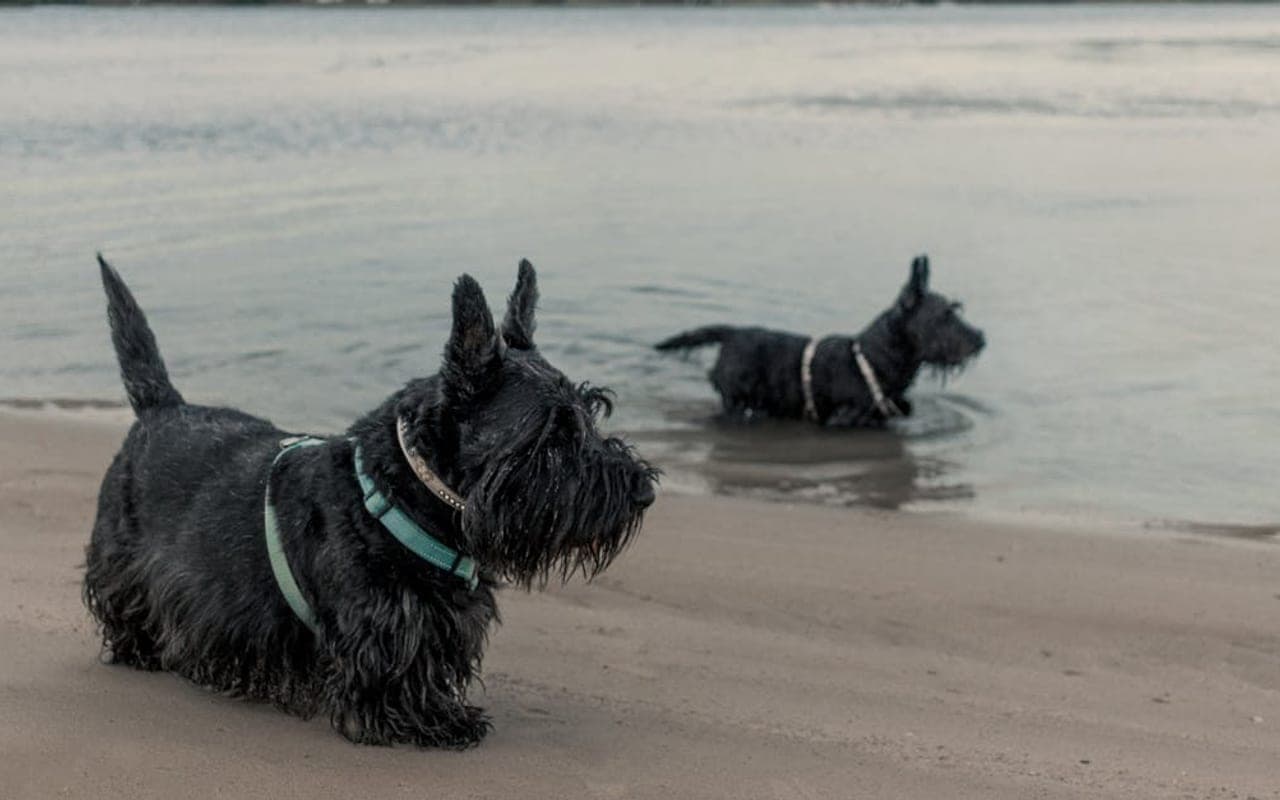
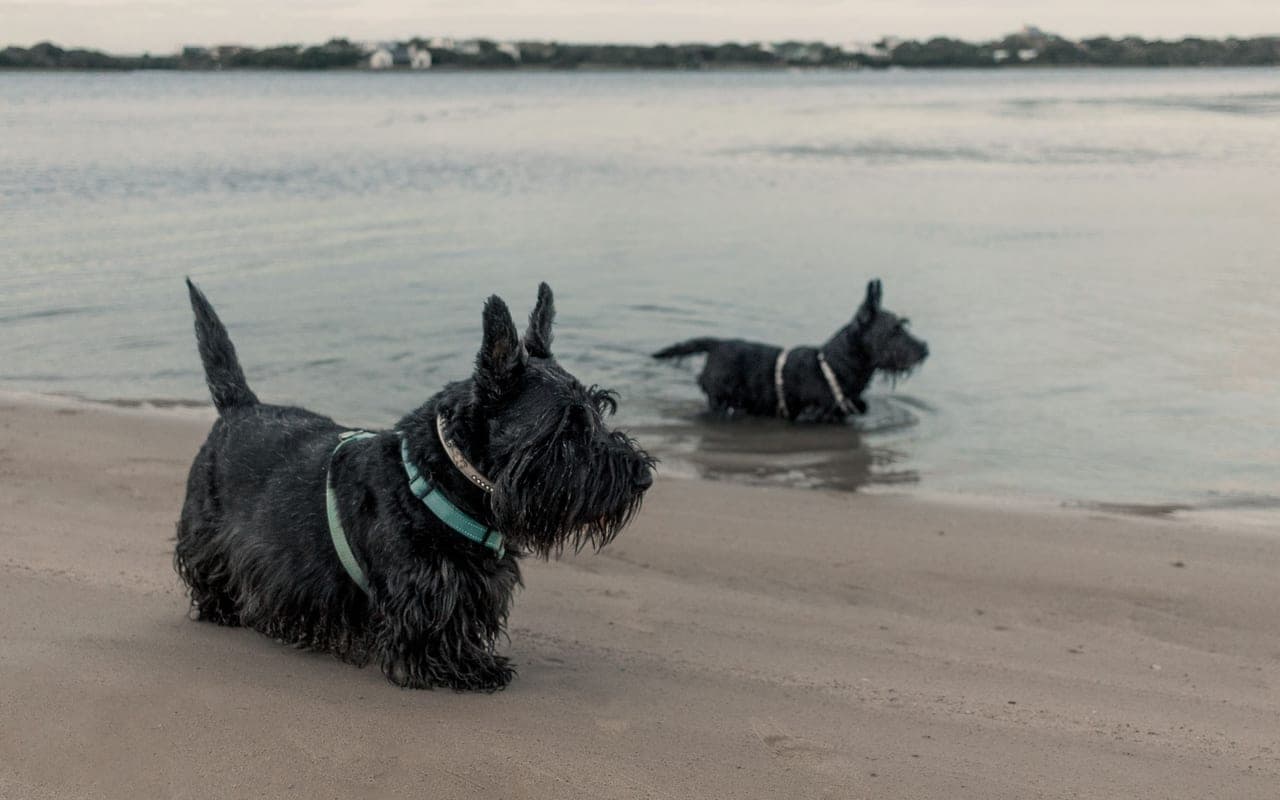
The Scottish Terrier — the "Scottie" — is a 18-22 lb dog with the personality of an animal three times its size and the cancer risk of one too. That second sentence is the one most breed profiles bury, and it should not be buried: no small breed carries a heavier oncologic burden than the Scottie. If you take one fact away from this page, make it that one, because it shapes every decision that follows. Physically the Scottie is unmistakable: a low, brick-shaped body on short legs, a hard wiry double coat in black, wheaten or brindle, a prominent beard and eyebrows, and erect ears that miss nothing. They were built underground to corner badger and fox, and that job is still in the temperament. Scotties are independent, confident, territorial, and famously stubborn — the breed's nickname is "the Diehard." They bond intensely to their household, are aloof and unbought by strangers, and will bark at anything that crosses the perimeter. They are not biddable golden-retriever dogs and an owner expecting that will be frustrated; they are dignified, opinionated companions that decide when they want affection. This is a good apartment dog by size and energy (one solid walk plus a play session a day), and an excellent watchdog. They tolerate older, respectful children better than toddlers who grab. They are not dog-park dogs — terrier sharpness toward other dogs is normal, not a training failure. Who the Scottie is right for: an owner who wants a characterful, low-shedding, independent small dog AND who buys from health-tested lines, budgets for grooming, and accepts that this breed needs lifelong cancer vigilance. Who it is wrong for: anyone who wants an easy, soft, eager-to-please dog, or who cannot afford the screening and potential oncology costs this breed honestly carries.
Independent | Confident | Dignified | Alert | Loyal | Spirited
Independent
A common Scottish Terrier temperament descriptor that should be interpreted alongside training, exercise, and household fit.
Confident
A common Scottish Terrier temperament descriptor that should be interpreted alongside training, exercise, and household fit.
Dignified
A common Scottish Terrier temperament descriptor that should be interpreted alongside training, exercise, and household fit.
Alert
A common Scottish Terrier temperament descriptor that should be interpreted alongside training, exercise, and household fit.
Owner note
Temperament labels are starting points, not guarantees. Meet the individual dog and ask about behavior history whenever possible.
Care essentials
How to care for a Scottish Terrier
What looking after one actually involves: exercise, grooming, food, training, and routine health.
ExerciseAs needed
- Scottish Terriers need moderate daily exercise to maintain their physical and mental health. A couple of brisk 20-30 minute walks, plus some play sessions, will generally meet their needs. They enjoy exploring fenced yards but should never be left off-leash in unsecured areas due to their strong hunting instinct.
GroomingAs needed
- The distinctive wiry coat of the Scottish Terrier requires regular maintenance. Professional hand-stripping (removing dead hair by hand) every few months maintains the proper texture and appearance. If not showing the dog, regular clipping every two months is an alternative. Weekly brushing, regular nail trimming, ear cleaning, and dental care are also important.
NutritionAs needed
- A high-quality dog food appropriate for the dog's age, size, and activity level is recommended. Scottish Terriers can be prone to weight gain, so portion control is important. They typically do well with measured amounts of food twice daily, rather than free feeding.
Health ConsiderationsAs needed
- Scottish Terriers are generally healthy, but like all breeds, they're prone to certain health conditions, including von Willebrand's disease (a blood clotting disorder), Scottie cramp (a movement disorder), craniomandibular osteopathy, and certain types of cancer. Regular veterinary check-ups are essential for early detection of any health issues.
Health planning
Scottish Terrier health risks and screening
Every breed has individual health variation. Use this profile for planning and discuss medical decisions with a veterinarian.
Ownership cost
How much does a Scottish Terrier cost?
Cost figures are structured so first-year and lifetime estimates do not conflict with the underlying line items.
| Acquisition | $800-$2,500 |
|---|---|
| Routine monthly | About $90/month |
| Routine annual | About $1,080/year |
| First-year estimate | $1,880-$3,580 |
| Lifetime routine estimate | $12,960-$16,200 routine costs |
Currency: USD. Region: United States. Typical ranges for this breed. Equipment, insurance, emergency veterinary care, boarding and training are NOT included: we hold no sourced figures for them, and estimating them would be a guess presented as data.
Responsible ownership
Finding a Scottish Terrier responsibly
What to ask a breeder or rescue is the same conversation for every breed, so we keep it in one place and keep it current.
Health documentation, meeting the parents or foster, contracts and return support, and the warning signs worth walking away from.
Original purpose
Scottish Terrier history
History is useful when it explains today's behavior, coat, exercise needs, and training style.
Read the breed history
The Scottish Terrier comes from the Highlands of Scotland, where short-legged, hard-coated earth terriers were bred for centuries to go to ground after badger, fox and vermin on rocky hill farms. The modern breed was distinguished from the other Highland terriers (Cairn, West Highland White, Skye, Dandie Dinmont) and given a fixed standard in the late 1880s; the American Kennel Club recognized it in 1885. The Scottie reached cultural saturation in the 1930s and 40s — Franklin D. Roosevelt's "Fala" had near-celebrity status and is the only presidential pet with a statue at a presidential memorial, Eisenhower and later George W. Bush kept Scotties, and the breed is the model for the Monopoly dog token. That popularity has faded sharply: registrations have dropped enough that breed health organizations describe "the Diehard" as itself in decline, which raises the stakes on buying from lines that DNA-test for von Willebrand disease and screen for the breed's cancers rather than from volume sources.
Gallery
Scottish Terrier photos
Images are cropped consistently and loaded progressively to keep the page responsive.
Lower-page context
Scottish Terriers in culture
Where the breed shows up in film, sport, work and folklore — the enjoyable part, once the practical questions are answered.
Fun facts
- Scottish Terriers have been owned by more U.S. Presidents than any other breed, including Franklin D. Roosevelt, Dwight D. Eisenhower, and George W. Bush.
- Roosevelt's Scottie, Fala, was so famous that he has his own statue at the FDR Memorial in Washington, D.C.
- The iconic Monopoly dog token is based on a Scottish Terrier.
- Scotties were one of the most popular breeds in the 1930s and 40s, appearing in many advertisements and films of the era.
- Despite their small size, Scottish Terriers were bred to hunt badgers and foxes, which explains their fearless and tenacious nature.
Scottish Terrier FAQs
How long do Scottish Terriers live?
Sources cluster between 11-13 and 12-15 years, and the gap is informative: the lower figure reflects how heavily cancer — particularly lymphoma and bladder TCC — drives Scottie mortality compared with other small breeds. A Scottie from cancer-screened, health-tested lines that gets twice-yearly bloodwork from middle age, stays lean, and is not exposed to lawn herbicides has a realistic shot at the upper end. Lifespan in this breed is less about luck than about line selection and surveillance.
Why do Scottish Terriers get bladder cancer so often?
Scotties have an estimated 18-20 times higher risk of transitional cell carcinoma of the bladder than the average dog — the highest of any breed — due to a strong genetic predisposition. Documented environmental multipliers include older-generation flea dips and lawn herbicides/pesticides, so avoiding treated lawns is a concrete, free risk reduction. Practically: treat blood in the urine, straining, or repeated urinary infections in an adult Scottie as a same-day vet visit, not a wait-and-see. Early detection is the single biggest lever on outcome and cost.
What is Scottie cramp and is it serious?
Scottie cramp is an inherited disorder of serotonin metabolism unique to the breed. During excitement or hard exercise the dog's legs and spine hyperextend and arch, producing a stilted or "goose-stepping" gait or a tumble. It looks alarming but it is not painful, not progressive, and does not shorten life — most affected Scotties are normal pets that simply need excitement managed. The reason to know it exists is so you don't mistake it for a seizure or spinal emergency, and so you ask breeders about it before buying.
How much grooming does a Scottish Terrier need?
More than most owners expect for a small dog. The wiry double coat is low-shedding but high-upkeep: pet Scotties are clipped by a groomer every 6-8 weeks at roughly $50-$80 a visit (~$400-$650 a year), show dogs are hand-stripped. At home, brush twice weekly and clean the beard and leg furnishings after meals and wet walks, because a damp, dirty beard is a reliable route to skin and bacterial infection. Budget the grooming cost before you buy — it is a recurring, non-optional line item.
Are Scottish Terriers good with other dogs and children?
Reservedly. Scotties were bred to work alone underground and carry strong same-sex dog reactivity and prey drive — this is normal breed behavior, not a training defect, and dog parks are usually a poor fit. With children they do best with older kids who respect a dog that decides when it wants contact; they are not tolerant of grabbing toddlers and will correct rather than absorb rough handling. Early, consistent socialization improves dog tolerance but rarely makes a Scottie a free-for-all social dog.
Are Scottish Terriers easy to train?
No, and buying one expecting biddability is the most common owner mistake. The breed's nickname is "the Diehard" for a reason: Scotties are intelligent but independent and were selected to make decisions without a handler underground. They respond to short, consistent, reward-based sessions and shut down under harsh correction. Expect reliable house manners and tricks but not off-leash recall — the prey drive overrides it. If you want an obedient, eager-to-please dog, this is the wrong breed; if you want a characterful partner, train for cooperation, not control.
Sources
These are the published sources this page draws on. Each opens in a new tab so you can check it yourself.
American Kennel Club
Scottish Terrier — breed standard and profile(opens in a new tab)Supports: Breed standard and recognition details.
Similar breeds to consider
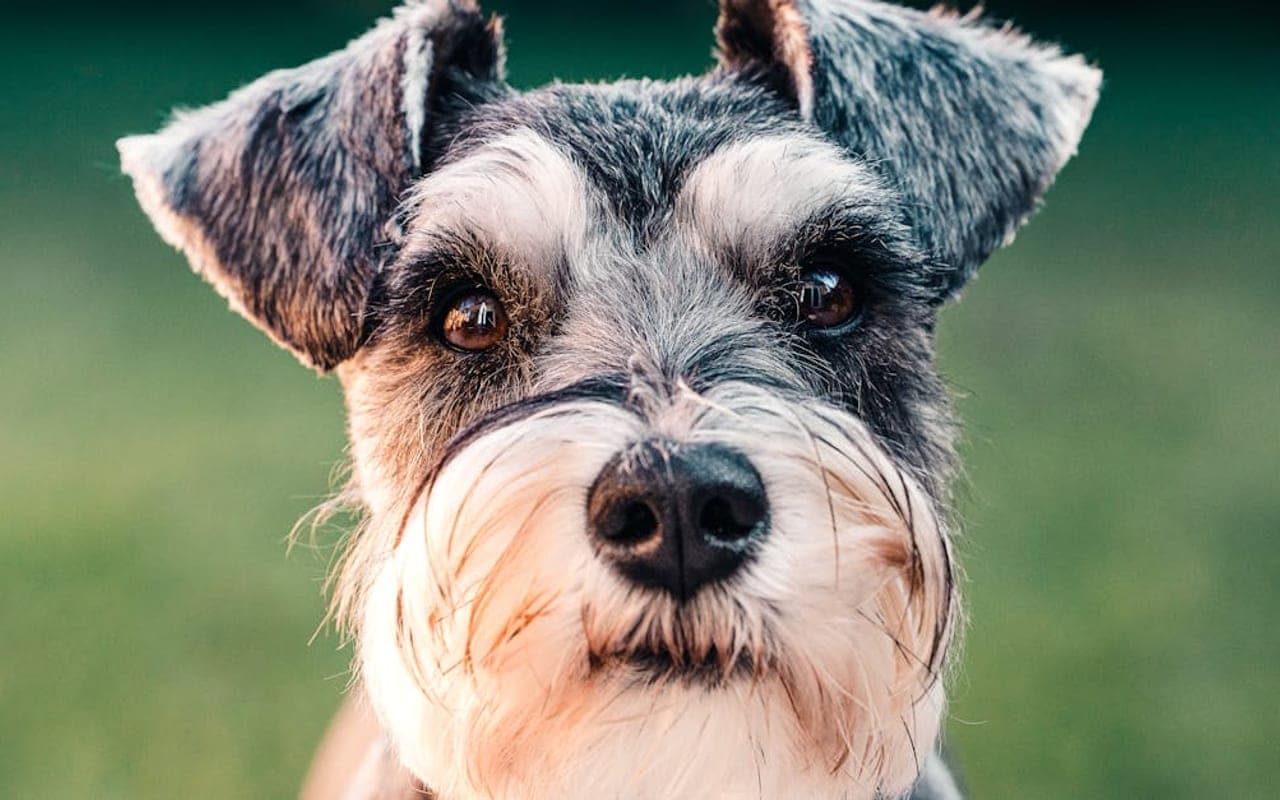
Miniature Schnauzer
Also in the Terrier group, with different care and temperament tradeoffs.
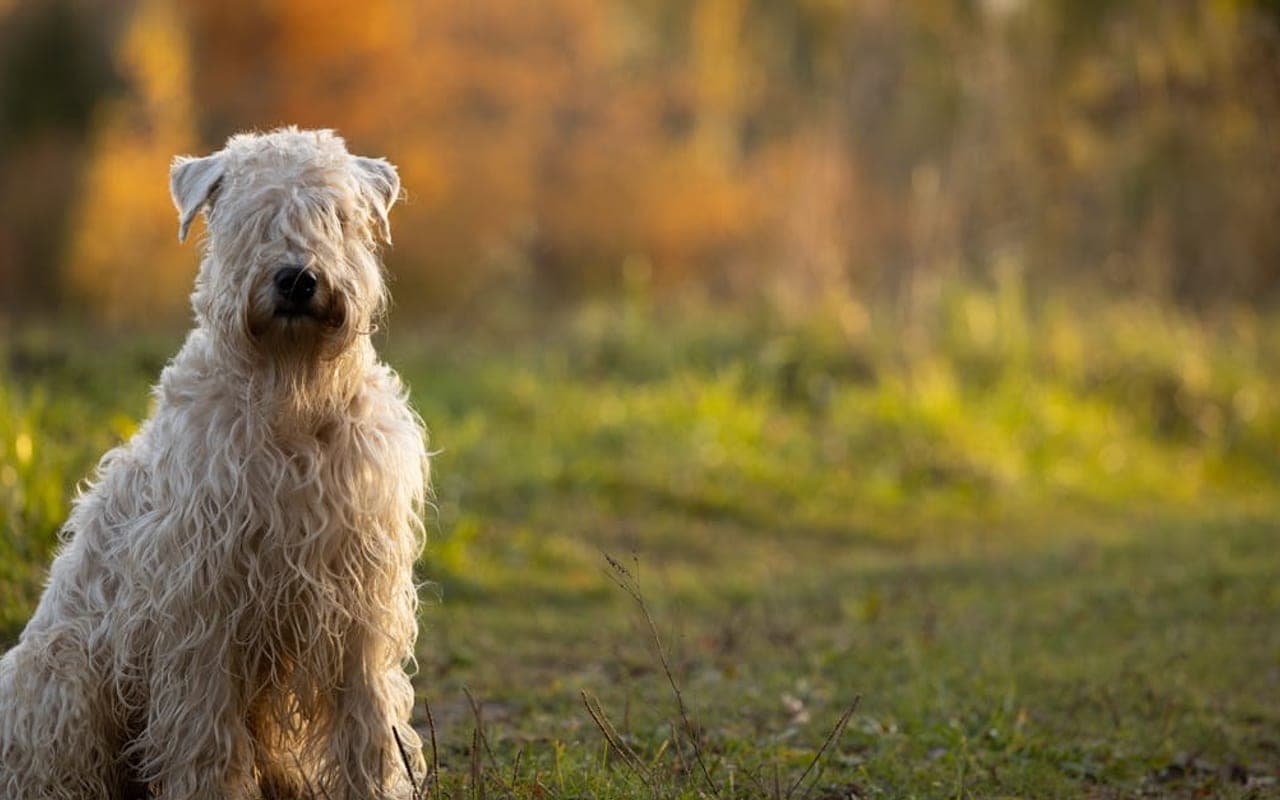
Soft Coated Wheaten Terrier
Also in the Terrier group, with different care and temperament tradeoffs.
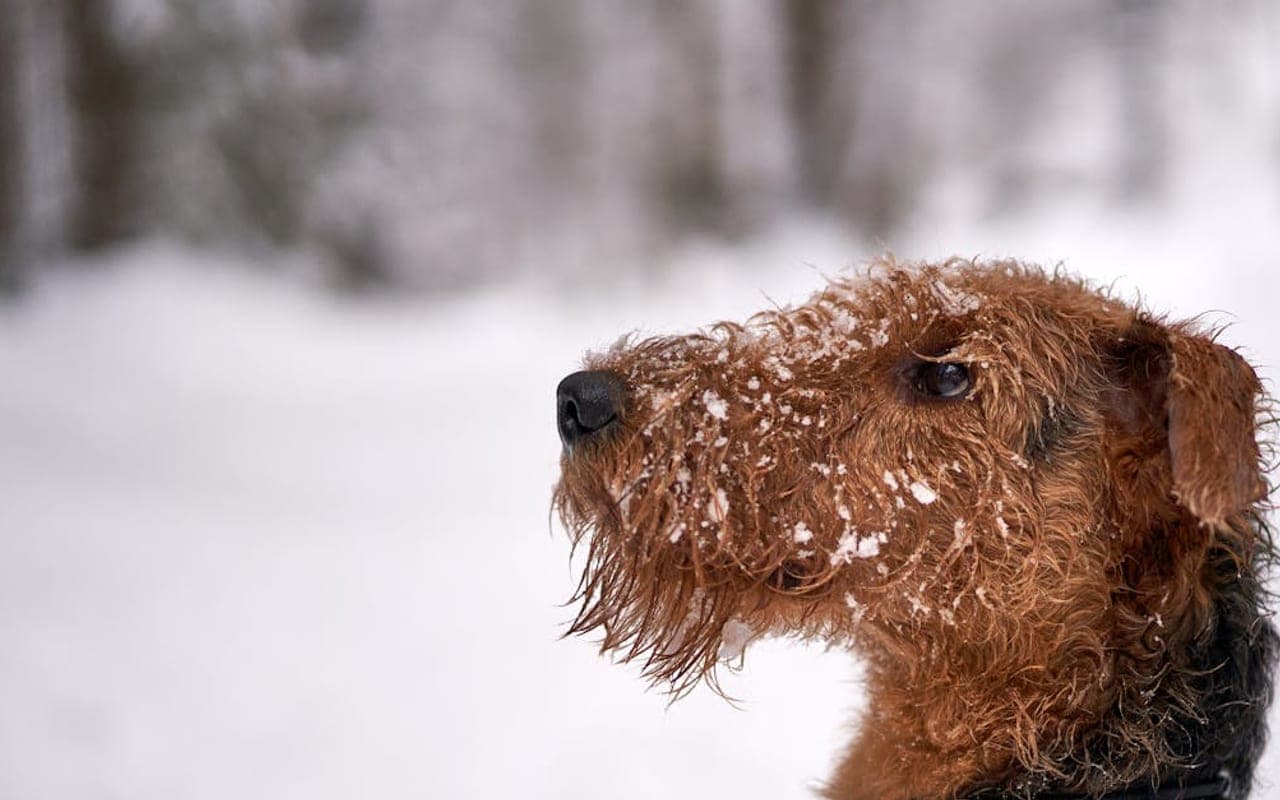
Airedale Terrier
Also in the Terrier group, with different care and temperament tradeoffs.
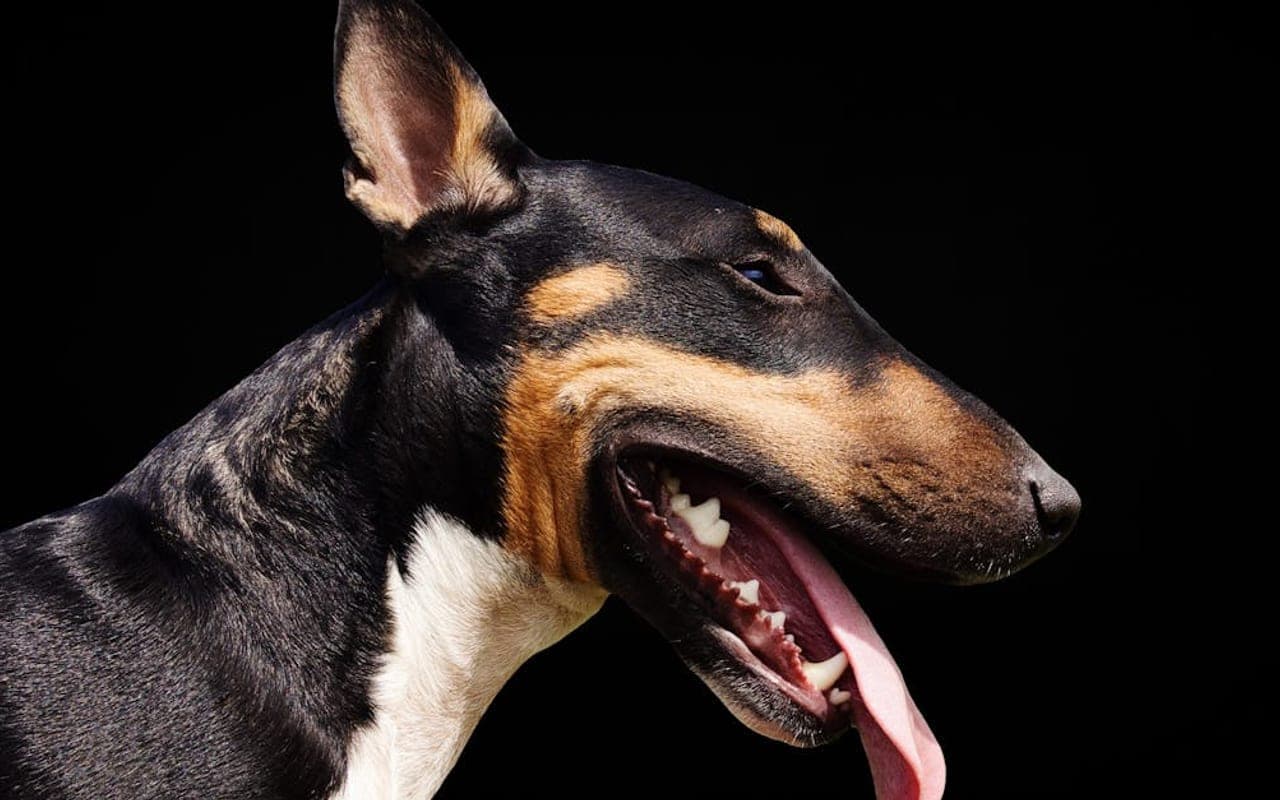
Bull Terrier
Also in the Terrier group, with different care and temperament tradeoffs.
Explore More About Scottish Terrier
Dive deeper into everything Scottish Terrier — costs, care, and expert insights.
How Much Does a Scottish Terrier Cost?
Purchase price, monthly costs, and lifetime expenses
Scottish Terrier Care Guide
This Scottish Terrier care guide gives owners a practical plan...
Considering a cat instead?
Browse Cats