
Foundation Stock Service group
Small Munsterlander Pointer
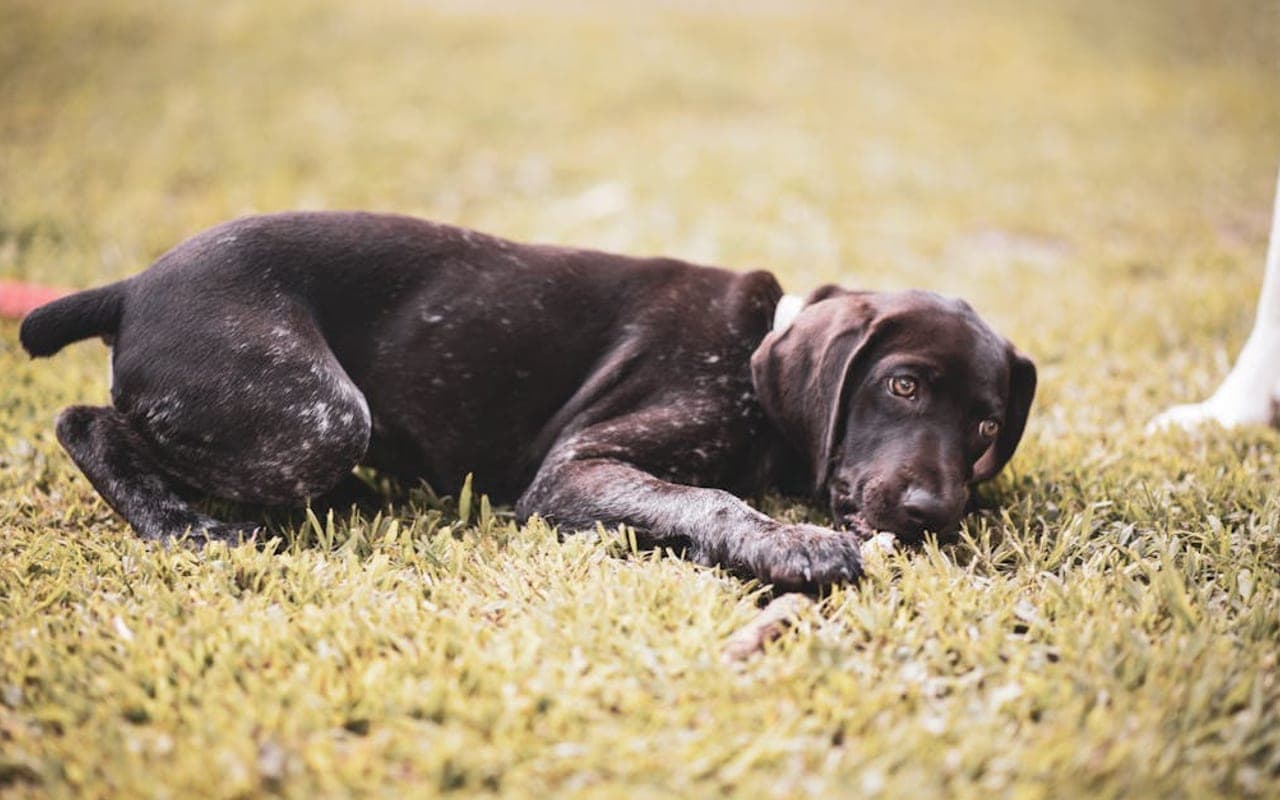
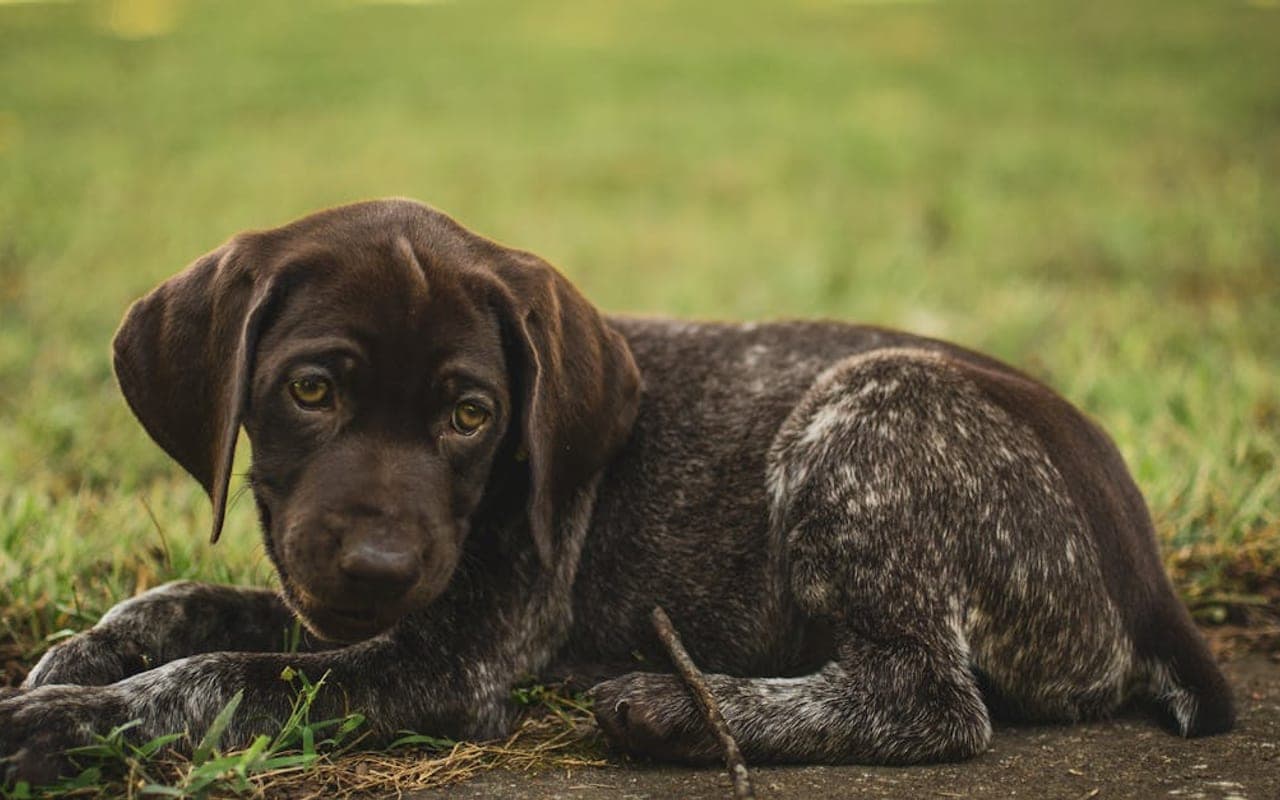
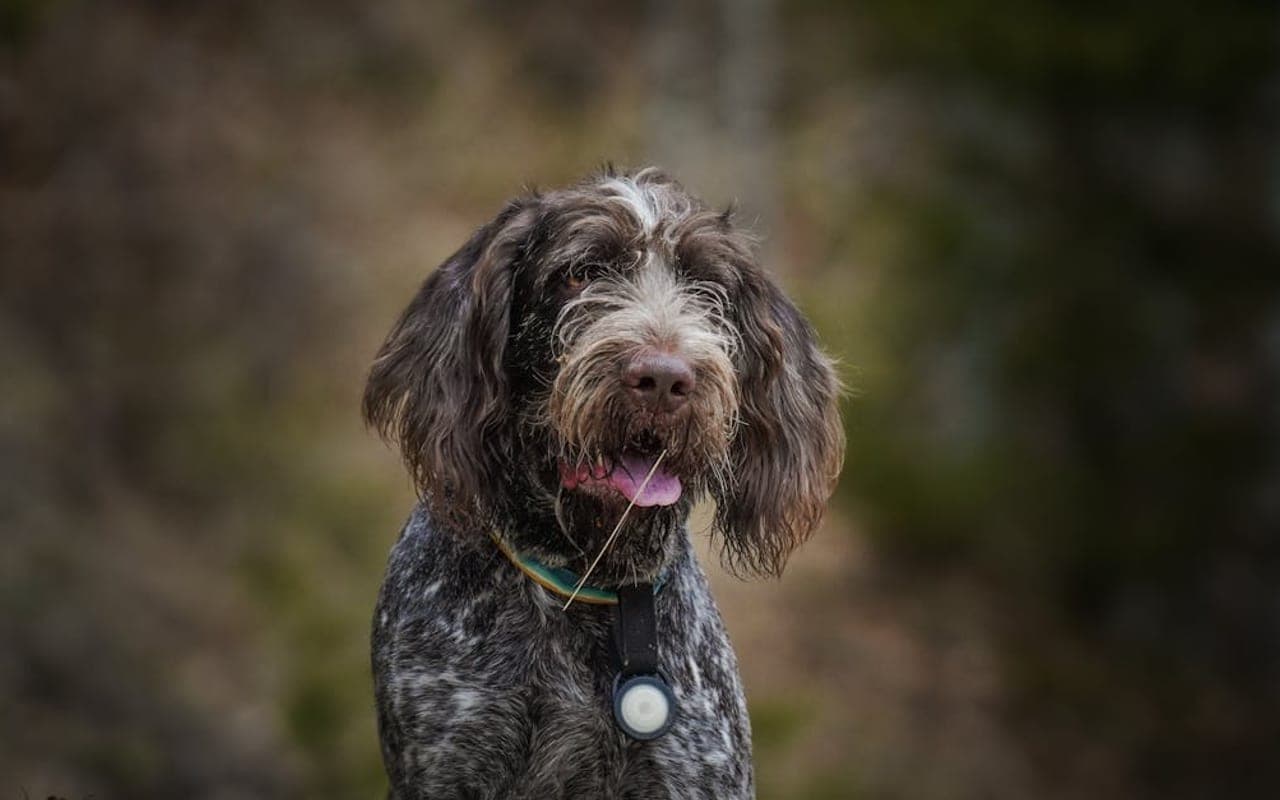
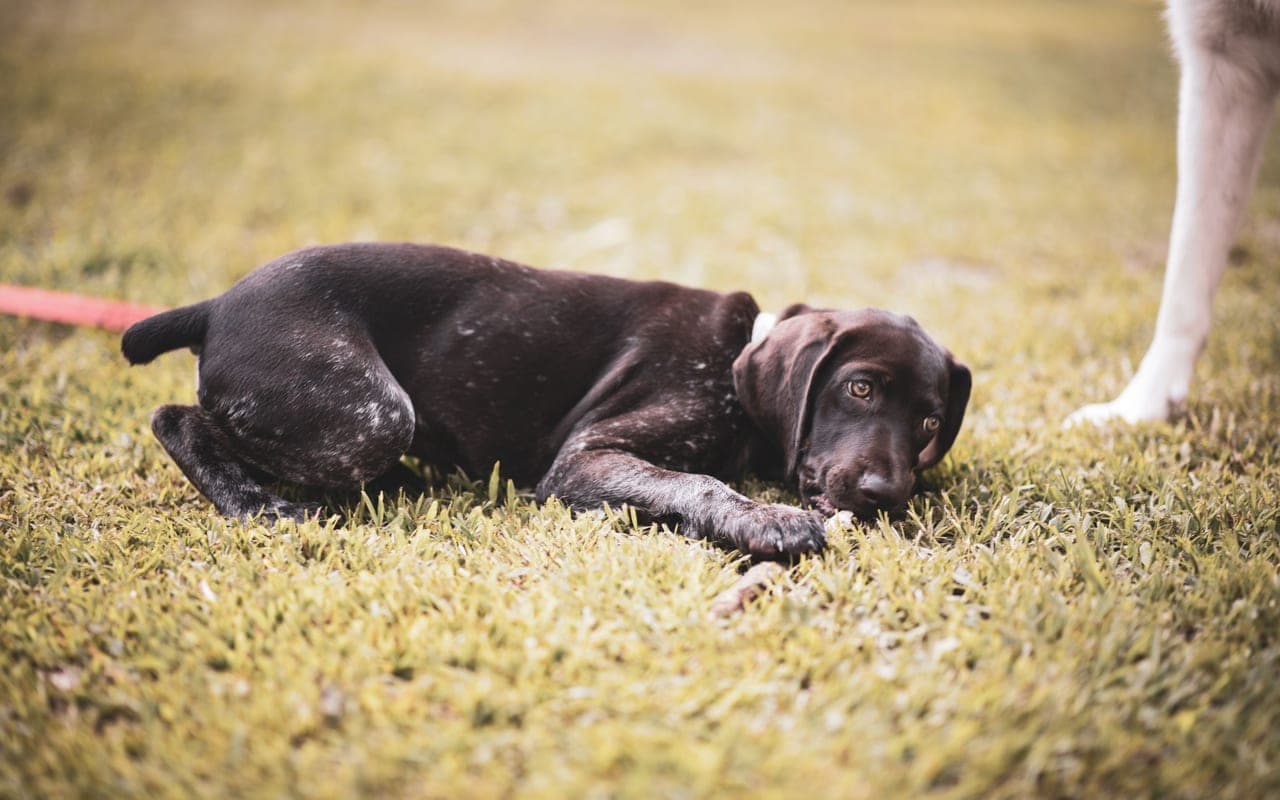
The Small Munsterlander (Kleiner Münsterländer in its native Germany) is a versatile German hunting dog — a pointer, retriever, and tracker in one medium-sized, 40-60 lb spaniel-shaped body.
Size
37-57 lb
Lifespan
12-14 years
Exercise
20-40 minutes
Shedding
Moderate
Experience
Match to owner routine
Decision first
Is a Small Munsterlander Pointer right for you?
Start with fit before history or trivia. These are ownership signals, not guarantees about any individual dog.
Best suited for
- Households with children.
- Homes with other compatible pets.
- Apartment homes with a consistent routine.
- Owners seeking a manageable daily exercise routine.
Think carefully if
- You need a dog with almost no daily routine.
- You cannot keep up with grooming and preventive care.
- The dog will spend most days alone without support.
Conditional fit
Apartment fit depends on exercise, enrichment, noise management, and outdoor access.
Daily reality
Small Munsterlander Pointer commitment snapshot
Daily exercise
20-40 minutes
Match activity to age, health, weather, and training goals.
Coat care
Moderate
Grooming needs vary by coat, shedding, and lifestyle.
Time alone
Needs planning
Most dogs need gradual alone-time conditioning and support.
Structured facts
Small Munsterlander Pointer at a glance
The measurements and traits that most affect day-to-day life with this breed.
Group
Foundation Stock Service
Weight
37-57 lb
Height
20-22 in
Lifespan
12-14 years
Temperament
Intelligent | Devoted | Self-Confident
View all characteristics and methodology
Lifestyle fit
- Apartment suitability
- Likely fit
- Child friendliness
- Often good, with socialisation and supervision
- Other-pet fit
- Often compatible with careful introductions
Owner commitment
- Exercise
- 20-40 minutes
- Grooming
- Moderate
- Shedding
- Moderate
- Training
- Moderate
Environment and health
- Health risk
- Needs planning
Ratings combine structured breed data, visible breed fields, and editorial context. They are planning aids, not predictions for an individual dog.
Daily life
Small Munsterlander Pointer temperament and behavior
The Small Munsterlander (Kleiner Münsterländer in its native Germany) is a versatile German hunting dog — a pointer, retriever, and tracker in one medium-sized, 40-60 lb spaniel-shaped body. A true Small Munsterlander is a mid-size gundog, not a toy. The defining truth for a prospective owner is that this is a high-drive working breed first and a family dog second, and buying one for looks alone is the most common mistake made with the breed. This is one of the most rigorously bred sporting dogs in North America. The Small Munsterlander Club of North America (SMCNA) runs a breed-council approval system covering temperament, conformation, natural hunting ability, and mandatory health screening — which means a well-bred SM is a known quantity, but also that nearly every dog produced is built to hunt. The instinct does not switch off because you live in a suburb. Temperament with family is excellent: steady, even-tempered, deeply bonded, soft, and notably people-oriented — Small Munsterlanders sleep on your feet and want to be in the room. They are intelligent, biddable, and trainable, which makes them rewarding for an owner who channels the drive and frustrating for one who does not. They are sensitive dogs that wilt under harsh handling. Who the Small Munsterlander is right for: an active owner who hunts, runs canine sports, or commits to 1-2 hours of structured daily work and water access. Who it is wrong for: a sedentary household wanting a low-energy companion — an unworked SM becomes anxious, vocal, and destructive. Match the dog to the lifestyle, not the photo.
Intelligent | Devoted | Self-Confident
Intelligent
A common Small Munsterlander Pointer temperament descriptor that should be interpreted alongside training, exercise, and household fit.
Devoted
A common Small Munsterlander Pointer temperament descriptor that should be interpreted alongside training, exercise, and household fit.
Self-Confident
A common Small Munsterlander Pointer temperament descriptor that should be interpreted alongside training, exercise, and household fit.
Owner note
Temperament labels are starting points, not guarantees. Meet the individual dog and ask about behavior history whenever possible.
Care essentials
How to care for a Small Munsterlander Pointer
What looking after one actually involves: exercise, grooming, food, training, and routine health.
ExerciseAs needed
- Lower-energy breed content with daily walks.
GroomingAs needed
- Brush 2-3 times per week.
TrainingAs needed
- Consistent, patient training works best.
NutritionAs needed
- Feed high-quality dog food appropriate for age, size, and activity level.
Veterinary CareAs needed
- Annual wellness exams, vaccinations, dental care, and parasite prevention.
Health planning
Small Munsterlander Pointer health risks and screening
Every breed has individual health variation. Use this profile for planning and discuss medical decisions with a veterinarian.
Responsible ownership
Finding a Small Munsterlander Pointer responsibly
What to ask a breeder or rescue is the same conversation for every breed, so we keep it in one place and keep it current.
Health documentation, meeting the parents or foster, contracts and return support, and the warning signs worth walking away from.
Original purpose
Small Munsterlander Pointer history
History is useful when it explains today's behavior, coat, exercise needs, and training style.
Read the breed history
The Small Munsterlander originates in the Münster region of northwestern Germany, where it was developed in the late 19th and early 20th century as a versatile hunting dog — expected to point upland birds, track wounded game, and retrieve from land and water in a single day's work. It was bred by hunters for hunters, and that purpose still defines the dog. Unlike many show breeds, the Small Munsterlander has been protected from a split between working and conformation lines: in North America the Small Munsterlander Club of North America enforces a breed-council approval system that evaluates each breeding candidate for temperament, conformation, natural hunting aptitude, and certified health (mandatory hip and annual eye screening), plus a cooperating-breeders health-reporting program. The result is unusual genetic transparency for a rare breed and a population in which essentially every dog is a capable, hunt-driven gundog. For owners, the history is the warning label: the close-working, water-loving, high-drive temperament is engineered, not incidental, and it sets the daily exercise and engagement requirement.
Gallery
Small Munsterlander Pointer photos
Images are cropped consistently and loaded progressively to keep the page responsive.
Lower-page context
Small Munsterlander Pointers in culture
Where the breed shows up in film, sport, work and folklore — the enjoyable part, once the practical questions are answered.
Fun facts
- The Small Munsterlander Pointer belongs to the Foundation Stock Service.
- The average lifespan of a Small Munsterlander Pointer is 12 to 14 years.
- Small Munsterlander Pointer dogs are valued for their intelligent, devoted, self-confident nature.
Small Munsterlander Pointer FAQs
How long do Small Munsterlander Pointers live?
A Small Munsterlander typically lives 12-14 years, which is solid for a medium-large sporting breed and reflects the SMCNA's rigorous health-screening program. The dogs that reach the upper end are the lean, well-conditioned, hip-screened ones; obesity and untreated hypothyroidism are the most common avoidable factors that cut a working dog's life and career short. Buying from health-tested parents is the single biggest lever on longevity in this breed.
Are Small Munsterlanders good family dogs?
With their family they are excellent — steady, gentle, deeply bonded, patient with children, and notably people-oriented to the point of following you room to room. The caveat is energy, not temperament: a Small Munsterlander that does not get 1-2 hours of real daily work becomes anxious, vocal, and destructive, which families mistake for a behavior problem when it is an exercise deficit. They suit active families, not sedentary ones.
How much exercise does a Small Munsterlander need?
Plan on 1-2 hours of genuine activity daily, ideally including a job and water. This is a versatile gundog bred to point, track, and retrieve all day; field work, retrieving drills, swimming, tracking, and nose work satisfy it where a neighborhood walk does not. Mental work is essential — an SM worked physically but not engaged mentally still becomes restless. If you cannot commit to this, the breed is the wrong choice.
Are Small Munsterlanders easy to train?
Yes, with the right method. They are intelligent, biddable, and natural retrievers and pointers, which makes them quick learners for an experienced, consistent handler. The trade-off is sensitivity: Small Munsterlanders are soft dogs that shut down or become fearful under harsh corrections, so positive, reward-based training started young is essential. Their trainability is a strength only when the drive is given a productive outlet.
How much does a Small Munsterlander cost?
Expect roughly $1,500-$2,500 for a puppy from an SMCNA-approved breeder, reflecting the breed's mandatory health and aptitude testing and limited litters. The screening makes the higher price defensible — you are buying hip and eye certification and breed-council temperament evaluation, which materially lowers the risk of expensive inherited disease. Ongoing costs are moderate, but budget for proactive ear management in a frequent swimmer and possible thyroid medication in mid-life.
Do you have to hunt to own a Small Munsterlander?
You do not have to hunt, but you do have to replace hunting with an equivalent job. Nearly every Small Munsterlander is bred from working stock through the SMCNA program, so the drive is present whether or not you carry a gun. Owners who do not hunt succeed by substituting structured outlets — competitive obedience, agility, tracking, dock diving, regular swimming, and serious scent work — at a similar daily intensity. What fails is treating the dog as a casual pet; the instinct does not idle quietly, it needs a channel.
Sources
These are the published sources this page draws on. Each opens in a new tab so you can check it yourself.
American Kennel Club
Small Munsterlander Pointer — breed standard and profile(opens in a new tab)Supports: Breed standard and recognition details.
Similar breeds to consider
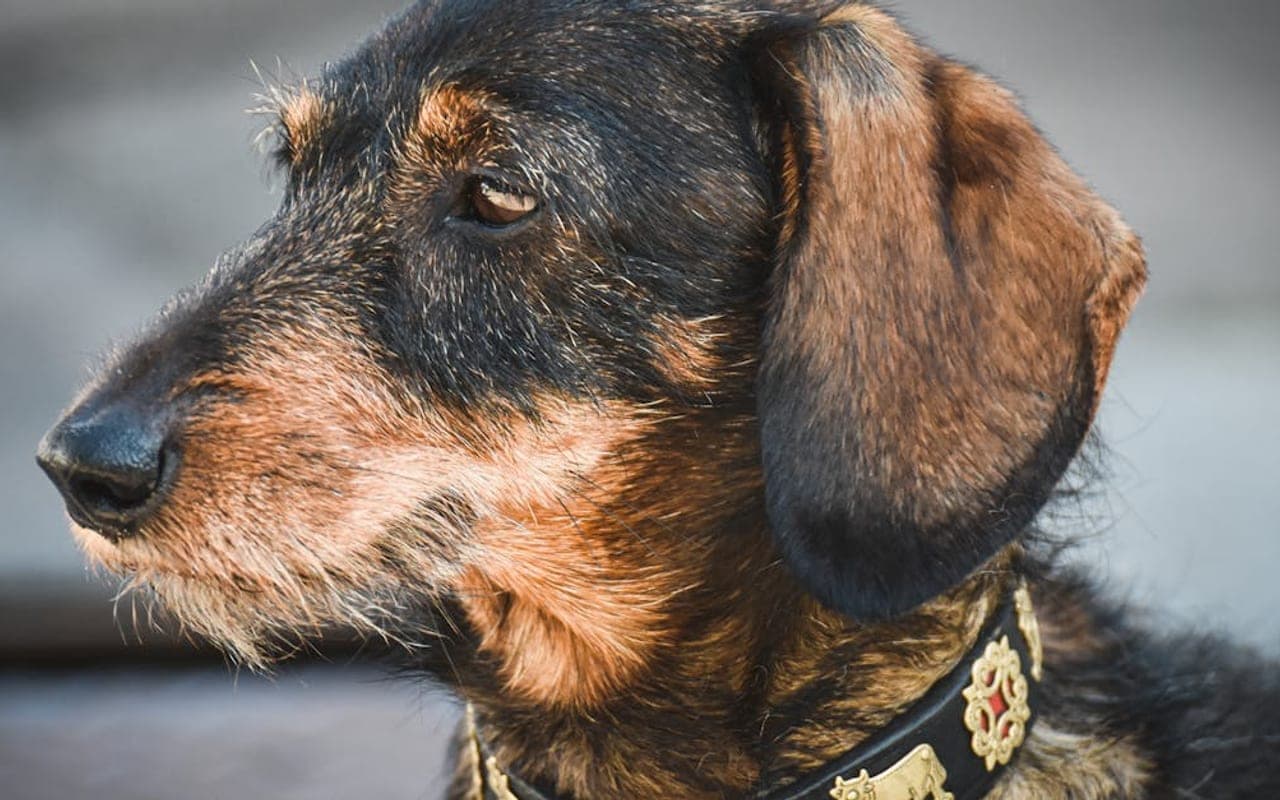
Jagdterrier
Also in the Foundation Stock Service group, with different care and temperament tradeoffs.
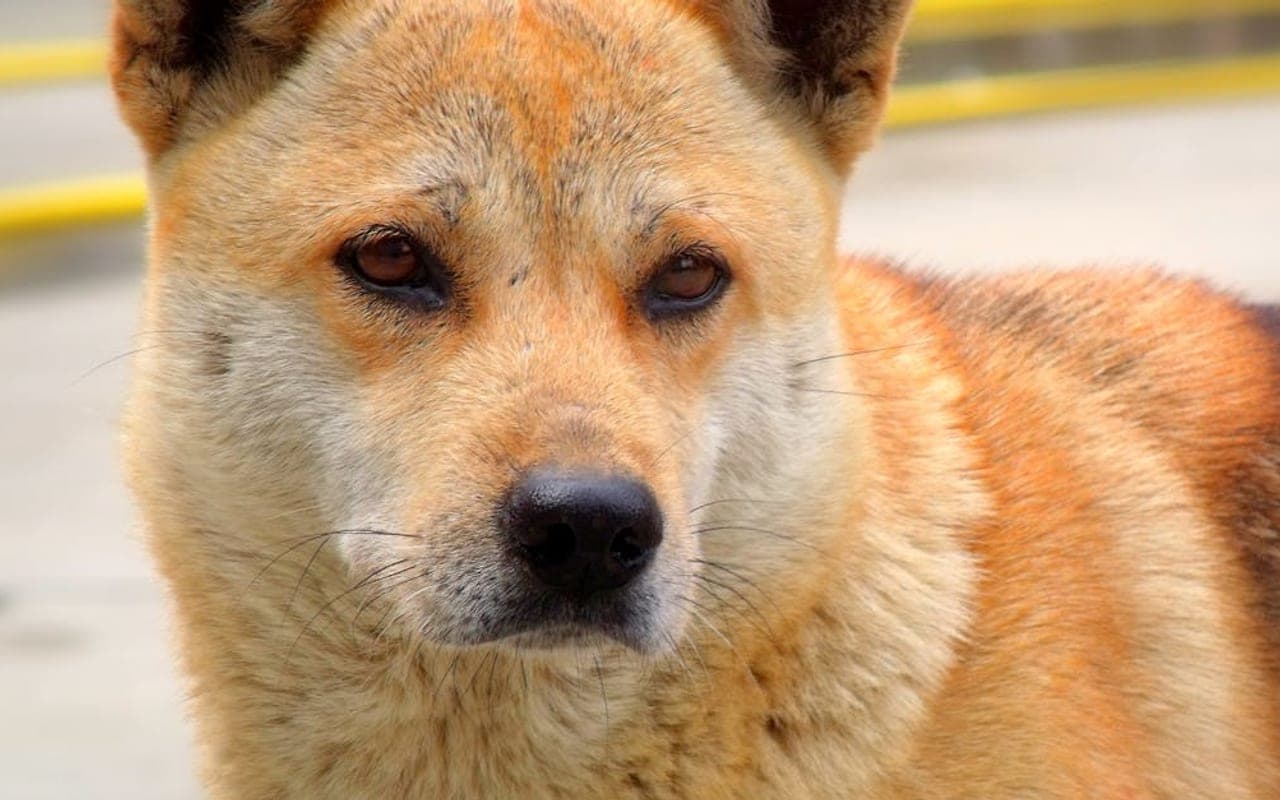
Jindo
Also in the Foundation Stock Service group, with different care and temperament tradeoffs.
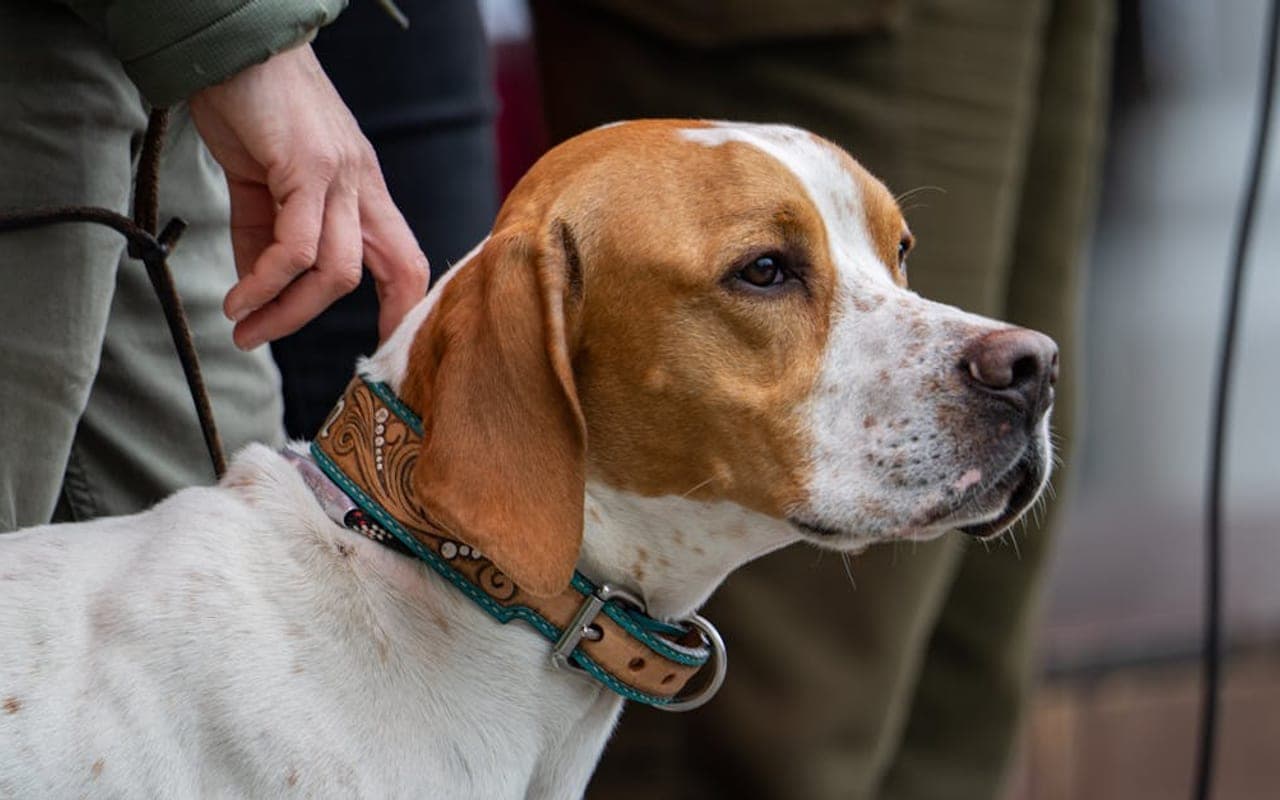
Portuguese Pointer
Also in the Foundation Stock Service group, with different care and temperament tradeoffs.
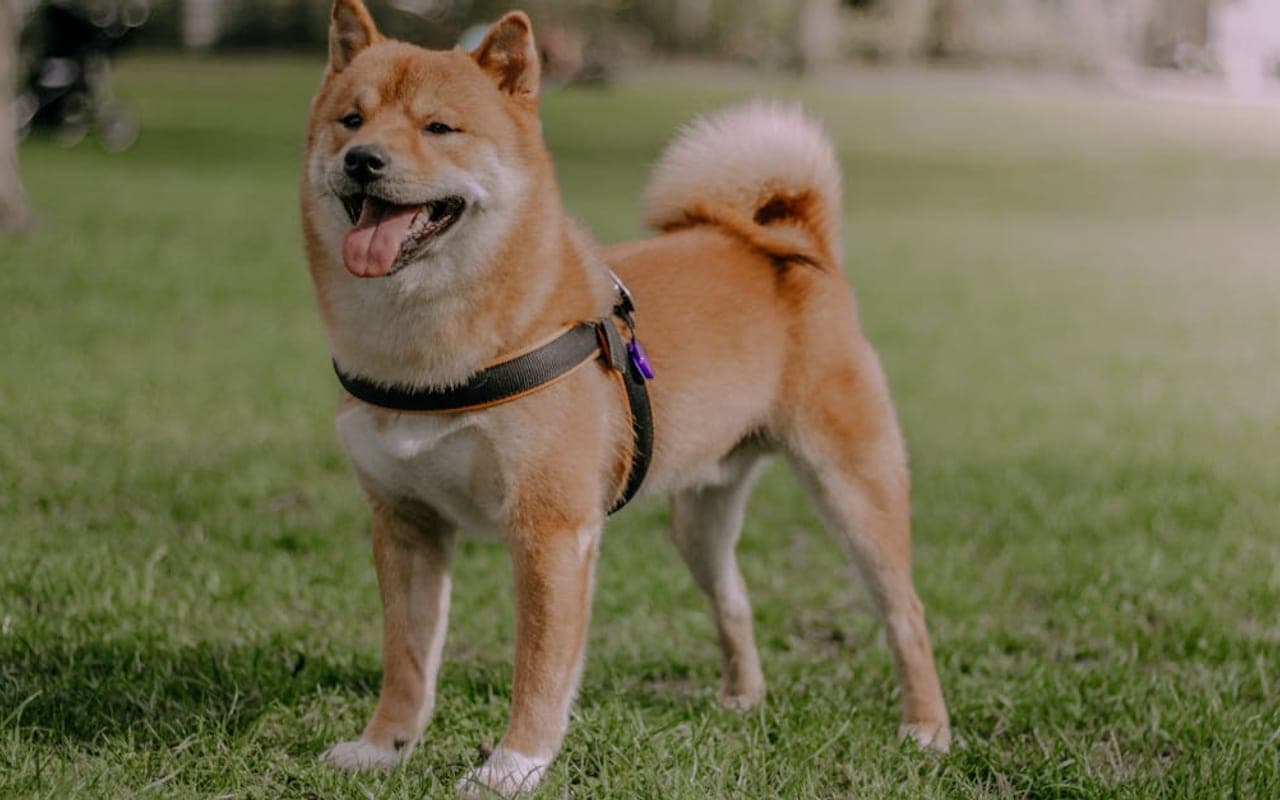
Kishu Ken
Also in the Foundation Stock Service group, with different care and temperament tradeoffs.
Explore More About Small Munsterlander Pointer
Dive deeper into everything Small Munsterlander Pointer — costs, care, and expert insights.
Large Dog Care Guide: Everything Over 50 lbs
Owning a large or giant breed dog means accepting one of biology's...
Puppy Teething & Biting: Timeline and What Actually Works
A puppy has all 28 deciduous ("baby") teeth by roughly eight weeks of age, and...
Considering a cat instead?
Browse Cats