
Sporting group
Sussex Spaniel
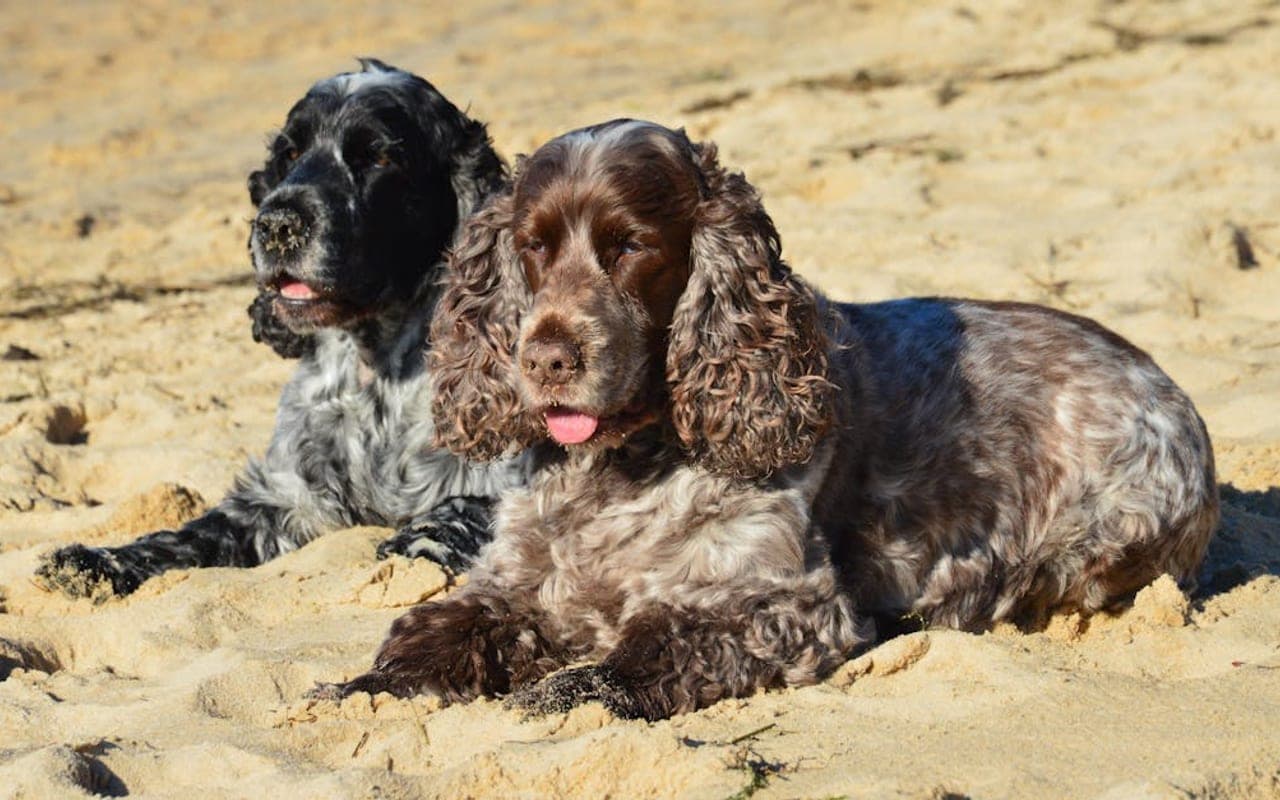
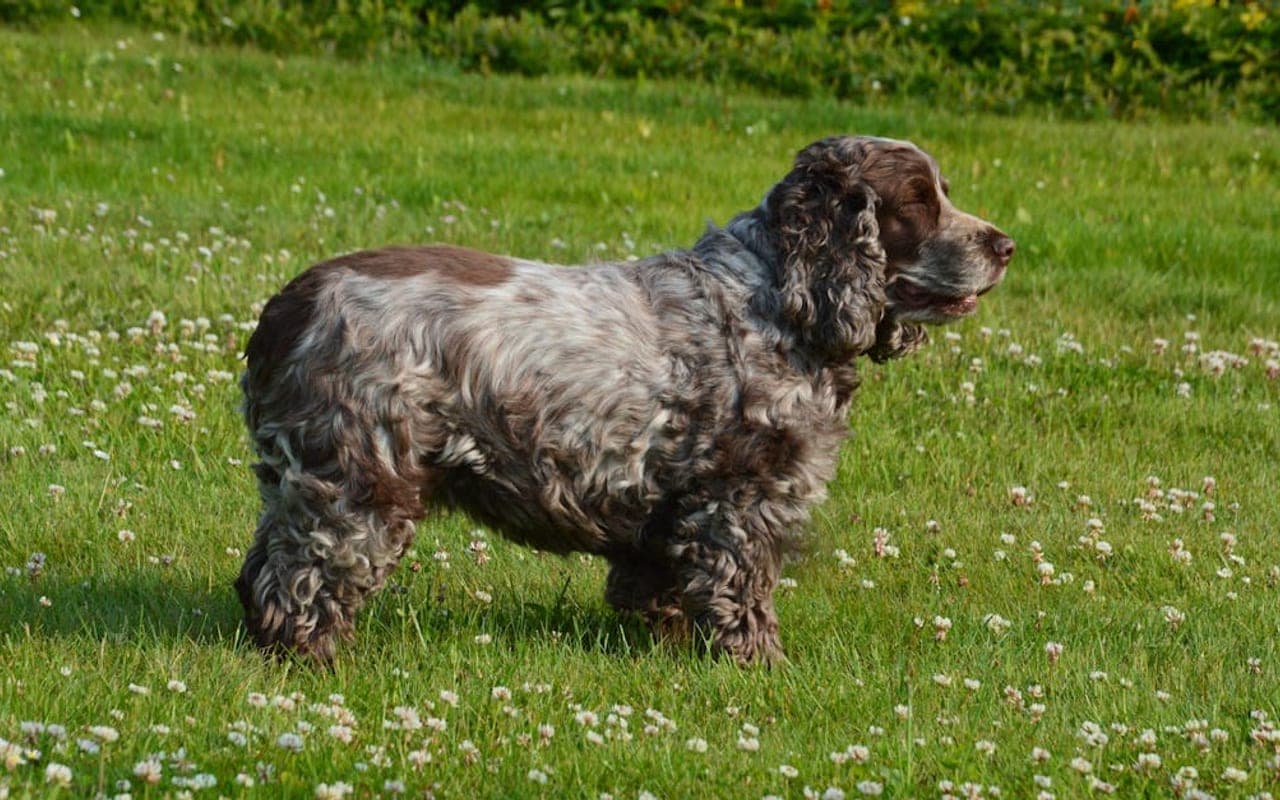
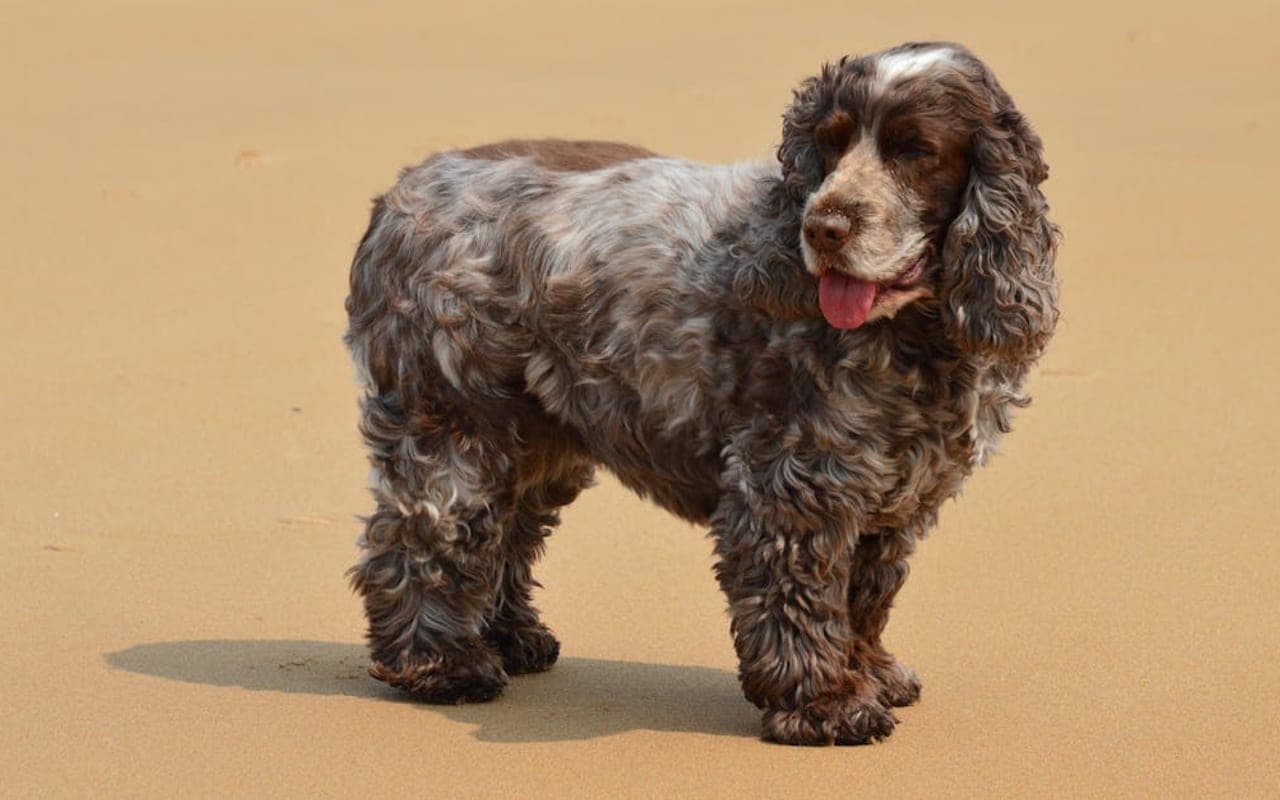
The Sussex Spaniel is a long, low, heavily built bird dog standing only about 13 to 15 inches at the shoulder but weighing a deceptively solid 35 to 45 pounds, with heavy bone, a deep chest, and a trademark dense coat of rich golden-liver.
Size
35-45 lb
Lifespan
13-15 years
Exercise
30-60 minutes
Shedding
Moderate
Experience
Match to owner routine
Decision first
Is a Sussex Spaniel right for you?
Start with fit before history or trivia. These are ownership signals, not guarantees about any individual dog.
Best suited for
- Households with children.
- Homes with other compatible pets.
- Apartment homes with a consistent routine.
- Owners seeking a manageable daily exercise routine.
Think carefully if
- You need a dog with almost no daily routine.
- You cannot keep up with grooming and preventive care.
- The dog will spend most days alone without support.
Conditional fit
Apartment fit depends on exercise, enrichment, noise management, and outdoor access.
Daily reality
Sussex Spaniel commitment snapshot
Daily exercise
30-60 minutes
Match activity to age, health, weather, and training goals.
Coat care
Moderate
Grooming needs vary by coat, shedding, and lifestyle.
Time alone
Needs planning
Most dogs need gradual alone-time conditioning and support.
Structured facts
Sussex Spaniel at a glance
The measurements and traits that most affect day-to-day life with this breed.
Group
Sporting
Weight
35-45 lb
Height
13-15 in
Lifespan
13-15 years
Temperament
Friendly | Merry | Even-Tempered
View all characteristics and methodology
Lifestyle fit
- Apartment suitability
- Likely fit
- Child friendliness
- Often good, with socialisation and supervision
- Other-pet fit
- Often compatible with careful introductions
Owner commitment
- Exercise
- 30-60 minutes
- Grooming
- Moderate
- Shedding
- Moderate
- Training
- Moderate
Environment and health
- Health risk
- Needs planning
Ratings combine structured breed data, visible breed fields, and editorial context. They are planning aids, not predictions for an individual dog.
Daily life
Sussex Spaniel temperament and behavior
The Sussex Spaniel is a long, low, heavily built bird dog standing only about 13 to 15 inches at the shoulder but weighing a deceptively solid 35 to 45 pounds, with heavy bone, a deep chest, and a trademark dense coat of rich golden-liver. The famously frowning, somber face sits oddly against a genuinely cheerful, mellow personality. It is one of the rarest sporting breeds in the world — often only a few dozen puppies registered annually — so price, waiting lists, and a small gene pool are part of the decision from the start. Understand the body and the pace before the charm. The build is chondrodystrophic — a long spine over short heavy legs — which is the breed's central structural trade-off: characterful and historically functional, but a real predisposition to disc disease. And the Sussex was bred to work slowly and methodically, giving voice as it pushed through cover; it is the most deliberate, lowest-revving of the spaniels, not a high-drive field rocket. Temperament is the breed's selling point: even-tempered, affectionate, loyal, calm indoors, and good with family — a true companion spaniel rather than a hyper one. The caveats are a stubborn streak, a tendency to be vocal (it will bay and 'talk'), and sensitivity that makes harsh training counterproductive. Some lines lean toward reserved or moody with strangers and need socialization. Who the Sussex is right for: an owner wanting a calm, devoted, moderate-energy companion who will manage a vulnerable back, can DNA-test or verify PDP1 status, tolerates a vocal dog, and can find and wait for a litter of a genuinely rare breed. Who it is wrong for: anyone wanting a tireless jogging partner, a quiet dog, a quick-obedience worker, or a cheap, readily available spaniel. The mellow temperament is real; so is the rarity and the spine.
Friendly | Merry | Even-Tempered
Friendly
A common Sussex Spaniel temperament descriptor that should be interpreted alongside training, exercise, and household fit.
Merry
A common Sussex Spaniel temperament descriptor that should be interpreted alongside training, exercise, and household fit.
Even-Tempered
A common Sussex Spaniel temperament descriptor that should be interpreted alongside training, exercise, and household fit.
Owner note
Temperament labels are starting points, not guarantees. Meet the individual dog and ask about behavior history whenever possible.
Care essentials
How to care for a Sussex Spaniel
What looking after one actually involves: exercise, grooming, food, training, and routine health.
ExerciseAs needed
- Moderately active breed needing 30-60 minutes of daily exercise.
GroomingAs needed
- Brush 2-3 times per week.
TrainingAs needed
- Consistent, patient training works best.
NutritionAs needed
- Feed high-quality dog food appropriate for age, size, and activity level.
Veterinary CareAs needed
- Annual wellness exams, vaccinations, dental care, and parasite prevention.
Health planning
Sussex Spaniel health risks and screening
Every breed has individual health variation. Use this profile for planning and discuss medical decisions with a veterinarian.
Responsible ownership
Finding a Sussex Spaniel responsibly
What to ask a breeder or rescue is the same conversation for every breed, so we keep it in one place and keep it current.
Health documentation, meeting the parents or foster, contracts and return support, and the warning signs worth walking away from.
Original purpose
Sussex Spaniel history
History is useful when it explains today's behavior, coat, exercise needs, and training style.
Read the breed history
The Sussex Spaniel was developed in the late 1700s and 1800s in Sussex, southern England, by gamekeepers who needed a slow, methodical flushing spaniel that could work dense undergrowth on foot and give tongue (bay) so hunters could track it in heavy cover. That brief explains the deliberate pace, the heavy bone, the protective coat, and the vocal hunting style that still define the modern dog. The breed nearly died out twice — during both World Wars the population collapsed to a tiny number of dogs, and the entire modern breed descends from that severe genetic bottleneck, which is the root of both its rarity today and its concentrated set of inherited health concerns. It was one of the original breeds registered by the Kennel Club in 1873. For an owner, the history is not background color: the bottleneck explains why responsible health screening (especially PDP1 status) matters disproportionately, and the working brief explains the low energy and the baying.
Gallery
Sussex Spaniel photos
Images are cropped consistently and loaded progressively to keep the page responsive.
Lower-page context
Sussex Spaniels in culture
Where the breed shows up in film, sport, work and folklore — the enjoyable part, once the practical questions are answered.
Fun facts
- The Sussex Spaniel belongs to the Sporting Group.
- The average lifespan of a Sussex Spaniel is 13 to 15 years.
- Sussex Spaniel dogs are valued for their friendly, merry, even-tempered nature.
Sussex Spaniel FAQs
How long do Sussex Spaniels live?
A healthy Sussex Spaniel typically lives 13 to 15 years, which is good for a dog of its weight and one of the breed's genuine strengths. Reaching the top of that range depends heavily on two things: avoiding PDP1 disease by buying from DNA-tested parents, and protecting the long back by keeping the dog lean and managing jumping. A Sussex with clear genetics and a well-managed spine often ages comfortably; an unmanaged disc injury or an undiagnosed metabolic problem is what cuts it short.
Are Sussex Spaniels good with children?
Yes — even temper and affection are the breed's defining traits, and Sussex are generally calm, tolerant, and devoted family dogs that do well with considerate children. Two practical cautions: the long spine means rough handling or being dropped is a direct disc-injury risk, so teach kids to support the body correctly and not let the dog leap from their arms; and some lines can be a touch reserved or moody, so early socialization and supervised, gentle interactions matter. Temperament is rarely the problem here; the back is.
How much exercise does a Sussex Spaniel need?
Modest — about 30 to 45 minutes of moderate daily activity such as walks, sniffing, and light retrieve. The Sussex was bred to work slowly and methodically, so it is the lowest-energy of the spaniels and is not a jogging or endurance partner. The real risk is the opposite of under-exercise: pushing a heavy-boned, possibly overweight, long-backed dog into hard repetitive activity stresses the spine. Match the activity to a deliberate dog and keep it lean — that combination, not high mileage, is what keeps a Sussex sound.
Why are Sussex Spaniels so rare and expensive?
The breed nearly went extinct during both World Wars and the entire modern population descends from a tiny number of surviving dogs, so it remains one of the rarest sporting breeds, with only dozens of puppies registered annually in many countries. Expect prices around $2,000-$3,500+ and long waiting lists. The bottleneck also raises the stakes on responsible buying: the small gene pool concentrates inherited risks, so a breeder who DNA-tests for PDP1 and screens hips, heart, and eyes is not optional diligence here — it is the main lever you have on the puppy's health.
What is PDP1 deficiency and should I worry about it?
PDP1 (pyruvate dehydrogenase phosphatase deficiency) is a serious inherited metabolic disease found almost exclusively in Sussex and Clumber Spaniels: affected dogs cannot properly produce energy and suffer severe exercise intolerance and collapse, and a large share of the breed are symptom-free carriers. The good news is there is a definitive DNA test, and responsible breeders test breeding stock so they never produce an affected puppy. The practical rule is simple: do not buy a Sussex without confirming the PDP1 status of both parents — this is the single most important health question for the breed.
Sources
These are the published sources this page draws on. Each opens in a new tab so you can check it yourself.
American Kennel Club
Sussex Spaniel — breed standard and profile(opens in a new tab)Supports: Breed standard and recognition details.
Similar breeds to consider

Golden Retriever
Also in the Sporting group, with different care and temperament tradeoffs.
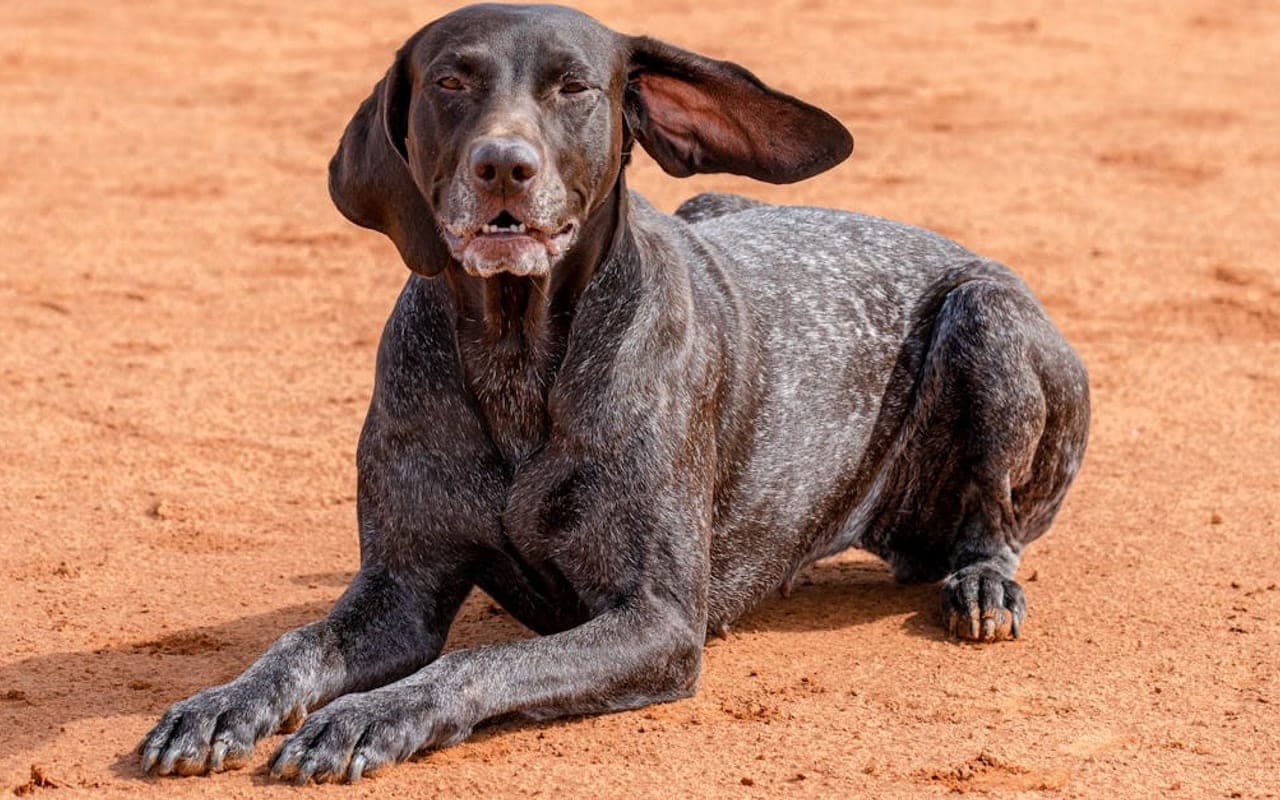
German Shorthaired Pointer
Also in the Sporting group, with different care and temperament tradeoffs.

Labrador Retriever
Also in the Sporting group, with different care and temperament tradeoffs.

Vizsla
Also in the Sporting group, with different care and temperament tradeoffs.
Explore More About Sussex Spaniel
Dive deeper into everything Sussex Spaniel — costs, care, and expert insights.
Large Dog Care Guide: Everything Over 50 lbs
Owning a large or giant breed dog means accepting one of biology's...
Puppy Teething & Biting: Timeline and What Actually Works
A puppy has all 28 deciduous ("baby") teeth by roughly eight weeks of age, and...
Considering a cat instead?
Browse Cats