
Working group
Tibetan Mastiff
The Tibetan Mastiff is an ancient livestock-and-property guardian from the Himalayas, bred for millennia to patrol villages, monasteries, and flocks against wolves, leopards, and intruders — working alone, at night, making its own decisions without a handler.
Size
75-161 lb
Lifespan
10-12 years
Exercise
30-60 minutes
Shedding
Moderate
Experience
Match to owner routine
Decision first
Is a Tibetan Mastiff right for you?
Start with fit before history or trivia. These are ownership signals, not guarantees about any individual dog.
Best suited for
- Households with children.
- Homes with other compatible pets.
- Apartment homes with a consistent routine.
- Owners seeking a manageable daily exercise routine.
Think carefully if
- You need a dog with almost no daily routine.
- You cannot keep up with grooming and preventive care.
- The dog will spend most days alone without support.
Conditional fit
Apartment fit depends on exercise, enrichment, noise management, and outdoor access.
Daily reality
Tibetan Mastiff commitment snapshot
Daily exercise
30-60 minutes
Match activity to age, health, weather, and training goals.
Coat care
Moderate
Grooming needs vary by coat, shedding, and lifestyle.
Time alone
Needs planning
Most dogs need gradual alone-time conditioning and support.
Structured facts
Tibetan Mastiff at a glance
The measurements and traits that most affect day-to-day life with this breed.
Group
Working
Weight
75-161 lb
Height
24-30 in
Lifespan
10-12 years
Temperament
Independent | Reserved | Intelligent
View all characteristics and methodology
Lifestyle fit
- Apartment suitability
- Likely fit
- Child friendliness
- Often good, with socialisation and supervision
- Other-pet fit
- Often compatible with careful introductions
Owner commitment
- Exercise
- 30-60 minutes
- Grooming
- Moderate
- Shedding
- Moderate
- Training
- Moderate
Environment and health
- Health risk
- Needs planning
Ratings combine structured breed data, visible breed fields, and editorial context. They are planning aids, not predictions for an individual dog.
Daily life
Tibetan Mastiff temperament and behavior
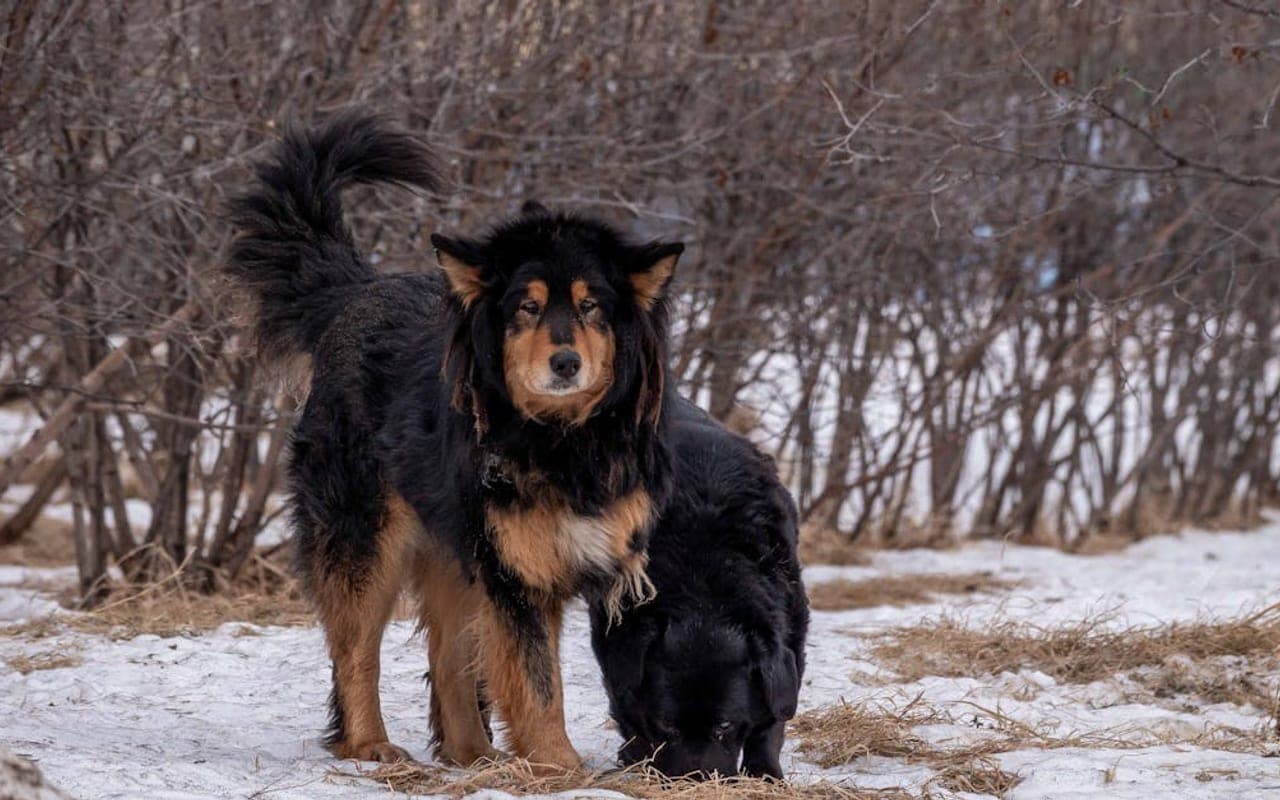
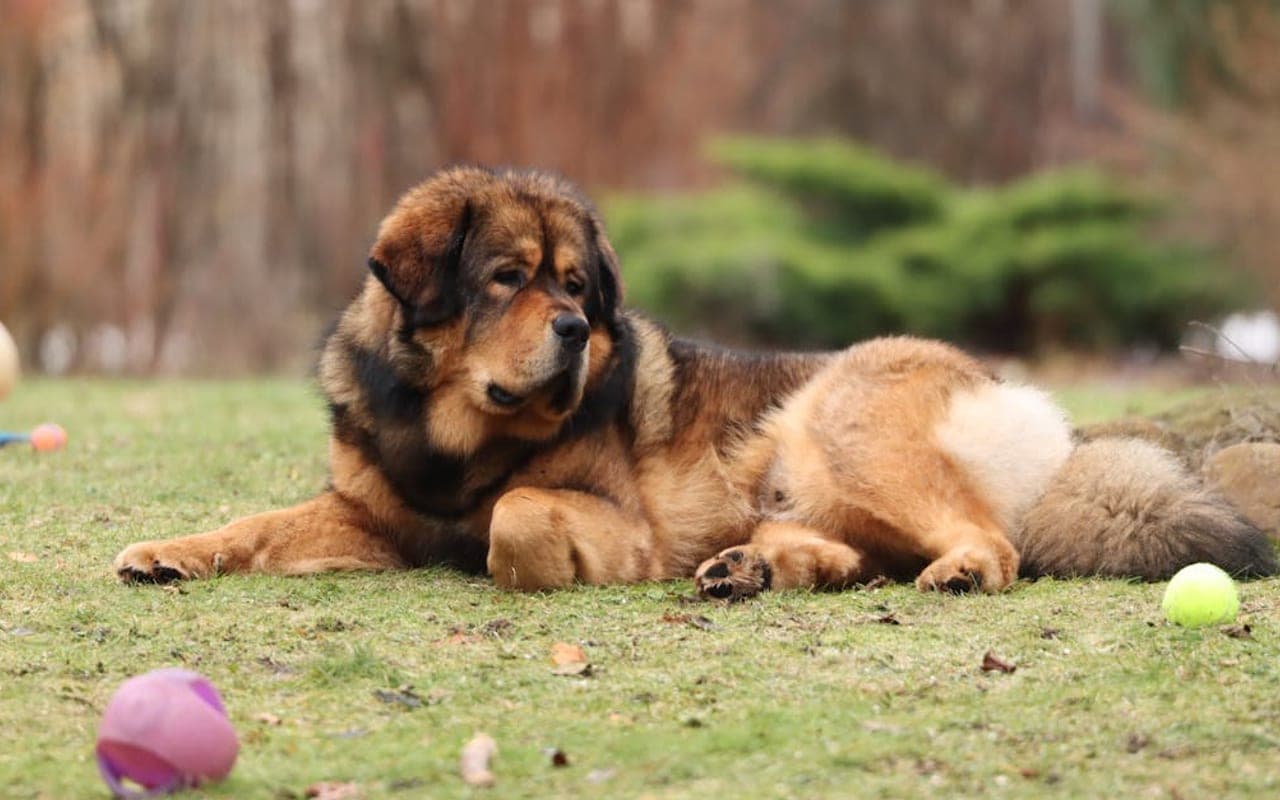
The Tibetan Mastiff is an ancient livestock-and-property guardian from the Himalayas, bred for millennia to patrol villages, monasteries, and flocks against wolves, leopards, and intruders — working alone, at night, making its own decisions without a handler. This is the single most important fact about the breed: it was selected for independent territorial guarding, not for obedience or companionship, and that wiring does not switch off because it lives in a house. A large male can stand 26+ inches and weigh well over 100 pounds, carrying a heavy double coat and a famously thick mane. What that means in practice: TMs are calm, mellow, and quiet inside the home with family, but aloof, suspicious, and territorial with strangers and strange dogs by design. They are highly intelligent and stubbornly independent — not 'untrainable,' but they evaluate commands rather than obey reflexively, and they are nocturnal patrollers prone to barking through the night if loose outdoors. They are not biddable working dogs; they are autonomous guardians. Who the Tibetan Mastiff is right for: an experienced, confident owner with secure high fencing, a property (not an apartment) where night patrol and a deep guardian bark are acceptable, the means to support a giant breed, and the commitment to lifelong, heavy, early socialization. Who it is wrong for: first-time owners, small homes, anyone wanting an obedient or social dog, off-leash dog-park use, or households unprepared for serious guardian liability. The aloof, autonomous guardian temperament is the breed — wonderful in the right setup, a genuine liability in the wrong one. Decide on containment, neighbors, and experience honestly before anything else.
Independent | Reserved | Intelligent
Independent
A common Tibetan Mastiff temperament descriptor that should be interpreted alongside training, exercise, and household fit.
Reserved
A common Tibetan Mastiff temperament descriptor that should be interpreted alongside training, exercise, and household fit.
Intelligent
A common Tibetan Mastiff temperament descriptor that should be interpreted alongside training, exercise, and household fit.
Owner note
Temperament labels are starting points, not guarantees. Meet the individual dog and ask about behavior history whenever possible.
Care essentials
How to care for a Tibetan Mastiff
What looking after one actually involves: exercise, grooming, food, training, and routine health.
ExerciseAs needed
- Moderately active breed needing 30-60 minutes of daily exercise.
GroomingAs needed
- Brush 2-3 times per week.
TrainingAs needed
- Consistent, patient training works best.
NutritionAs needed
- Feed high-quality dog food appropriate for age, size, and activity level.
Veterinary CareAs needed
- Annual wellness exams, vaccinations, dental care, and parasite prevention.
Health planning
Tibetan Mastiff health risks and screening
Every breed has individual health variation. Use this profile for planning and discuss medical decisions with a veterinarian.
Responsible ownership
Finding a Tibetan Mastiff responsibly
What to ask a breeder or rescue is the same conversation for every breed, so we keep it in one place and keep it current.
Health documentation, meeting the parents or foster, contracts and return support, and the warning signs worth walking away from.
Original purpose
Tibetan Mastiff history
History is useful when it explains today's behavior, coat, exercise needs, and training style.
Read the breed history
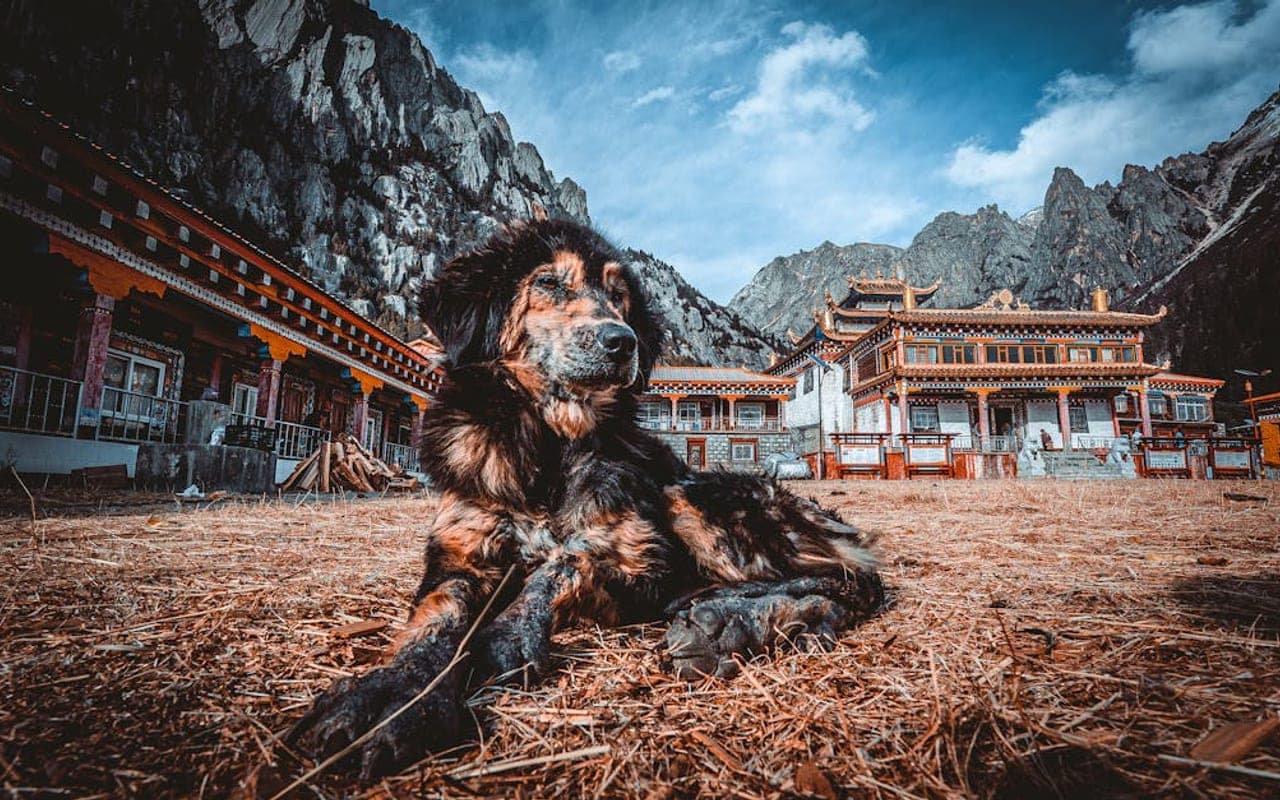
The Tibetan Mastiff is one of the oldest working dog types in the world, developed over thousands of years across the Tibetan plateau and the Himalayan region of present-day Tibet, Nepal, and northern India. It was bred by nomadic herders and by monasteries as a guardian: defending sheep, goats, and yaks from wolves and snow leopards, and protecting villages and religious sites from intruders. Its extreme cold tolerance, heavy double coat, large size, deep voice, and night-active territorial temperament are all direct adaptations to that high-altitude guarding role. Isolated by geography, the breed remained largely unknown to the West until the 19th century, when occasional specimens reached Britain. Western breeding populations were established in the late 20th century, and the American Kennel Club recognized the Tibetan Mastiff in 2006, placing it in the Working Group. The guardian origin is the entire explanation for the modern dog: the aloofness toward strangers, the independence, the nocturnal patrolling and barking, and the strong sense of territory are the job — not behavior problems layered on top of it.
Gallery
Tibetan Mastiff photos
Images are cropped consistently and loaded progressively to keep the page responsive.
Lower-page context
Tibetan Mastiffs in culture
Where the breed shows up in film, sport, work and folklore — the enjoyable part, once the practical questions are answered.
Fun facts
- The Tibetan Mastiff belongs to the Working Group.
- The average lifespan of a Tibetan Mastiff is 10 to 12 years.
- Tibetan Mastiff dogs are valued for their independent, reserved, intelligent nature.
Tibetan Mastiff FAQs
How long do Tibetan Mastiffs live?
A healthy Tibetan Mastiff typically lives 10-12 years, which is genuinely good for a giant breed (many dogs this size live notably shorter). The factors that decide where a given dog lands are giant-breed orthopedics (hip and elbow dysplasia, kept in check by lean growth and screened parents) and, tragically at the other extreme, CIDN in affected puppies, which is fatal in the first months. A well-bred, lean, screened TM reaching 11-12 in sound condition is a realistic and good outcome.
Are Tibetan Mastiffs good with children?
With their own family's children they are typically calm, gentle, and protective — they often regard the household's kids as part of the flock they guard. The real cautions are size and guarding instinct: a 100+ pound dog can injure a small child accidentally, and the breed's territorial protectiveness can misread a visiting child's rough play with a family child as a threat. They suit experienced families with older children, require constant supervision around young or visiting children, and need heavy early socialization. This is not a casual family pet.
How much exercise does a Tibetan Mastiff need?
Less than most working breeds — about 30-60 minutes of daily walking plus free movement in a secure area. They are guardians, not endurance athletes, and tend to be calm and energy-conserving indoors. What they actually need is a secure territory to patrol and mental engagement, not a high-mileage exercise regimen. Over-exercising a growing giant-breed puppy is in fact harmful to developing joints. Adequate containment and socialization matter far more to this breed's wellbeing than exercise volume.
Can a Tibetan Mastiff live in an apartment or close suburb?
Generally no, and this should be decided before adoption. The breed is a nocturnal territorial guardian with a deep, carrying bark that it uses through the night when it perceives its territory. It needs secure, solid, tall fencing and space, and its aloofness and protectiveness toward strangers create real liability in dense housing with constant unfamiliar foot traffic. Tibetan Mastiffs do best on a property with room to patrol and tolerant neighbors. Forcing one into an apartment usually produces a stressed dog and noise/management problems.
What is CIDN and why does it matter for this breed?
Canine inherited demyelinative neuropathy (CIDN) is a recessively inherited disease specific to Tibetan Mastiff lines, in which peripheral nerves lose their myelin. Affected puppies develop weakness and progressive incoordination from around six weeks of age; it is untreatable and fatal. It matters because it is breed-specific and tied to particular bloodlines, so it is avoidable through pedigree knowledge and not breeding carrier-to-carrier. Practically: buy only from a breeder who is transparent about lineage and CIDN history, and treat early-onset puppy weakness as an urgent neurological emergency rather than normal clumsiness.
How much does a Tibetan Mastiff cost?
Expect roughly $2,000-$5,000+ for a well-bred Tibetan Mastiff puppy from a breeder who screens hips, elbows, thyroid, and eyes and is transparent about CIDN-free lineage; exceptional show lines run higher. The hidden costs are the giant-breed reality: large-breed food, larger doses of every medication and anesthetic, and the high cost of treating hip/elbow disease or a bloat surgery ($3,000-$7,000+). Secure fencing is also a real upfront cost that is non-optional for this breed. Documented health clearances and lineage transparency are the most cost-effective protection you can buy.
Sources
These are the published sources this page draws on. Each opens in a new tab so you can check it yourself.
American Kennel Club
Tibetan Mastiff — breed standard and profile(opens in a new tab)Supports: Breed standard and recognition details.
Similar breeds to consider
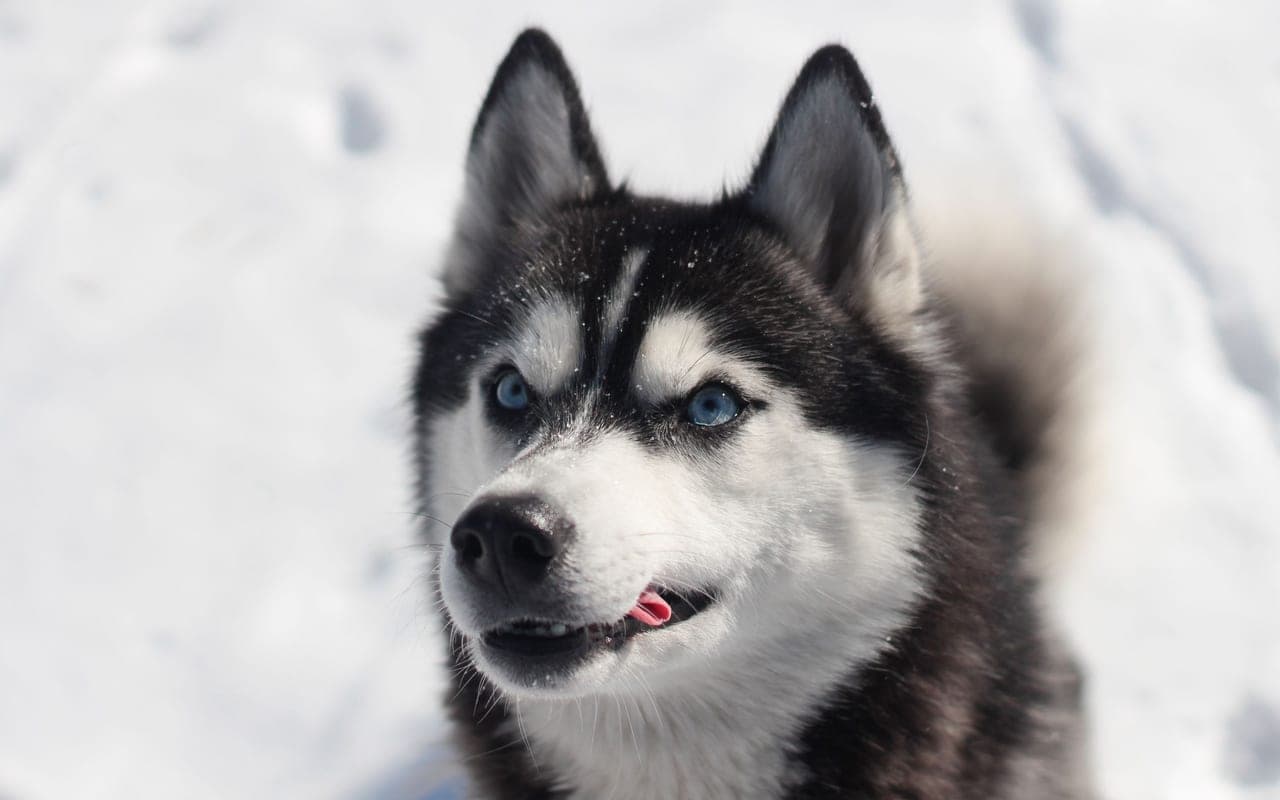
Siberian Husky
Also in the Working group, with different care and temperament tradeoffs.
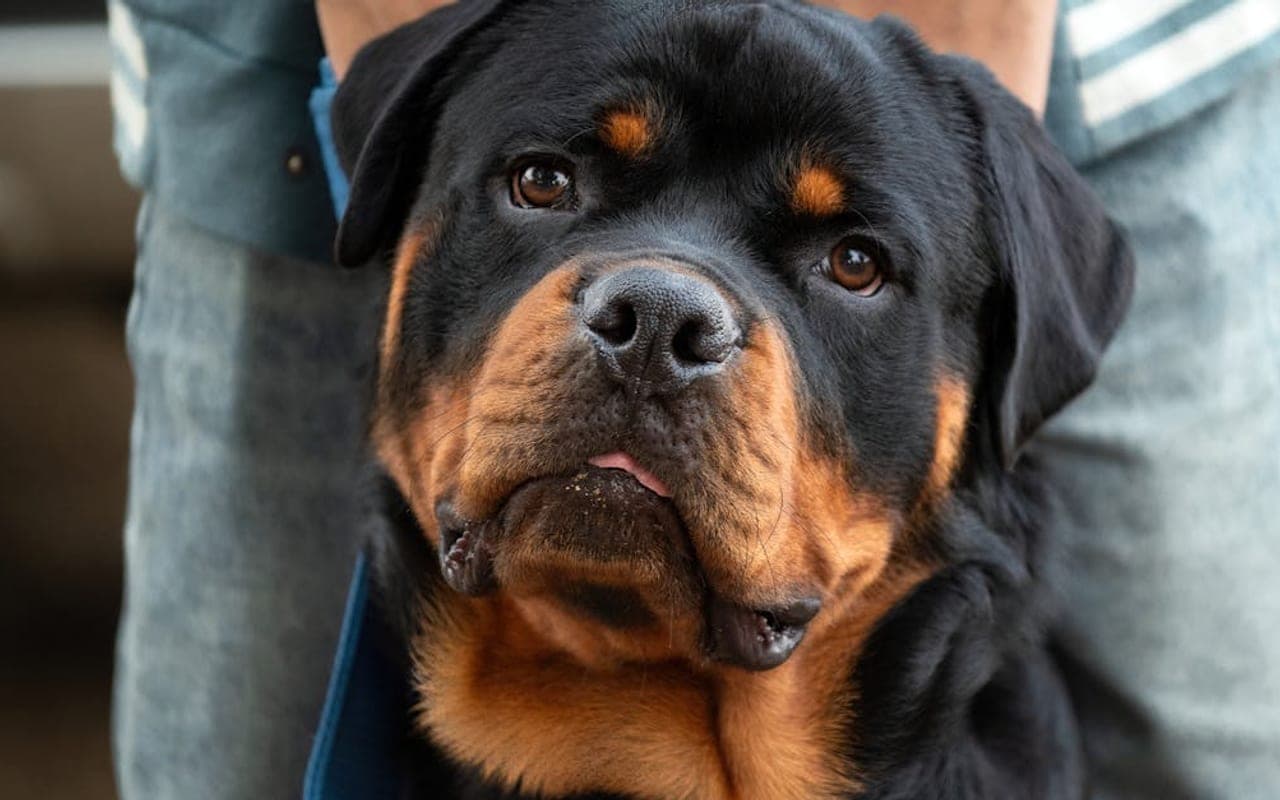
Rottweiler
Also in the Working group, with different care and temperament tradeoffs.
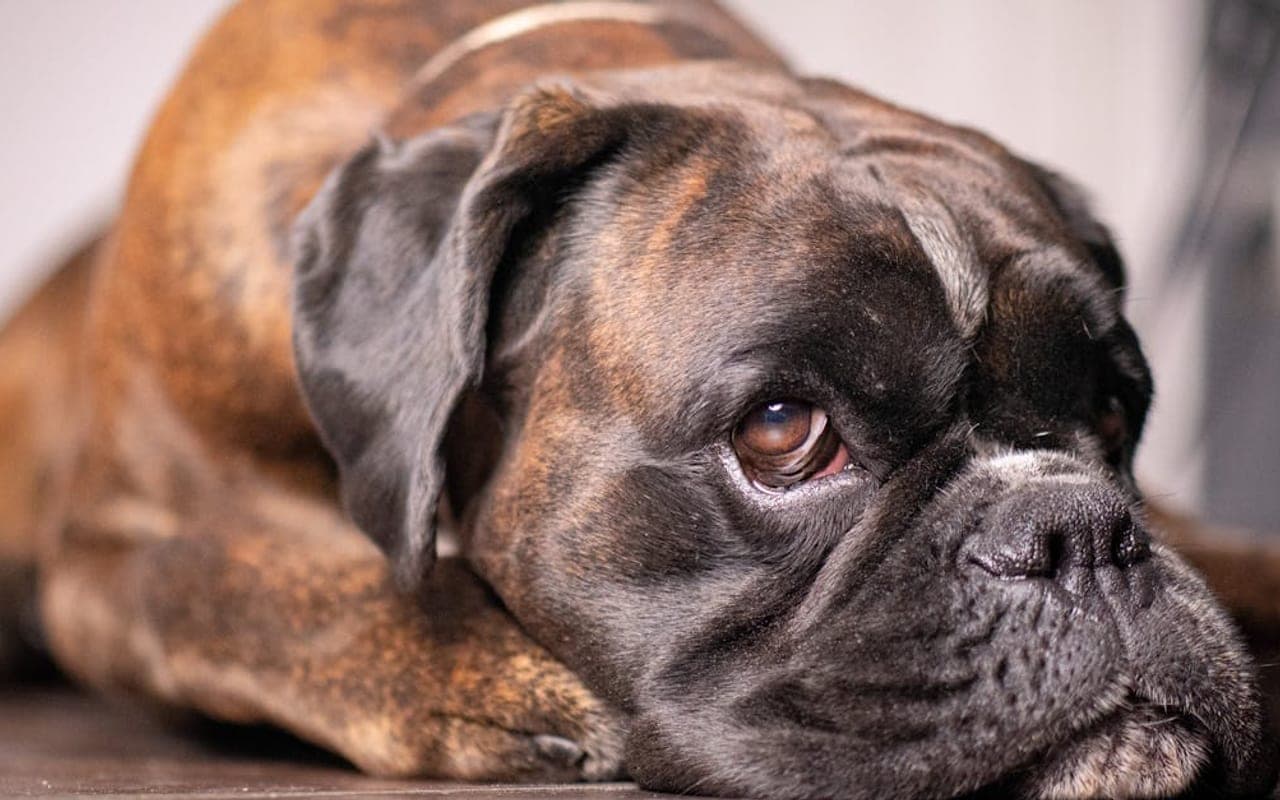
Boxer
Also in the Working group, with different care and temperament tradeoffs.
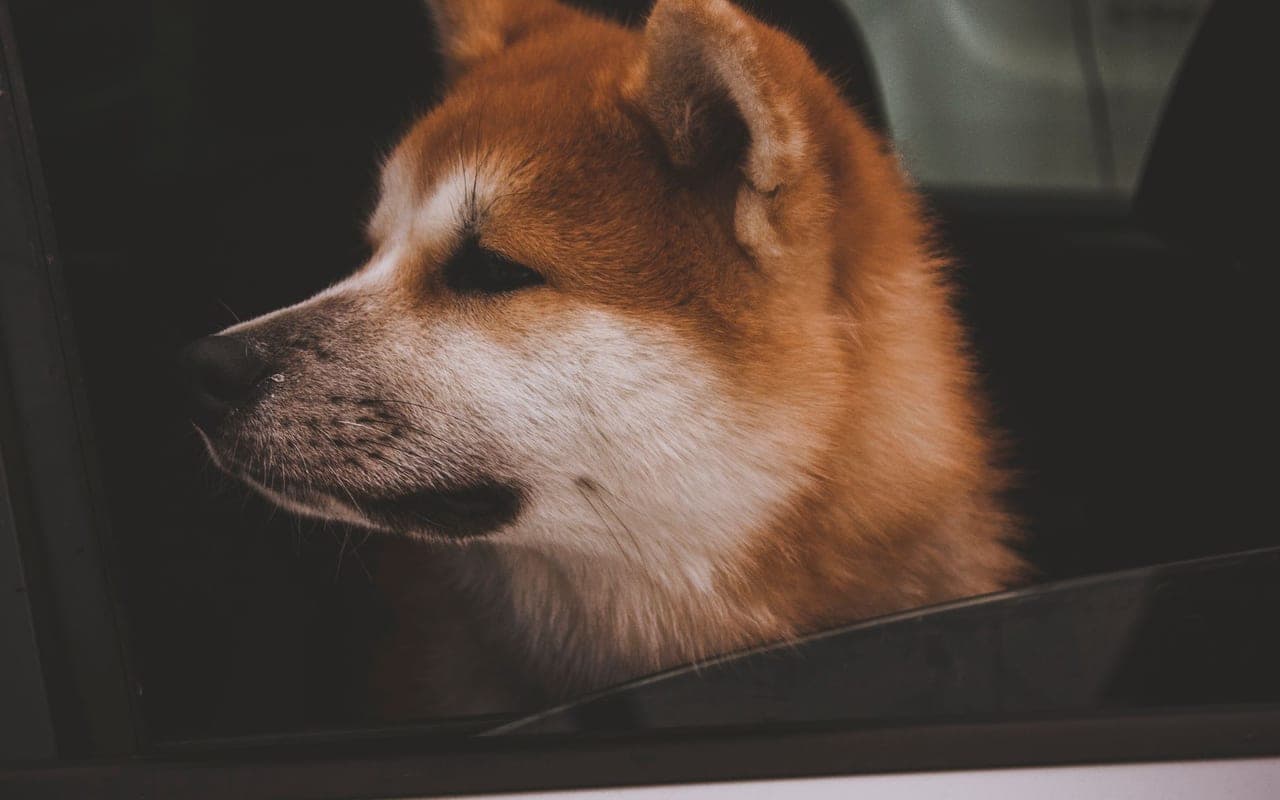
Akita
Also in the Working group, with different care and temperament tradeoffs.
Explore More About Tibetan Mastiff
Dive deeper into everything Tibetan Mastiff — costs, care, and expert insights.
Considering a cat instead?
Browse Cats