
Foundation Stock Service group
Transylvanian Hound
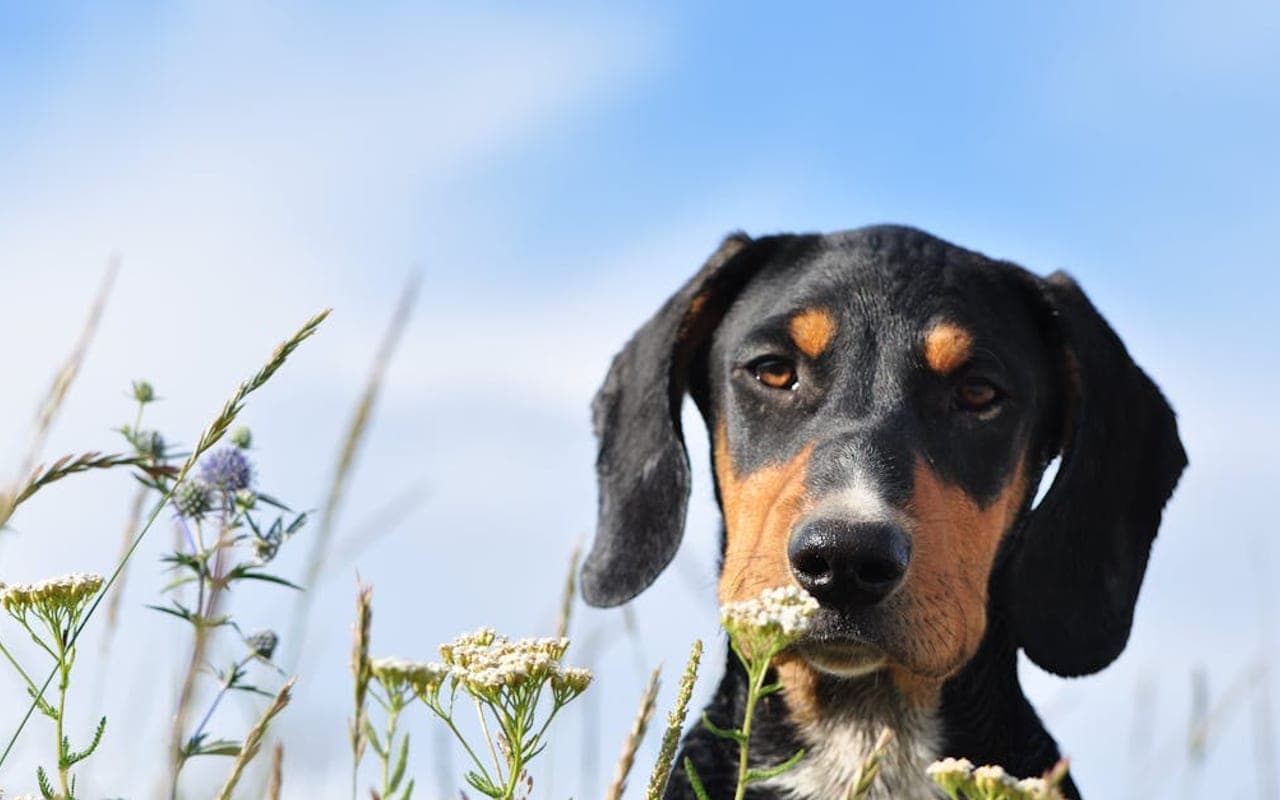
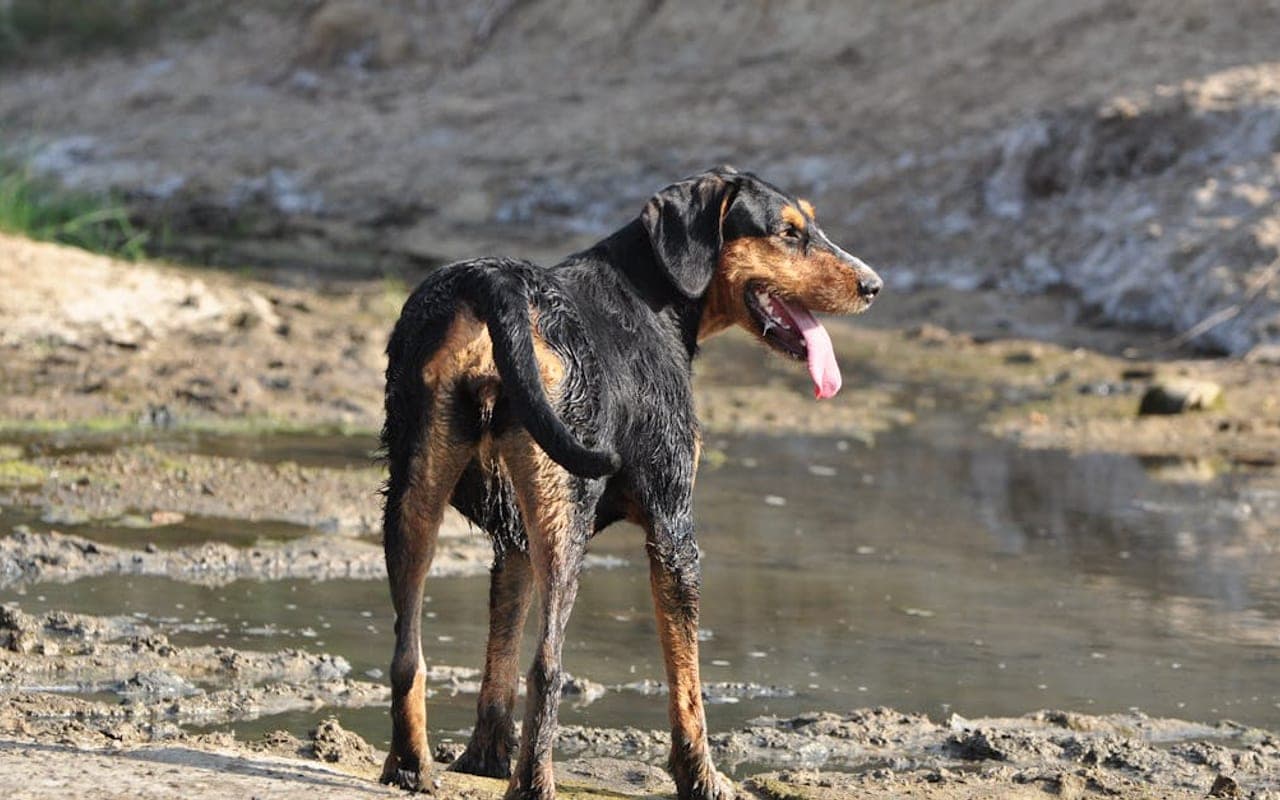
The Transylvanian Hound (Erdelyi Kopo) is an old Hungarian scenthound — a medium-to-large dog, roughly 25-35 kg (55-77 lb) and 55-65 cm at the shoulder, built lean and athletic with the classic black-and-tan hound coat and a deep, far-carrying voice.
Size
55-77 lb
Lifespan
10-14 years
Exercise
20-40 minutes
Shedding
Moderate
Experience
Match to owner routine
Decision first
Is a Transylvanian Hound right for you?
Start with fit before history or trivia. These are ownership signals, not guarantees about any individual dog.
Best suited for
- Households with children.
- Homes with other compatible pets.
- Apartment homes with a consistent routine.
- Owners seeking a manageable daily exercise routine.
Think carefully if
- You need a dog with almost no daily routine.
- You cannot keep up with grooming and preventive care.
- The dog will spend most days alone without support.
Conditional fit
Apartment fit depends on exercise, enrichment, noise management, and outdoor access.
Daily reality
Transylvanian Hound commitment snapshot
Daily exercise
20-40 minutes
Match activity to age, health, weather, and training goals.
Coat care
Moderate
Grooming needs vary by coat, shedding, and lifestyle.
Time alone
Needs planning
Most dogs need gradual alone-time conditioning and support.
Structured facts
Transylvanian Hound at a glance
The measurements and traits that most affect day-to-day life with this breed.
Group
Foundation Stock Service
Weight
55-77 lb
Height
22-26 in
Lifespan
10-14 years
Temperament
Courageous | Good-Natured | Determined
View all characteristics and methodology
Lifestyle fit
- Apartment suitability
- Likely fit
- Child friendliness
- Often good, with socialisation and supervision
- Other-pet fit
- Often compatible with careful introductions
Owner commitment
- Exercise
- 20-40 minutes
- Grooming
- Moderate
- Shedding
- Moderate
- Training
- Moderate
Environment and health
- Health risk
- Needs planning
Ratings combine structured breed data, visible breed fields, and editorial context. They are planning aids, not predictions for an individual dog.
Daily life
Transylvanian Hound temperament and behavior
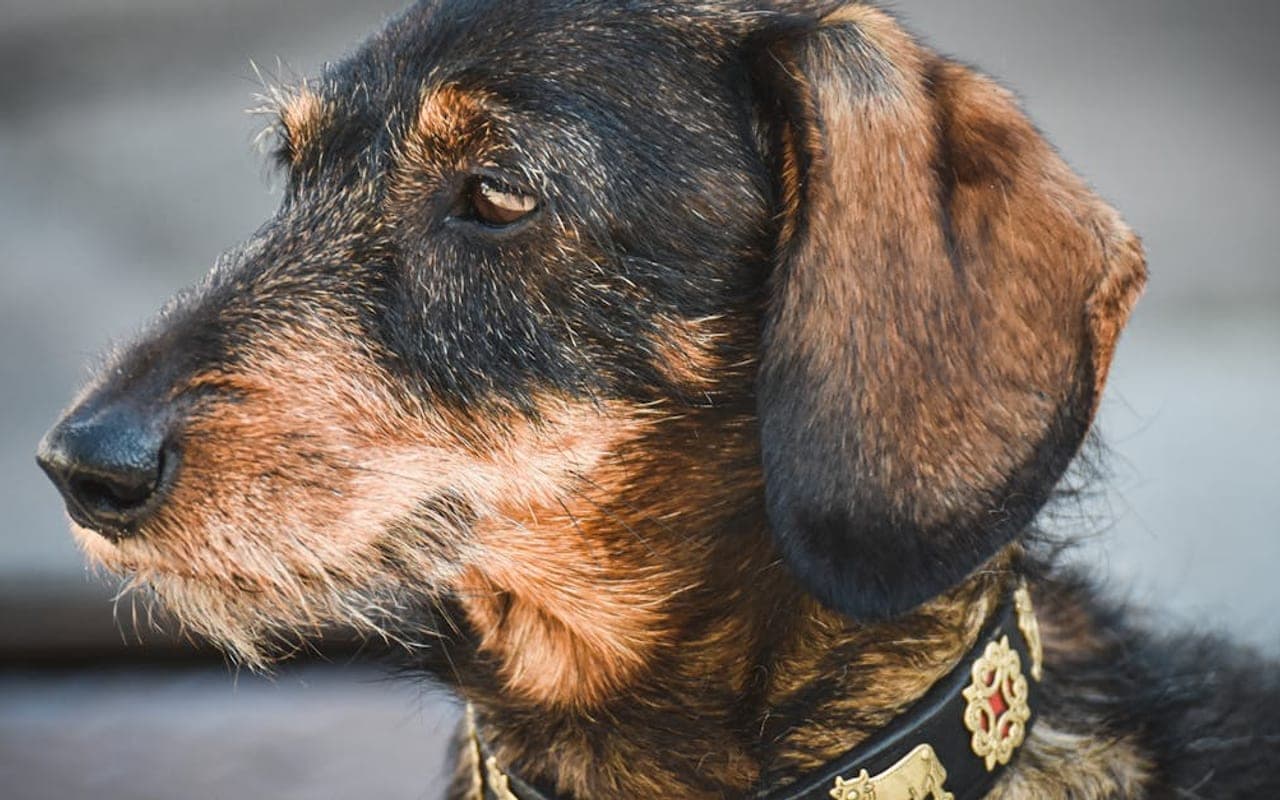
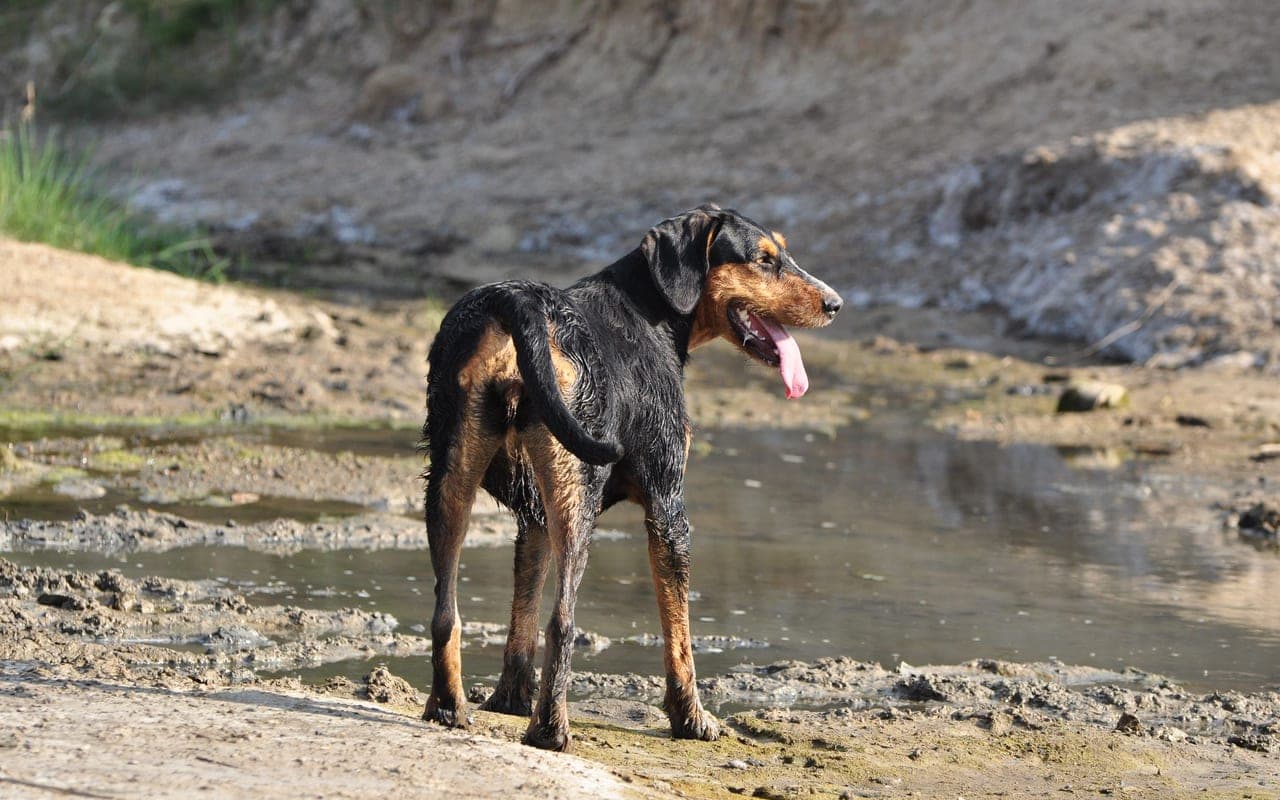
The Transylvanian Hound (Erdelyi Kopo) is an old Hungarian scenthound — a medium-to-large dog, roughly 25-35 kg (55-77 lb) and 55-65 cm at the shoulder, built lean and athletic with the classic black-and-tan hound coat and a deep, far-carrying voice. It was developed over centuries to hunt large and small game across the harsh, varied terrain of the Carpathian Basin, working both in packs and alone, often far from the handler. That working brief — independent tracking over difficult ground in extreme weather — is the key to understanding the dog you actually get. In practice the Transylvanian Hound is even-tempered, good-natured, and devoted to its family, but it is a hunting hound first: it has a powerful nose, a strong drive to follow a scent, real independence in the field, a loud bay, and the stamina of a dog bred to work all day. It is intelligent and trainable, but it is not a biddable obedience breed that works for approval alone — it needs an owner who provides a job, structure, and consistent positive training. It is courageous and makes a watchful, alerting guard without being a sharp protection dog. The coat is short, dense, and weatherproof, requiring minimal grooming. The breed is long-lived for its size at 10-14 years, helped by a working history that selected for soundness rather than appearance. Health-wise this is an honest case: the Transylvanian Hound is a robust, naturally sound breed without the stacked genetic disease burden of heavily line-bred companion breeds — a real strength worth stating — but it carries specific, predictable risks tied to its size, deep chest, and pendulous ears. Who the Transylvanian Hound is right for: an active owner who wants a hardy, weatherproof, low-grooming hound and will provide daily exercise, scent outlets, secure containment, and patient training. Who it is wrong for: apartment owners wanting a quiet lapdog, novices expecting instant obedience, or anyone who cannot tolerate a loud, scent-driven dog that follows its nose.
Courageous | Good-Natured | Determined
Courageous
A common Transylvanian Hound temperament descriptor that should be interpreted alongside training, exercise, and household fit.
Good-Natured
A common Transylvanian Hound temperament descriptor that should be interpreted alongside training, exercise, and household fit.
Determined
A common Transylvanian Hound temperament descriptor that should be interpreted alongside training, exercise, and household fit.
Owner note
Temperament labels are starting points, not guarantees. Meet the individual dog and ask about behavior history whenever possible.
Care essentials
How to care for a Transylvanian Hound
What looking after one actually involves: exercise, grooming, food, training, and routine health.
ExerciseAs needed
- Lower-energy breed content with daily walks.
GroomingAs needed
- Brush 2-3 times per week.
TrainingAs needed
- Consistent, patient training works best.
NutritionAs needed
- Feed high-quality dog food appropriate for age, size, and activity level.
Veterinary CareAs needed
- Annual wellness exams, vaccinations, dental care, and parasite prevention.
Health planning
Transylvanian Hound health risks and screening
Every breed has individual health variation. Use this profile for planning and discuss medical decisions with a veterinarian.
Responsible ownership
Finding a Transylvanian Hound responsibly
What to ask a breeder or rescue is the same conversation for every breed, so we keep it in one place and keep it current.
Health documentation, meeting the parents or foster, contracts and return support, and the warning signs worth walking away from.
Original purpose
Transylvanian Hound history
History is useful when it explains today's behavior, coat, exercise needs, and training style.
Read the breed history
The Transylvanian Hound is one of the oldest Hungarian breeds, developed across the Carpathian Basin — the region spanning modern Hungary and Transylvania in Romania — over many centuries as a scenthound for the nobility and for working hunters. Two size varieties historically existed (a long-legged and a short-legged type) suited to different game and terrain. The breed was prized for tracking across the extreme conditions of the Carpathians: dense forest, mountain, heat, and deep cold, hunting boar, bear, lynx, and smaller game both in packs and singly, often far from the handler. The breed declined sharply in the 20th century and came close to extinction, then was deliberately rebuilt from surviving working dogs in the mid-1900s, with the long-legged type forming the basis of the modern breed. It is recognized internationally and recorded by the American Kennel Club through its Foundation Stock Service. The working, survival-driven origin is the direct reason for the breed's soundness, stamina, weatherproof coat, independence, and strong scent drive today.
Gallery
Transylvanian Hound photos
Images are cropped consistently and loaded progressively to keep the page responsive.
Lower-page context
Transylvanian Hounds in culture
Where the breed shows up in film, sport, work and folklore — the enjoyable part, once the practical questions are answered.
Fun facts
- The Transylvanian Hound belongs to the Foundation Stock Service.
- The average lifespan of a Transylvanian Hound is 10 to 14 years.
- Transylvanian Hound dogs are valued for their courageous, good-natured, determined nature.
Transylvanian Hound FAQs
Is the Transylvanian Hound a healthy breed?
Honestly, yes — and it is worth stating plainly. The Transylvanian Hound is a robust, naturally sound breed that benefited from a working history selecting for soundness over appearance, so it lacks the stacked inherited-disease burden of many popular line-bred breeds. That is not 'no health risks': hip and elbow dysplasia, chronic ear infections, and bloat are real and predictable. But the overall picture is a hardy dog whose main problems are size-and-conformation related rather than a long list of breed-specific genetic diseases. Buy from hip- and elbow-screened parents regardless.
Are Transylvanian Hounds good family dogs?
For an active family, yes — they are even-tempered, good-natured, devoted to their people, and watchful enough to make a good alerting guard. The honest caveats are that this is a stamina-built scenthound with a loud bay, a strong nose, and field independence. It needs an adult committed to 60+ minutes of daily exercise plus scent enrichment, and it will follow its nose over your recall. Great for an active rural or suburban household with a secure yard; a poor fit for quiet apartment life or owners with little time.
Why does my Transylvanian Hound keep getting ear infections?
Because the breed's long, pendulous hound ears trap moisture, heat, and debris against the ear canal — the same anatomy that helped it scent-track also makes recurrent otitis externa a predictable lifelong issue, not bad luck. Manage it proactively: check and gently clean the ears weekly, dry them after swimming or wet work, and treat head-shaking, odor, redness, or scratching as a sign to see the vet rather than just clean more aggressively. Untreated ear infections become chronic and far more expensive.
How much exercise and what kind does this breed need?
Plan on 60+ minutes of real daily activity for this stamina-built working scenthound — long walks, jogging, or secured off-lead running — plus dedicated scent enrichment such as tracking games, snuffle mats, or scatter feeding. The scent work matters as much as the physical exercise: a Transylvanian Hound denied a nose outlet becomes vocal, restless, and destructive. Owners who treat it like an average medium dog and give it one short walk a day consistently end up with behavior problems that are really an unmet-needs problem.
Will a Transylvanian Hound's recall be reliable off-leash?
Realistically, no — and planning around that prevents the most common owner mistake. This is an independent scenthound bred to track far from the handler; once it locks onto a scent, the nose reliably outcompetes your recall cue. Treat secure fencing as mandatory and off-lead freedom near roads or game as a managed privilege earned in controlled, low-distraction settings, not a default expectation. A long line for tracking games gives the dog its scent outlet safely without betting its life on recall.
How long do Transylvanian Hounds live and what should I budget for?
Expect a solid 10-14 years, good for a dog of this size and a benefit of the breed's working soundness. Routine costs are moderate given the low-maintenance weatherproof coat, but budget for the predictable risks: orthopedic management or surgery for hip or elbow dysplasia, recurring ear-infection treatment over the dog's life, and the ever-present emergency cost of bloat surgery (commonly USD 2,500-6,000+) in a deep-chested breed. Hip/elbow-screened parents and lifelong weight control are the cheapest protection available.
Sources
These are the published sources this page draws on. Each opens in a new tab so you can check it yourself.
American Kennel Club
Transylvanian Hound — breed standard and profile(opens in a new tab)Supports: Breed standard and recognition details.
Similar breeds to consider
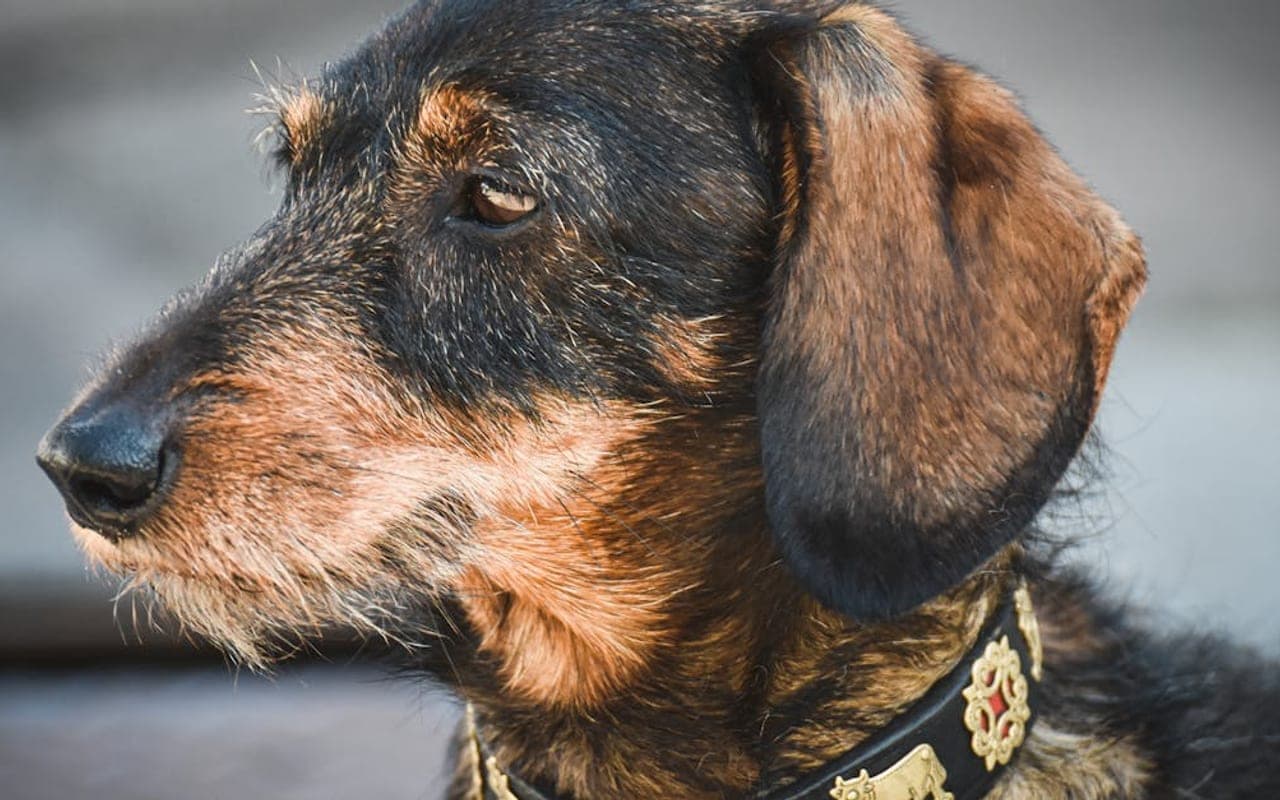
Jagdterrier
Also in the Foundation Stock Service group, with different care and temperament tradeoffs.
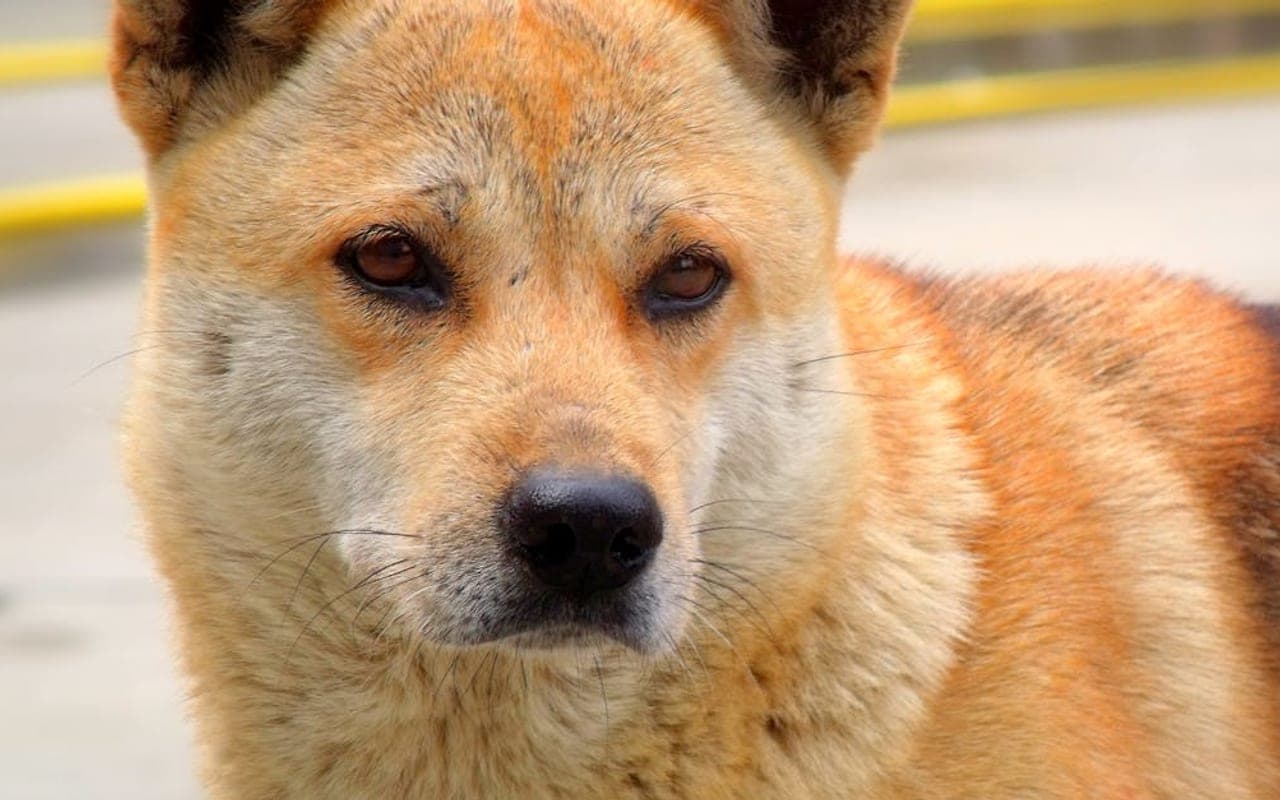
Jindo
Also in the Foundation Stock Service group, with different care and temperament tradeoffs.
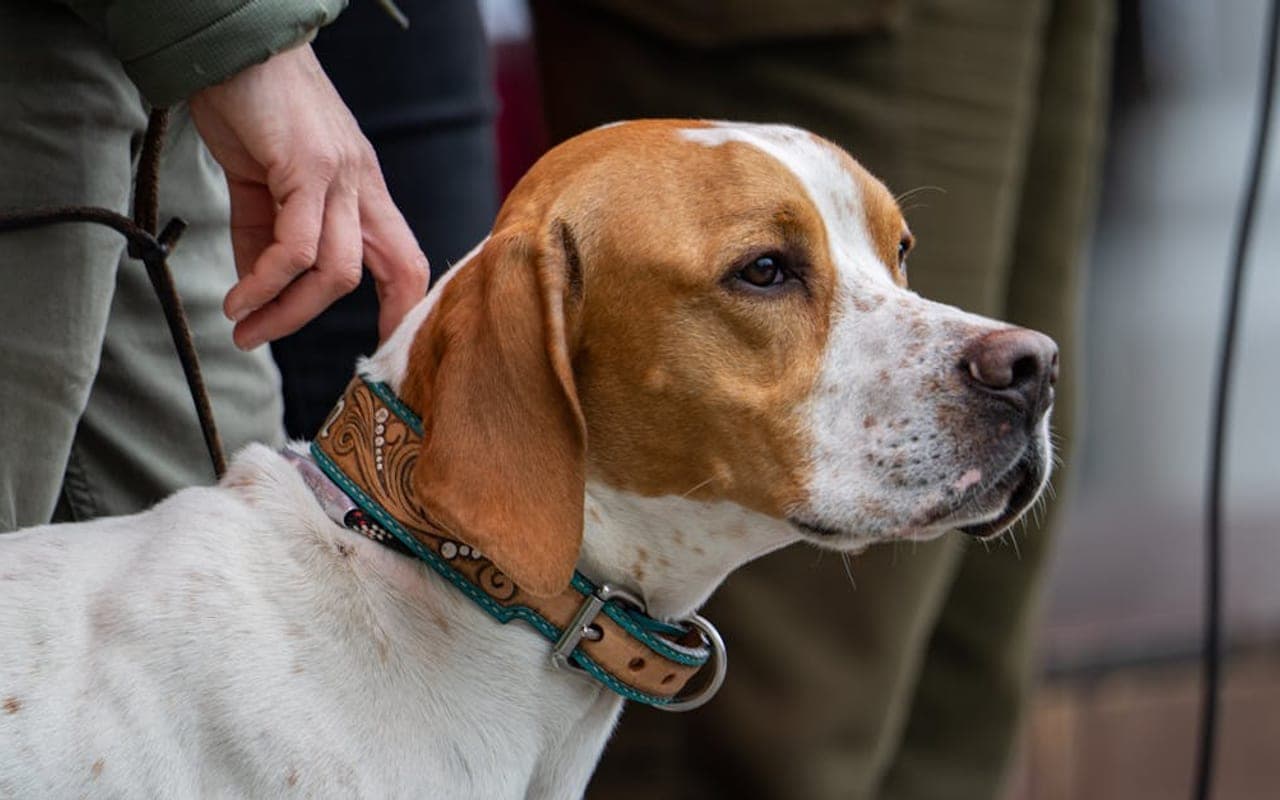
Portuguese Pointer
Also in the Foundation Stock Service group, with different care and temperament tradeoffs.
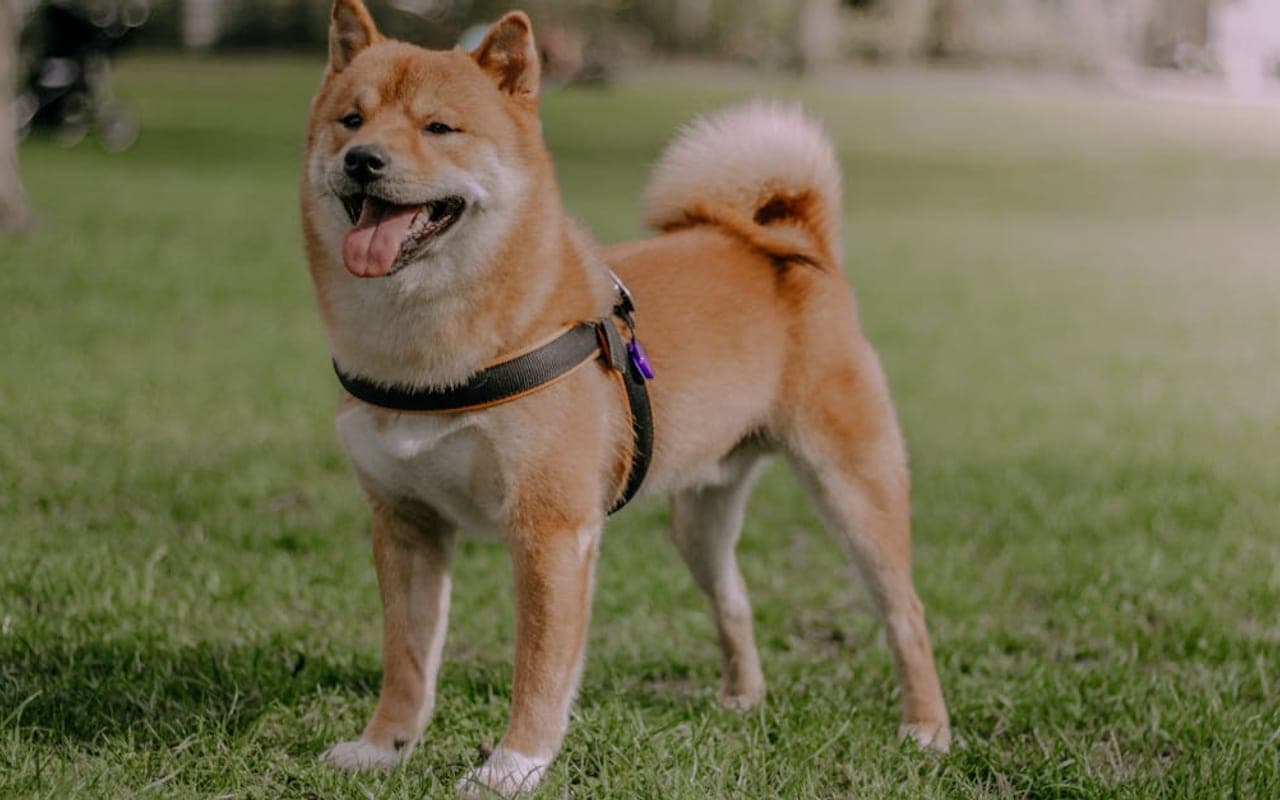
Kishu Ken
Also in the Foundation Stock Service group, with different care and temperament tradeoffs.
Explore More About Transylvanian Hound
Dive deeper into everything Transylvanian Hound — costs, care, and expert insights.
Considering a cat instead?
Browse Cats