
Hound group
Treeing Walker Coonhound
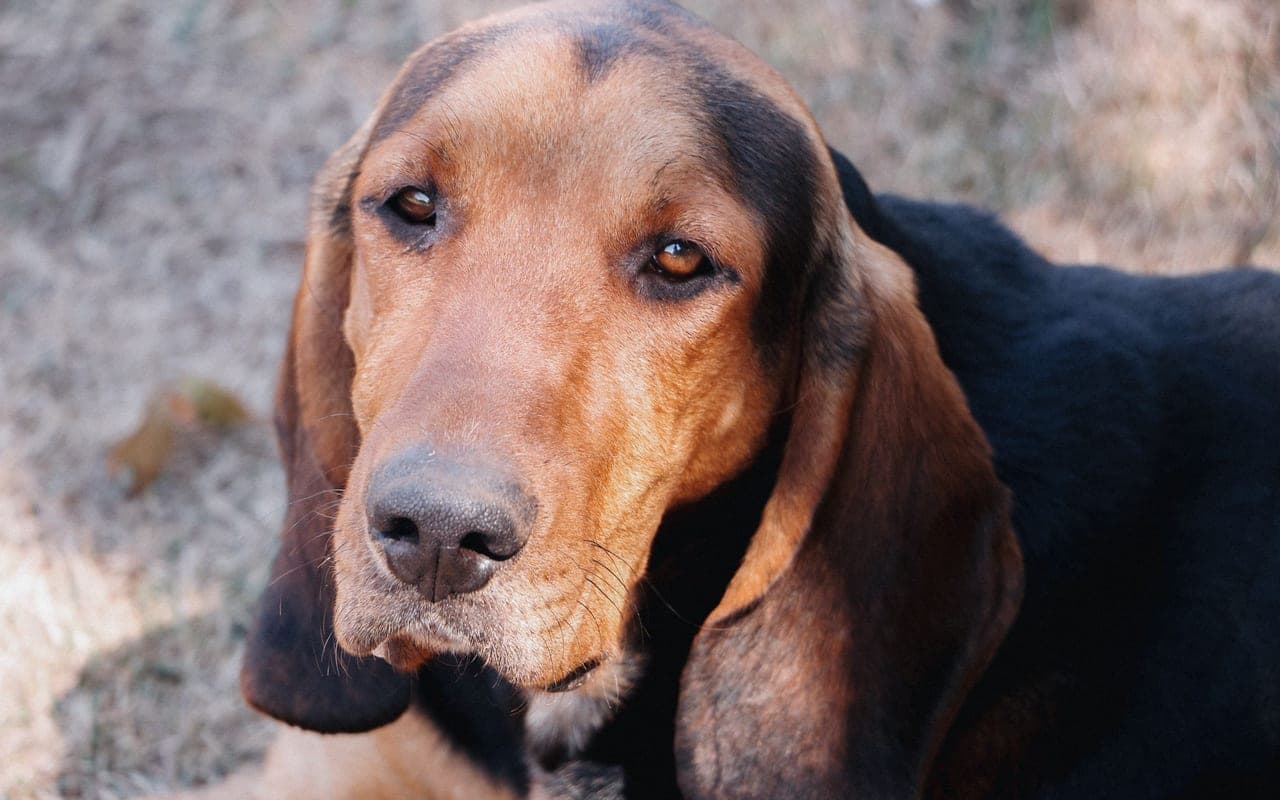
The Treeing Walker Coonhound is a tall, lean, tricolour American scenthound of roughly 50-70 pounds (about 23-32 kg) bred for one job: to run a raccoon's scent trail at speed, often for miles in the dark, and then 'tree' the quarry and bay until the hunter arrives.
Size
44-71 lb
Lifespan
12-13 years
Exercise
30-60 minutes
Shedding
Moderate
Experience
Match to owner routine
Decision first
Is a Treeing Walker Coonhound right for you?
Start with fit before history or trivia. These are ownership signals, not guarantees about any individual dog.
Best suited for
- Households with children.
- Homes with other compatible pets.
- Apartment homes with a consistent routine.
- Owners seeking a manageable daily exercise routine.
Think carefully if
- You need a dog with almost no daily routine.
- You cannot keep up with grooming and preventive care.
- The dog will spend most days alone without support.
Conditional fit
Apartment fit depends on exercise, enrichment, noise management, and outdoor access.
Daily reality
Treeing Walker Coonhound commitment snapshot
Daily exercise
30-60 minutes
Match activity to age, health, weather, and training goals.
Coat care
Moderate
Grooming needs vary by coat, shedding, and lifestyle.
Time alone
Needs planning
Most dogs need gradual alone-time conditioning and support.
Structured facts
Treeing Walker Coonhound at a glance
The measurements and traits that most affect day-to-day life with this breed.
Group
Hound
Weight
44-71 lb
Height
20-27 in
Lifespan
12-13 years
Temperament
Smart | Brave | Courteous
View all characteristics and methodology
Lifestyle fit
- Apartment suitability
- Likely fit
- Child friendliness
- Often good, with socialisation and supervision
- Other-pet fit
- Often compatible with careful introductions
Owner commitment
- Exercise
- 30-60 minutes
- Grooming
- Moderate
- Shedding
- Moderate
- Training
- Moderate
Environment and health
- Health risk
- Needs planning
Ratings combine structured breed data, visible breed fields, and editorial context. They are planning aids, not predictions for an individual dog.
Daily life
Treeing Walker Coonhound temperament and behavior
The Treeing Walker Coonhound is a tall, lean, tricolour American scenthound of roughly 50-70 pounds (about 23-32 kg) bred for one job: to run a raccoon's scent trail at speed, often for miles in the dark, and then 'tree' the quarry and bay until the hunter arrives. Nicknamed 'the People's Choice' among coon hunters, this is an athlete first and a pet second — a fact that determines whether the breed will be a joy or a disaster in your home. What you are choosing is a high-endurance, scent-driven, vocal dog with a famous and very loud 'bawl-and-chop' bay that carries for a long way. Treeing Walkers are friendly, sociable, people-loving, and gentle in the house once exercised — but a nose locked onto a trail overrides recall completely, and a bored or under-exercised TWC is a fence-jumping, baying, escape-artist problem. They are pack-bred and generally good with other dogs, but a deep prey drive makes cats and small animals a serious consideration. The Treeing Walker is right for you if you are an active owner who hikes, runs, or hunts, you have a securely fenced yard (not an invisible fence — those do not stop a scenting hound), and you can tolerate a genuinely loud dog. It is wrong for you if you want a reliable off-leash dog, live where neighbours are close and noise-sensitive, or expect the 'moderate exercise' some breed databases list — that understatement is the single biggest reason this breed is surrendered. The hidden cost most owners miss: this is a deep-chested breed at real risk of life-threatening bloat, and bloat surgery is a four-figure emergency you should plan for, not be surprised by.
Smart | Brave | Courteous
Smart
A common Treeing Walker Coonhound temperament descriptor that should be interpreted alongside training, exercise, and household fit.
Brave
A common Treeing Walker Coonhound temperament descriptor that should be interpreted alongside training, exercise, and household fit.
Courteous
A common Treeing Walker Coonhound temperament descriptor that should be interpreted alongside training, exercise, and household fit.
Owner note
Temperament labels are starting points, not guarantees. Meet the individual dog and ask about behavior history whenever possible.
Care essentials
How to care for a Treeing Walker Coonhound
What looking after one actually involves: exercise, grooming, food, training, and routine health.
ExerciseAs needed
- Moderately active breed needing 30-60 minutes of daily exercise.
GroomingAs needed
- Brush 2-3 times per week.
TrainingAs needed
- Consistent, patient training works best.
NutritionAs needed
- Feed high-quality dog food appropriate for age, size, and activity level.
Veterinary CareAs needed
- Annual wellness exams, vaccinations, dental care, and parasite prevention.
Health planning
Treeing Walker Coonhound health risks and screening
Every breed has individual health variation. Use this profile for planning and discuss medical decisions with a veterinarian.
Responsible ownership
Finding a Treeing Walker Coonhound responsibly
What to ask a breeder or rescue is the same conversation for every breed, so we keep it in one place and keep it current.
Health documentation, meeting the parents or foster, contracts and return support, and the warning signs worth walking away from.
Original purpose
Treeing Walker Coonhound history
History is useful when it explains today's behavior, coat, exercise needs, and training style.
Read the breed history
The Treeing Walker Coonhound is a distinctly American breed, developed in the United States from the Walker Foxhound, which itself descends from English Foxhound stock brought to the colonies. The breed's foundation is traced in large part to a dog called 'Tennessee Lead', a strain introduced into Walker Foxhound lines in the 19th century that added the drive and treeing instinct prized by raccoon hunters. For much of its history the Treeing Walker was registered and bred as a variety of the Coonhound family for working performance rather than appearance, and it remained primarily a hunter's dog long before it gained formal show recognition. The breed was developed specifically for the American sport of night raccoon hunting: trailing the scent at speed, driving the quarry up a tree, and holding it there with a distinctive, far-carrying bay so the hunter can locate the dog in the dark. That single-purpose working history explains the breed's stamina, voice, scent obsession, and weak recall under trail.
Gallery
Treeing Walker Coonhound photos
Images are cropped consistently and loaded progressively to keep the page responsive.
Lower-page context
Treeing Walker Coonhounds in culture
Where the breed shows up in film, sport, work and folklore — the enjoyable part, once the practical questions are answered.
Fun facts
- The Treeing Walker Coonhound belongs to the Hound Group.
- The average lifespan of a Treeing Walker Coonhound is 12 to 13 years.
- Treeing Walker Coonhound dogs are valued for their smart, brave, courteous nature.
Treeing Walker Coonhound FAQs
How long do Treeing Walker Coonhounds live?
Treeing Walker Coonhounds typically live 12-13 years, a reasonable span for a medium-large active dog. The breed is generally hardy, and the conditions that most often shorten life are partly preventable: bloat (managed with feeding practice and rapid emergency response), hip arthritis (managed with lean body weight), and trauma from a dog that bolts on a scent trail (managed with secure containment and leashing). Screened breeding and disciplined management, not luck, drive longevity here.
Are Treeing Walker Coonhounds good with children?
Generally yes — they are friendly, sociable, people-loving dogs that are typically gentle and tolerant with children. The caveats are size and energy: a 50-70 pound hound in full play can knock down a small child unintentionally, and the breed's exercise needs mean it does best in active families. They are pack-raised and usually good-natured, but supervise interactions with toddlers and give the dog its own space. The bigger family-fit question is usually noise and exercise tolerance, not temperament with kids.
How much exercise does a Treeing Walker Coonhound need?
A genuine 60-90 minutes of vigorous daily activity — running, long hikes, scent work, or hunting — not a casual walk, and this directly corrects the 'moderate exercise' rating some breed databases list. The Treeing Walker is an endurance scenthound built to work all night; without real exercise it bays, digs, and escapes. Mental work via scent games matters too. This under-exercise misconception is the leading reason the breed is surrendered to rescues, so be honest about your activity level before choosing one.
Can Treeing Walker Coonhounds be let off-leash?
Realistically, no — not in unfenced areas near roads or wildlife. This breed is bred to lock onto a scent trail and follow it for miles, and when the nose engages, recall training is overridden almost completely. Even a well-trained TWC will run a trail and become lost or hit by a vehicle. Use a long line for sniff-walks, a securely fenced (physical, not invisible) yard, and accept that off-leash freedom is one of the genuine trade-offs of owning a working scenthound.
Why are Treeing Walker Coonhounds so loud, and can it be trained out?
The loud, far-carrying 'bawl-and-chop' bay is the breed's core working function — it is how a hunter locates the dog holding quarry at a tree in the dark, and it has been deliberately bred for over generations. It is instinctive, not a behaviour problem, and it cannot be reliably trained away, though adequate exercise and engagement reduce nuisance baying. If you live in close quarters with noise-sensitive neighbours, this is a serious compatibility issue to weigh honestly before getting the breed, not after.
Sources
These are the published sources this page draws on. Each opens in a new tab so you can check it yourself.
American Kennel Club
Treeing Walker Coonhound — breed standard and profile(opens in a new tab)Supports: Breed standard and recognition details.
Similar breeds to consider
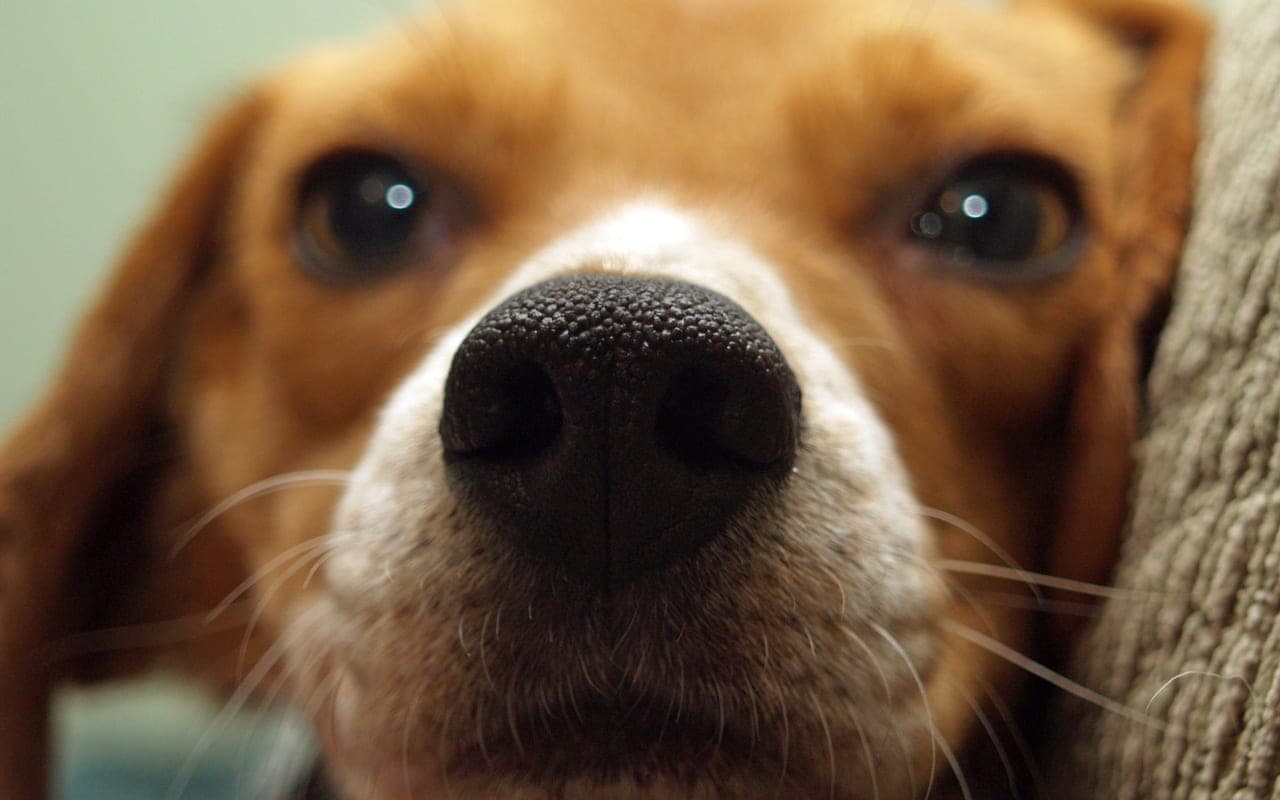
Beagle
Also in the Hound group, with different care and temperament tradeoffs.

Dachshund
Also in the Hound group, with different care and temperament tradeoffs.
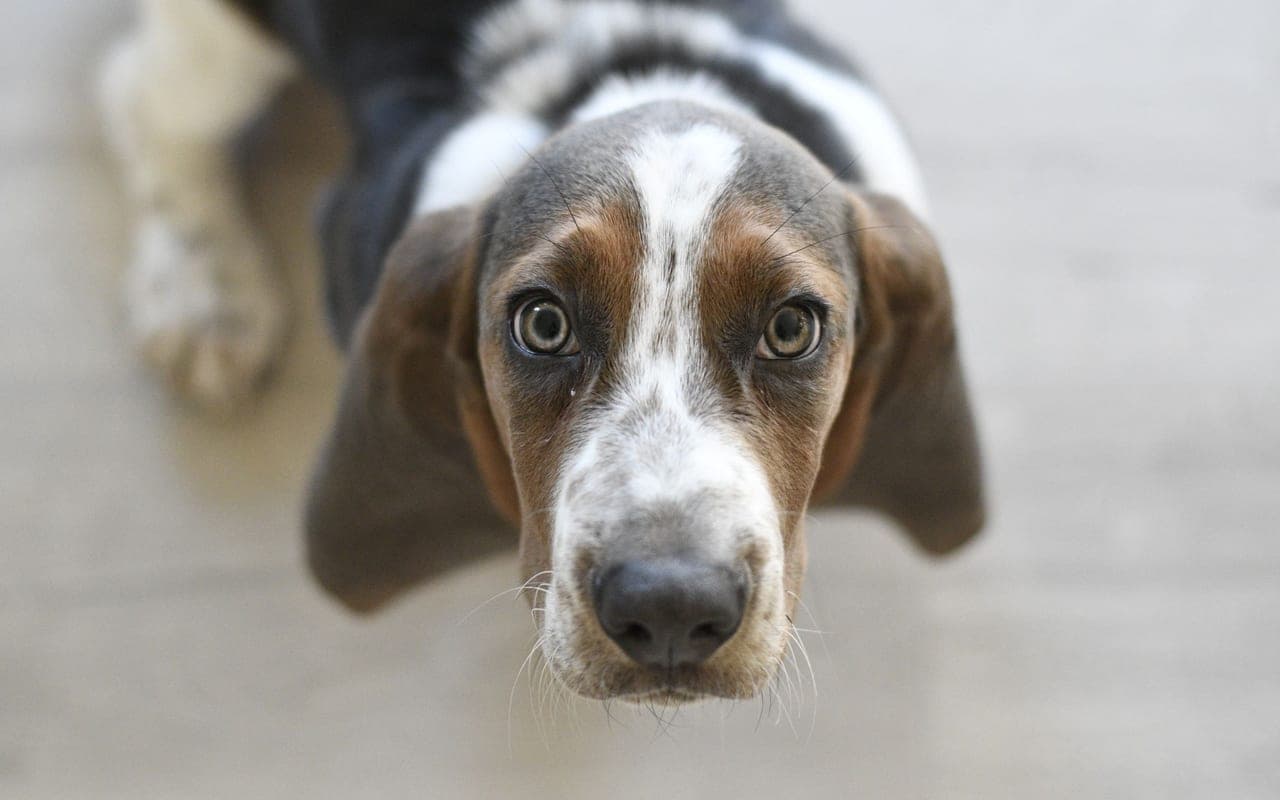
Basset Hound
Also in the Hound group, with different care and temperament tradeoffs.
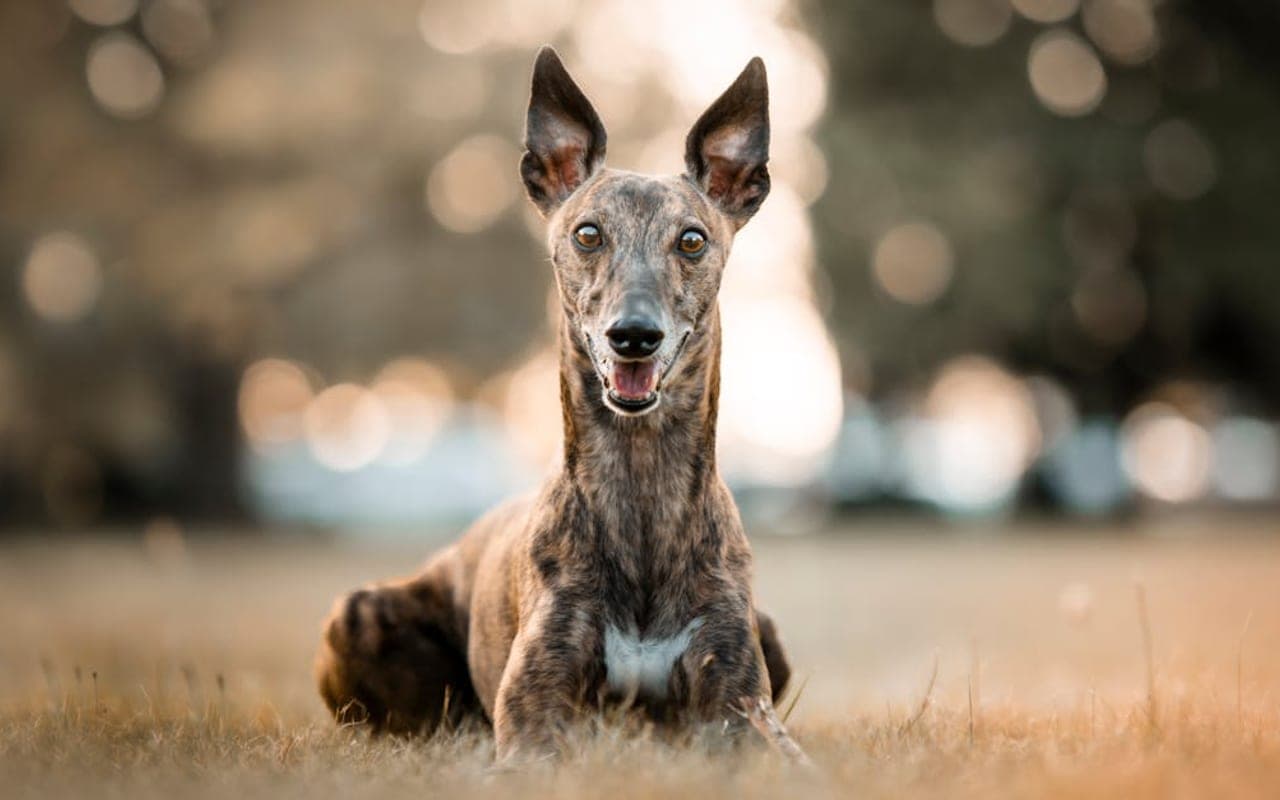
Greyhound
Also in the Hound group, with different care and temperament tradeoffs.
Explore More About Treeing Walker Coonhound
Dive deeper into everything Treeing Walker Coonhound — costs, care, and expert insights.
Considering a cat instead?
Browse Cats