
Sporting group
Wirehaired Vizsla
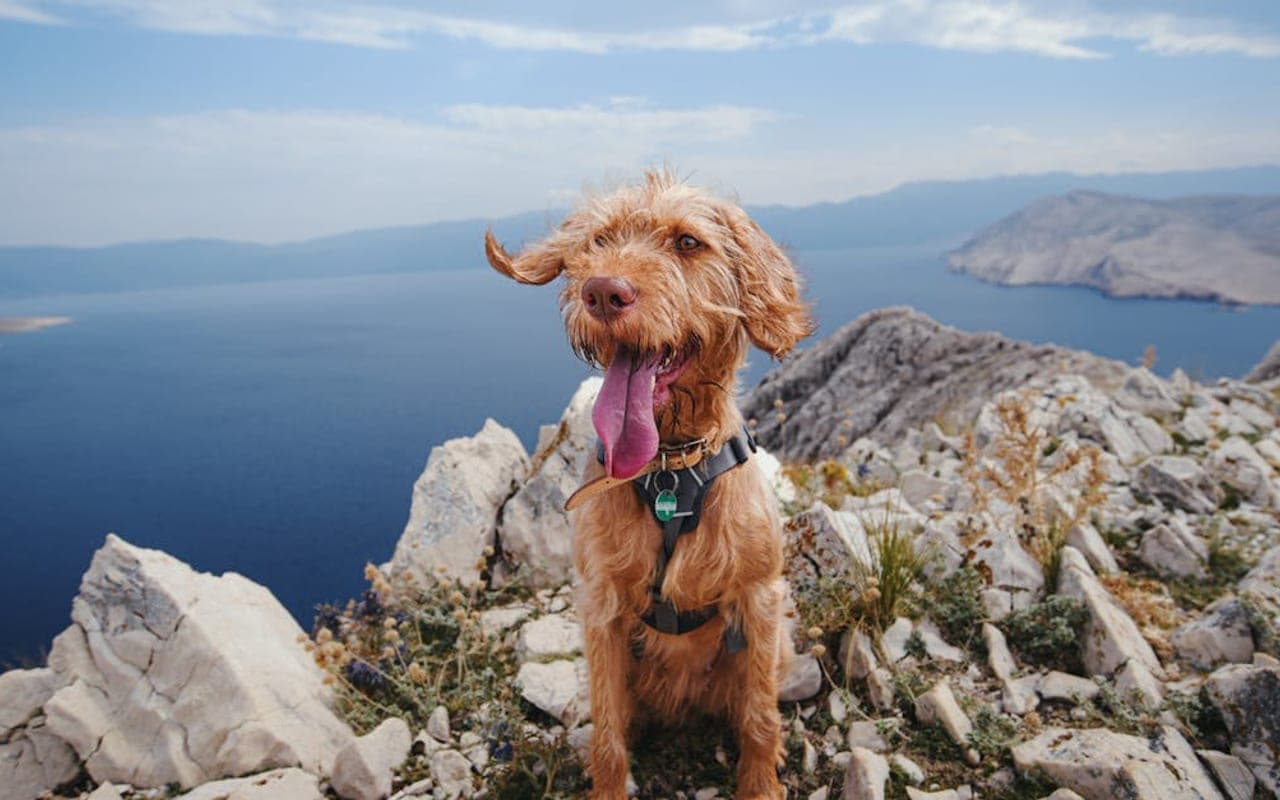
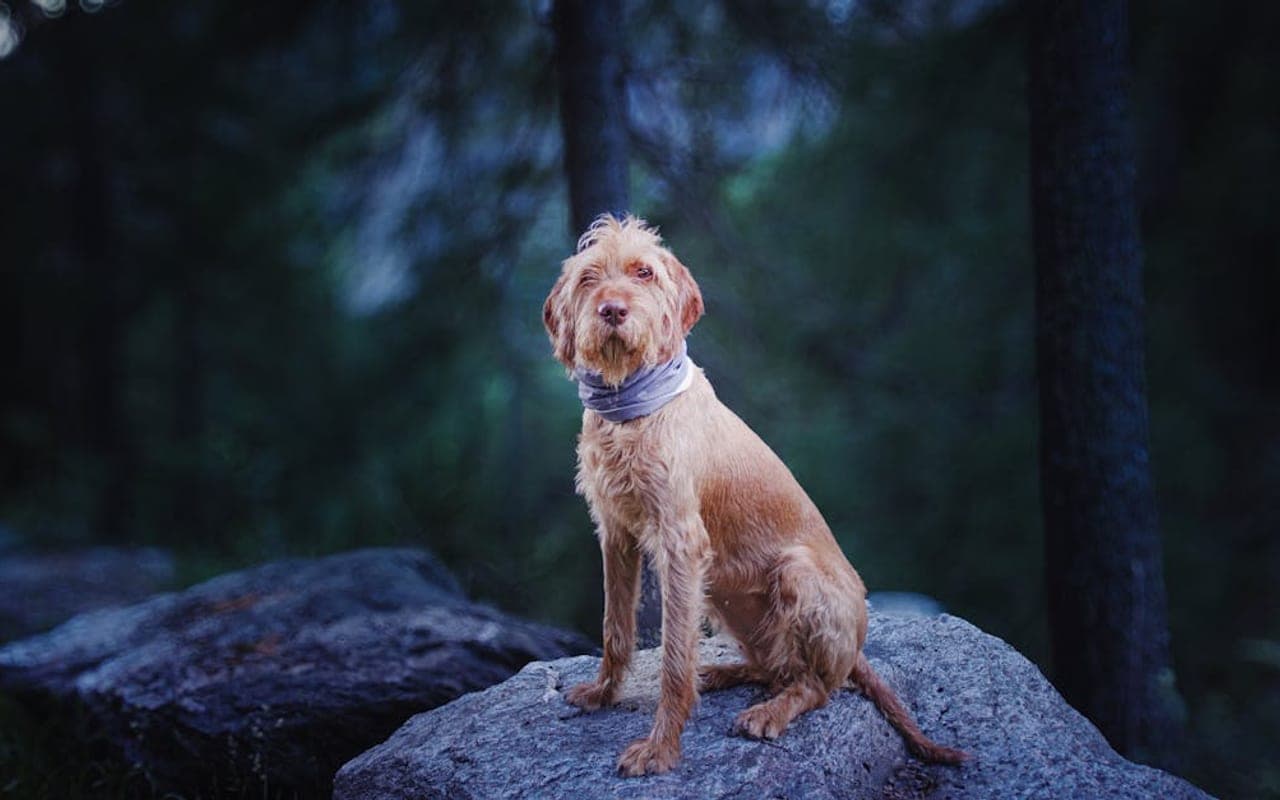
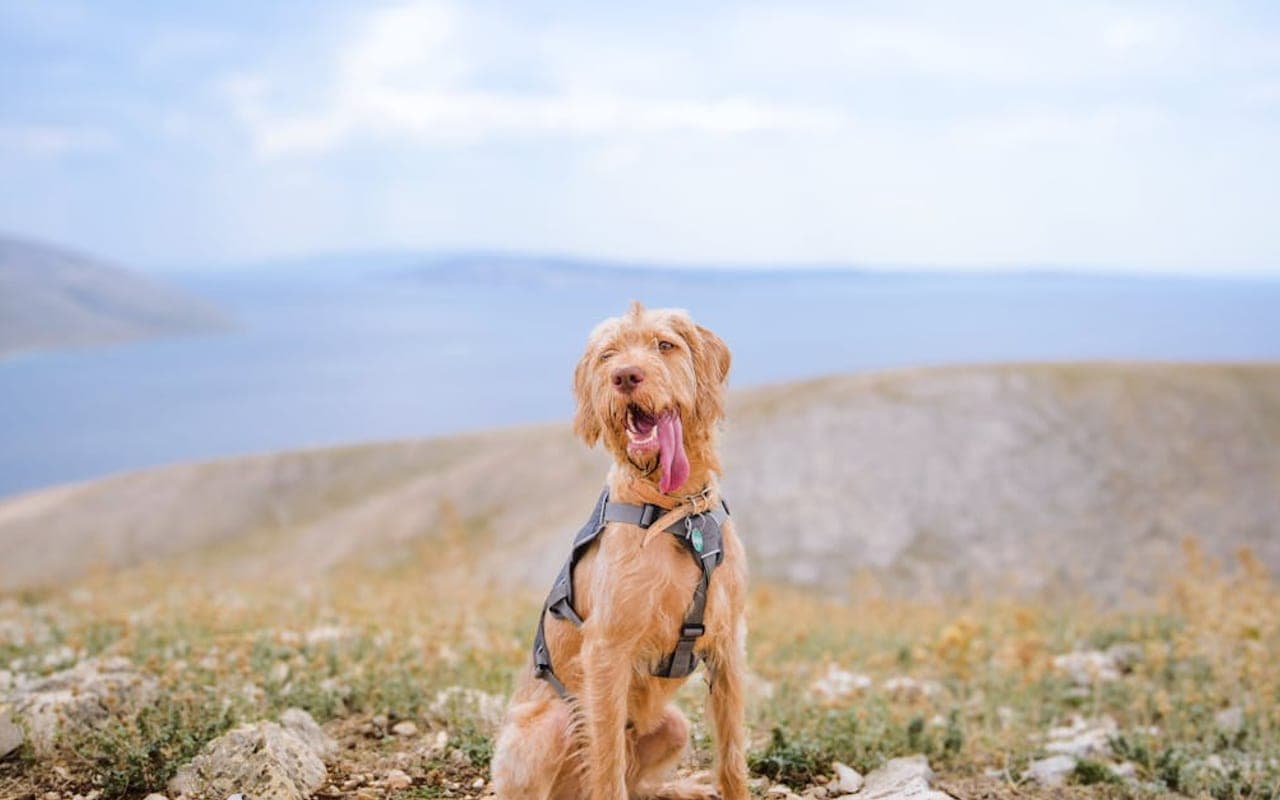
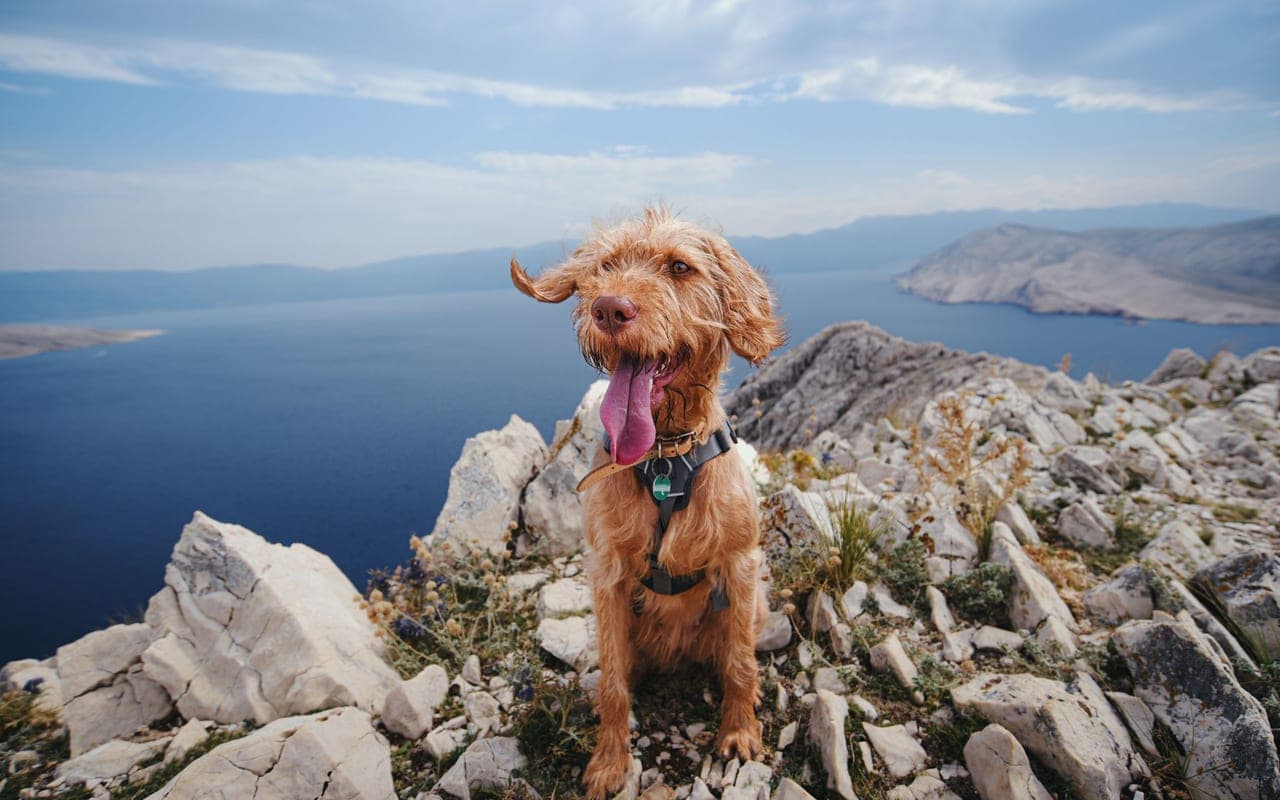
The Wirehaired Vizsla is a Hungarian pointing and retrieving gundog — a distinct breed, not a coat variety of the smooth Vizsla — and the most important thing to grasp before buying one is that it is a high-drive working hunting dog in a handsome family-dog wrapper.
Size
44-66 lb
Lifespan
12-14 years
Exercise
30-60 minutes
Shedding
Moderate
Experience
Match to owner routine
Decision first
Is a Wirehaired Vizsla right for you?
Start with fit before history or trivia. These are ownership signals, not guarantees about any individual dog.
Best suited for
- Households with children.
- Homes with other compatible pets.
- Apartment homes with a consistent routine.
- Owners seeking a manageable daily exercise routine.
Think carefully if
- You need a dog with almost no daily routine.
- You cannot keep up with grooming and preventive care.
- The dog will spend most days alone without support.
Conditional fit
Apartment fit depends on exercise, enrichment, noise management, and outdoor access.
Daily reality
Wirehaired Vizsla commitment snapshot
Daily exercise
30-60 minutes
Match activity to age, health, weather, and training goals.
Coat care
Moderate
Grooming needs vary by coat, shedding, and lifestyle.
Time alone
Needs planning
Most dogs need gradual alone-time conditioning and support.
Structured facts
Wirehaired Vizsla at a glance
The measurements and traits that most affect day-to-day life with this breed.
Group
Sporting
Weight
44-66 lb
Height
21-25 in
Lifespan
12-14 years
Temperament
Gentle | Loyal | Trainable
View all characteristics and methodology
Lifestyle fit
- Apartment suitability
- Likely fit
- Child friendliness
- Often good, with socialisation and supervision
- Other-pet fit
- Often compatible with careful introductions
Owner commitment
- Exercise
- 30-60 minutes
- Grooming
- Moderate
- Shedding
- Moderate
- Training
- Moderate
Environment and health
- Health risk
- Needs planning
Ratings combine structured breed data, visible breed fields, and editorial context. They are planning aids, not predictions for an individual dog.
Daily life
Wirehaired Vizsla temperament and behavior
The Wirehaired Vizsla is a Hungarian pointing and retrieving gundog — a distinct breed, not a coat variety of the smooth Vizsla — and the most important thing to grasp before buying one is that it is a high-drive working hunting dog in a handsome family-dog wrapper. Standing roughly 21.5-25 inches and weighing about 45-65 pounds, it carries the same golden-rust coloring as the smooth Vizsla but with a dense, harsh, weatherproof wire coat plus a signature beard and bushy eyebrows that suit it for rougher cover and colder, wetter work. Temperamentally the Wirehaired Vizsla is calm and gentle in the house once its needs are met, deeply affectionate, and famously 'velcro' — it wants to be with its person constantly and does not cope well with isolation. That bondedness is the breed's charm and its biggest pitfall: a Wirehaired Vizsla left alone for long workdays, or under-exercised, is a textbook recipe for separation anxiety, destructiveness and nuisance behavior. It is intelligent and trainable, but sensitive — harsh handling damages it — and it needs both hard physical exercise and a real job for its mind. Who the Wirehaired Vizsla is right for: an active owner or family that hunts, runs, hikes or does dog sports, can keep the dog with them most of the day, and will train with patience and positive methods. Who it is wrong for: people who work long hours away from home, sedentary households, owners wanting an independent low-needs dog, and anyone who skips health screening. The breed has documented joint, thyroid, eye and neurologic risks, so the only sound purchase is from a breeder who runs the CHIC screening on parents described below.
Gentle | Loyal | Trainable
Gentle
A common Wirehaired Vizsla temperament descriptor that should be interpreted alongside training, exercise, and household fit.
Loyal
A common Wirehaired Vizsla temperament descriptor that should be interpreted alongside training, exercise, and household fit.
Trainable
A common Wirehaired Vizsla temperament descriptor that should be interpreted alongside training, exercise, and household fit.
Owner note
Temperament labels are starting points, not guarantees. Meet the individual dog and ask about behavior history whenever possible.
Care essentials
How to care for a Wirehaired Vizsla
What looking after one actually involves: exercise, grooming, food, training, and routine health.
ExerciseAs needed
- Moderately active breed needing 30-60 minutes of daily exercise.
GroomingAs needed
- Brush 2-3 times per week.
TrainingAs needed
- Consistent, patient training works best.
NutritionAs needed
- Feed high-quality dog food appropriate for age, size, and activity level.
Veterinary CareAs needed
- Annual wellness exams, vaccinations, dental care, and parasite prevention.
Health planning
Wirehaired Vizsla health risks and screening
Every breed has individual health variation. Use this profile for planning and discuss medical decisions with a veterinarian.
Responsible ownership
Finding a Wirehaired Vizsla responsibly
What to ask a breeder or rescue is the same conversation for every breed, so we keep it in one place and keep it current.
Health documentation, meeting the parents or foster, contracts and return support, and the warning signs worth walking away from.
Original purpose
Wirehaired Vizsla history
History is useful when it explains today's behavior, coat, exercise needs, and training style.
Read the breed history
The Wirehaired Vizsla was created in Hungary in the 1930s by hunters and breeders who wanted a versatile pointing-retrieving gundog with the smooth Vizsla's nose, biddability and style but a tougher, weatherproof coat for working dense cover and cold water. It was developed primarily by crossing the smooth Hungarian Vizsla with the German Wirehaired Pointer, with other wire-coated pointing breeds reportedly contributing, to fix the harsh coat, protective beard and heavier build while preserving the Vizsla's golden-rust color and temperament. The breed was nearly lost in the upheaval of World War II and rebuilt afterward from a small number of surviving dogs, leaving a narrow gene pool. It was recognized by Hungarian and international registries through the mid-20th century and remains rare worldwide. Its deliberate gundog origin explains the modern dog's high exercise needs, strong handler bond, hunting drive and sensitivity, while the small founding population is why structured health screening matters disproportionately.
Gallery
Wirehaired Vizsla photos
Images are cropped consistently and loaded progressively to keep the page responsive.
Lower-page context
Wirehaired Vizslas in culture
Where the breed shows up in film, sport, work and folklore — the enjoyable part, once the practical questions are answered.
Fun facts
- The Wirehaired Vizsla belongs to the Sporting Group.
- The average lifespan of a Wirehaired Vizsla is 12 to 14 years.
- Wirehaired Vizsla dogs are valued for their gentle, loyal, trainable nature.
Wirehaired Vizsla FAQs
How long do Wirehaired Vizsla dogs live?
A Wirehaired Vizsla typically lives 12-14 years, which is good for a medium-large sporting breed. Lifespan is most influenced by buying from a breeder who completes CHIC screening (hips, thyroid, eyes) on the parents, keeping the dog lean to protect the hips, and knowing the family's cancer and epilepsy history, since both are leading health issues without preventive DNA tests. A fit dog from screened, long-lived lines reaches the upper end of that range.
Are Wirehaired Vizslas good with children?
Yes — they are typically gentle, affectionate and patient with their family's children, and their strong people-bond makes them want to be involved in family life. The breed-specific cautions are exuberance and size: a young, under-exercised Wirehaired Vizsla can be bouncy and knock over small children, and the breed is sensitive to chaos. Supervise young children, meet the dog's exercise needs so it is calm indoors, and teach gentle handling for a genuinely good family fit.
How much exercise does a Wirehaired Vizsla need?
A great deal — this is a stamina-built hunting dog. Plan a minimum of 60-90 minutes of vigorous daily activity such as running, hiking, swimming, fetch or fieldwork, plus mental work like scent games or training. A short leashed walk is nowhere near enough. The most common pet-home failure is an under-exercised dog that becomes anxious and destructive; mental stimulation matters as much as physical exercise and settles the dog just as effectively.
Do Wirehaired Vizslas have separation anxiety?
They are highly prone to it. The breed is intensely people-bonded — often called 'velcro dogs' — and does not cope well being left alone for long stretches, which is the single most underestimated requirement of owning one. Owners who work long hours away from home without a dog walker, daycare or overlapping household presence frequently end up with destructive, anxious, vocal dogs. If you cannot keep the dog company most of the day, this is the wrong breed.
How much grooming does a Wirehaired Vizsla need?
Relatively low for a wire-coated breed. Brush the harsh, dense coat about once a week to remove loose hair and prevent matting, with occasional hand-stripping to maintain the correct wiry texture and infrequent bathing — the coat is naturally weather-resistant and fairly self-cleaning. The one routine extra is the beard and eyebrows, which trap food, water and debris and need regular wiping. Overall the coat is one of the easier aspects of owning this otherwise demanding breed.
What health tests should a Wirehaired Vizsla's parents have?
Look for the breed's CHIC panel: an OFA hip evaluation, a thyroid screen, and a board-certified ophthalmologist (CAER) eye exam, at minimum. Hip dysplasia, hypothyroidism and inherited eye disease are the screenable risks, while epilepsy and cancer are documented in the line but have no preventive DNA test, so also ask about longevity and cause of death in the parents' families. A breeder who cannot produce CHIC clearances is selling avoidable risk.
Sources
These are the published sources this page draws on. Each opens in a new tab so you can check it yourself.
American Kennel Club
Wirehaired Vizsla — breed standard and profile(opens in a new tab)Supports: Breed standard and recognition details.
Similar breeds to consider
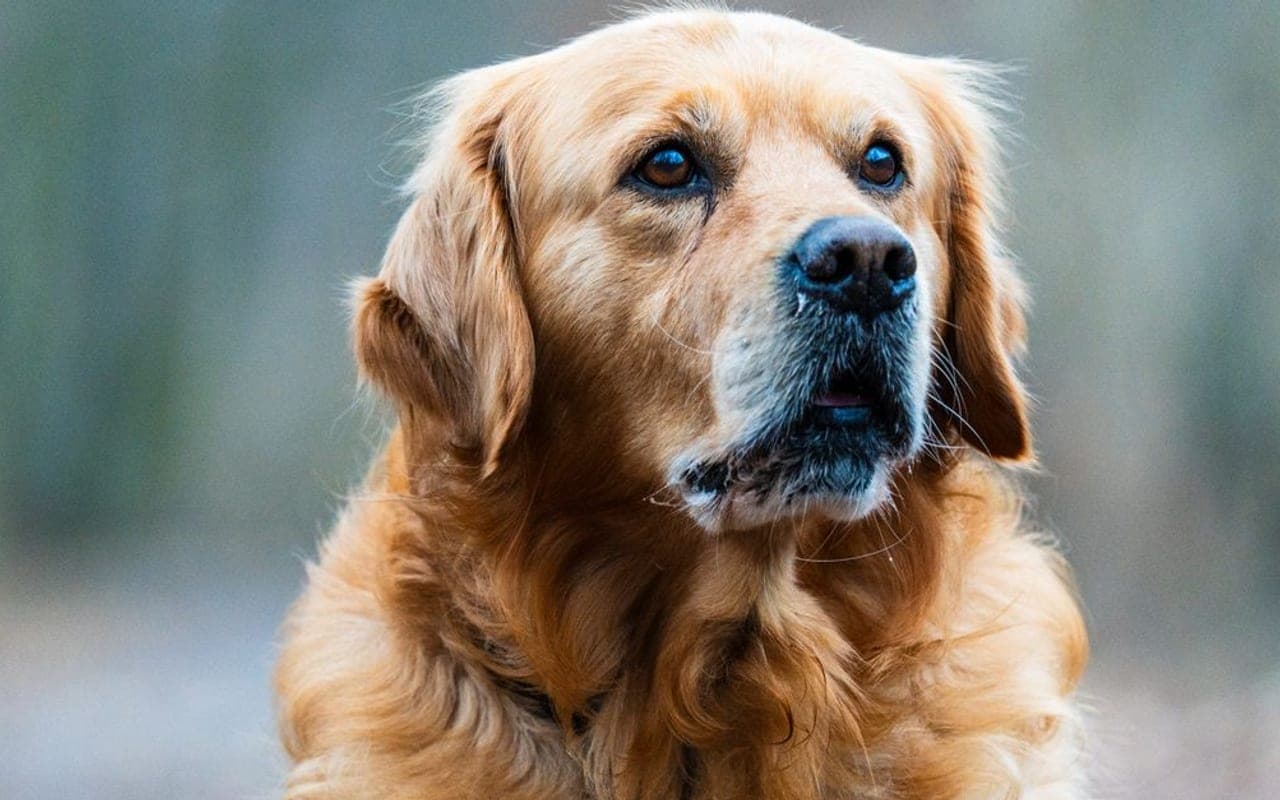
Golden Retriever
Also in the Sporting group, with different care and temperament tradeoffs.
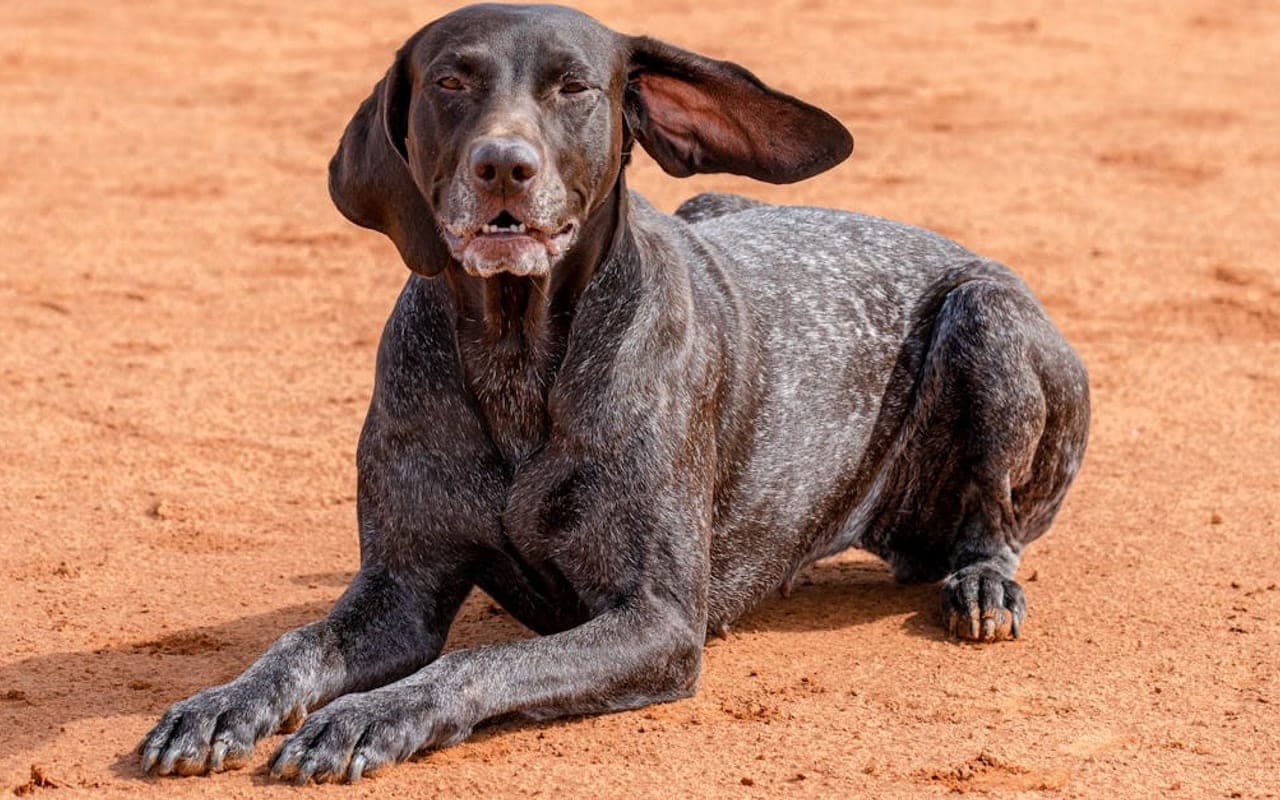
German Shorthaired Pointer
Also in the Sporting group, with different care and temperament tradeoffs.
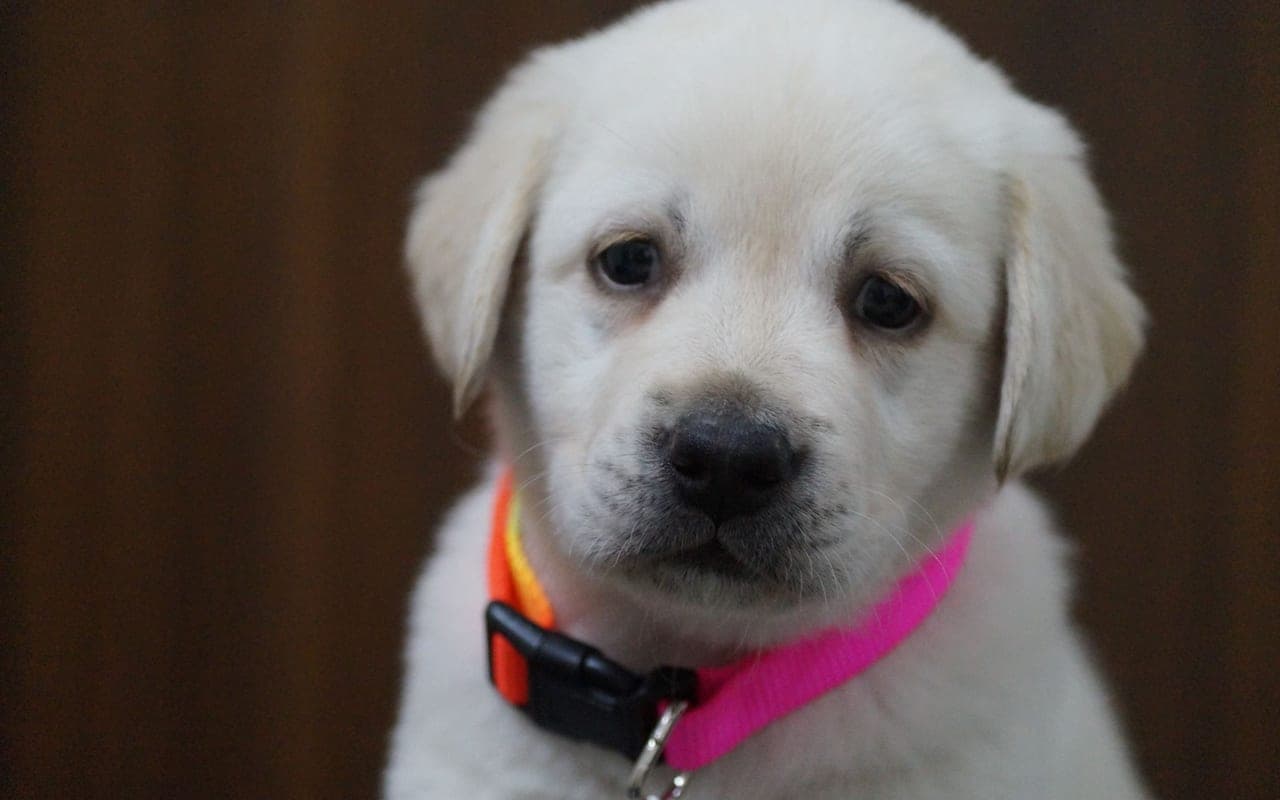
Labrador Retriever
Also in the Sporting group, with different care and temperament tradeoffs.
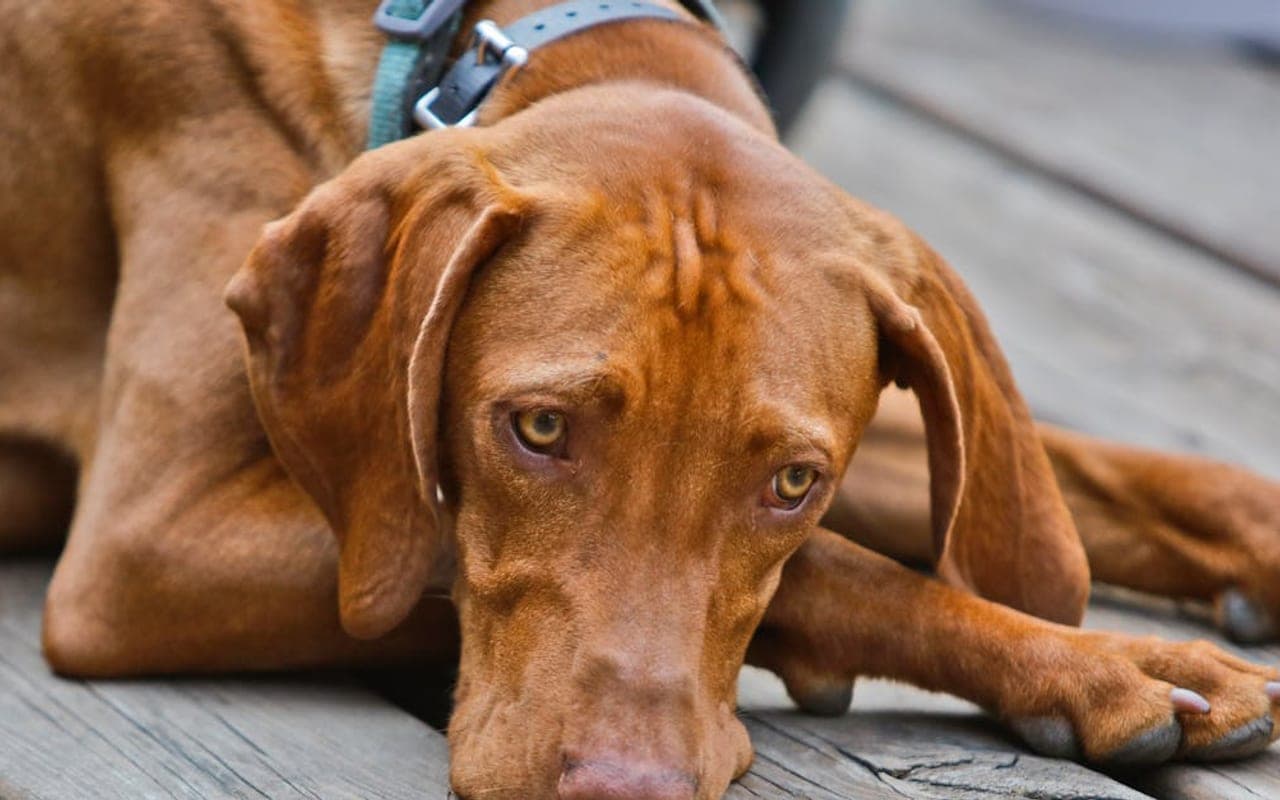
Vizsla
Also in the Sporting group, with different care and temperament tradeoffs.
Explore More About Wirehaired Vizsla
Dive deeper into everything Wirehaired Vizsla — costs, care, and expert insights.
Large Dog Care Guide: Everything Over 50 lbs
Owning a large or giant breed dog means accepting one of biology's...
Puppy Teething & Biting: Timeline and What Actually Works
A puppy has all 28 deciduous ("baby") teeth by roughly eight weeks of age, and...
Considering a cat instead?
Browse Cats