
Why Does My Dog Lick My Face? (And What You Can Do About It)
Not individually reviewed by a veterinarian. Read our editorial standards.
Last updated:

- Licking is a natural behavior rooted in puppyhood — it's how dogs first communicated with their mothers
- Affection, taste, communication, and habit are the four main reasons dogs lick faces
- Excessive or sudden licking can signal anxiety, nausea, or pain — not just love
- You can redirect licking without punishment using simple behavioral techniques
- When in doubt about sudden changes in licking behavior, ask your vet
Your dog licks your face. A lot. You might think it's just slobbery love — and often it is — but there's actually a complex mix of instinct, emotion, and communication happening every time that tongue hits your cheek. Understanding why dogs lick can help you respond in a way that strengthens your bond without encouraging behavior you'd rather avoid.
Why Do Dogs Lick Faces? The Science Behind It
Licking is one of the oldest behaviors in the canine repertoire. Wild wolf pups lick their mother's face to signal hunger and prompt her to regurgitate food. While your Labrador Retriever isn't asking you to share your dinner this way, that deep-rooted instinct still drives much of the licking behavior you see today.
When your dog licks you, her brain releases endorphins — the same feel-good chemicals that make a belly rub so satisfying. This creates a self-reinforcing loop: licking feels good, so she does it more.
Affection and Bonding
The most common reason dogs lick faces is simple: they love you. Licking releases oxytocin in both the dog and the person being licked, strengthening the emotional bond between you. It's the canine equivalent of a hug.
Breeds known for being particularly affectionate — like Golden Retrievers, Cavalier King Charles Spaniels, and Labrador Retrievers — tend to be enthusiastic face-lickers. But any dog who feels securely bonded to her owner may express it this way.
Taste and Curiosity
Your skin tastes interesting. Seriously. The salt from sweat, traces of food, lotion, sunscreen — all of these create a flavor profile that dogs find genuinely appealing. Puppies are especially motivated by taste as they explore and learn about their environment through their mouths.
If your dog licks you more after a workout or after you've applied lotion, taste is likely the primary driver.
Communication and Social Signaling
In dog-to-dog interactions, licking another dog's face is a submissive gesture that communicates: "I'm not a threat. I respect you." When your dog licks your face, she may be sending a similar message — acknowledging you as the leader of her social group.
Some dogs also lick to get attention. If licking has gotten a response from you before — even a gentle "stop that" — your dog has learned that licking works as a communication tool. She's saying: "Hey, I'm here. Pay attention to me."
Habit and Learned Behavior
Dogs are excellent at learning what gets results. If your dog discovered that licking your face leads to attention, petting, laughter, or even being pushed away (which some dogs interpret as play), the behavior becomes self-reinforcing.
This is especially common in puppies who were rewarded — even accidentally — for face-licking during their socialization period. By adulthood, it's a deeply ingrained habit.
Do Certain Breeds Lick More Than Others?
Yes, and it's largely tied to temperament and breeding history. Retrieving breeds like Golden Retrievers and Labrador Retrievers were bred to have soft mouths and close working relationships with humans — face-licking comes naturally to them.
Companion breeds like Cavalier King Charles Spaniels and Pomeranians were literally bred to be close to people, and licking is part of how they maintain that connection.
On the other end, more independent breeds like Shiba Inus and Akitas tend to lick less frequently. Their breeding emphasized independence rather than close physical affection.
When Is Licking a Problem?
Most face-licking is completely harmless and normal. But sudden changes in licking behavior can signal something worth investigating.
When to Pay Attention: If your dog suddenly starts licking much more than usual, or begins obsessively licking surfaces, paws, or the air, it's worth a vet check.
Anxiety and Stress
Dogs experiencing anxiety — whether from separation anxiety, environmental changes, or chronic stress — may lick compulsively as a self-soothing mechanism. The repetitive motion releases calming endorphins, similar to how some people bite their nails when nervous.
Signs that licking is anxiety-driven include: licking when you're about to leave, licking combined with pacing or whining, and licking that doesn't stop when redirected.
Nausea and Digestive Issues
A dog who is nauseous often licks her lips excessively or licks surfaces (floors, walls, furniture). This behavior is sometimes called "excessive licking of surfaces" (ELS) and has been linked to gastrointestinal issues in several veterinary studies.
If your dog's face-licking is accompanied by lip-smacking, drooling, or loss of appetite, a digestive problem may be the cause.
Pain or Discomfort
Dogs sometimes lick to communicate that something hurts. If your dog licks a specific area of your body repeatedly, she may be trying to "treat" that area the way she'd lick a wound on herself. Some dogs also increase overall licking when they're in pain, as the endorphin release provides temporary relief.
Compulsive Behavior
In rare cases, licking becomes a true compulsive disorder — similar to OCD in humans. Compulsive licking goes beyond normal affection or habit. It's persistent, difficult to interrupt, and the dog appears unable to stop even when she wants to. This requires professional behavioral intervention. When in doubt, ask your vet.
How to Gently Redirect Excessive Licking
If you'd rather not get a face full of licks every time you sit down, you can redirect without scolding. Punishment doesn't work for licking — it just confuses a dog who thinks she's showing love.
1. Remove the Reward
When your dog starts licking, calmly turn your head away. No eye contact, no verbal response, no pushing (which many dogs interpret as play). When she stops, immediately offer attention and praise. You're teaching her that not licking earns the response she wants.
2. Offer an Alternative Behavior
Give your dog something else to do with her mouth. A chew toy, a puzzle feeder, or a training command ("sit" or "shake") redirects the energy. Over time, she'll learn that approaching you calmly with a toy gets attention faster than licking.
3. Reward Calm Greetings
When your dog approaches without licking — sitting next to you, resting her chin on your knee, or making eye contact — reward that immediately with praise, treats, or petting. You're building a new greeting habit.
4. Increase Physical and Mental Exercise
Sometimes excessive licking is unspent energy looking for an outlet. A tired dog licks less. If your dog's licking increases during low-activity days, she may need more walks, play sessions, or enrichment activities. For high-energy breeds like Border Collies, mental stimulation is just as important as physical exercise.
Consistency Matters: These techniques work best when everyone in the household applies them the same way. If one person allows face-licking while another redirects, the dog receives mixed signals.
Is Dog Saliva Dangerous to Humans?
Dog saliva contains bacteria that are normally harmless to healthy adults. However, there are some considerations:
- Immunocompromised individuals should avoid face-licking, as dog saliva can carry bacteria like Capnocytophaga that pose a risk to people with weakened immune systems.
- Open wounds should never be licked by a dog — the bacteria in saliva can cause infection despite the old myth that "dog saliva heals wounds."
- Healthy adults and children face minimal risk from occasional face-licking, though it's good practice to wash your face afterward.
FAQ
Is it safe to let my dog lick my face?
For most healthy people, occasional face-licking is safe. Dog saliva is not inherently dangerous, though it does contain bacteria. People with compromised immune systems, open wounds on the face, or very young children should limit this contact. A quick face wash after a licking session is always a good practice.
Why does my dog lick me more at night?
Evening licking often happens because your dog is winding down and seeking comfort. Lower activity levels mean she has fewer outlets for affection, and your relaxed posture (lying down, sitting on the couch) makes your face more accessible. It can also be a grooming behavior — dogs groom pack members as a bonding ritual, and bedtime triggers this instinct.
Why does my dog lick my hands more than my face?
Hands carry more interesting scents and flavors than faces — food residue, lotion, other animals you've touched. Hands are also more accessible. If you've been eating, cooking, or petting another animal, your hands become irresistible. It's primarily taste-driven rather than emotional.
Can I train my dog to stop licking completely?
You can significantly reduce unwanted licking, but eliminating it entirely isn't realistic or necessary. Licking is a core part of canine communication. The goal should be teaching your dog when and where licking is appropriate — not suppressing a natural behavior entirely.
Should I be worried if my dog licks the air or surfaces?
Yes, if it's frequent or new. Excessive licking of surfaces (ELS) — floors, walls, furniture — has been linked to gastrointestinal problems in dogs. Air-licking can indicate nausea, anxiety, or neurological issues. If this behavior appears suddenly or persists, schedule a vet visit.
Every breed has its own quirks when it comes to showing affection. Curious about your dog's personality? Explore our breed guides or take our dog personality quiz to learn what makes your companion tick. For more on understanding dog behavior, check out our guide on what your dog's tail position means.
Mr Pet Lover Team
The Mr Pet Lover team is dedicated to providing warm, accurate, and practical pet care advice backed by veterinary research and real-world experience.
Related Articles
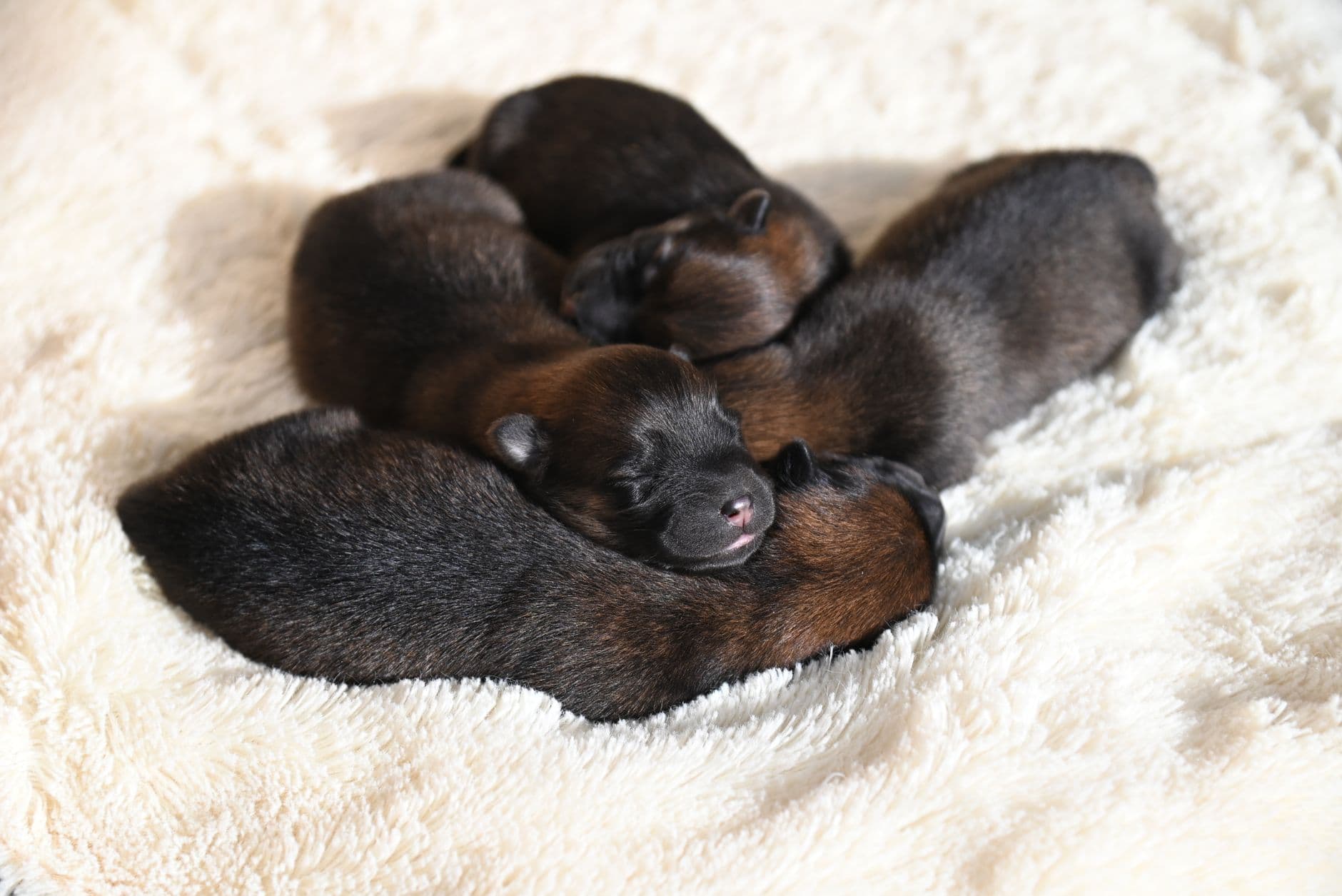
How to Start a Dog Breeding Business
Most guides to this business will tell you how to register an LLC. None of the six ranking guides we read in full will tell you that when the 2004 UK Kennel Club/BSAVA purebred dog health survey covered 22,005 litters from 13,141 bitches across 151 breeds, more than 80% of litters in Boston Terriers, Bulldogs and French Bulldogs were delivered by caesarean section.

Can Cats Eat This? The Complete Toxic & Safe Human-Foods List
A cat-specific list of which human foods are safe, which are risky, and which are an emergency — with the active risk and a clear vet-now trigger for each.
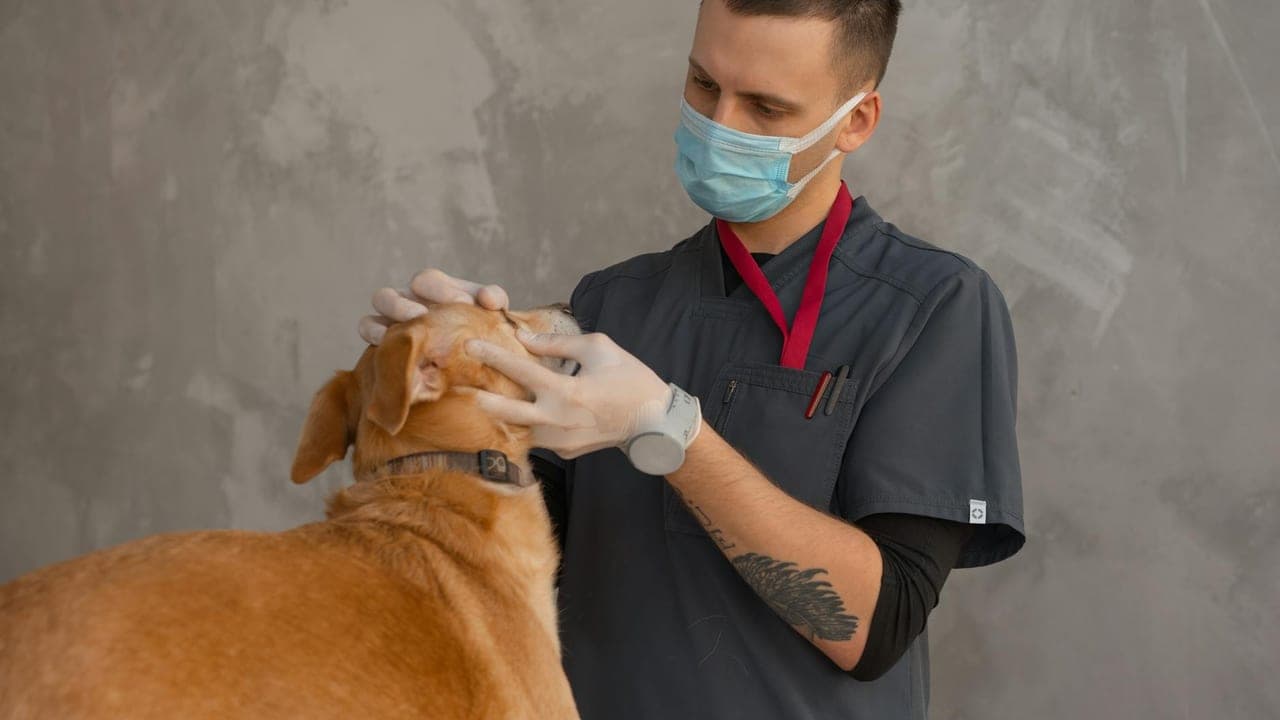
Emergency Vet Costs: What 8 Common Emergencies Actually Cost (and How to Prepare)
What 8 common pet emergencies actually cost, how big an emergency fund needs to be, and what insurance covers vs. not — so one bad night doesn't become debt.