
Shorthair group
Abyssinian
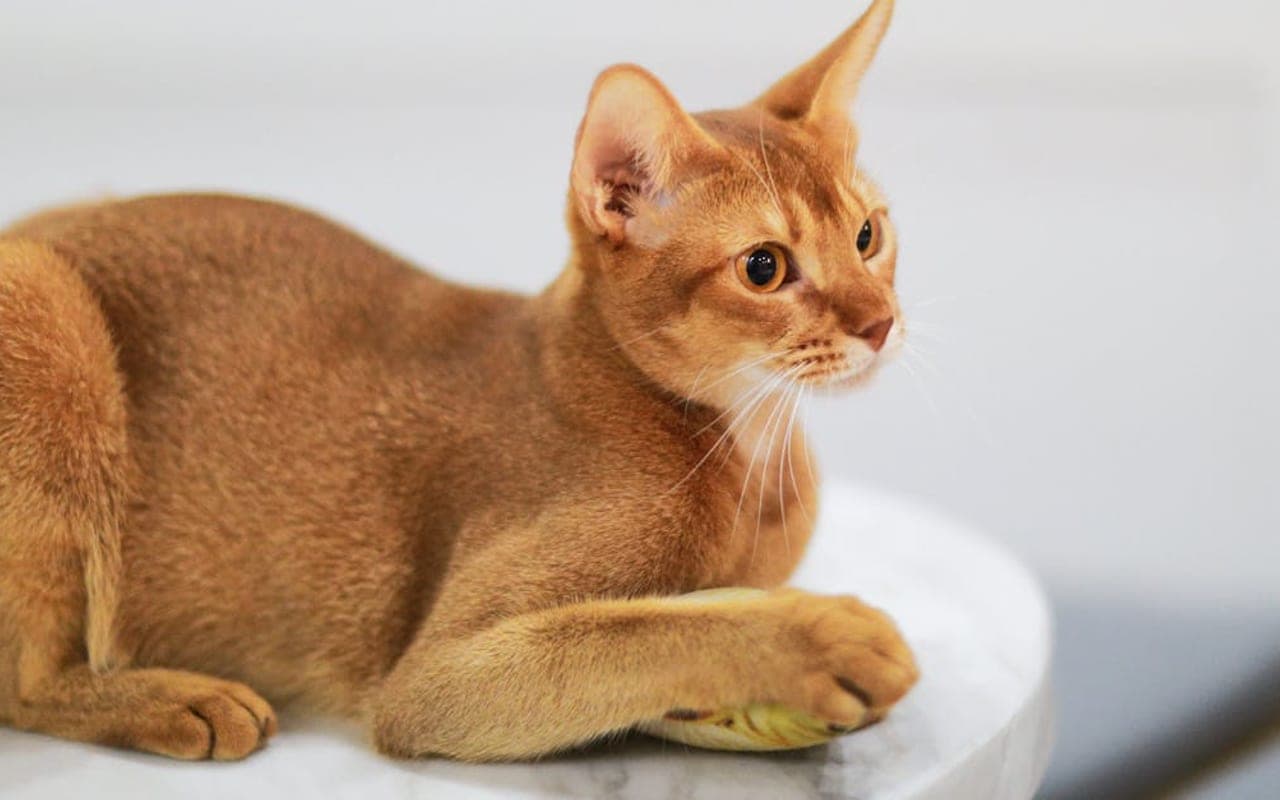
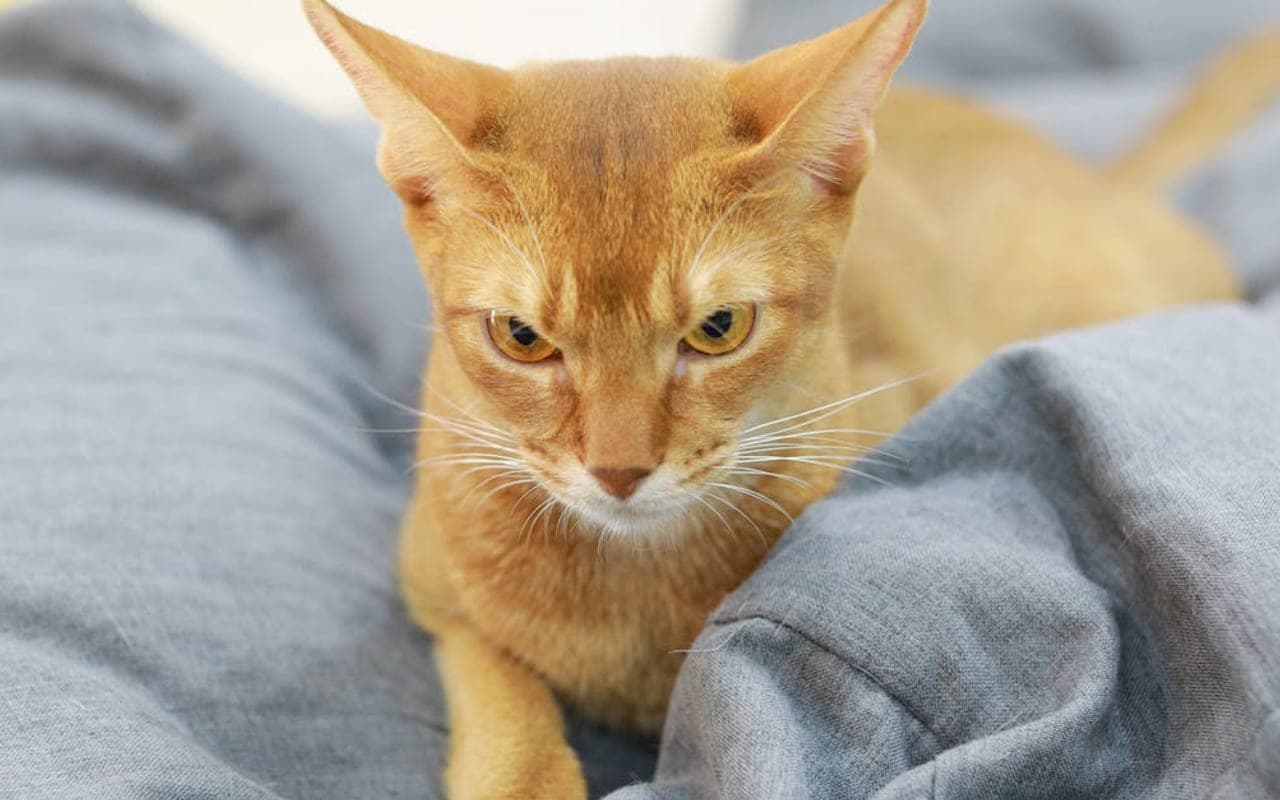
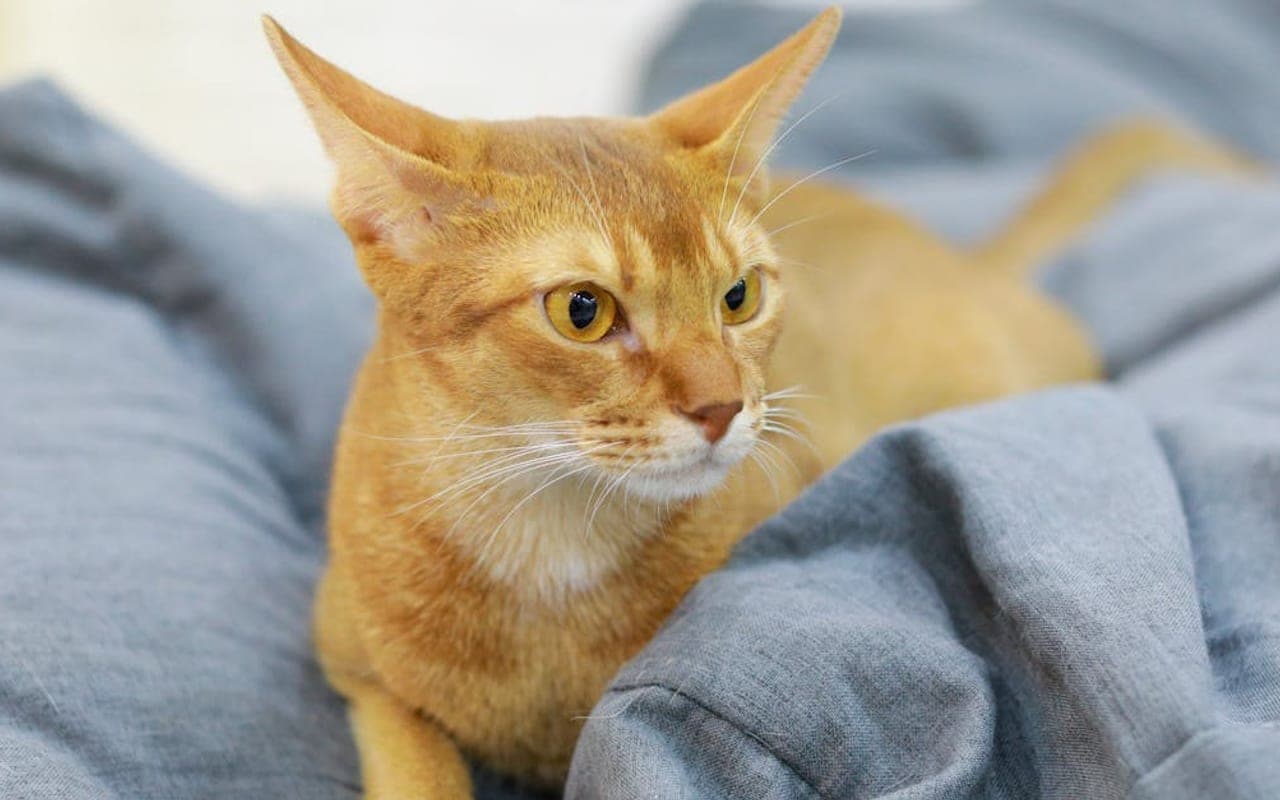
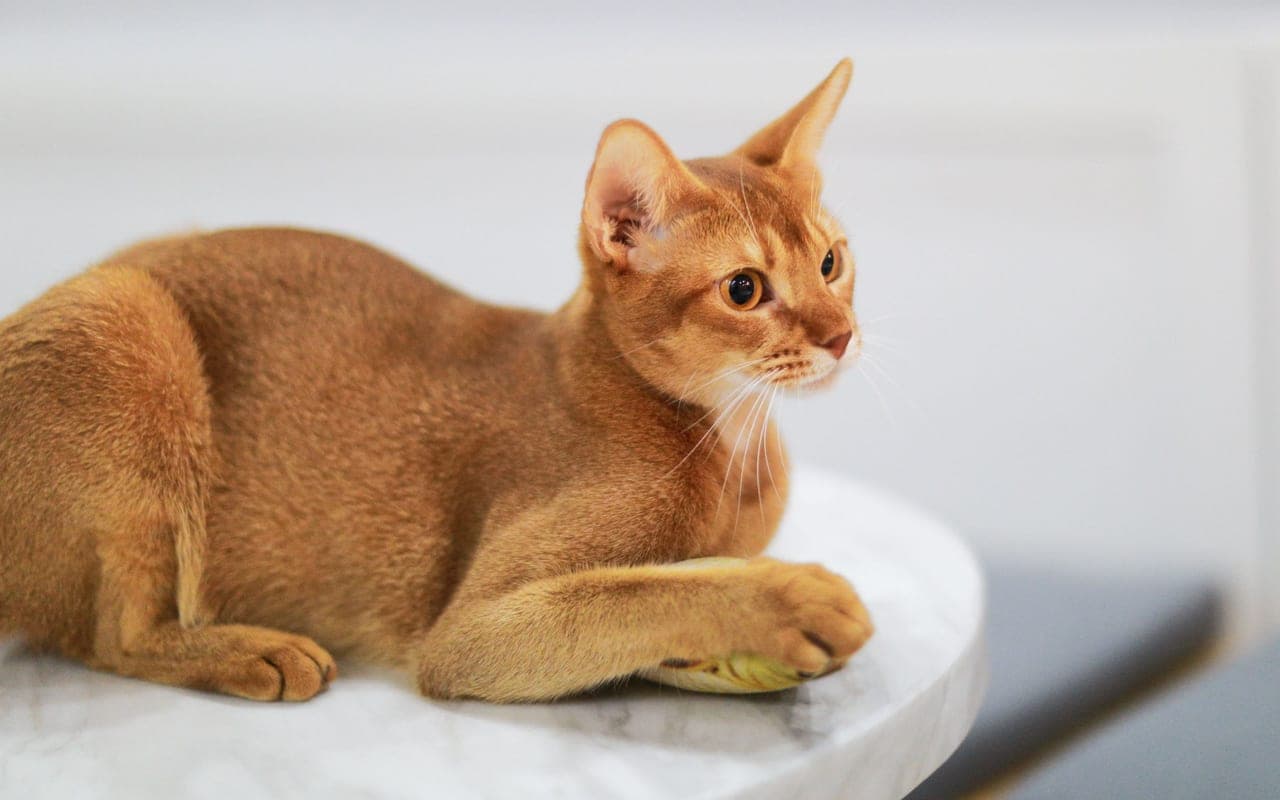
The Abyssinian is a lithe, fine-boned shorthair cat (3-5 kg) with a distinctive ticked, agouti tabby coat that gives it a warm, wild, almost ancient look.
Size
6-10 lb
Lifespan
14-15 years
Play
30-60 minutes
Shedding
Low
Experience
Match to owner routine
Decision first
Is a Abyssinian right for you?
Start with fit before history or trivia. These are ownership signals, not guarantees about any individual cat.
Best suited for
- Households with children.
- Homes with other compatible pets.
- Apartment homes with a consistent routine.
- Owners who can provide daily play, climbing space, and enrichment.
Think carefully if
- You cannot provide daily play, climbing space, or mental enrichment.
- You cannot keep up with grooming and preventive care.
- The cat will spend most days without interaction or enrichment.
Conditional fit
Apartment fit depends on vertical space, litter setup, play, enrichment, and noise tolerance.
Daily reality
Abyssinian commitment snapshot
Daily play
30-60 minutes
Match play and enrichment to age, health, appetite, and household routine.
Coat care
Low
Grooming needs vary by coat, shedding, and lifestyle.
Social needs
Needs planning
Most cats still need predictable contact, enrichment, litter care, and monitoring.
Structured facts
Abyssinian at a glance
The measurements and traits that most affect day-to-day life with this breed.
Origin
Egypt
Group
Shorthair
Weight
6-10 lb
Height
8-12 in
Lifespan
14-15 years
Temperament
Active | Energetic | Independent | Intelligent | Gentle
View all characteristics and methodology
Lifestyle fit
- Apartment suitabilityWorks best with clean litter setup, vertical space, and daily enrichment.
- Likely fit
- Child friendliness
- Often good, with socialisation and supervision
- Other-pet fit
- Often compatible with careful introductions
- Adaptability
- Very high
Owner commitment
- Daily play
- 30-60 minutes
- Grooming
- Low
- Shedding
- Low
- Indoor enrichment
- High
Behavior
- Affection
- Very high
- Energy
- Very high
- Vocalization
- Low
- Social needs
- Very high
Environment and health
- Intelligence
- Very high
- Health risk
- Needs planning
- Weight sensitivity
- Routine monitoring
Ratings combine structured breed data, visible breed fields, and editorial context. They are planning aids, not predictions for an individual cat.
Daily life
Abyssinian temperament and behavior
The Abyssinian is a lithe, fine-boned shorthair cat (3-5 kg) with a distinctive ticked, agouti tabby coat that gives it a warm, wild, almost ancient look. It is one of the oldest recognized cat breeds and one of the most relentlessly active, and an honest profile leads with the activity, because the coat is the easy part and the energy is what you actually sign up for. This is not a cat that decorates a sofa. Abyssinians are sometimes called the 'Border Collie of cats' — endlessly curious, athletic, intelligent, and busy. They climb to the highest point in any room, open cupboards, investigate everything, and stay kitten-like in their energy for years. They are people-oriented and want to be involved in what you do, but on their feet, not in your lap; many Abyssinians are not classic lap cats and owners expecting a placid cuddler are often surprised. The trade-off is engagement. A bored Abyssinian does not switch off — it gets into things, knocks objects down, and can become stressed or destructive. They strongly prefer not to be left alone for long days and often do best with another active cat as a companion. This is a key decision point: a single Abyssinian in an empty house all day is a mismatch. The coat is genuinely low-maintenance — short, fine, low-shedding — so do not choose this breed for an easy cat and discover an energetic one. Who the Abyssinian is right for: an owner who wants an interactive, intelligent, athletic companion, will provide climbing space and daily play, and ideally is home often or willing to keep two. Who it is wrong for: anyone wanting a calm lap cat, a low-engagement pet, or a cat that will be alone all day with no enrichment or feline company. Match the energy and the company, not just the looks.
Active | Energetic | Independent | Intelligent | Gentle
Active
A common Abyssinian temperament descriptor that should be interpreted alongside enrichment, handling, and household fit.
Energetic
A common Abyssinian temperament descriptor that should be interpreted alongside enrichment, handling, and household fit.
Independent
A common Abyssinian temperament descriptor that should be interpreted alongside enrichment, handling, and household fit.
Intelligent
A common Abyssinian temperament descriptor that should be interpreted alongside enrichment, handling, and household fit.
Owner note
Temperament labels are starting points, not guarantees. Meet the individual cat and ask about behavior history whenever possible.
Care essentials
How to care for a Abyssinian
What looking after one actually involves: play, grooming, food, litter, and routine health.
ExerciseAs needed
- Active and playful breed requiring daily interactive play sessions with toys, climbing structures, and mental stimulation.
GroomingAs needed
- Low-maintenance coat requiring weekly brushing. Occasional bathing as needed.
NutritionAs needed
- Feed a high-quality cat food appropriate for their age and activity level. Maintain fresh water at all times. Monitor weight to prevent obesity.
SocializationAs needed
- Highly social breed that thrives on companionship. Does not do well left alone for extended periods. Consider a companion pet.
Veterinary CareAs needed
- Annual wellness exams, vaccinations, dental checkups, and parasite prevention. Spay/neuter recommended if not breeding.
Health planning
Abyssinian health risks and screening
Every cat breed has individual health variation. Use this profile for planning and discuss medical decisions with a veterinarian.
Ownership cost
How much does a Abyssinian cost?
Cost figures are structured so first-year and lifetime estimates do not conflict with the underlying line items.
| Acquisition | $500-$2,000 |
|---|---|
| Routine monthly | About $65/month |
| Routine annual | About $780/year |
| First-year estimate | $1,280-$2,780 |
| Lifetime routine estimate | $10,920-$11,700 routine costs |
Currency: USD. Region: United States. Typical ranges for this breed. Equipment, insurance, emergency veterinary care, boarding and training are NOT included: we hold no sourced figures for them, and estimating them would be a guess presented as data.
Responsible ownership
Finding a Abyssinian responsibly
What to ask a breeder or rescue is the same conversation for every breed, so we keep it in one place and keep it current.
Health documentation, meeting the parents or foster, contracts and return support, and the warning signs worth walking away from.
Original purpose
Abyssinian history
History is useful when it explains today's behavior, coat, exercise needs, and training style.
Read the breed history
The Abyssinian's romantic legend ties it to the sacred cats of ancient Egypt, and its ticked coat does resemble depictions on Egyptian art, but the documented modern breed was developed in 19th-century Britain; the earliest named individual, 'Zula,' was reportedly brought to England from the region then called Abyssinia (modern Ethiopia) around 1868, and British breeders refined the type from there. Genetic studies suggest the breed's deeper roots trace to coastal Southeast Asia and along trade routes rather than purely to Egypt, but the distinctive agouti 'ticked' tabby pattern and the alert, athletic build were fixed by deliberate British selection in the late 1800s. The breed nearly vanished in Britain after the World Wars and was rebuilt from imported and surviving lines. That history of selection for an active, inquisitive type explains the modern cat directly: an athletic, intelligent, people-engaged breed rather than a placid one.
Gallery
Abyssinian photos
Images are cropped consistently and loaded progressively to keep the page responsive.
Lower-page context
Abyssinian cats in culture
Where the breed shows up in film, sport, work and folklore — the enjoyable part, once the practical questions are answered.
Fun facts
- The Abyssinian originated in Egypt.
- Abyssinian cats are considered one of the most intelligent cat breeds.
- The Abyssinian is one of the most energetic and playful cat breeds.
- The Abyssinian is a natural breed that developed without human selective breeding.
- The Abyssinian is a true lap cat that loves to curl up with their owners.
Abyssinian FAQs
Are Abyssinians lap cats?
Often not, and this surprises owners who choose them for looks. Abyssinians are intensely active, curious, and people-oriented, but they typically want to be near you and involved in what you are doing rather than curled up in your lap for hours. Some individuals do cuddle, but as a breed they are interactive companions, not placid laps. If a calm, snuggly cat is the goal, the Abyssinian's energy will likely disappoint.
Should I get one Abyssinian or two?
If the household is out for full workdays, seriously consider two compatible active cats. Abyssinians dislike prolonged isolation and a single under-stimulated one commonly develops stress behaviors, destructiveness, and over-grooming. A second playmate provides the constant interaction they crave when humans are away. If someone is home much of the day and commits to daily play, one can be fine — but plan this before adopting, not after problems start.
How much grooming does an Abyssinian need?
Very little — this is the easiest part of the breed. The short, fine, ticked coat sheds lightly and a weekly brush or rubber-mitt pass keeps it healthy. Do not let the low grooming mislead you about the overall workload, though: the time you save on the coat you will spend many times over on play, climbing furniture, and enrichment, because the real maintenance in an Abyssinian is mental and physical, not the brush.
What is renal amyloidosis and why does it matter for this breed?
Renal amyloidosis is an inherited condition where amyloid protein deposits in the kidneys and progressively impairs them, leading to kidney failure; the Abyssinian is a recognized at-risk breed. There is no cure, so the practical safeguards are sourcing from lines without a family history and monitoring kidney values from middle age. Watch for increased thirst and urination, weight loss, and poor appetite, and have these investigated promptly rather than waited out.
Are Abyssinians good with children and other pets?
Generally yes, with the right energy match. Their playful, robust, active nature suits older children who engage them and they are often dog-tolerant and do well with other active cats. They are less suited to households wanting a quiet pet for very young children, since they want stimulation, not handling. Supervise young children, teach gentle interaction, and introduce other animals gradually — the breed's sociability works best when its energy has an outlet.
How much does an Abyssinian cost to own?
A kitten from a breeder who DNA-tests for PK deficiency and PRA and is mindful of renal-amyloidosis lines typically runs $700-$2,000; Abyssinian rescues are far cheaper. Routine annual care is roughly $400-$900. The budget swing is kidney disease — managing renal amyloidosis or PRA-related issues can run $1,500-$4,000+ over time, which is why screened lines and early monitoring are the cheapest insurance you can buy in this breed.
Sources
These are the published sources this page draws on. Each opens in a new tab so you can check it yourself.
Cat Fanciers' Association
Abyssinian — breed standard and profile(opens in a new tab)Supports: Breed standard and recognition details.
Similar breeds to consider
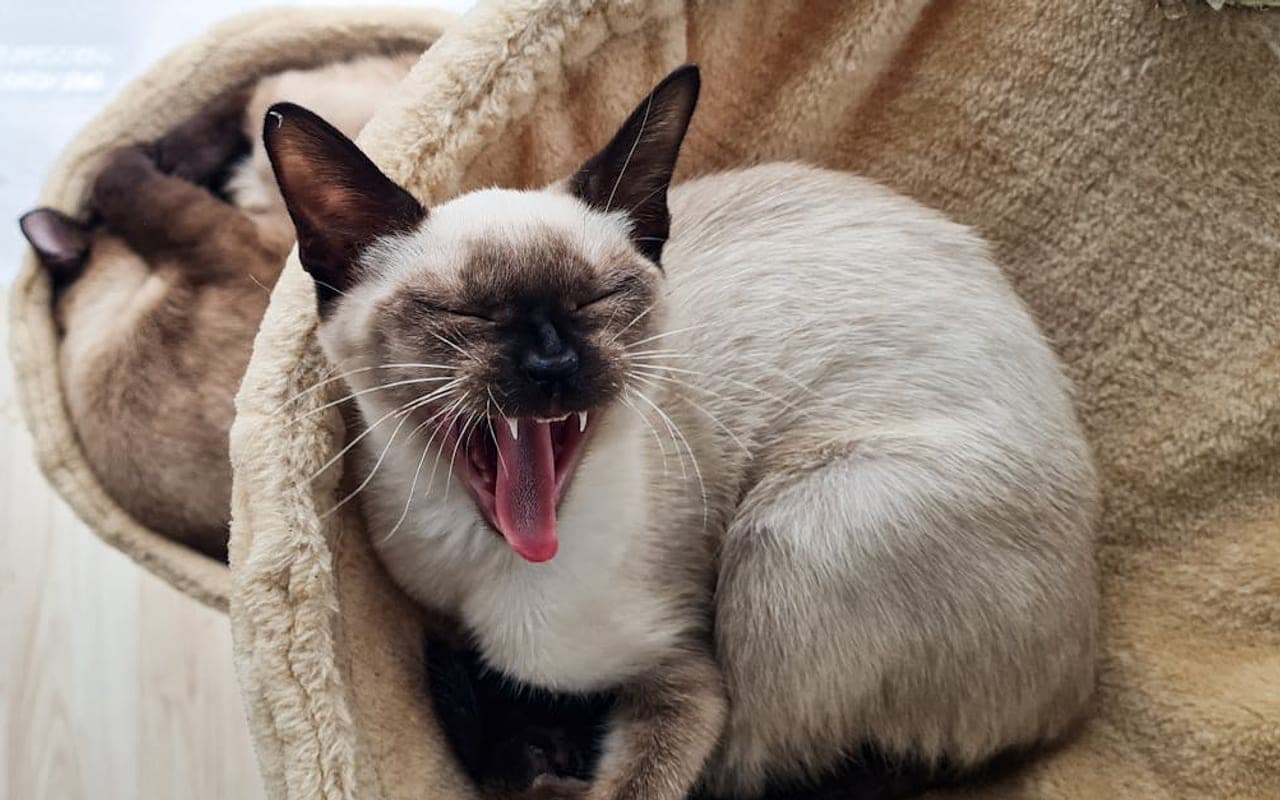
Siamese
Also in the Shorthair group, with different care and temperament tradeoffs.
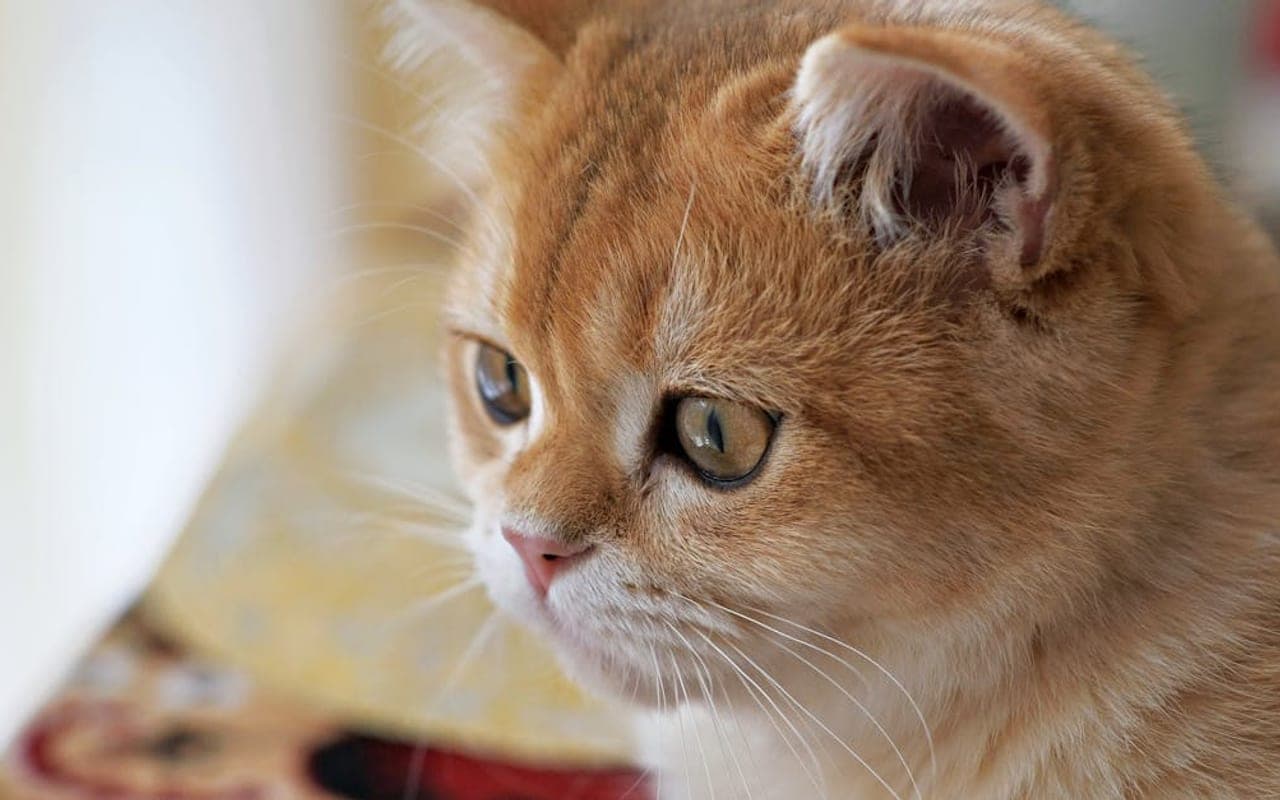
British Shorthair
Also in the Shorthair group, with different care and temperament tradeoffs.
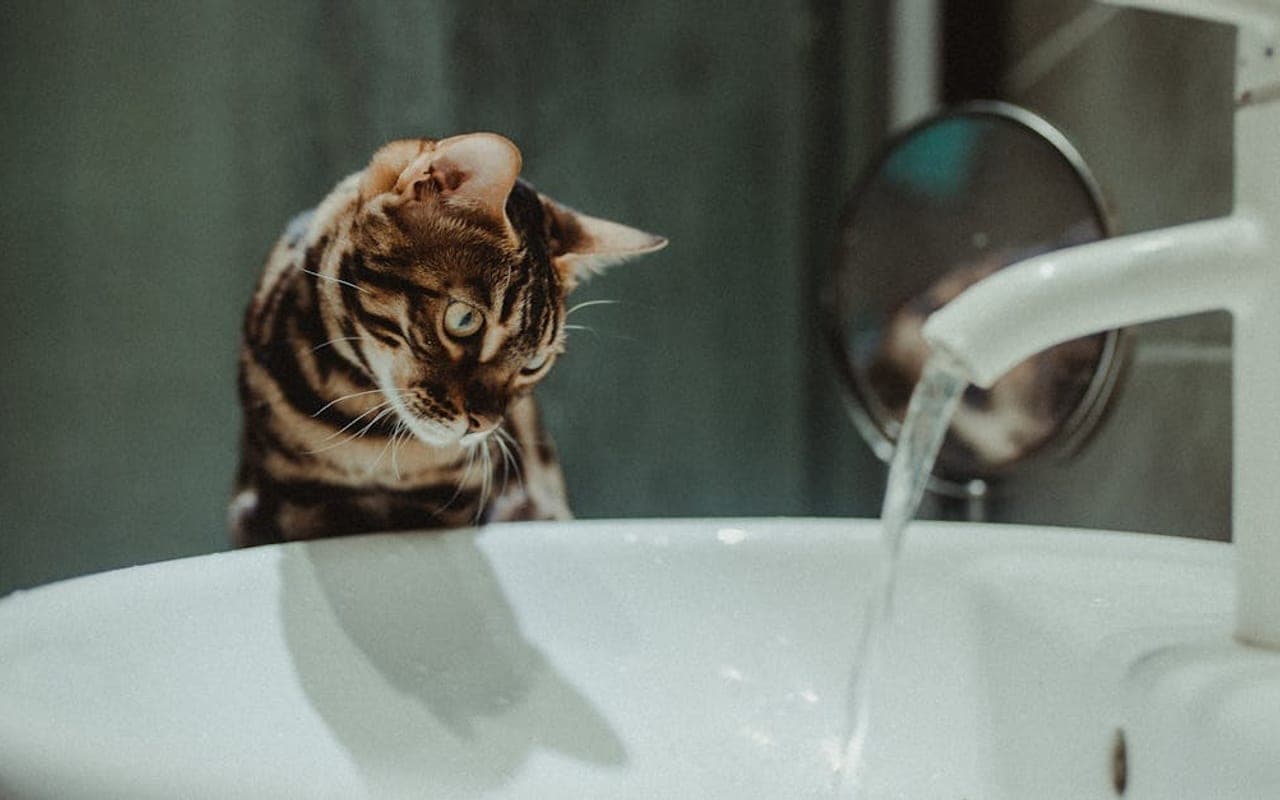
Bengal
Also in the Shorthair group, with different care and temperament tradeoffs.
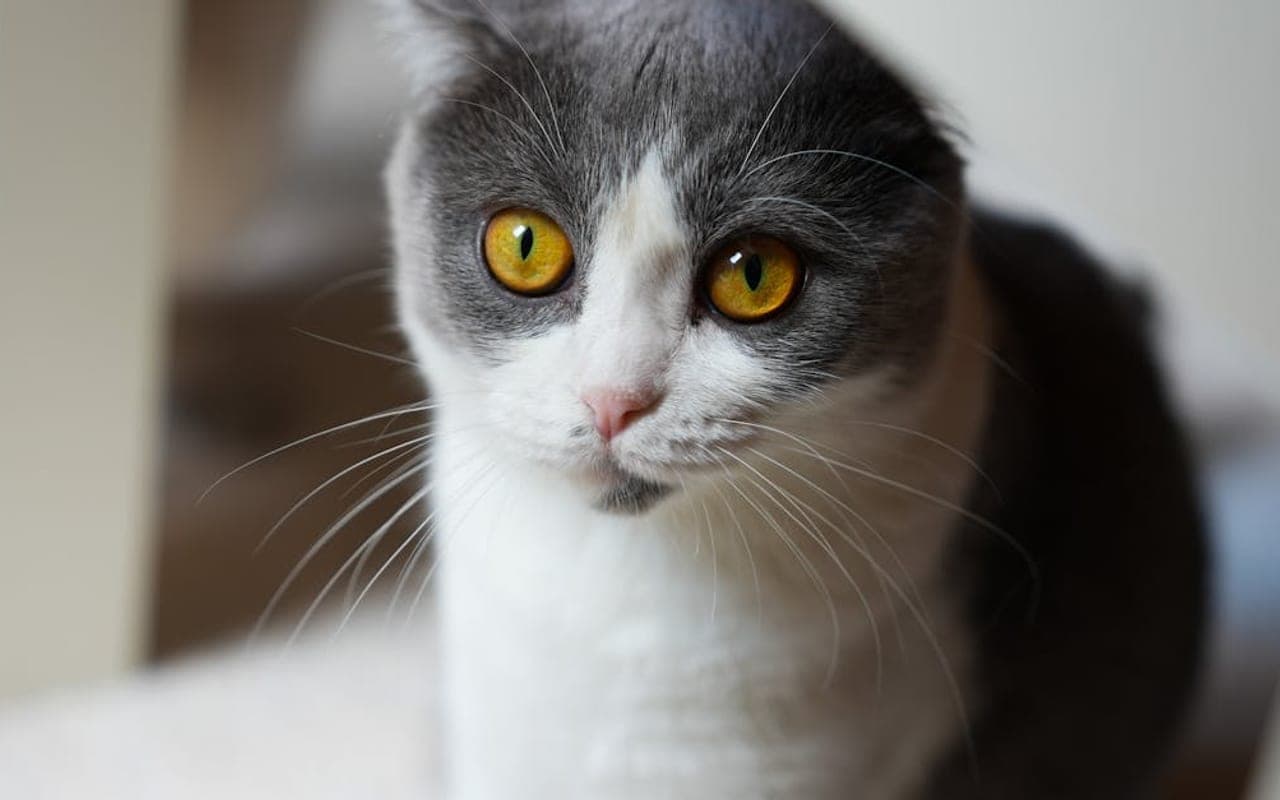
Scottish Fold
Also in the Shorthair group, with different care and temperament tradeoffs.
Explore More About Abyssinian
Dive deeper into everything Abyssinian — costs, care, and expert insights.
How Much Does a Abyssinian Cost?
Purchase price, monthly costs, and lifetime expenses
Abyssinian Cat Care Guide
The Abyssinian is one of the oldest known domestic cat...
Why Your Cat Brings You 'Gifts' — And What It Really Means
A dead mouse on the doormat. A half-alive lizard on your pillow. Your cat's gift-giving habit has...
Considering a dog instead?
Browse Dogs