
Shorthair group
Arabian Mau
The Arabian Mau is a desert landrace — a cat that more than a thousand years of life on the Arabian Peninsula engineered, not a cat that breeders designed.
Size
7-15 lb
Lifespan
12-14 years
Play
20-40 minutes
Shedding
Low
Experience
Match to owner routine
Decision first
Is a Arabian Mau right for you?
Start with fit before history or trivia. These are ownership signals, not guarantees about any individual cat.
Best suited for
- Households with children.
- Homes with other compatible pets.
- Apartment homes with a consistent routine.
- Owners who can provide daily play, climbing space, and enrichment.
Think carefully if
- You cannot provide daily play, climbing space, or mental enrichment.
- You cannot keep up with grooming and preventive care.
- The cat will spend most days without interaction or enrichment.
Conditional fit
Apartment fit depends on vertical space, litter setup, play, enrichment, and noise tolerance.
Daily reality
Arabian Mau commitment snapshot
Daily play
20-40 minutes
Match play and enrichment to age, health, appetite, and household routine.
Coat care
Low
Grooming needs vary by coat, shedding, and lifestyle.
Social needs
Needs planning
Most cats still need predictable contact, enrichment, litter care, and monitoring.
Structured facts
Arabian Mau at a glance
The measurements and traits that most affect day-to-day life with this breed.
Origin
United Arab Emirates
Group
Shorthair
Weight
7-15 lb
Height
8-10 in
Lifespan
12-14 years
Temperament
Affectionate | Agile | Curious | Independent | Playful | Loyal
View all characteristics and methodology
Lifestyle fit
- Apartment suitabilityWorks best with clean litter setup, vertical space, and daily enrichment.
- Likely fit
- Child friendliness
- Often good, with socialisation and supervision
- Other-pet fit
- Often compatible with careful introductions
- Adaptability
- Very high
Owner commitment
- Daily play
- 20-40 minutes
- Grooming
- Low
- Shedding
- Low
- Indoor enrichment
- High
Behavior
- Affection
- Very high
- Energy
- High
- Vocalization
- Low
- Social needs
- Moderate
Environment and health
- Intelligence
- Moderate
- Health risk
- Needs planning
- Weight sensitivity
- Routine monitoring
Ratings combine structured breed data, visible breed fields, and editorial context. They are planning aids, not predictions for an individual cat.
Daily life
Arabian Mau temperament and behavior
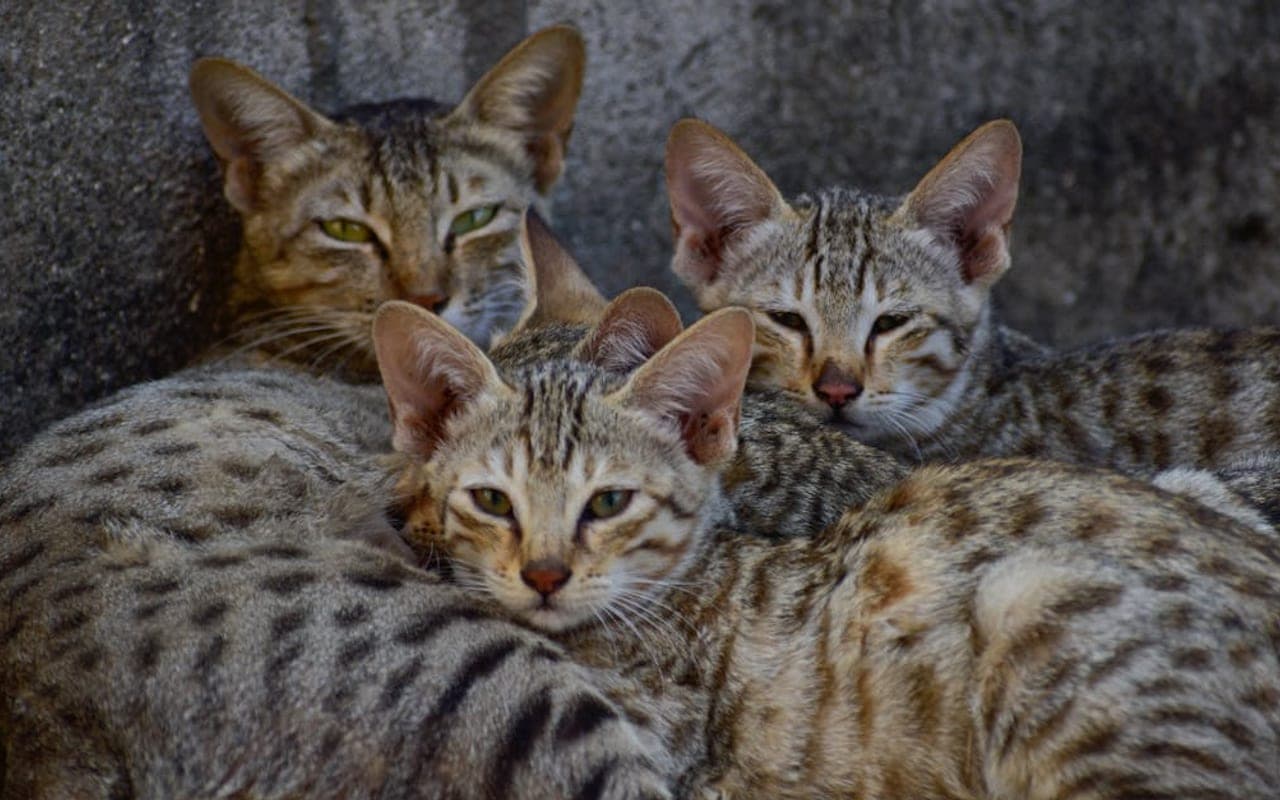
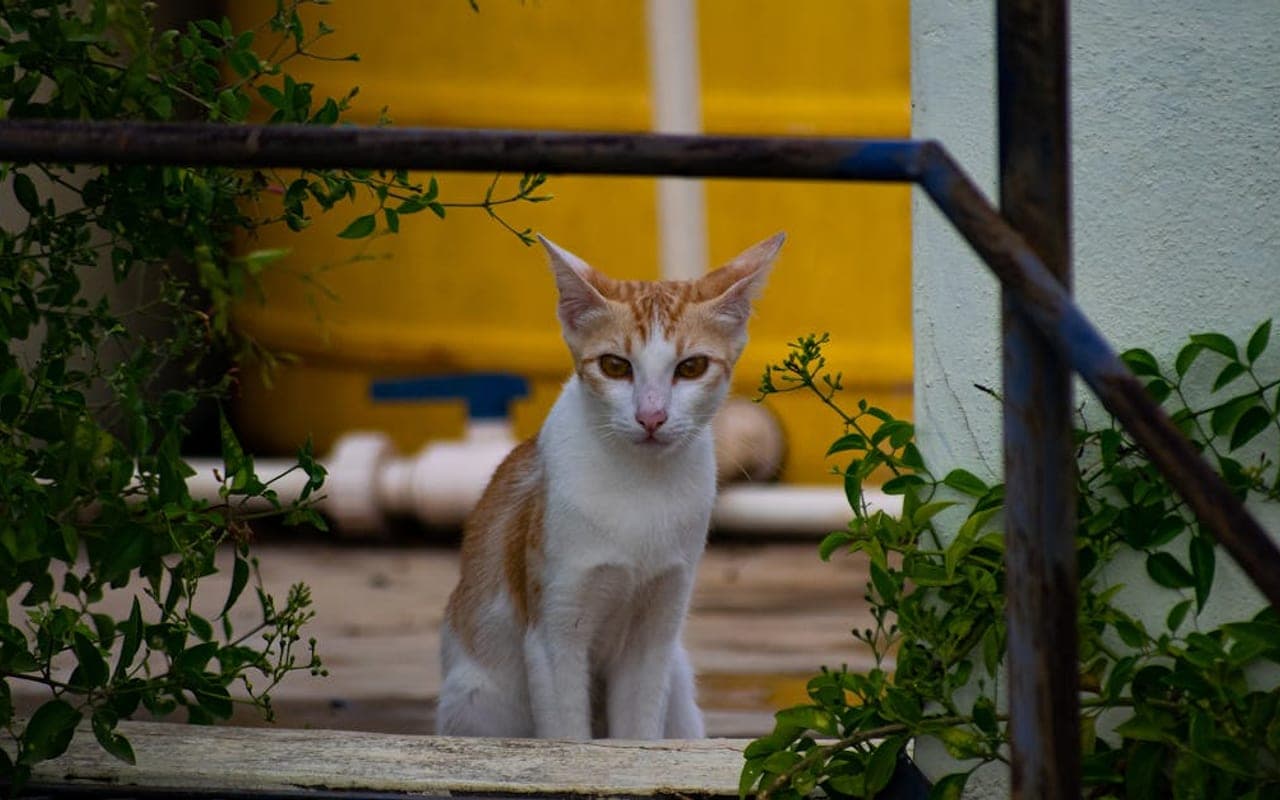
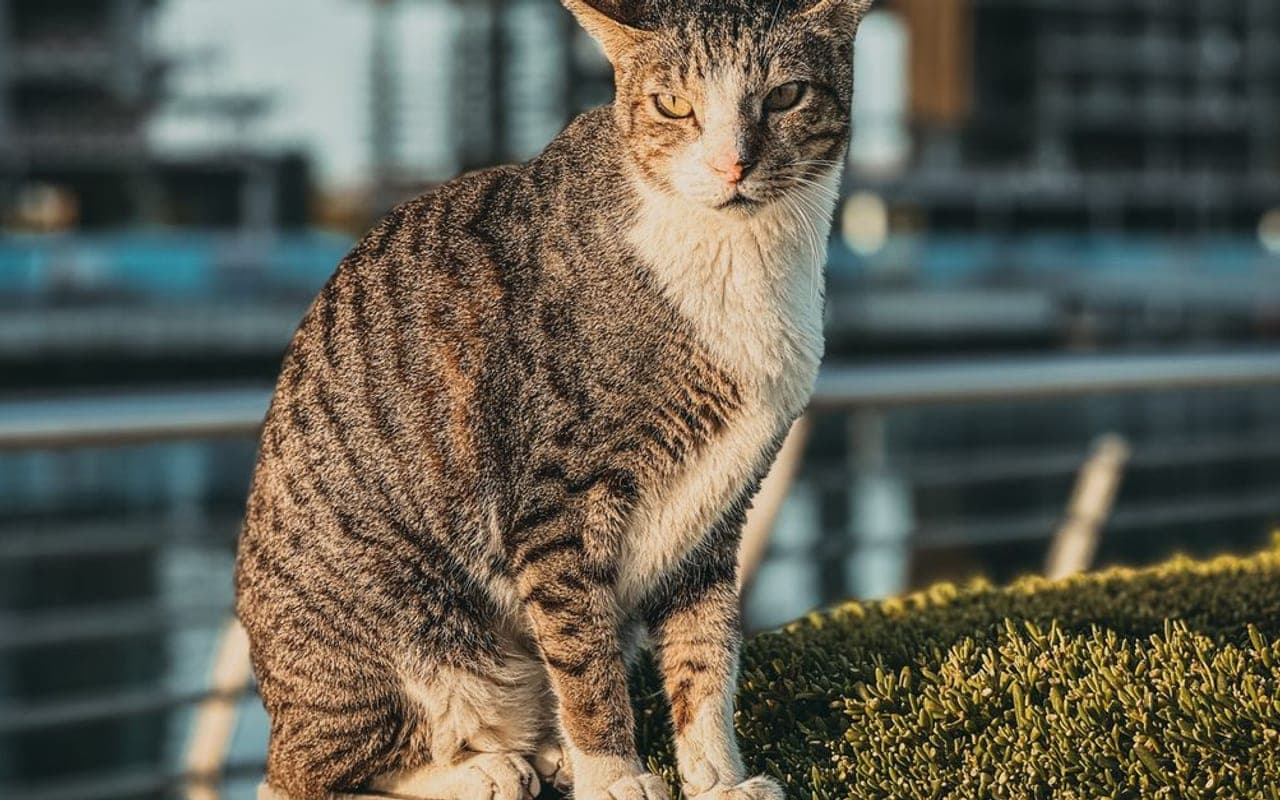
The Arabian Mau is a desert landrace — a cat that more than a thousand years of life on the Arabian Peninsula engineered, not a cat that breeders designed. Its ancestors were the free-roaming street and desert cats of what is now the UAE, Saudi Arabia, Oman, Kuwait, Qatar, and Bahrain, surviving extreme heat, scarce water, and constant competition. That brutal natural selection is the breed's defining feature: there is no closed pedigree bottleneck, no exaggerated trait, and consequently no documented breed-specific hereditary disease. The Arabian Mau is one of the genuinely robust, low-genetic-risk cats available. Physically it is a medium-to-large, athletic shorthair, roughly 4 to 7 kg with males at the top of that range, built lean and long-legged for heat dissipation. The coat is the breed's most practical asset: short, dense, with effectively no undercoat — almost no shedding, almost no grooming, and well suited to warm homes. Temperament is street-smart and self-possessed. Arabian Maus are intelligent, energetic, agile, and affectionate but independent — they bond to their household, are playful and curious, get on with dogs and children, yet retain a confident, territorial streak from their feral ancestry. They are quiet for the activity level (low vocalisation) but high in physical drive. Who the Arabian Mau is right for: an active household wanting a hardy, low-grooming, low-genetic-risk, dog-friendly cat for 12-15 years that will tolerate or even prefer a warm climate. Who it is wrong for: anyone wanting a sedentary lap cat, a constantly cuddly velvet-glove personality, or a cat content to be alone and idle all day. You are choosing durability and independence over softness — decide on the temperament and energy, not the easy-care coat alone.
Affectionate | Agile | Curious | Independent | Playful | Loyal
Affectionate
A common Arabian Mau temperament descriptor that should be interpreted alongside enrichment, handling, and household fit.
Agile
A common Arabian Mau temperament descriptor that should be interpreted alongside enrichment, handling, and household fit.
Curious
A common Arabian Mau temperament descriptor that should be interpreted alongside enrichment, handling, and household fit.
Independent
A common Arabian Mau temperament descriptor that should be interpreted alongside enrichment, handling, and household fit.
Owner note
Temperament labels are starting points, not guarantees. Meet the individual cat and ask about behavior history whenever possible.
Care essentials
How to care for a Arabian Mau
What looking after one actually involves: play, grooming, food, litter, and routine health.
ExerciseAs needed
- Active and playful breed requiring daily interactive play sessions with toys, climbing structures, and mental stimulation.
GroomingAs needed
- Low-maintenance coat requiring weekly brushing. Occasional bathing as needed.
NutritionAs needed
- Feed a high-quality cat food appropriate for their age and activity level. Maintain fresh water at all times. Monitor weight to prevent obesity.
SocializationAs needed
- Enjoys human company and interaction. Can tolerate some alone time but prefers regular companionship.
Veterinary CareAs needed
- Annual wellness exams, vaccinations, dental checkups, and parasite prevention. Spay/neuter recommended if not breeding.
Health planning
Arabian Mau health risks and screening
Every cat breed has individual health variation. Use this profile for planning and discuss medical decisions with a veterinarian.
Responsible ownership
Finding a Arabian Mau responsibly
What to ask a breeder or rescue is the same conversation for every breed, so we keep it in one place and keep it current.
Health documentation, meeting the parents or foster, contracts and return support, and the warning signs worth walking away from.
Original purpose
Arabian Mau history
History is useful when it explains today's behavior, coat, exercise needs, and training style.
Read the breed history
The Arabian Mau descends from the free-living desert and street cats of the Arabian Peninsula, present across the region for more than a thousand years. These cats were never bred by people; they were filtered by the environment — searing heat, water scarcity, sparse food, and the demands of an urban-edge and desert existence selected relentlessly for heat tolerance, disease resistance, agility, and resourcefulness. The result was a naturally hardy, low-maintenance landrace long before any cat registry took notice. Formal recognition is recent and deliberately conservative. Breeders in the UAE worked from the 2000s to document and standardize the native cat through the World Cat Federation, with the explicit aim of preserving the street-savvy desert type rather than transforming it into a show-exaggerated animal. It is one of very few formalized natural breeds from the Middle East. That preservation-first history is the direct, evidence-based reason the modern Arabian Mau carries no concentrated inherited disease — the breed standard protected the genetics that the desert had already optimized.
Gallery
Arabian Mau photos
Images are cropped consistently and loaded progressively to keep the page responsive.
Lower-page context
Arabian Mau cats in culture
Where the breed shows up in film, sport, work and folklore — the enjoyable part, once the practical questions are answered.
Fun facts
- The Arabian Mau originated in United Arab Emirates.
- The Arabian Mau is a natural breed that developed without human selective breeding.
- Arabian Mau cats are exceptionally dog-friendly and can live harmoniously with canine companions.
Arabian Mau FAQs
Is the Arabian Mau a genetically healthy cat?
Yes — genuinely, and it is the breed's strongest point. As a desert landrace filtered by a thous-plus years of natural selection rather than a closed pedigree, the Arabian Mau has no documented breed-specific inherited disease. The honest caveat is that 'no genetic disease' is not 'no health needs': the realistic risks (urinary problems from low thirst, dental disease, obesity, trauma if it roams) are all husbandry-driven and owner-controlled, not written into its genes. Treat illness promptly rather than assuming a breed condition.
How long do Arabian Mau cats live?
Typical figures are 12 to 14 years, and well-managed indoor cats often reach the upper end or beyond thanks to the breed's natural hardiness. The lifespan limiters are not genetic — they are roaming-related trauma, urinary obstruction from chronic under-drinking, obesity, and dental neglect. Every one of those is in the owner's control, so an indoor, lean, well-hydrated Arabian Mau meaningfully outperforms the breed average. The genes are an asset; management decides the outcome.
Do Arabian Mau cats need special care because they are a desert breed?
Mostly no, with one real exception: hydration. Like other arid-adapted cats, the Arabian Mau has a low thirst drive, and chronic under-drinking raises the risk of urinary crystals, cystitis, and male urethral blockage. Feed wet food and/or run a water fountain, and watch litter-box habits. Otherwise care is unusually light — the short coat barely sheds and needs only a weekly brush, and there is no breed screening protocol because there is no inherited disease to screen for.
How much grooming does an Arabian Mau need?
Almost none — this is one of the lowest-grooming pedigreed cats. The short, dense coat has effectively no undercoat, so a quick weekly brush or rubber-glove pass removes loose hair, there is no seasonal matting, and bathing is rarely required. There is no breed-specific grooming task (no skin folds, no special ear structure). For an owner who wants minimal coat work, this is a strong reason to choose the breed — the maintenance that matters is play and dental care, not the coat.
Are Arabian Mau cats good with children and dogs?
Generally yes. The breed is intelligent, sociable, and notably dog-friendly, and its athletic, sturdy build handles a busy household well. It bonds to the family and is playful with children, while keeping an independent, confident streak from its feral ancestry — it is affectionate on its own terms rather than a constant lap cat. Supervise young children, give it vertical escape space, and meet its high energy with daily play; a bored Arabian Mau, not an aggressive one, is the realistic problem.
What should I budget for an Arabian Mau?
Outside the Middle East the breed is rare, so a pedigreed kitten can be difficult to source and priced by availability rather than a standard scale. The financially relevant point is the absence of a hereditary-disease budget: with no breed-specific inherited condition, there is no expensive screening protocol the way there is for high-risk breeds. The predictable lifetime costs are ordinary — quality wet food and a fountain (cheap insurance against urinary crises), dental care, and routine annual exams.
Sources
These are the published sources this page draws on. Each opens in a new tab so you can check it yourself.
World Cat Federation
Arabian Mau — World Cat Federation breed standard(opens in a new tab)Supports: Breed standard and recognition details.
Similar breeds to consider
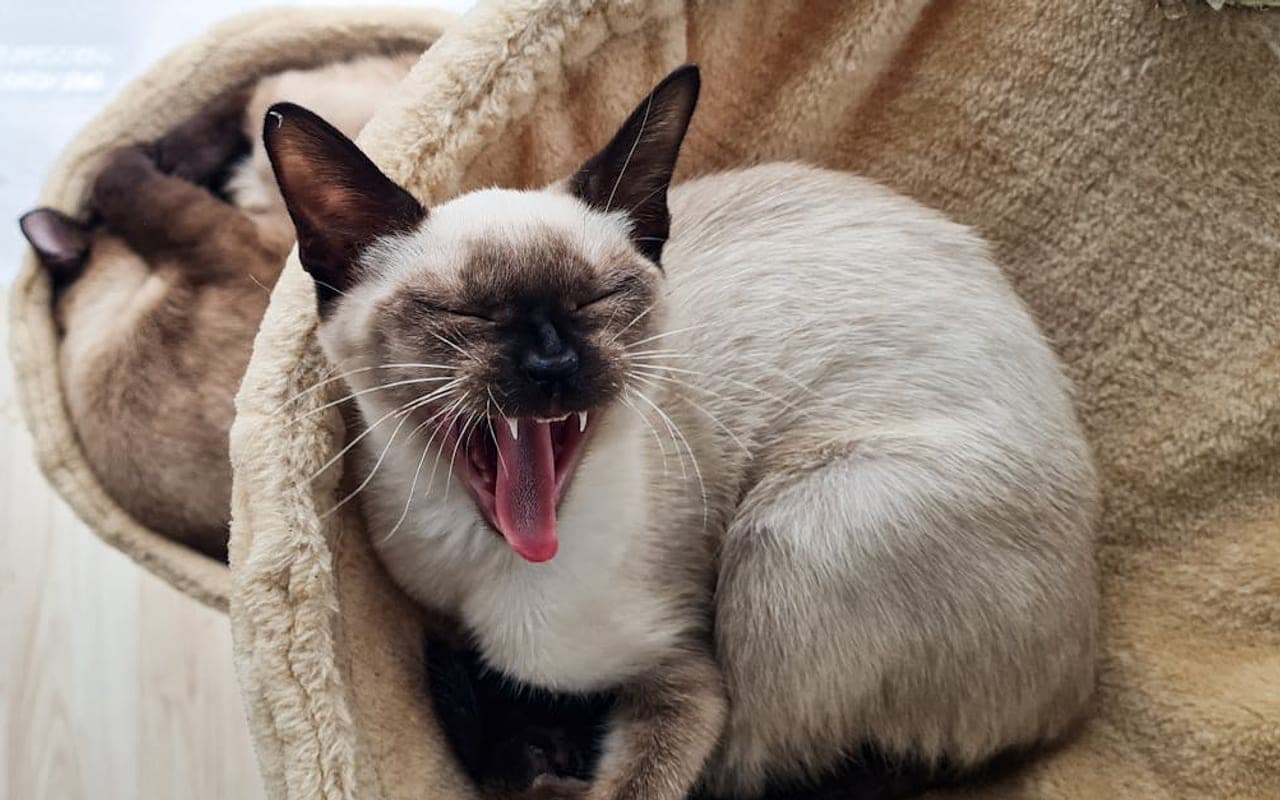
Siamese
Also in the Shorthair group, with different care and temperament tradeoffs.
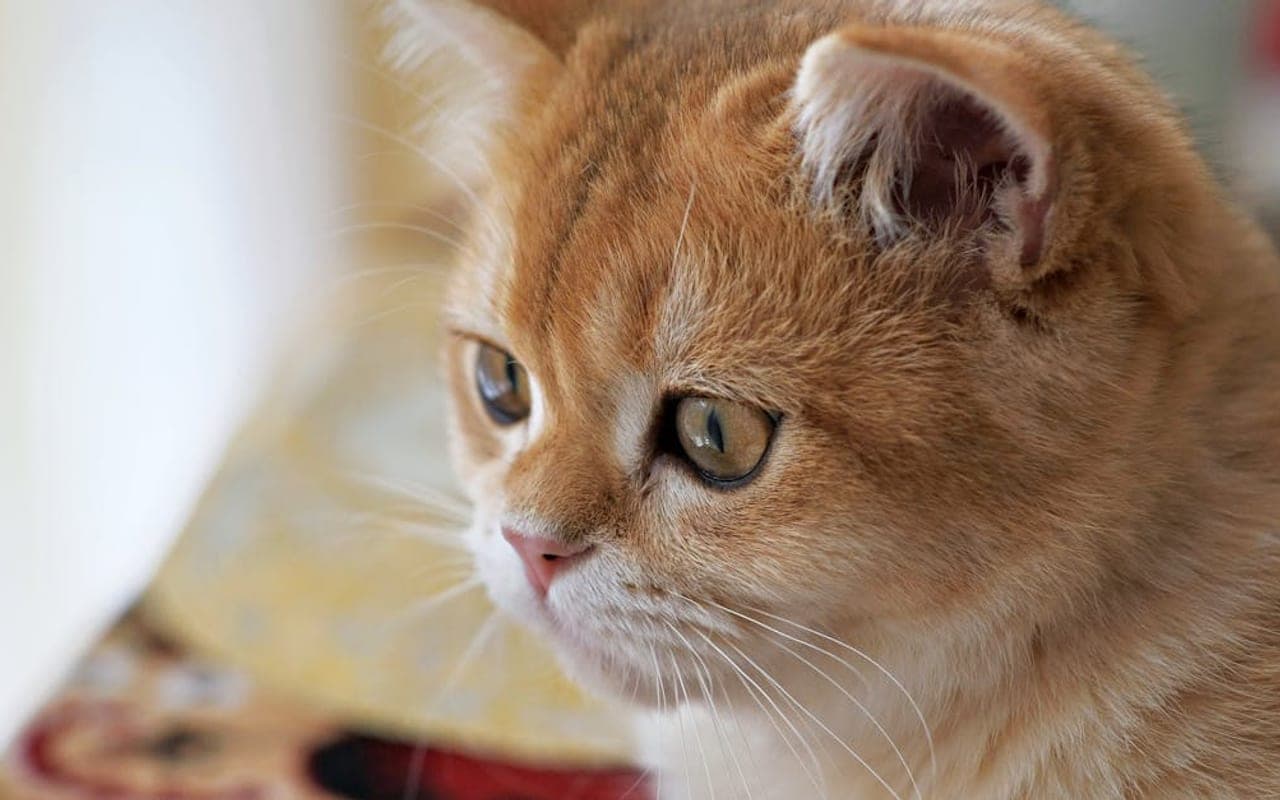
British Shorthair
Also in the Shorthair group, with different care and temperament tradeoffs.
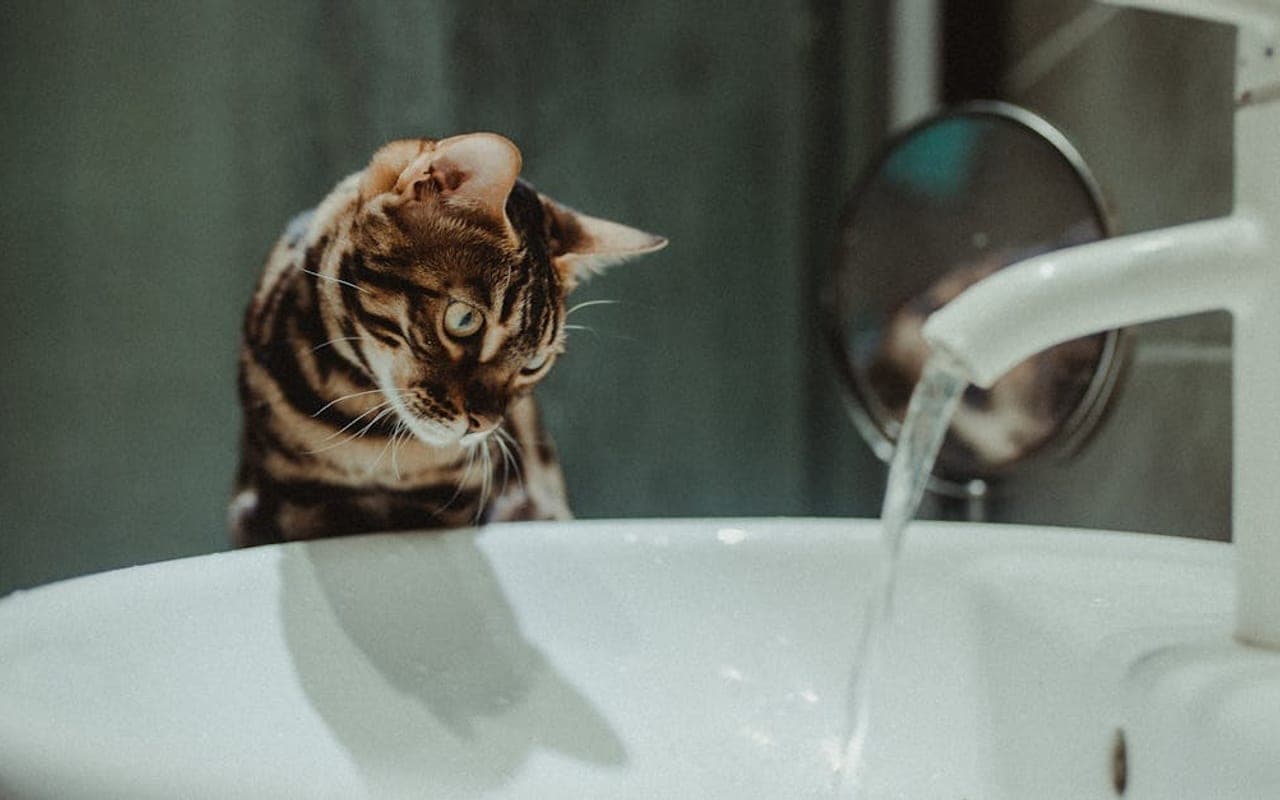
Bengal
Also in the Shorthair group, with different care and temperament tradeoffs.
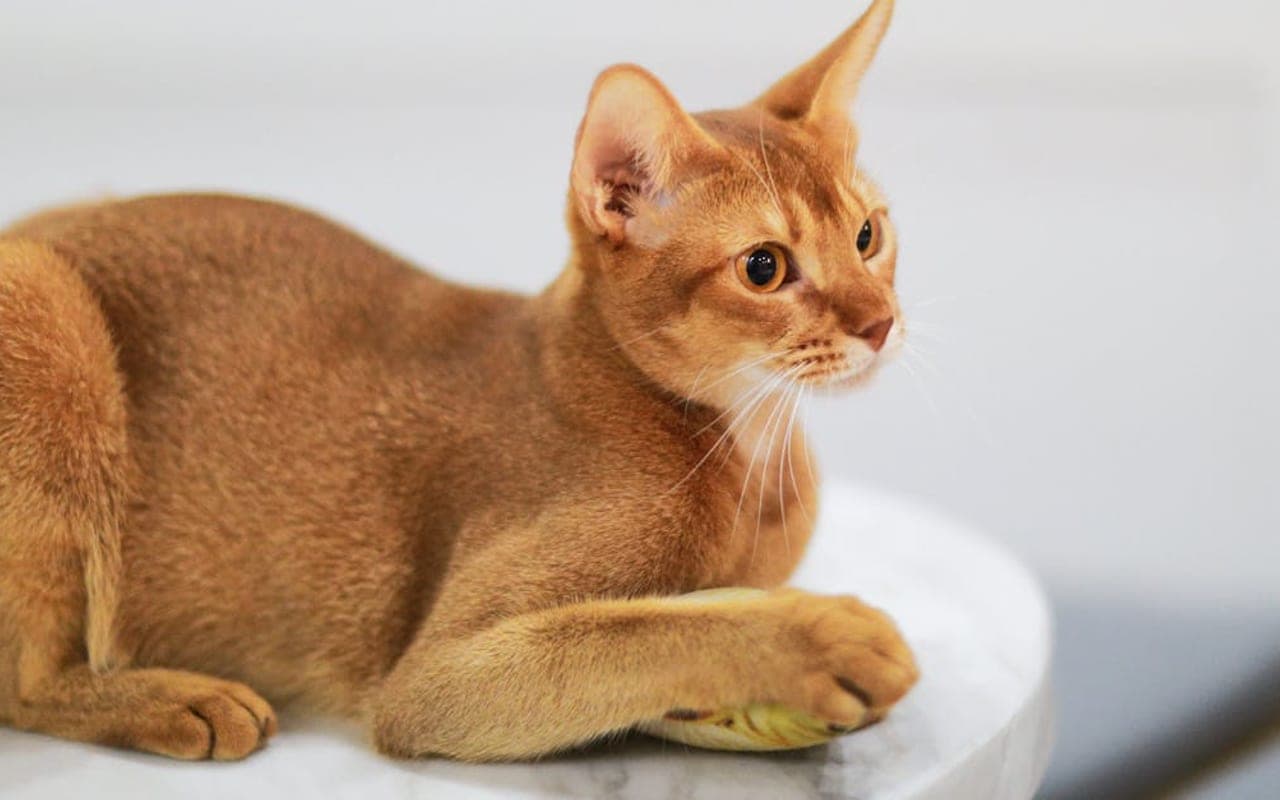
Abyssinian
Also in the Shorthair group, with different care and temperament tradeoffs.
Explore More About Arabian Mau
Dive deeper into everything Arabian Mau — costs, care, and expert insights.
Considering a dog instead?
Browse Dogs