
Shorthair group
Khao Manee
The Khao Manee is a pure-white cat from Thailand whose entire identity rests on a single dominant gene — and that gene is the whole story a buyer needs to understand.
Size
6-11 lb
Lifespan
10-12 years
Play
15-30 minutes
Shedding
Moderate
Experience
Match to owner routine
Decision first
Is a Khao Manee right for you?
Start with fit before history or trivia. These are ownership signals, not guarantees about any individual cat.
Best suited for
- Households with children.
- Homes with other compatible pets.
- Apartment homes with a consistent routine.
- Owners seeking a manageable indoor routine with predictable care.
Think carefully if
- You need a cat with almost no daily routine.
- You cannot keep up with grooming and preventive care.
- The cat will spend most days without interaction or enrichment.
Conditional fit
Apartment fit depends on vertical space, litter setup, play, enrichment, and noise tolerance.
Daily reality
Khao Manee commitment snapshot
Daily play
15-30 minutes
Match play and enrichment to age, health, appetite, and household routine.
Coat care
Moderate
Grooming needs vary by coat, shedding, and lifestyle.
Social needs
Needs planning
Most cats still need predictable contact, enrichment, litter care, and monitoring.
Structured facts
Khao Manee at a glance
The measurements and traits that most affect day-to-day life with this breed.
Origin
Thailand
Group
Shorthair
Weight
6-11 lb
Height
10-13 in
Lifespan
10-12 years
Temperament
Calm | Relaxed | Talkative | Playful | Warm
View all characteristics and methodology
Lifestyle fit
- Apartment suitabilityWorks best with clean litter setup, vertical space, and daily enrichment.
- Likely fit
- Child friendliness
- Often good, with socialisation and supervision
- Other-pet fit
- Often compatible with careful introductions
- Adaptability
- High
Owner commitment
- Daily play
- 15-30 minutes
- Grooming
- Moderate
- Shedding
- Moderate
- Indoor enrichment
- Moderate
Behavior
- Affection
- High
- Energy
- Moderate
- Vocalization
- Very high
- Social needs
- Moderate
Environment and health
- Intelligence
- High
- Health risk
- Needs planning
- Weight sensitivity
- Routine monitoring
Ratings combine structured breed data, visible breed fields, and editorial context. They are planning aids, not predictions for an individual cat.
Daily life
Khao Manee temperament and behavior
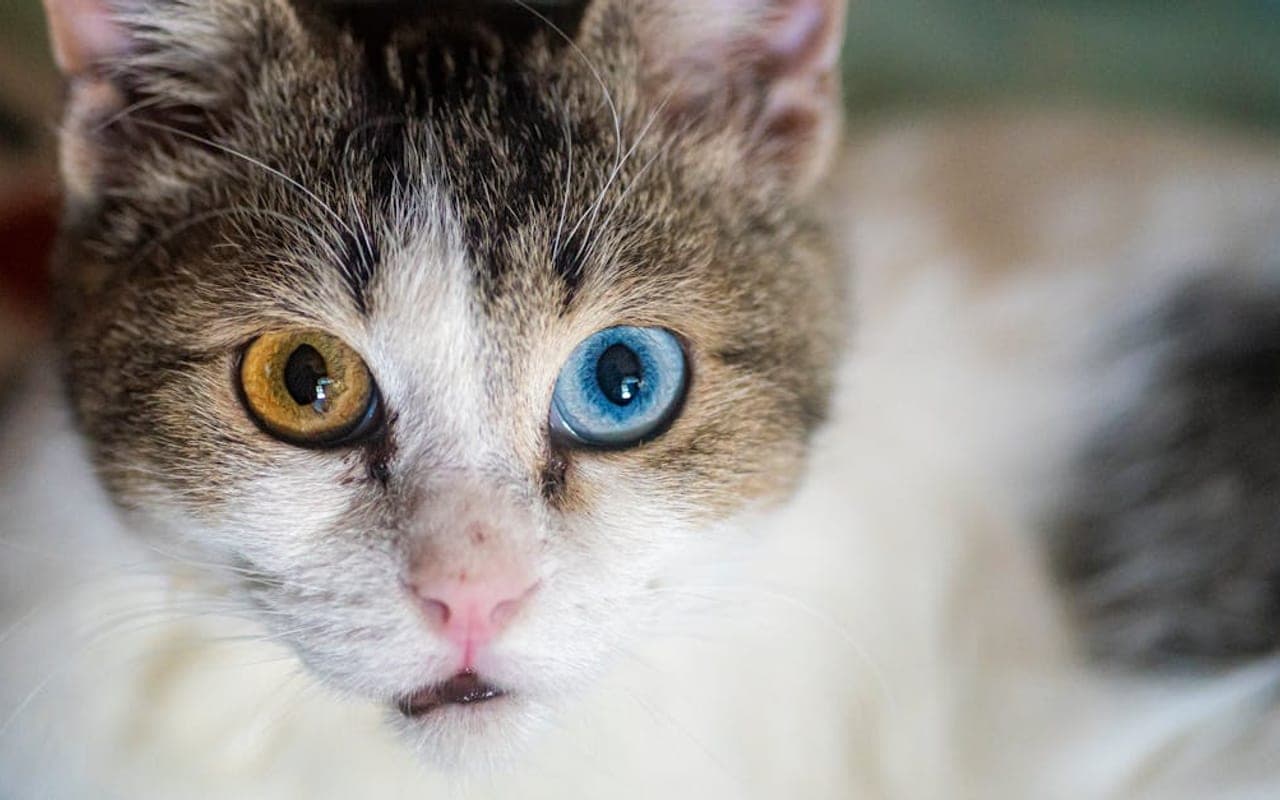
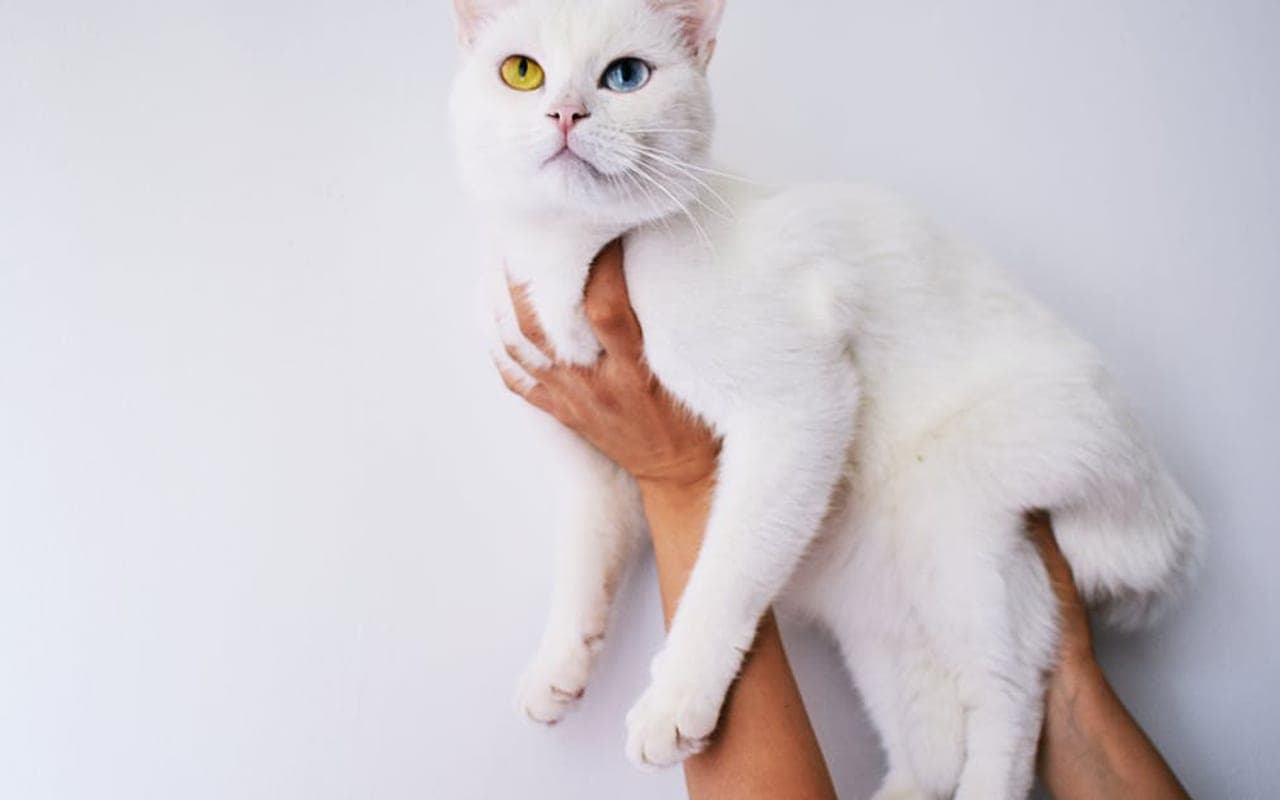
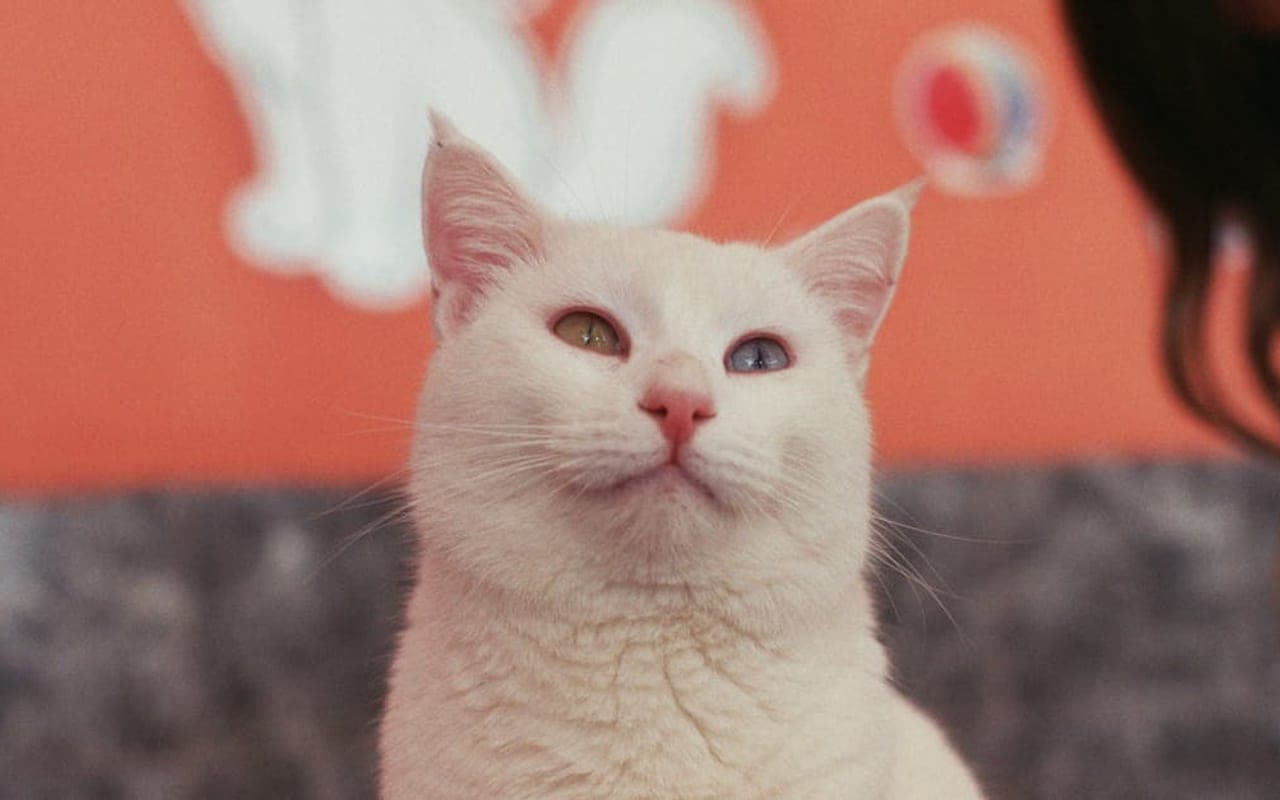
The Khao Manee is a pure-white cat from Thailand whose entire identity rests on a single dominant gene — and that gene is the whole story a buyer needs to understand. The dominant white (W) gene produces the breed's signature solid-white coat and its famous jewel-like eyes (blue, green, gold, or the prized odd-eyed), but the same gene suppresses pigment cells that the inner ear needs to develop. The result is a measurable, well-documented risk of congenital deafness. This is not a flaw to hide; it is the defining trade-off of the breed, exactly as taillessness is for the Manx, and any honest profile has to lead with it. The numbers matter and should drive your decision. Across white cats, roughly 15-30% of blue-eyed individuals are born deaf in one or both ears, with risk highest in blue-eyed cats, intermediate in odd-eyed (often deaf only on the blue-eyed side), and lowest in gold/green-eyed cats. A responsible Khao Manee breeder BAER-tests kittens for hearing and tells you the result. A deaf Khao Manee can live a full, happy indoor life — but you must know before you choose, because a deaf cat should never roam outdoors and needs specific handling. The Khao Manee is an ancient natural Thai breed: a medium, muscular, smooth-coated cat, sparkling chalk-white, recorded in Thailand's centuries-old cat poems as a good-luck cat. Temperament is active and people-centered: intelligent, talkative, curious, affectionate, and engaged with their family rather than aloof — they are calm lap cats one moment and busy investigators the next. Who the Khao Manee is right for: an indoor home that will accept and accommodate a possibly-deaf cat, fund BAER testing, and provide an active companion plenty of attention. Who it is wrong for: a buyer who wants an outdoor cat, or who treats the white-cat deafness risk as a detail rather than the central decision.
Calm | Relaxed | Talkative | Playful | Warm
Calm
A common Khao Manee temperament descriptor that should be interpreted alongside enrichment, handling, and household fit.
Relaxed
A common Khao Manee temperament descriptor that should be interpreted alongside enrichment, handling, and household fit.
Talkative
A common Khao Manee temperament descriptor that should be interpreted alongside enrichment, handling, and household fit.
Playful
A common Khao Manee temperament descriptor that should be interpreted alongside enrichment, handling, and household fit.
Owner note
Temperament labels are starting points, not guarantees. Meet the individual cat and ask about behavior history whenever possible.
Care essentials
How to care for a Khao Manee
What looking after one actually involves: play, grooming, food, litter, and routine health.
ExerciseAs needed
- Moderately active breed that enjoys regular play sessions and exploration. Provide toys and occasional interactive games.
GroomingAs needed
- Brush 2-3 times per week to maintain coat health and reduce shedding. Monthly bathing may be beneficial.
NutritionAs needed
- Feed a high-quality cat food appropriate for their age and activity level. Maintain fresh water at all times. Monitor weight to prevent obesity.
SocializationAs needed
- Enjoys human company and interaction. Can tolerate some alone time but prefers regular companionship.
Veterinary CareAs needed
- Annual wellness exams, vaccinations, dental checkups, and parasite prevention. Spay/neuter recommended if not breeding.
Health planning
Khao Manee health risks and screening
Every cat breed has individual health variation. Use this profile for planning and discuss medical decisions with a veterinarian.
Responsible ownership
Finding a Khao Manee responsibly
What to ask a breeder or rescue is the same conversation for every breed, so we keep it in one place and keep it current.
Health documentation, meeting the parents or foster, contracts and return support, and the warning signs worth walking away from.
Original purpose
Khao Manee history
History is useful when it explains today's behavior, coat, exercise needs, and training style.
Read the breed history
The Khao Manee is one of the oldest natural cat breeds, native to Thailand, where its name means 'White Gem.' Solid-white cats appear in the Tamra Maew, the illustrated Thai cat poems compiled centuries ago (during the Ayutthaya period, roughly 1350-1767), in which the white cat is described as auspicious and was historically associated with royalty and good fortune. For most of its history the Khao Manee was a regional Thai cat, not a Western show breed, kept and preserved by Thai owners rather than developed through selective programs abroad. It was first imported to the West only in the late 2000s and is still extremely rare outside Thailand; the Cat Fanciers' Association advanced it to championship status in the mid-2010s. Its natural-breed origin and prized odd-eyed individuals are tied directly to its health story: the same dominant white gene that made it a treasured 'jewel' cat for centuries is the gene responsible for its congenital deafness risk, which is why understanding the breed's history is inseparable from understanding its central health trade-off.
Gallery
Khao Manee photos
Images are cropped consistently and loaded progressively to keep the page responsive.
Lower-page context
Khao Manee cats in culture
Where the breed shows up in film, sport, work and folklore — the enjoyable part, once the practical questions are answered.
Fun facts
- The Khao Manee originated in Thailand.
- Khao Manee cats are known for being very vocal and communicative with their owners.
- The Khao Manee is a true lap cat that loves to curl up with their owners.
Khao Manee FAQs
How long do Khao Manee cats live?
A healthy Khao Manee typically lives 10-12 years with good indoor care. The single biggest factor in whether it reaches that age safely is hearing: a deaf Khao Manee kept strictly indoors can live a full, happy life, but a deaf cat allowed outdoors is at high risk of a fatal accident because it cannot hear traffic or predators. Lifespan in this breed is less about disease and more about matching the cat's keeping to its hearing status.
Are Khao Manee cats deaf?
Some are, and you need to know before you choose. The dominant white gene that makes the coat white also raises the risk of congenital deafness — roughly 15-30% of blue-eyed white cats are deaf in one or both ears, highest in blue-eyed cats, often one-sided in odd-eyed cats, and lowest in gold or green-eyed cats. A responsible breeder BAER-tests kittens for hearing and tells you the result. A deaf Khao Manee makes a wonderful indoor pet; the danger is not deafness itself but not knowing about it.
Can a deaf Khao Manee live a normal life?
Yes — a deaf Khao Manee can be a happy, well-adjusted cat, but it must be kept strictly indoors and handled with that in mind. It cannot hear traffic, predators, or you, so it should never roam free. Use vibration and visual cues, approach it where it can see you rather than from behind so you do not startle it, and provide plenty of interactive play. Deaf cats often bond intensely with their people; the only non-negotiable is the indoor-only rule.
Are Khao Manee cats good for families and apartments?
Yes. They are active, intelligent, talkative, people-oriented cats that do well with respectful children and adapt well to apartments, provided they get 20-30 minutes of interactive play a day and are not isolated all day. Apartment living actually suits the breed because a Khao Manee should be indoor-only anyway — strictly so if it is deaf, and advisably so even if hearing, given the sunburn vulnerability of an all-white coat.
How much does a Khao Manee cost?
Because the breed is extremely rare outside Thailand, expect roughly $1,500-$3,000+ for a kitten from a registered breeder, with odd-eyed kittens at the top of the range and waiting lists common. The cost that matters is not the purchase price but the BAER hearing test — insist on a breeder who tests kittens and discloses results. Paying for a known-hearing-status kitten, whatever its hearing turns out to be, is the most important spend in this breed.
Does the Khao Manee have hereditary diseases besides deafness?
Honestly, deafness is the one well-documented inherited risk, and it is significant enough to define the breed. Because the Khao Manee is so rare and only recently exported, there is no large body of breed-wide health data showing other signature disorders. The realistic plan is: confirm hearing status by BAER, protect the unpigmented skin from sun, and otherwise apply standard feline preventive care for the HCM and urinary issues seen across all cats — not a long breed-specific screening protocol that simply does not exist yet.
Sources
These are the published sources this page draws on. Each opens in a new tab so you can check it yourself.
Cat Fanciers' Association
Khao Manee — breed standard and profile(opens in a new tab)Supports: Breed standard and recognition details.
Similar breeds to consider
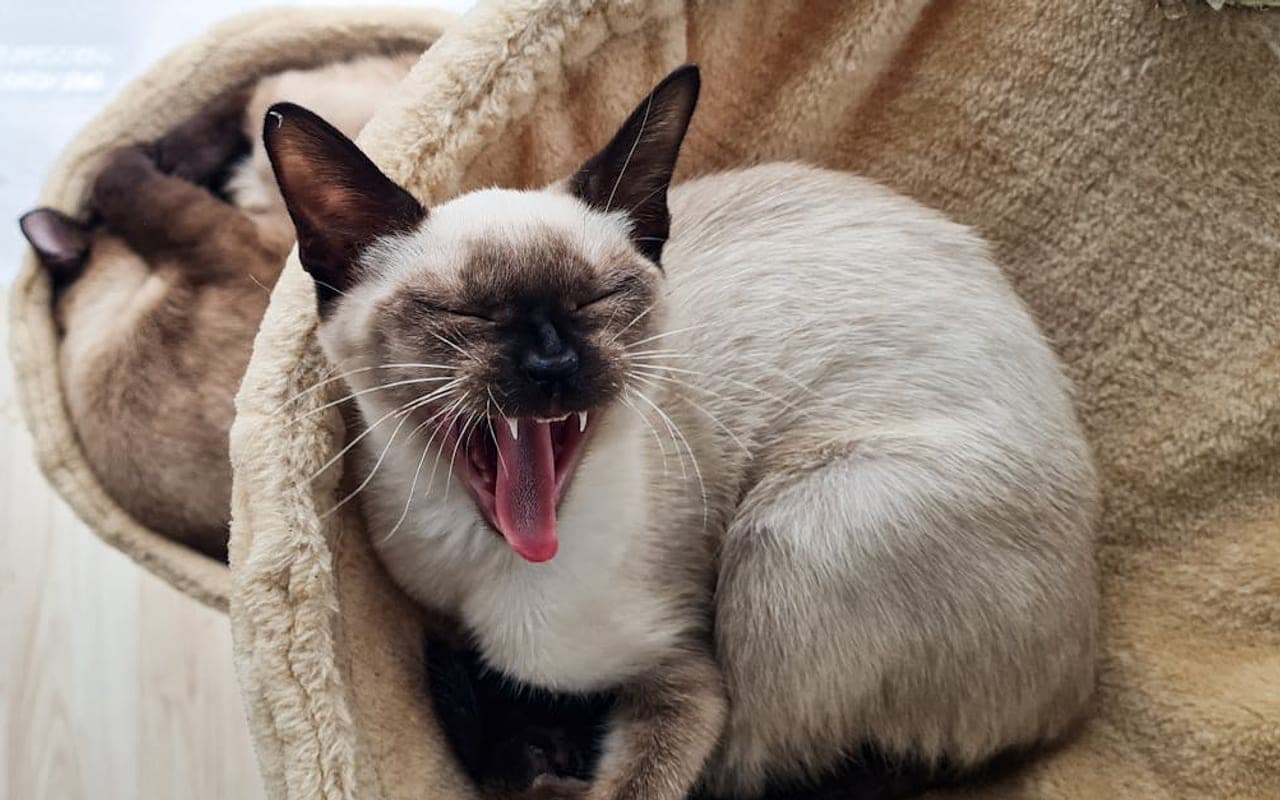
Siamese
Also in the Shorthair group, with different care and temperament tradeoffs.
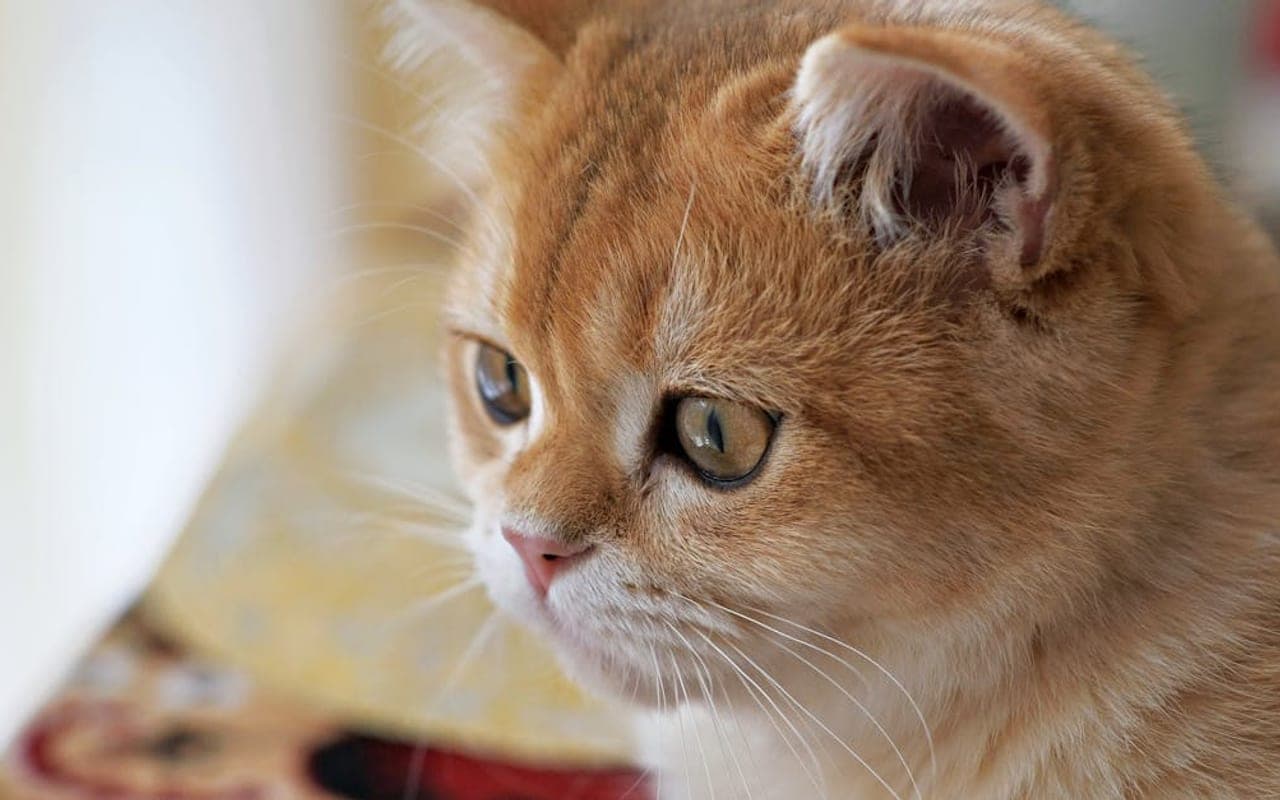
British Shorthair
Also in the Shorthair group, with different care and temperament tradeoffs.
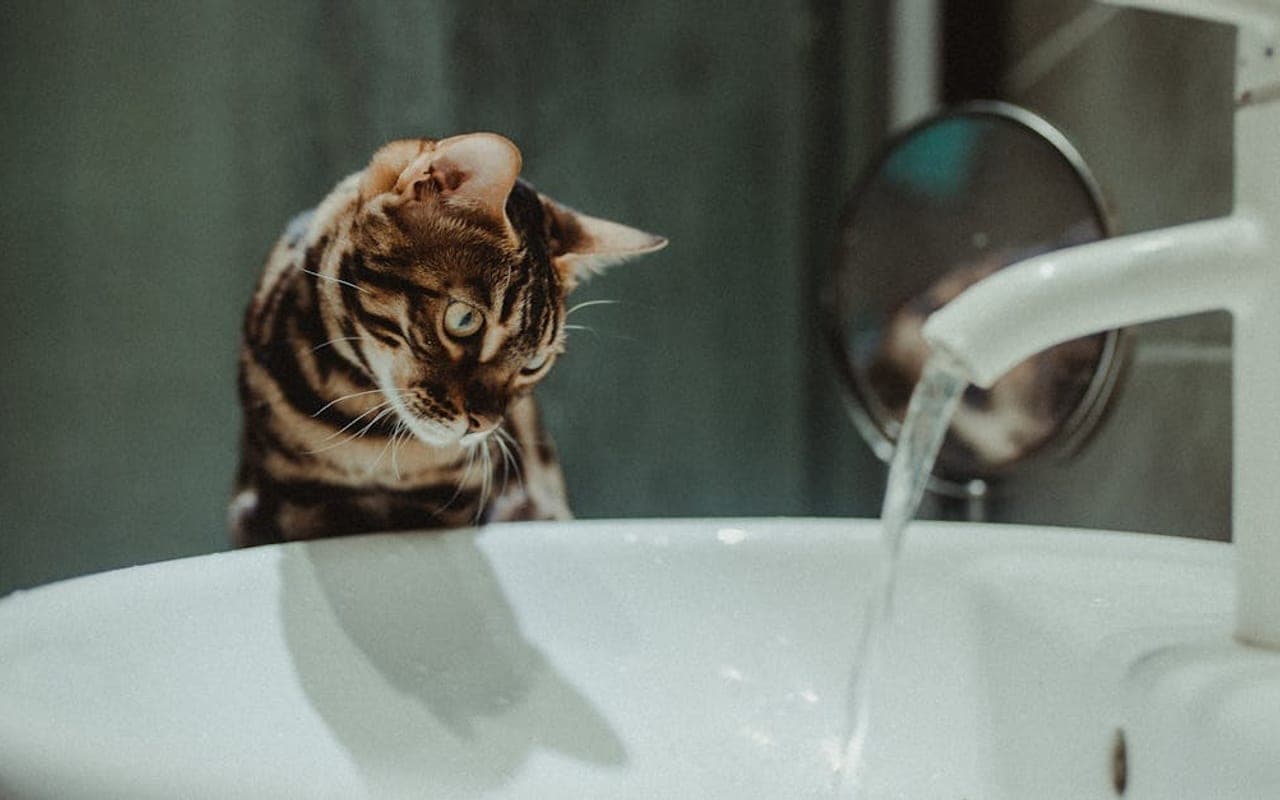
Bengal
Also in the Shorthair group, with different care and temperament tradeoffs.
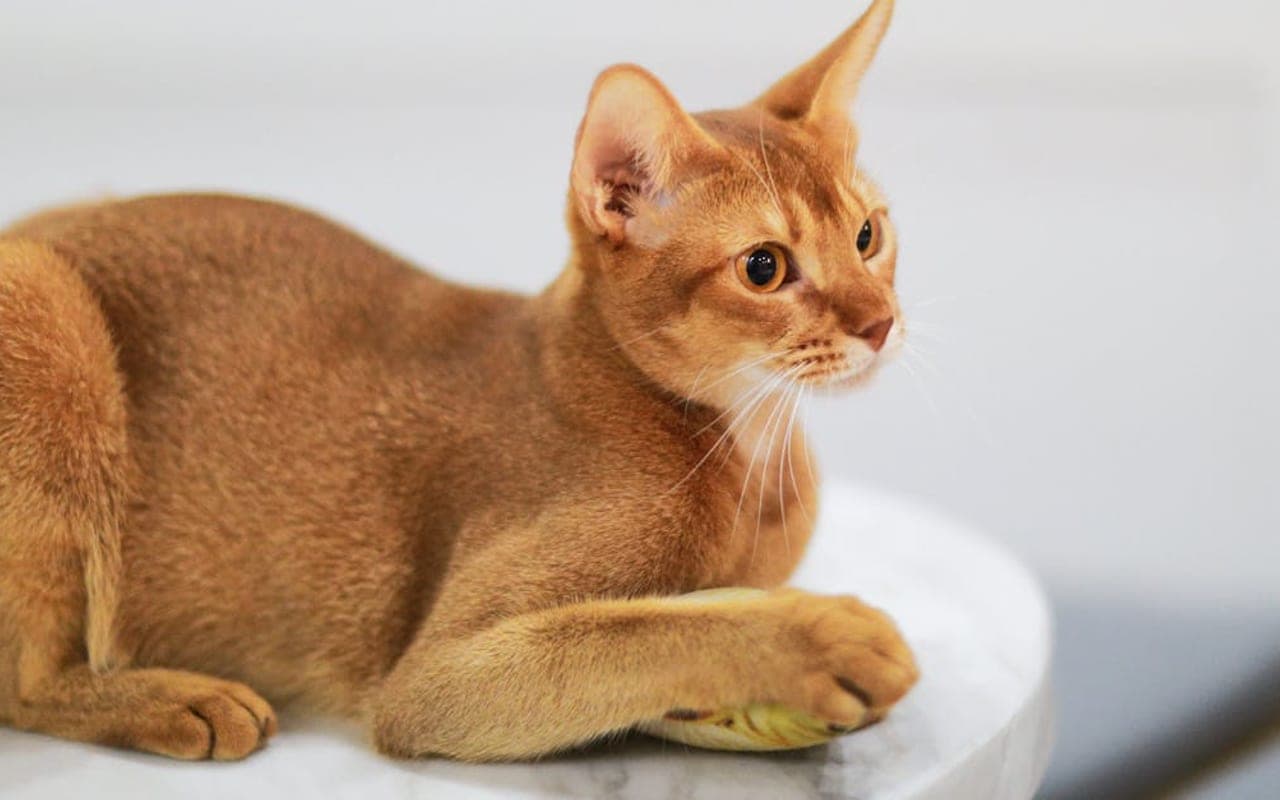
Abyssinian
Also in the Shorthair group, with different care and temperament tradeoffs.
Explore More About Khao Manee
Dive deeper into everything Khao Manee — costs, care, and expert insights.
Considering a dog instead?
Browse Dogs