
Shorthair group
Manx
The Manx is the tailless cat from the Isle of Man — and the missing tail is not a cosmetic quirk, it is the whole story.
Size
8-12 lb
Lifespan
12-14 years
Play
30-60 minutes
Shedding
High
Experience
Match to owner routine
Decision first
Is a Manx right for you?
Start with fit before history or trivia. These are ownership signals, not guarantees about any individual cat.
Best suited for
- Households with children.
- Homes with other compatible pets.
- Apartment homes with a consistent routine.
- Owners who can provide daily play, climbing space, and enrichment.
Think carefully if
- You cannot provide daily play, climbing space, or mental enrichment.
- You want a very low-shedding home.
- The cat will spend most days without interaction or enrichment.
Conditional fit
Apartment fit depends on vertical space, litter setup, play, enrichment, and noise tolerance.
Daily reality
Manx commitment snapshot
Daily play
30-60 minutes
Match play and enrichment to age, health, appetite, and household routine.
Coat care
Low
Grooming needs vary by coat, shedding, and lifestyle.
Social needs
Needs planning
Most cats still need predictable contact, enrichment, litter care, and monitoring.
Structured facts
Manx at a glance
The measurements and traits that most affect day-to-day life with this breed.
Origin
Isle of Man
Group
Shorthair
Weight
8-12 lb
Height
9-12 in
Lifespan
12-14 years
Temperament
Easy Going | Intelligent | Loyal | Playful | Social
View all characteristics and methodology
Lifestyle fit
- Apartment suitabilityWorks best with clean litter setup, vertical space, and daily enrichment.
- Likely fit
- Child friendliness
- Often good, with socialisation and supervision
- Other-pet fit
- Often compatible with careful introductions
- Adaptability
- Very high
Owner commitment
- Daily play
- 30-60 minutes
- Grooming
- Low
- Shedding
- High
- Indoor enrichment
- High
Behavior
- Affection
- Very high
- Energy
- Very high
- Vocalization
- Moderate
- Social needs
- Very high
Environment and health
- Intelligence
- Very high
- Health risk
- Needs planning
- Weight sensitivity
- Routine monitoring
Ratings combine structured breed data, visible breed fields, and editorial context. They are planning aids, not predictions for an individual cat.
Daily life
Manx temperament and behavior
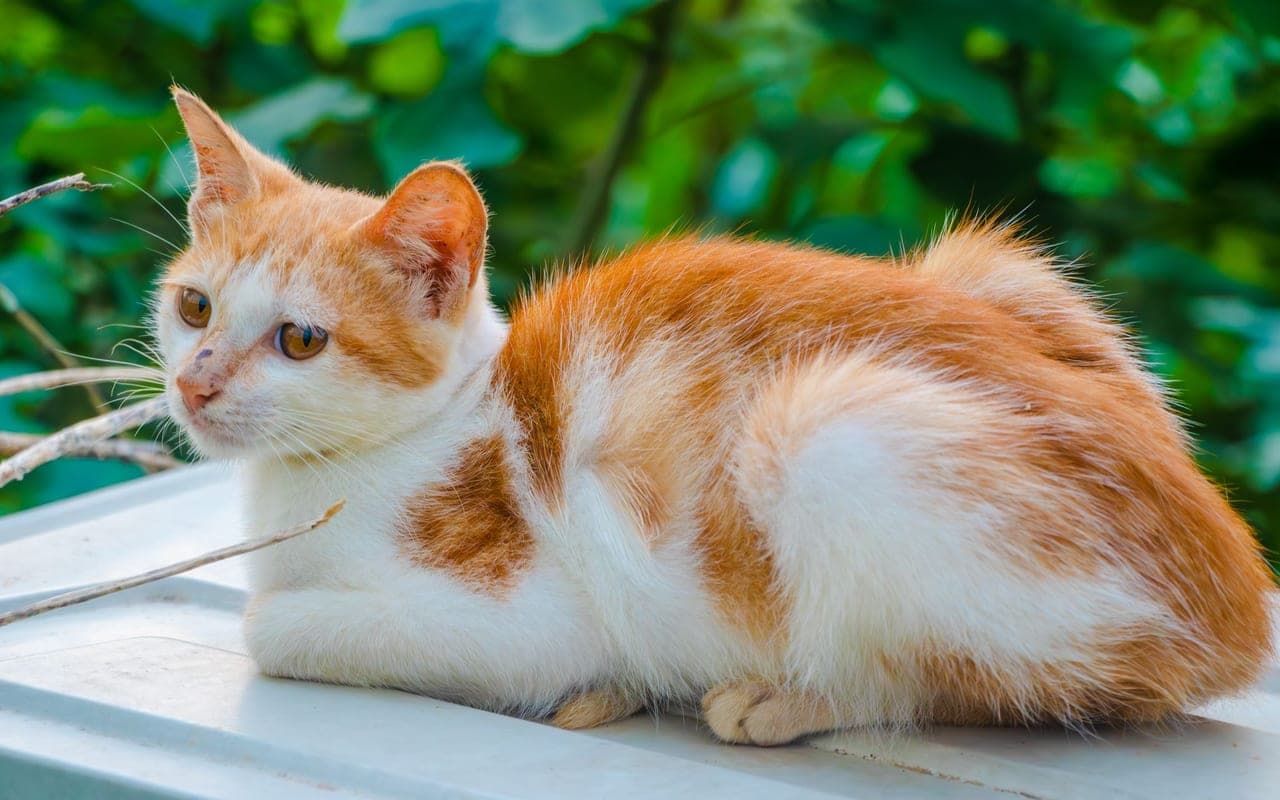
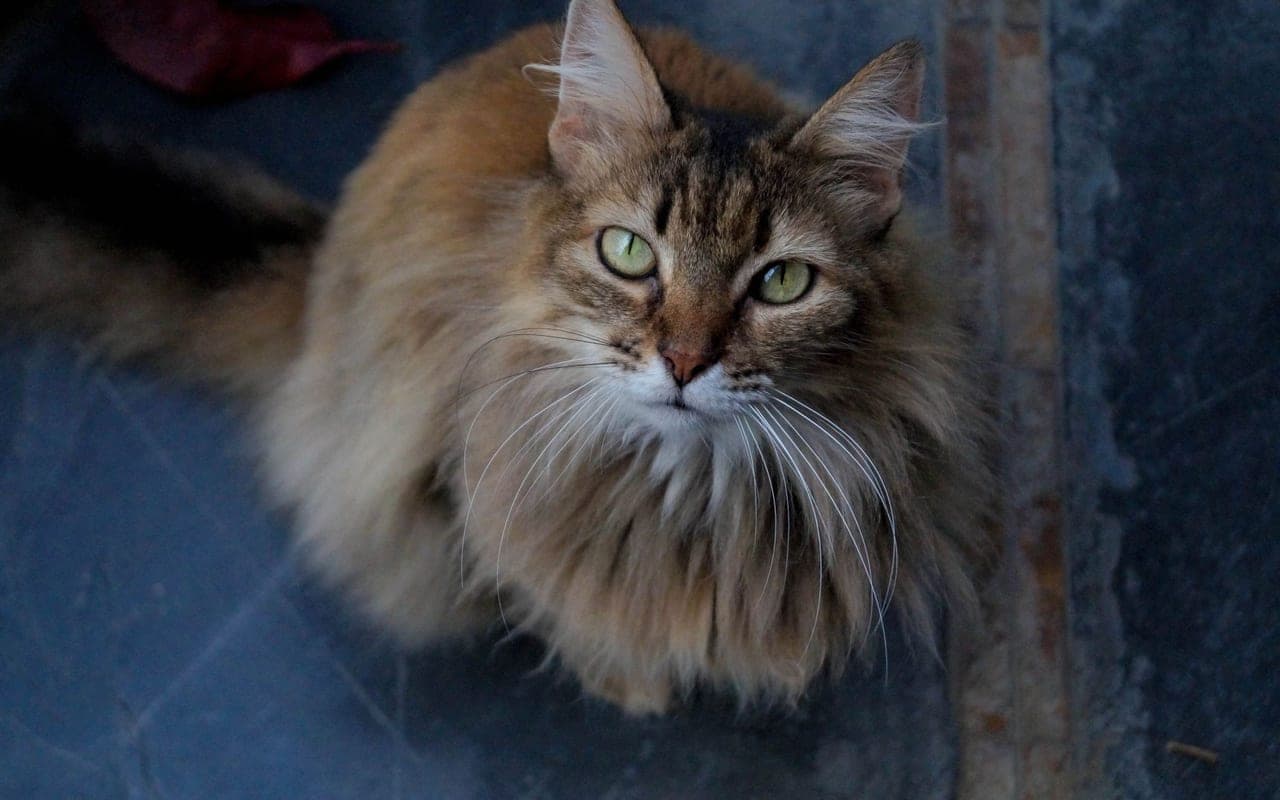
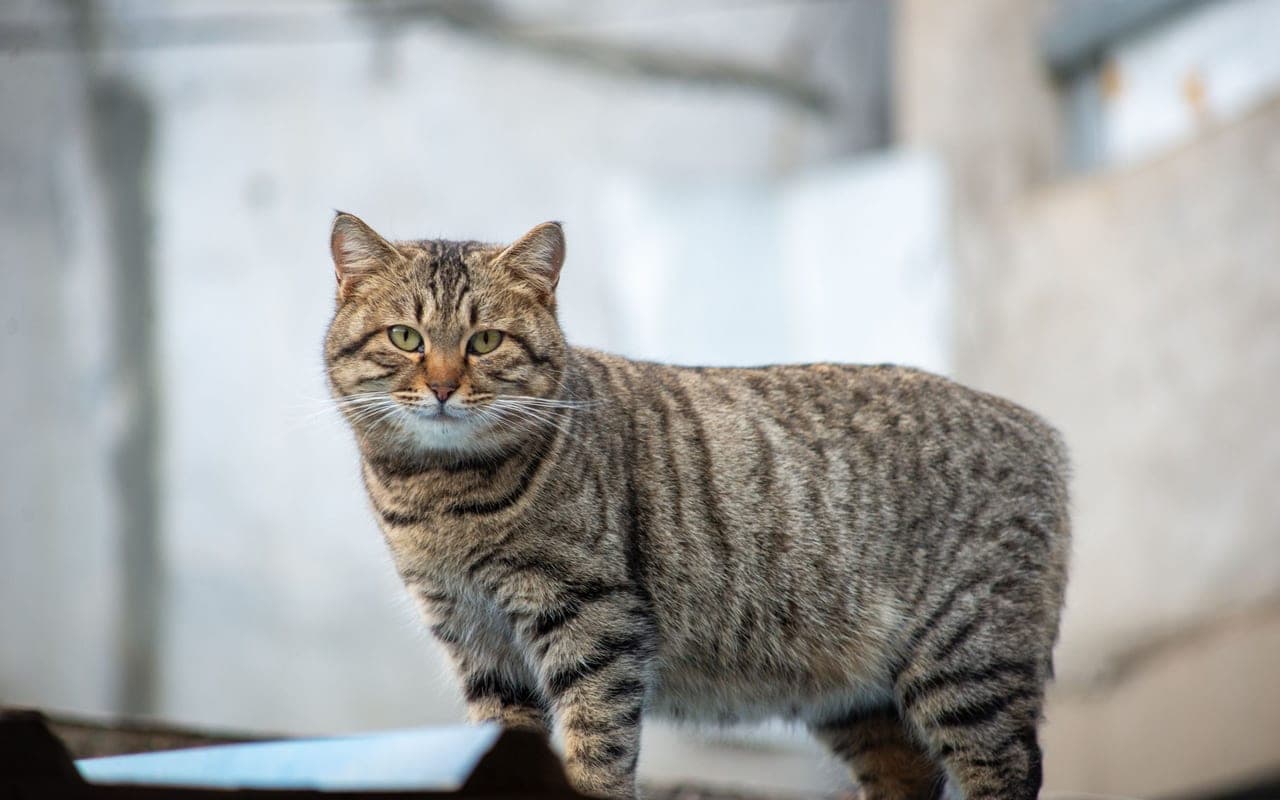
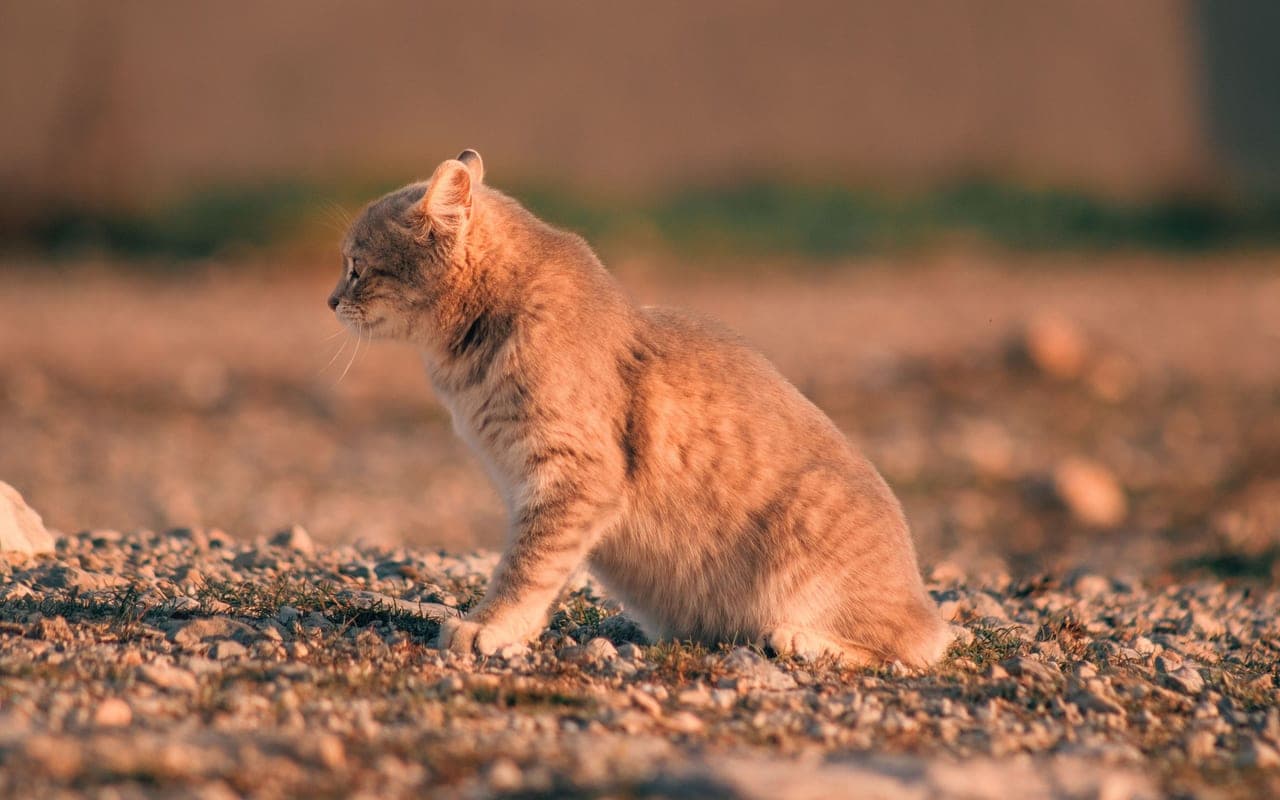
The Manx is the tailless cat from the Isle of Man — and the missing tail is not a cosmetic quirk, it is the whole story. A single dominant gene (the Manx gene) shortens or eliminates the tail, and that exact same gene can shorten or malform the spine. You are not choosing a look; you are choosing a genetic dice roll, and any honest Manx profile has to lead with that. Manx come in four tail types: rumpy (no tail at all, just a dimple — the show standard), rumpy-riser (a small knob of cartilage), stumpy (a short partial tail), and longy (a near-normal tail). Rumpies carry the highest risk of associated spinal problems; longies the lowest. The body is built in circles: a compact, rounded torso, a short back, a deep flank, and noticeably longer hind legs that produce the breed's signature 'bunny hop' gait. Temperament is where the Manx wins people over. This is one of the most dog-like cats you can own — Manx follow their people room to room, learn to fetch, tolerate leash-walking, are often fascinated by water, and bond hard with a family rather than a single person. They are intelligent, playful into adulthood, good with children and other pets, and quietly talkative (a trill rather than a yowl). Who the Manx is right for: an owner who wants an interactive, affectionate, sturdy companion AND who will buy only from a breeder who holds kittens to at least four months and screens for Manx Syndrome. Who it is wrong for: anyone tempted by a cheap young 'rumpy' kitten sight-unseen. The taillessness that makes the breed is the same trait that can cost you thousands and break your heart — decide accordingly.
Easy Going | Intelligent | Loyal | Playful | Social
Easy Going
A common Manx temperament descriptor that should be interpreted alongside enrichment, handling, and household fit.
Intelligent
A common Manx temperament descriptor that should be interpreted alongside enrichment, handling, and household fit.
Loyal
A common Manx temperament descriptor that should be interpreted alongside enrichment, handling, and household fit.
Playful
A common Manx temperament descriptor that should be interpreted alongside enrichment, handling, and household fit.
Owner note
Temperament labels are starting points, not guarantees. Meet the individual cat and ask about behavior history whenever possible.
Care essentials
How to care for a Manx
What looking after one actually involves: play, grooming, food, litter, and routine health.
ExerciseAs needed
- Active and playful breed requiring daily interactive play sessions with toys, climbing structures, and mental stimulation.
GroomingAs needed
- Low-maintenance coat requiring weekly brushing. Occasional bathing as needed.
NutritionAs needed
- Feed a high-quality cat food appropriate for their age and activity level. Maintain fresh water at all times. Monitor weight to prevent obesity.
SocializationAs needed
- Highly social breed that thrives on companionship. Does not do well left alone for extended periods. Consider a companion pet.
Veterinary CareAs needed
- Annual wellness exams, vaccinations, dental checkups, and parasite prevention. Spay/neuter recommended if not breeding.
Health planning
Manx health risks and screening
Every cat breed has individual health variation. Use this profile for planning and discuss medical decisions with a veterinarian.
Responsible ownership
Finding a Manx responsibly
What to ask a breeder or rescue is the same conversation for every breed, so we keep it in one place and keep it current.
Health documentation, meeting the parents or foster, contracts and return support, and the warning signs worth walking away from.
Original purpose
Manx history
History is useful when it explains today's behavior, coat, exercise needs, and training style.
Read the breed history
The Manx originates on the Isle of Man, a small island in the Irish Sea, where the taillessness mutation arose naturally and — thanks to a closed island gene pool — spread until the tailless cat became the island's signature animal. The breed has been documented for centuries and is one of the oldest recognized natural breeds; it was among the original cats shown when the cat fancy began in the late 1800s and was a founding breed of the Cat Fanciers' Association. Local folklore filled the gap before genetics did: tales of the Manx losing its tail in Noah's ark door, or being a cross with a rabbit (the 'cabbit' myth, encouraged by the hopping gait). The real explanation is a single dominant gene. Two tailless Manx are never deliberately bred together, because a kitten inheriting two copies of the gene dies before birth — which is why Manx litters are naturally small and why responsible breeding always pairs a tailless cat with a tailed one. The Manx remains a national symbol of the Isle of Man, appearing on its coins and stamps.
Gallery
Manx photos
Images are cropped consistently and loaded progressively to keep the page responsive.
Lower-page context
Manx cats in culture
Where the breed shows up in film, sport, work and folklore — the enjoyable part, once the practical questions are answered.
Fun facts
- The Manx originated in Isle of Man.
- Manx cats are considered one of the most intelligent cat breeds.
- The Manx is one of the most energetic and playful cat breeds.
- The Manx is a natural breed that developed without human selective breeding.
- The Manx is a true lap cat that loves to curl up with their owners.
Manx FAQs
How long do Manx cats live?
A healthy Manx from screened lines typically lives 13-16 years — comparable to most domestic cats. The caveat is Manx Syndrome: cats severely affected by the spinal defect often show problems before 6 months and have a far shorter, harder life. Lifespan in this breed is less about age and more about which side of the genetic dice roll your kitten landed on, which is why breeder screening matters more than for almost any other breed.
Are Manx cats good with children?
Yes — the Manx is one of the more child-friendly cat breeds. They are sturdy, patient, playful well into adulthood, and dog-like in their willingness to engage rather than hide. They tolerate household activity and often join in. As with any cat, supervise young children and teach them not to lift the cat by the hindquarters, since the Manx's lower spine is its vulnerable point.
How much grooming does a Manx need?
Low to moderate. The shorthaired Manx needs a 5-minute brush once a week; the longhaired Cymric needs 2-3 sessions a week to prevent tangles. Both shed seasonally — increase brushing to every other day for 2-3 weeks in spring and autumn. Also budget a weekly check of the rump-fold area on tailless cats for skin irritation, which is a Manx-specific grooming task most owners don't expect.
Are Manx cats good for apartments?
Yes. The Manx is adaptable, bonds to people over territory, and does well in apartments provided it gets 20-30 minutes of interactive play a day to manage weight and energy. They are not destructive when engaged. The only apartment-relevant caution is litter-box vigilance — incontinence from Manx Syndrome is harder to manage in a small space, so buy only from screened lines.
How much does a Manx cat cost?
Expect $400-$800 for a pet-quality Manx and $800-$1,500+ for a show-quality kitten from a registered breeder who screens for Manx Syndrome. The hidden cost is the one that matters: a cat affected by Manx Syndrome or megacolon can incur $1,000-$3,000+ in diagnostics and lifelong management, and corrective surgery for megacolon alone runs $1,500-$3,000. Paying more upfront for a screened, 4-month-old kitten is the cheapest insurance you can buy in this breed.
What is Manx Syndrome and can I avoid it?
Manx Syndrome is sacrocaudal dysgenesis — the same dominant gene that removes the tail also malforming the lower spine and spinal cord, causing incontinence, hind-limb weakness, and constipation. You reduce the risk substantially by buying from a breeder who pairs tailless with tailed cats, holds kittens until at least 4 months (when symptoms typically appear), and provides a written health guarantee. Favor stumpy or longy kittens if risk tolerance is low; never buy a young rumpy sight-unseen.
Sources
These are the published sources this page draws on. Each opens in a new tab so you can check it yourself.
Cat Fanciers' Association
Manx — breed standard and profile(opens in a new tab)Supports: Breed standard and recognition details.
Similar breeds to consider
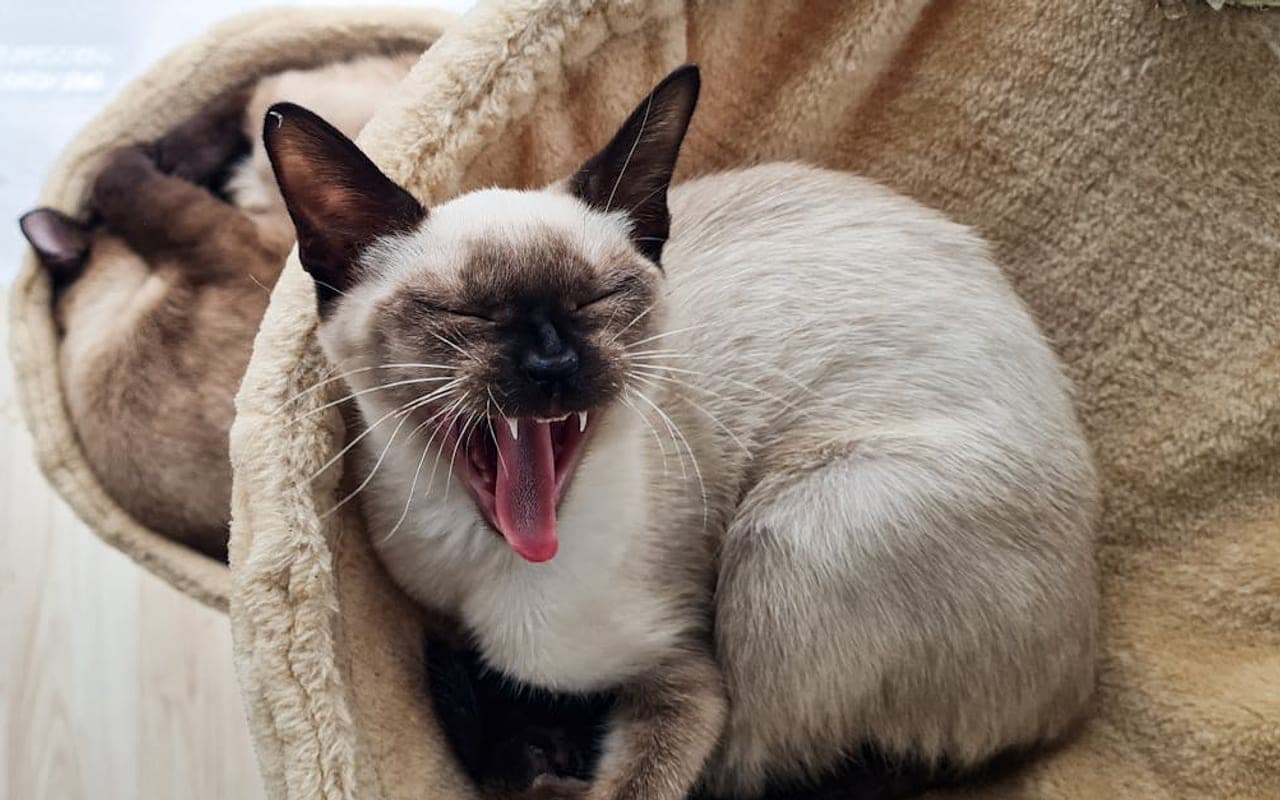
Siamese
Also in the Shorthair group, with different care and temperament tradeoffs.
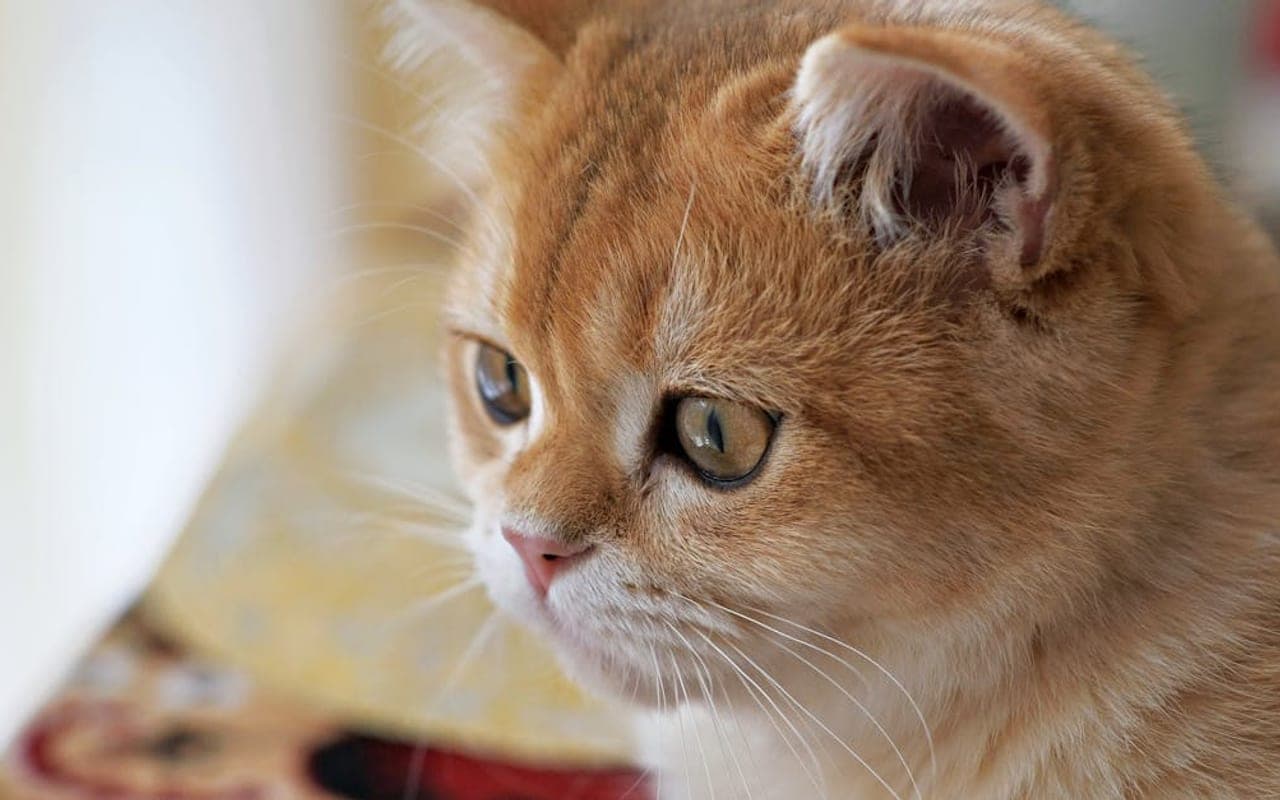
British Shorthair
Also in the Shorthair group, with different care and temperament tradeoffs.
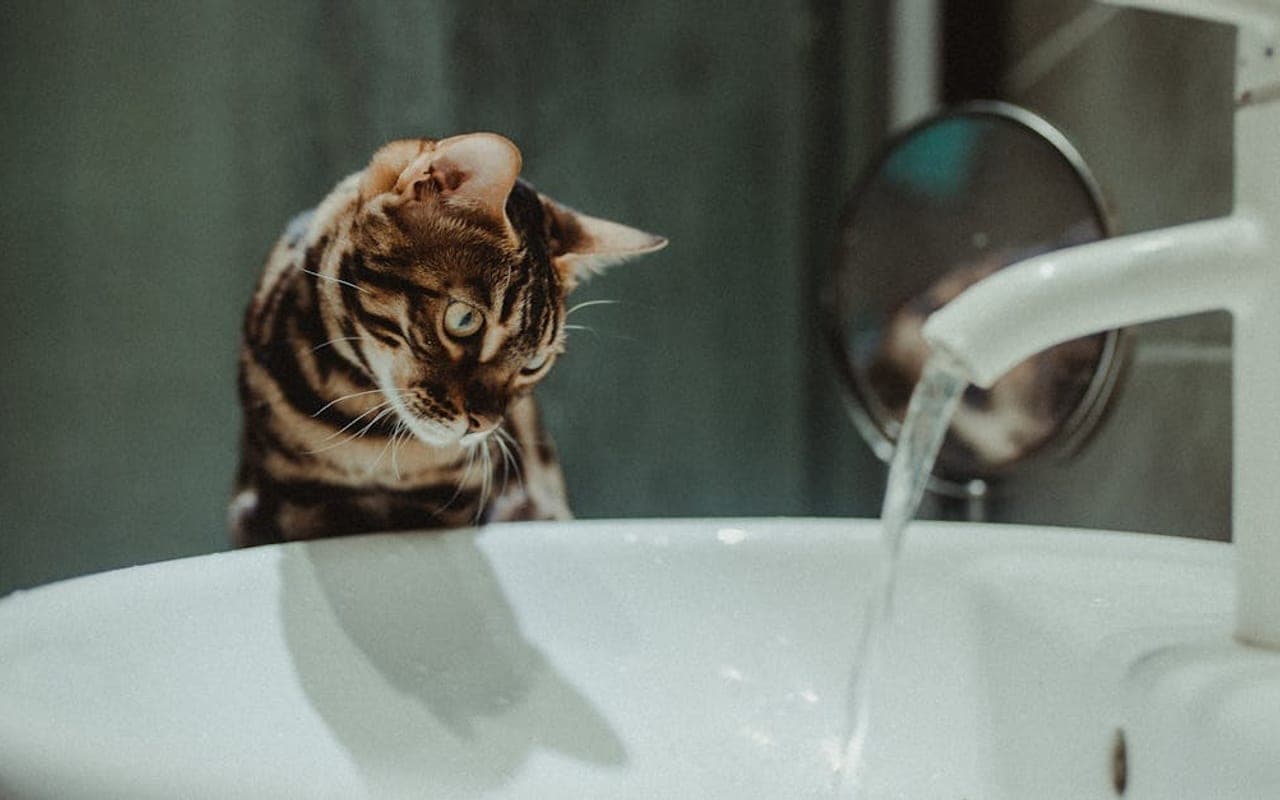
Bengal
Also in the Shorthair group, with different care and temperament tradeoffs.
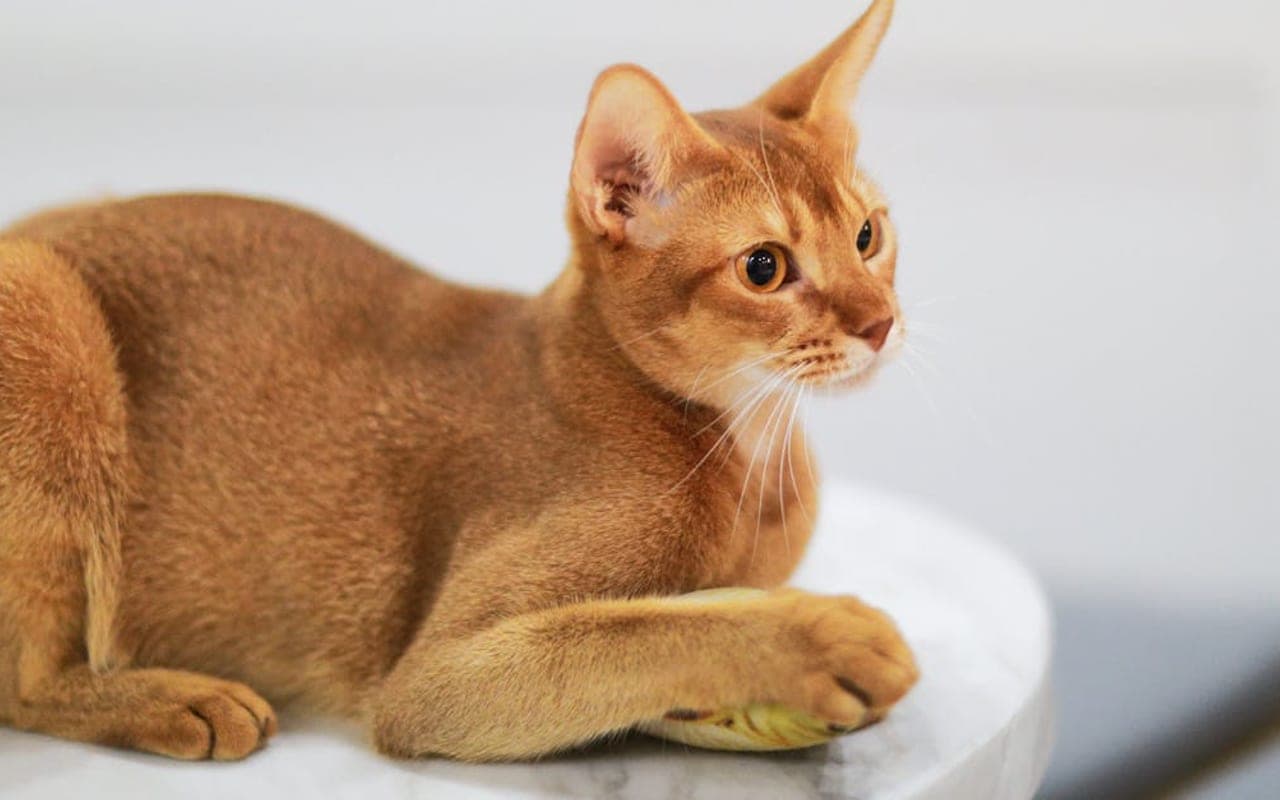
Abyssinian
Also in the Shorthair group, with different care and temperament tradeoffs.
Explore More About Manx
Dive deeper into everything Manx — costs, care, and expert insights.
Considering a dog instead?
Browse Dogs