
Shorthair group
Ocicat
The Ocicat looks like a small wild ocelot and behaves like a dog — and the gap between those two impressions is exactly what trips buyers up.
Size
6-14 lb
Lifespan
12-14 years
Play
30-60 minutes
Shedding
Moderate
Experience
Match to owner routine
Decision first
Is a Ocicat right for you?
Start with fit before history or trivia. These are ownership signals, not guarantees about any individual cat.
Best suited for
- Households with children.
- Homes with other compatible pets.
- Apartment homes with a consistent routine.
- Owners who can provide daily play, climbing space, and enrichment.
Think carefully if
- You cannot provide daily play, climbing space, or mental enrichment.
- You cannot keep up with grooming and preventive care.
- The cat will spend most days without interaction or enrichment.
Conditional fit
Apartment fit depends on vertical space, litter setup, play, enrichment, and noise tolerance.
Daily reality
Ocicat commitment snapshot
Daily play
30-60 minutes
Match play and enrichment to age, health, appetite, and household routine.
Coat care
Low
Grooming needs vary by coat, shedding, and lifestyle.
Social needs
Needs planning
Most cats still need predictable contact, enrichment, litter care, and monitoring.
Structured facts
Ocicat at a glance
The measurements and traits that most affect day-to-day life with this breed.
Origin
United States
Group
Shorthair
Weight
6-14 lb
Height
9-12 in
Lifespan
12-14 years
Temperament
Active | Agile | Curious | Demanding | Friendly | Gentle | Lively | Playful | Social
View all characteristics and methodology
Lifestyle fit
- Apartment suitabilityWorks best with clean litter setup, vertical space, and daily enrichment.
- Likely fit
- Child friendliness
- Often good, with socialisation and supervision
- Other-pet fit
- Often compatible with careful introductions
- Adaptability
- Very high
Owner commitment
- Daily play
- 30-60 minutes
- Grooming
- Low
- Shedding
- Moderate
- Indoor enrichment
- High
Behavior
- Affection
- Very high
- Energy
- Very high
- Vocalization
- Moderate
- Social needs
- Very high
Environment and health
- Intelligence
- Very high
- Health risk
- Needs planning
- Weight sensitivity
- Routine monitoring
Ratings combine structured breed data, visible breed fields, and editorial context. They are planning aids, not predictions for an individual cat.
Daily life
Ocicat temperament and behavior
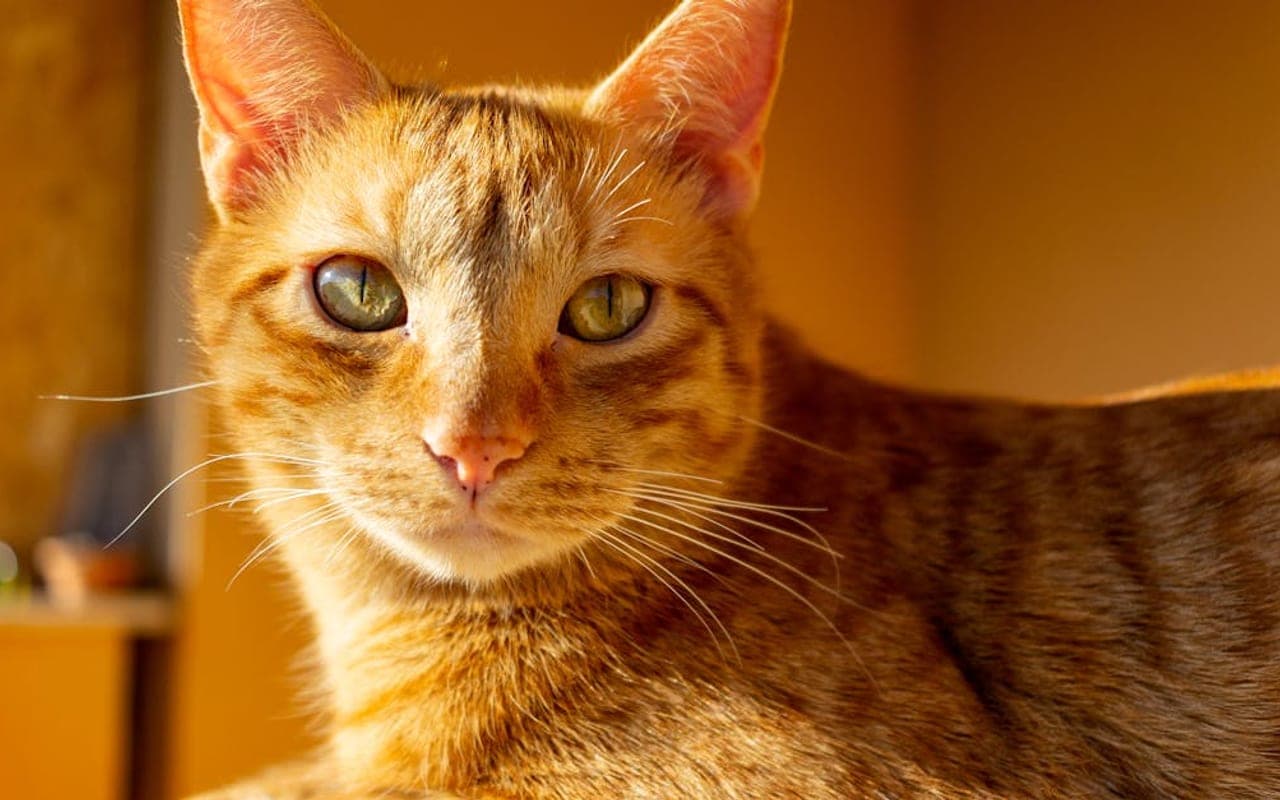
The Ocicat looks like a small wild ocelot and behaves like a dog — and the gap between those two impressions is exactly what trips buyers up. There is no wildcat in the Ocicat. It is an entirely domestic breed built from Abyssinian, Siamese and American Shorthair lines; the spotted, agouti-ticked coat is selective breeding mimicking a wild look on a thoroughly people-oriented cat. Buy it for the personality, not the costume. Physically the Ocicat is a solid, athletic, medium-to-large shorthair — males commonly 4-7 kg, females lighter — with a short, tight, low-maintenance coat in classic spotted patterns (tawny, chocolate, cinnamon, blue, lavender, fawn, and silver variants). It is muscular and surprisingly heavy for its size. Temperament is the selling point and the catch. Ocicats are confident, intensely social, demanding, and dog-like: they fetch, learn cues, walk on a harness, come when called, and follow their people room to room. They do not do isolation well. An Ocicat left alone all day with no companion or enrichment becomes vocal, destructive and stressed — this is not a cat that ornaments a busy household; it participates in it. They are excellent with children, dogs and other cats precisely because they want constant interaction. Who the Ocicat is right for: an owner who wants an interactive, trainable, almost-canine companion, will provide a second pet or daily engagement, and will buy from a breeder who screens for the breed's specific inherited risks. Who it is wrong for: someone wanting an aloof, independent, low-attention cat, or a household empty 10 hours a day with no second animal. The dog-like devotion is real — and so is the dog-like need for company.
Active | Agile | Curious | Demanding | Friendly | Gentle | Lively | Playful | Social
Active
A common Ocicat temperament descriptor that should be interpreted alongside enrichment, handling, and household fit.
Agile
A common Ocicat temperament descriptor that should be interpreted alongside enrichment, handling, and household fit.
Curious
A common Ocicat temperament descriptor that should be interpreted alongside enrichment, handling, and household fit.
Demanding
A common Ocicat temperament descriptor that should be interpreted alongside enrichment, handling, and household fit.
Owner note
Temperament labels are starting points, not guarantees. Meet the individual cat and ask about behavior history whenever possible.
Care essentials
How to care for a Ocicat
What looking after one actually involves: play, grooming, food, litter, and routine health.
ExerciseAs needed
- Active and playful breed requiring daily interactive play sessions with toys, climbing structures, and mental stimulation.
GroomingAs needed
- Low-maintenance coat requiring weekly brushing. Occasional bathing as needed.
NutritionAs needed
- Feed a high-quality cat food appropriate for their age and activity level. Maintain fresh water at all times. Monitor weight to prevent obesity.
SocializationAs needed
- Highly social breed that thrives on companionship. Does not do well left alone for extended periods. Consider a companion pet.
Veterinary CareAs needed
- Annual wellness exams, vaccinations, dental checkups, and parasite prevention. Spay/neuter recommended if not breeding.
Health planning
Ocicat health risks and screening
Every cat breed has individual health variation. Use this profile for planning and discuss medical decisions with a veterinarian.
Responsible ownership
Finding a Ocicat responsibly
What to ask a breeder or rescue is the same conversation for every breed, so we keep it in one place and keep it current.
Health documentation, meeting the parents or foster, contracts and return support, and the warning signs worth walking away from.
Original purpose
Ocicat history
History is useful when it explains today's behavior, coat, exercise needs, and training style.
Read the breed history
The Ocicat is a young, accidental American breed. In 1964 Virginia Daly, a Michigan breeder, was crossing Abyssinians and Siamese aiming for an Abyssinian-pointed Siamese. The second generation produced an unexpected ivory, golden-spotted kitten her daughter called an "Ocicat" for its resemblance to an ocelot. Breeders saw the potential and built the breed deliberately, adding American Shorthair for bone, body substance and the silver coat colors, while keeping the Abyssinian's ticking and the Siamese's intelligence and people focus. The breed was recognized by CFA in the 1980s and is now accepted by major registries worldwide. Its history explains its health profile precisely: because the Ocicat is built from Siamese, Abyssinian and American Shorthair foundations, it inherits the specific risks of those breeds — pyruvate kinase deficiency and renal amyloidosis from the oriental side, gingivitis from the Abyssinian/Siamese lines, and hypertrophic cardiomyopathy as a broadly feline concern — which is why responsible Ocicat breeding centers on testing those known inherited conditions rather than the wildcat the look suggests.
Gallery
Ocicat photos
Images are cropped consistently and loaded progressively to keep the page responsive.
Lower-page context
Ocicat cats in culture
Where the breed shows up in film, sport, work and folklore — the enjoyable part, once the practical questions are answered.
Fun facts
- The Ocicat originated in United States.
- Ocicat cats are considered one of the most intelligent cat breeds.
- The Ocicat is one of the most energetic and playful cat breeds.
- The Ocicat is considered a hypoallergenic breed, producing fewer allergens than most cats.
- Ocicat cats are exceptionally dog-friendly and can live harmoniously with canine companions.
Ocicat FAQs
Is the Ocicat part wild cat?
No — and this matters before you buy. Despite the ocelot look, the Ocicat has zero wildcat ancestry. It was created entirely from domestic Abyssinian, Siamese and American Shorthair cats; the spotted pattern is selective breeding, not a hybrid. That means it has fully domestic temperament and care needs, but it also inherits the specific genetic diseases of those three breeds — so the practical takeaway is to screen for PK deficiency, renal amyloidosis and HCM, not to worry about 'wild' behavior, which does not exist here.
How long do Ocicats live and how healthy are they?
Ocicats typically live 12-14 years and many reach 15+ with good care. They are generally robust, but 'generally healthy' hides specific inherited risks from their foundation breeds: pyruvate kinase deficiency, renal and hepatic amyloidosis, hypertrophic cardiomyopathy, and a real tendency to gum disease. The lifespan you actually get depends heavily on breeder screening. Ask for parental PK DNA results and HCM echo history before you commit — those questions, not luck, drive longevity in this breed.
Are Ocicats good with children and other pets?
Yes — among the best. Ocicats are confident, social and dog-like, so they tend to thrive in busy households with respectful children, dogs and other cats, often actively seeking interaction rather than hiding. That same trait is the trade-off: they do not cope well alone. If your home is empty most of the day, a compatible second pet is close to a requirement, not a bonus. Their sociability is a feature only if you can meet the company it demands.
How much grooming and care does an Ocicat need day to day?
Grooming is minimal — the short, tight coat needs only a weekly wipe-down with a rubber mitt or soft brush; no mats, no trims. The real daily commitment is engagement: 30+ minutes of interactive play, training or harness time, because an under-stimulated Ocicat becomes vocal and destructive. Add proactive dental care (brushing several times a week plus professional cleanings) because gum disease is a documented breed tendency. Low-maintenance coat, high-maintenance brain and teeth — budget accordingly.
Can an Ocicat be left alone while I work?
Only with planning. Ocicats are one of the most companionship-dependent cat breeds; left alone all day with no enrichment they become stressed, loud and destructive. They can manage a normal workday if there is a compatible companion animal, environmental enrichment (puzzle feeders, climbing space, window perches), and committed interactive play morning and evening. If you cannot provide a second pet or that daily engagement, a more independent breed is a kinder and lower-stress choice for everyone.
What health tests should an Ocicat breeder have done?
Ask for three specifics, not general reassurance. One: a DNA test for pyruvate kinase deficiency on the parents (and ideally the kitten). Two: documented HCM echocardiogram screening of breeding cats by a cardiologist, repeated periodically since HCM can develop with age. Three: family history regarding renal/hepatic amyloidosis in the line. A breeder who answers these concretely is managing the breed's actual inherited risks; one who only says the cats are 'healthy' is not, and that vagueness is itself the warning sign.
Sources
These are the published sources this page draws on. Each opens in a new tab so you can check it yourself.
Cat Fanciers' Association
Ocicat — breed standard and profile(opens in a new tab)Supports: Breed standard and recognition details.
Similar breeds to consider
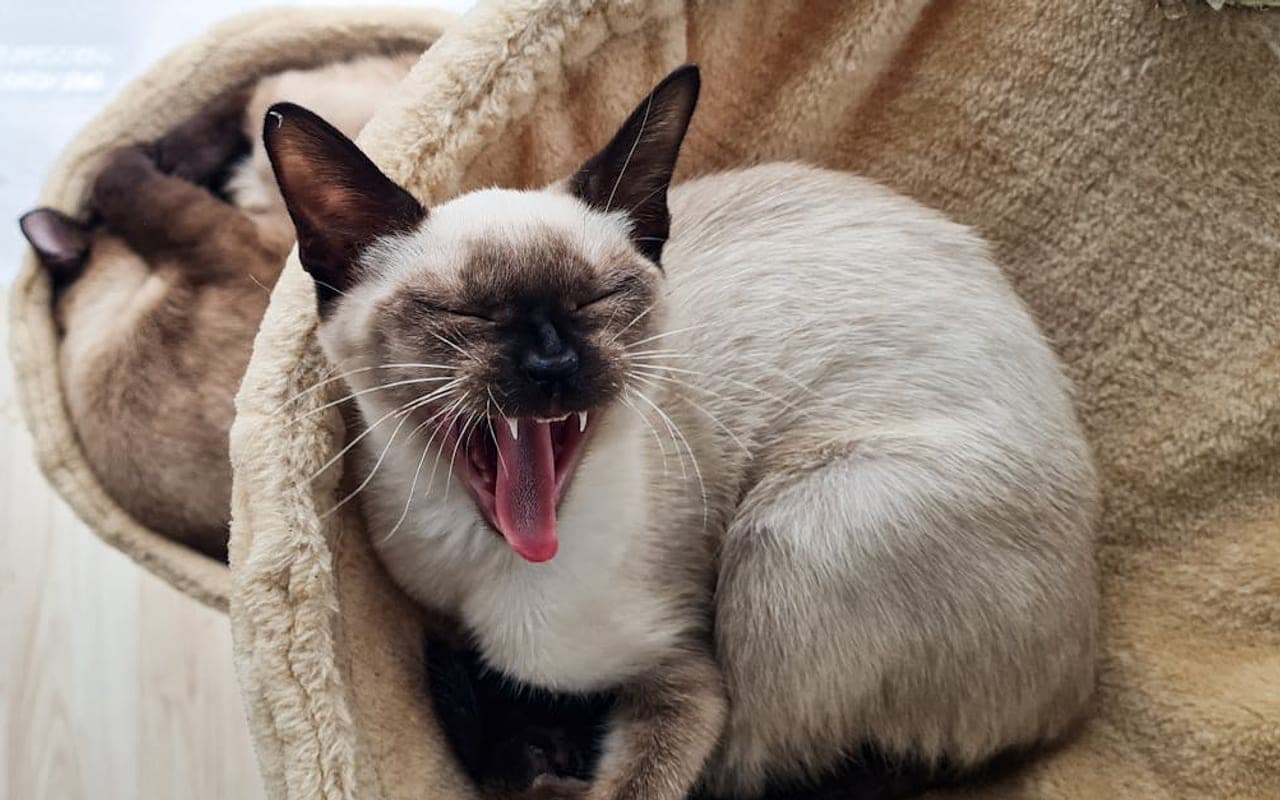
Siamese
Also in the Shorthair group, with different care and temperament tradeoffs.
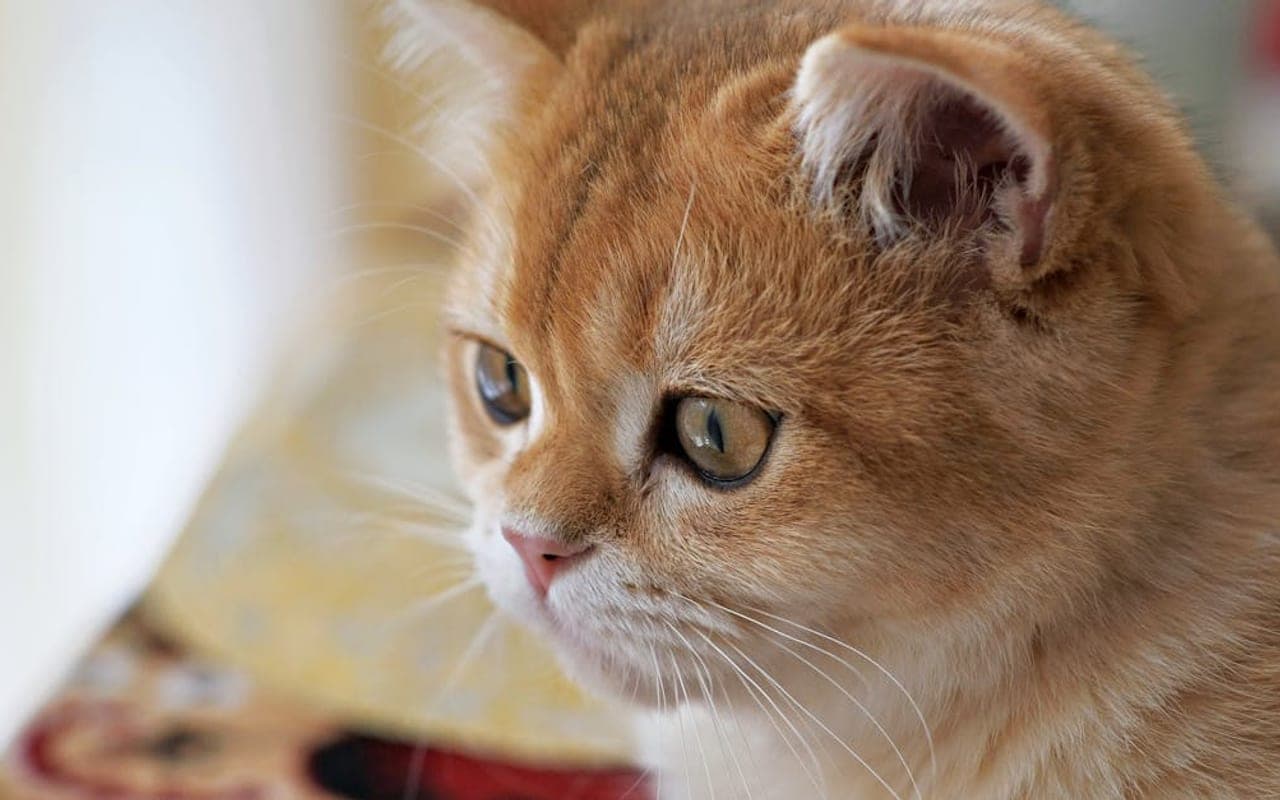
British Shorthair
Also in the Shorthair group, with different care and temperament tradeoffs.
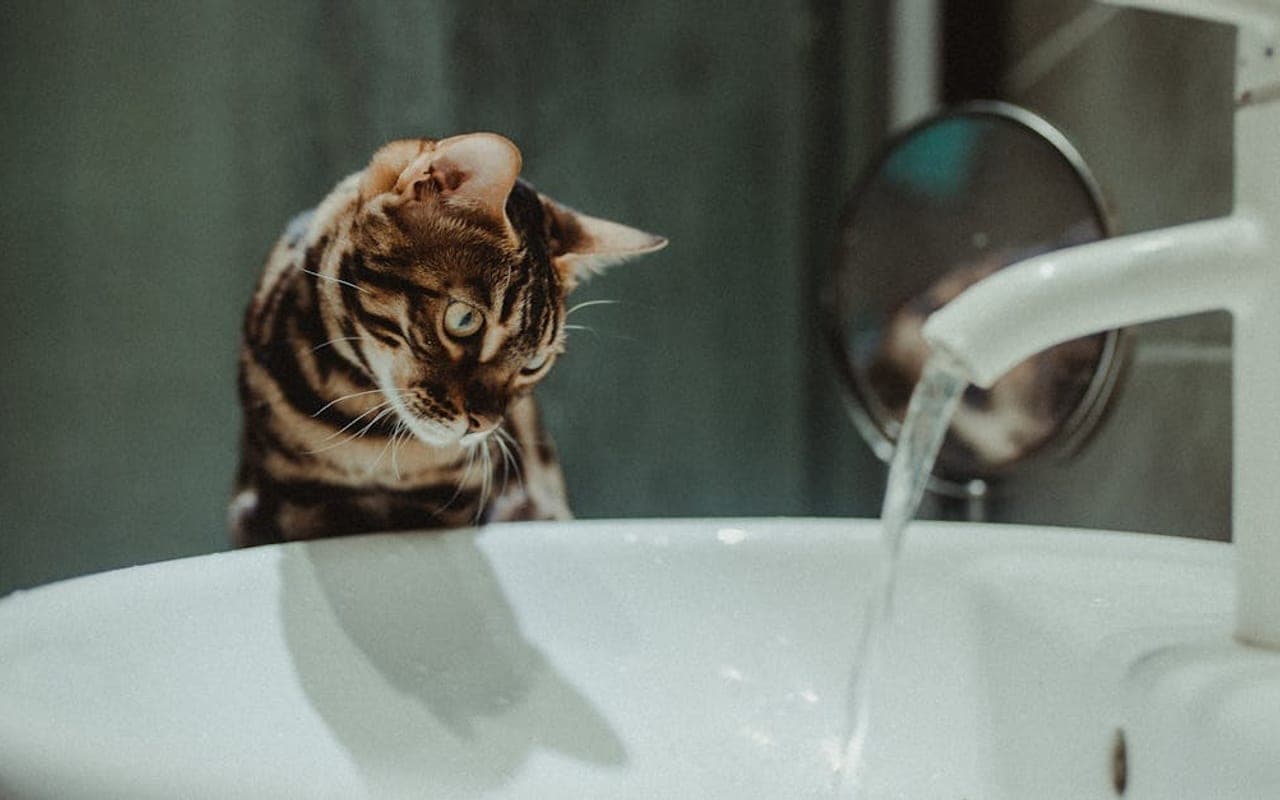
Bengal
Also in the Shorthair group, with different care and temperament tradeoffs.
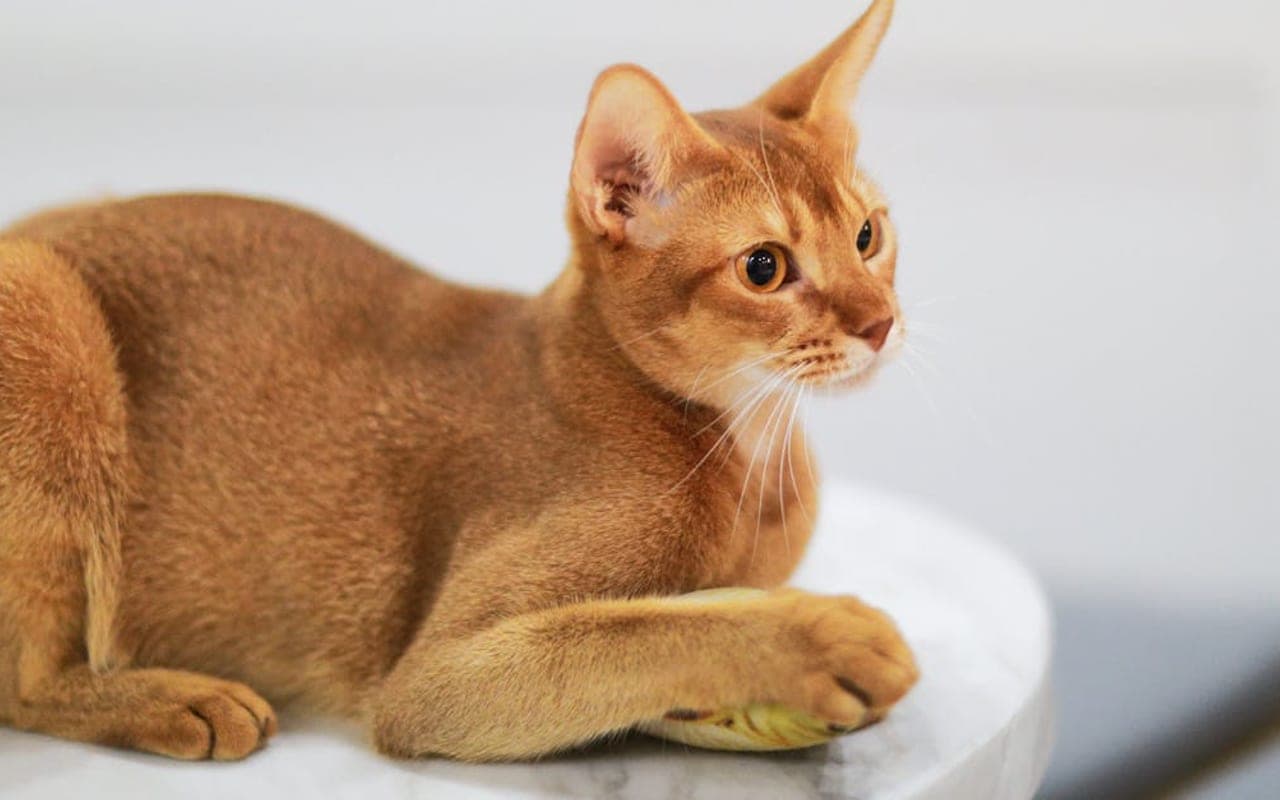
Abyssinian
Also in the Shorthair group, with different care and temperament tradeoffs.
Explore More About Ocicat
Dive deeper into everything Ocicat — costs, care, and expert insights.
Considering a dog instead?
Browse Dogs