
Rex group
Selkirk Rex
The Selkirk Rex is the curly-coated cat whose health you inherit from its outcross breeds — and that is the single most important thing to understand before buying one.
Size
7-15 lb
Lifespan
14-15 years
Play
15-30 minutes
Shedding
Low
Experience
Match to owner routine
Decision first
Is a Selkirk Rex right for you?
Start with fit before history or trivia. These are ownership signals, not guarantees about any individual cat.
Best suited for
- Households with children.
- Homes with other compatible pets.
- Apartment homes with a consistent routine.
- Owners seeking a manageable indoor routine with predictable care.
Think carefully if
- You need a cat with almost no daily routine.
- You cannot keep up with grooming and preventive care.
- The cat will spend most days without interaction or enrichment.
Conditional fit
Apartment fit depends on vertical space, litter setup, play, enrichment, and noise tolerance.
Daily reality
Selkirk Rex commitment snapshot
Daily play
15-30 minutes
Match play and enrichment to age, health, appetite, and household routine.
Coat care
Low
Grooming needs vary by coat, shedding, and lifestyle.
Social needs
Needs planning
Most cats still need predictable contact, enrichment, litter care, and monitoring.
Structured facts
Selkirk Rex at a glance
The measurements and traits that most affect day-to-day life with this breed.
Origin
United States
Group
Rex
Weight
7-15 lb
Height
9-12 in
Lifespan
14-15 years
Temperament
Active | Affectionate | Dependent | Gentle | Patient | Playful | Quiet | Social
View all characteristics and methodology
Lifestyle fit
- Apartment suitabilityWorks best with clean litter setup, vertical space, and daily enrichment.
- Likely fit
- Child friendliness
- Often good, with socialisation and supervision
- Other-pet fit
- Often compatible with careful introductions
- Adaptability
- Very high
Owner commitment
- Daily play
- 15-30 minutes
- Grooming
- Low
- Shedding
- Low
- Indoor enrichment
- Moderate
Behavior
- Affection
- Very high
- Energy
- Moderate
- Vocalization
- Moderate
- Social needs
- Moderate
Environment and health
- Intelligence
- Moderate
- Health risk
- Needs planning
- Weight sensitivity
- Routine monitoring
Ratings combine structured breed data, visible breed fields, and editorial context. They are planning aids, not predictions for an individual cat.
Daily life
Selkirk Rex temperament and behavior
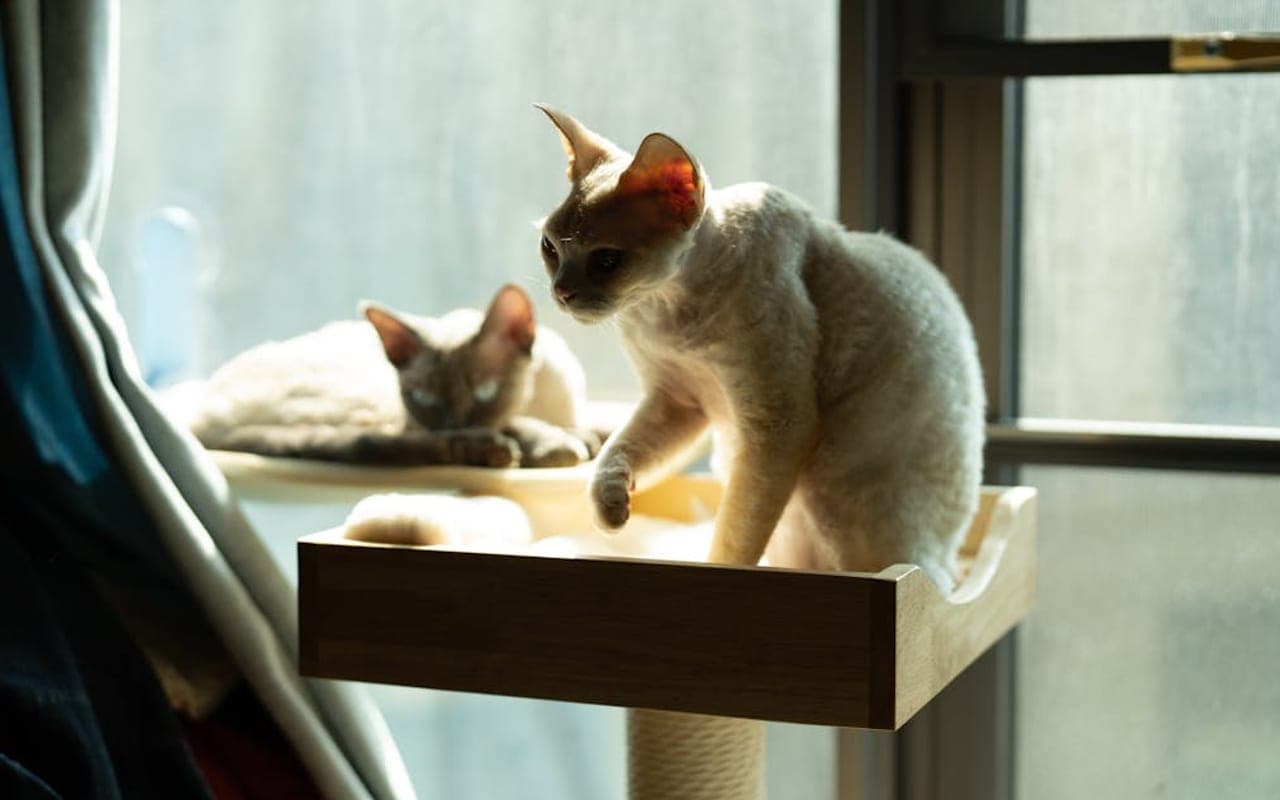
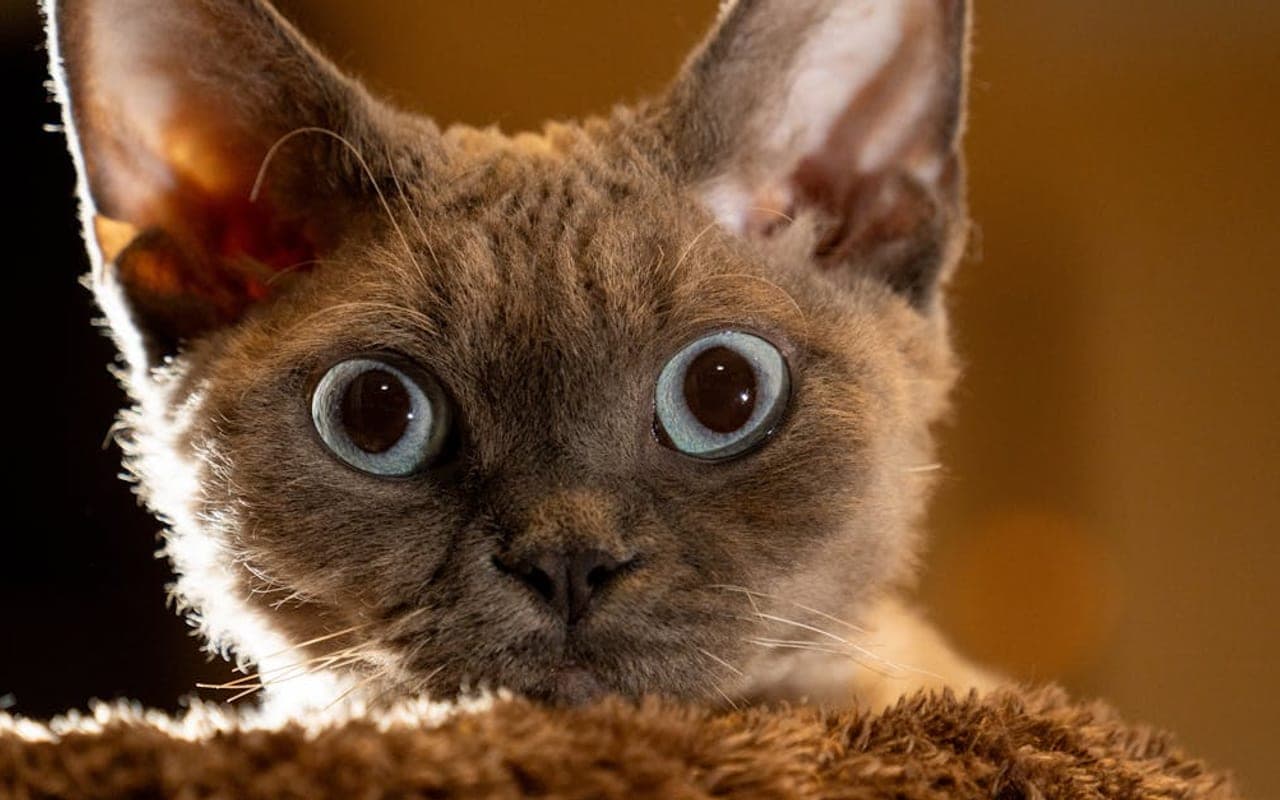
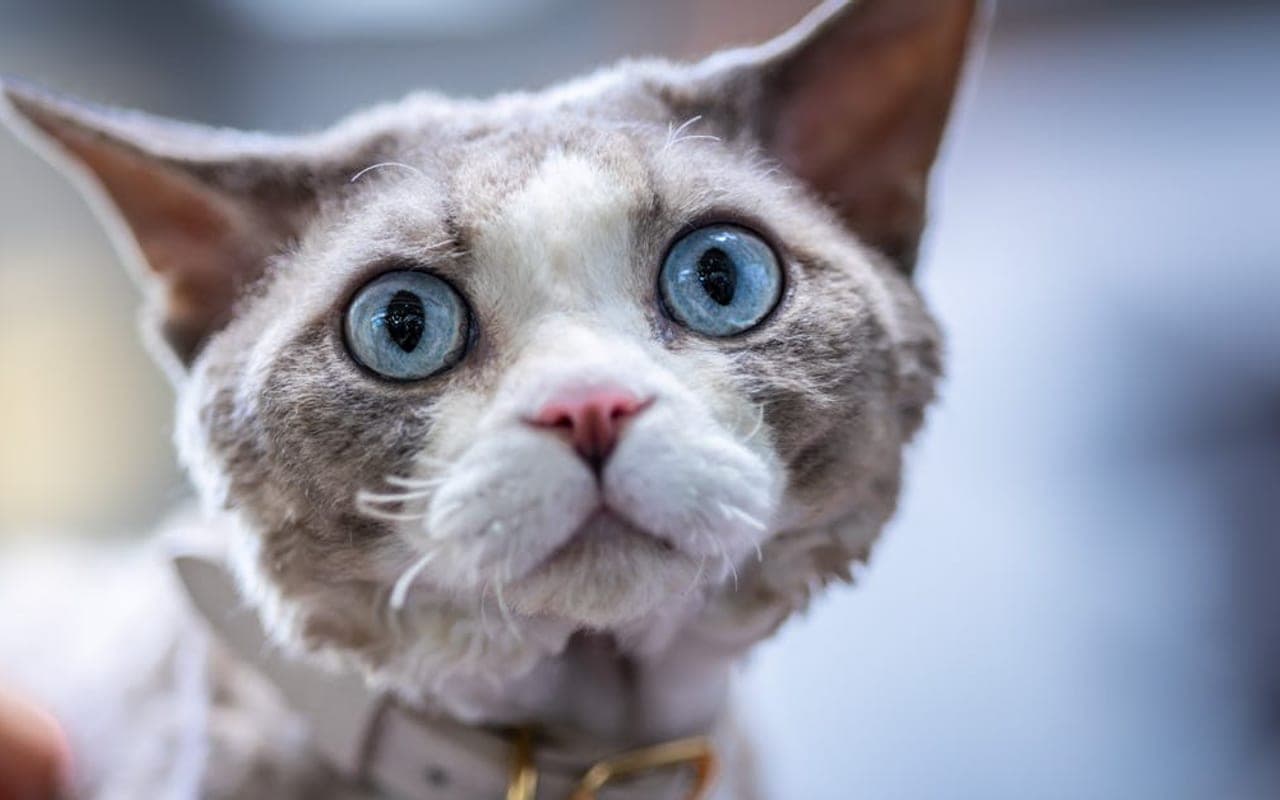
The Selkirk Rex is the curly-coated cat whose health you inherit from its outcross breeds — and that is the single most important thing to understand before buying one. Unlike the Cornish and Devon Rex, the Selkirk's curl comes from a dominant gene, and to keep the gene pool healthy the breed is regularly outcrossed to Persians, Exotic Shorthairs and British Shorthairs. That conformation and that outcrossing are exactly why a Selkirk's risk profile reads like its parent breeds', not like a 'rex.' You are not just choosing a curly cat; you are choosing the inherited diseases of Persians and British Shorthairs. Physically the Selkirk Rex is a heavy-boned, rounded, substantial cat — think a British/Persian-type body — covered in a soft, plush, randomly curled coat (curlier in the longhair; even the whiskers curl and can be brittle). Adults are typically 3-7 kg, with a sturdy, cobby build. Both shorthair and longhair varieties exist. Temperament is the easy part and a genuine strength: Selkirks are patient, tolerant, affectionate, mellow and a bit clownish. They are lap-oriented, quiet, good with children, dogs and other cats, and adapt well to apartments. They are not high-energy or demanding. The personality is low-maintenance; the coat and the inherited-health vigilance are not. Who the Selkirk Rex is right for: an owner who wants a calm, cuddly, easygoing cat and will commit to gentle coat care and — crucially — buy from a breeder who screens for PKD and HCM in the Persian/British outcross lines. Who it is wrong for: a buyer who treats 'rex' as low-maintenance and skips the parent-breed health questions. The curl is charming; the genetics behind it are the real decision.
Active | Affectionate | Dependent | Gentle | Patient | Playful | Quiet | Social
Active
A common Selkirk Rex temperament descriptor that should be interpreted alongside enrichment, handling, and household fit.
Affectionate
A common Selkirk Rex temperament descriptor that should be interpreted alongside enrichment, handling, and household fit.
Dependent
A common Selkirk Rex temperament descriptor that should be interpreted alongside enrichment, handling, and household fit.
Gentle
A common Selkirk Rex temperament descriptor that should be interpreted alongside enrichment, handling, and household fit.
Owner note
Temperament labels are starting points, not guarantees. Meet the individual cat and ask about behavior history whenever possible.
Care essentials
How to care for a Selkirk Rex
What looking after one actually involves: play, grooming, food, litter, and routine health.
ExerciseAs needed
- Moderately active breed that enjoys regular play sessions and exploration. Provide toys and occasional interactive games.
GroomingAs needed
- Low-maintenance coat requiring weekly brushing. Occasional bathing as needed.
NutritionAs needed
- Feed a high-quality cat food appropriate for their age and activity level. Maintain fresh water at all times. Monitor weight to prevent obesity.
SocializationAs needed
- Enjoys human company and interaction. Can tolerate some alone time but prefers regular companionship.
Veterinary CareAs needed
- Annual wellness exams, vaccinations, dental checkups, and parasite prevention. Spay/neuter recommended if not breeding.
Health planning
Selkirk Rex health risks and screening
Every cat breed has individual health variation. Use this profile for planning and discuss medical decisions with a veterinarian.
Responsible ownership
Finding a Selkirk Rex responsibly
What to ask a breeder or rescue is the same conversation for every breed, so we keep it in one place and keep it current.
Health documentation, meeting the parents or foster, contracts and return support, and the warning signs worth walking away from.
Original purpose
Selkirk Rex history
History is useful when it explains today's behavior, coat, exercise needs, and training style.
Read the breed history
The Selkirk Rex began in 1987 in Montana. A curly-coated kitten, later named Miss DePesto, appeared in a litter from a shelter cat in Sheridan and was placed with breeder Jeri Newman. Bred to a black Persian, Miss DePesto produced both curly and straight kittens, proving the curl was caused by a dominant gene — unlike the recessive curl mutations of the Cornish and Devon Rex. Newman named the breed after her stepfather (it is the only cat breed named for a person) and the surrounding Selkirk Mountains. A breeding program formalized the breed from 1990, and major registries recognized it through the 1990s. Critically for owners, the development relied on outcrossing to Persians, Exotic Shorthairs, British Shorthairs and Himalayans for healthy genetic diversity. That outcross history is not trivia — it directly determines the breed's inherited-disease profile, importing polycystic kidney disease, hypertrophic cardiomyopathy and hip dysplasia risk from those foundation breeds, which is why responsible Selkirk breeding is built around screening for exactly those conditions.
Gallery
Selkirk Rex photos
Images are cropped consistently and loaded progressively to keep the page responsive.
Lower-page context
Selkirk Rex cats in culture
Where the breed shows up in film, sport, work and folklore — the enjoyable part, once the practical questions are answered.
Fun facts
- The Selkirk Rex originated in United States.
- The Selkirk Rex is considered a hypoallergenic breed, producing fewer allergens than most cats.
- The Selkirk Rex is a true lap cat that loves to curl up with their owners.
- Selkirk Rex cats are exceptionally dog-friendly and can live harmoniously with canine companions.
Selkirk Rex FAQs
Is the Selkirk Rex low-maintenance because it is a 'rex'?
No — and assuming so is the central buying mistake. The Selkirk's curl comes from a dominant gene and the breed is regularly outcrossed to Persians, Exotic Shorthairs and British Shorthairs for diversity. That means it inherits those breeds' serious health risks — polycystic kidney disease, hypertrophic cardiomyopathy and hip dysplasia — not a mild 'rex' profile. The personality is genuinely easygoing, but the health vigilance and the breeder-screening questions are exactly as demanding as for a Persian. Judge it by its outcross genetics, not its coat type.
How do I groom a Selkirk Rex without ruining the curl?
Gently and infrequently — the opposite of most cat-coat advice. Aggressive or daily brushing pulls out the curl and leaves the coat frizzy or flat. Use a wide-tooth comb 1-2 times a week (slightly more for the longhair), scrunch rather than brush, bathe sparingly, and air-dry instead of blow-drying, which straightens the wave. Expect the curly whiskers to be brittle and sometimes break — that is normal and needs nothing. The coat is low-frequency but technique-sensitive: how you groom matters more than how often.
How long do Selkirk Rex cats live and what is the biggest health risk?
Selkirk Rex cats typically live 14-15 years and often longer with good breeding and care. The biggest single risk is polycystic kidney disease, inherited from the Persian/Exotic outcross lines, which can cause kidney failure around 7-10 years. It is also the most preventable risk, because a definitive DNA test exists. The practical takeaway: lifespan in this breed is largely set by whether the parents were PKD-tested and HCM-screened. Buying from screened lines is the highest-impact decision you make.
What health tests should a Selkirk Rex breeder provide?
Two are essential and specific. One: a DNA test for polycystic kidney disease on both parents — this is definitive, inexpensive, and there is no excuse for an unscreened line. Two: documented cardiologist echocardiogram screening of breeding cats for HCM, repeated over time since HCM can develop with age. Also reasonable to ask about hip-dysplasia history given the heavy outcross body type. A breeder who provides PKD DNA results and HCM echo records is managing the breed's real risks; vague 'healthy lines' language is the warning sign.
Are Selkirk Rex cats good for families and apartments?
Yes — temperament is the breed's strongest asset. Selkirks are patient, tolerant, mellow, affectionate and a little clownish; they are lap cats, relatively quiet, and generally good with respectful children, dogs and other cats. Their moderate energy and adaptability make them well suited to apartment living. The only real family caveat is supervising young children for gentle handling, as with any cat. The personality genuinely is family- and apartment-friendly; just do not let that easygoing nature distract you from the parent-breed health screening.
Why is the Selkirk Rex's health profile so similar to a Persian's?
Because genetically it partly is one. To keep the dominant curl gene in a healthy, diverse population, Selkirk breeding has relied on regular outcrossing to Persians, Exotic Shorthairs, Himalayans and British Shorthairs. Each outcross imports those breeds' inherited conditions — most importantly PKD and HCM, plus hip dysplasia and, in Persian-leaning lines, flat-faced complications. So the Selkirk's risk list mirrors its foundation breeds by design. Understanding that is what turns a generic 'is it healthy?' into the specific, useful questions you should actually ask the breeder.
Sources
These are the published sources this page draws on. Each opens in a new tab so you can check it yourself.
Cat Fanciers' Association
Selkirk Rex — breed standard and profile(opens in a new tab)Supports: Breed standard and recognition details.
Similar breeds to consider
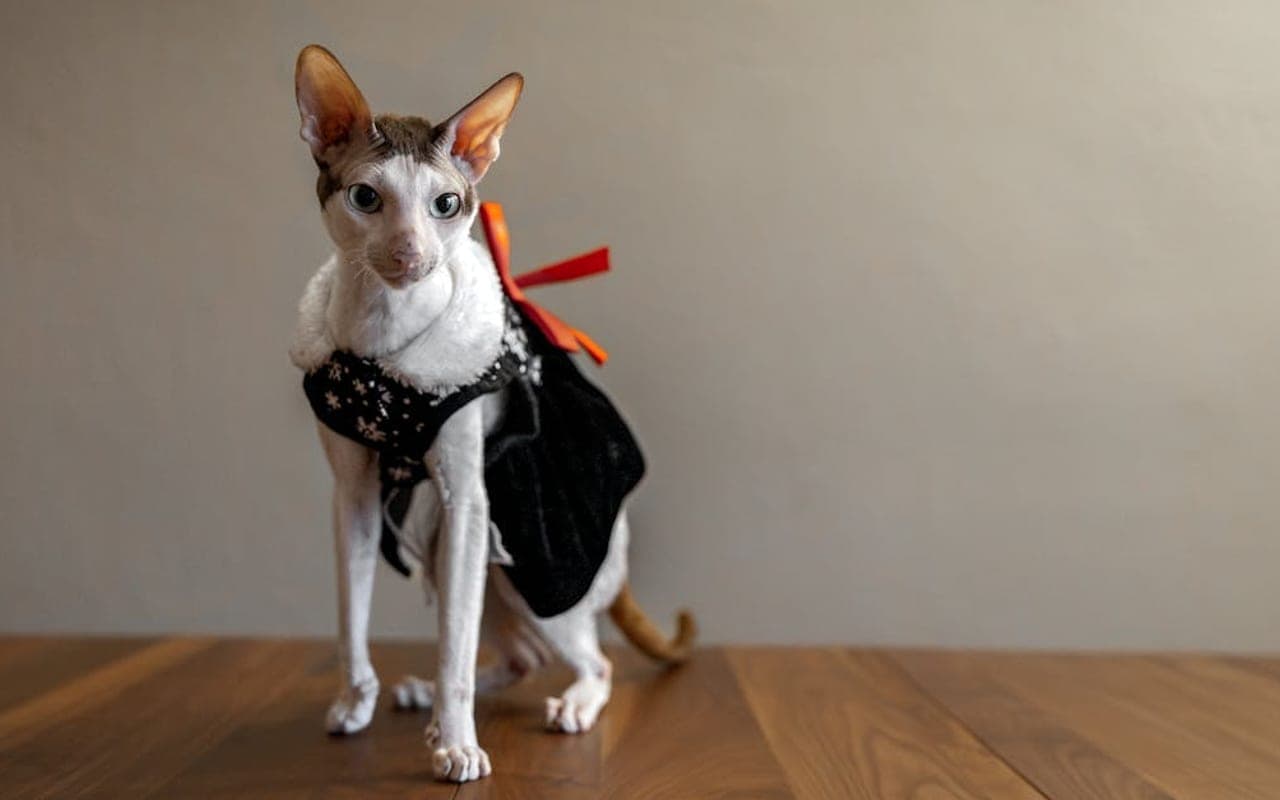
Cornish Rex
Also in the Rex group, with different care and temperament tradeoffs.
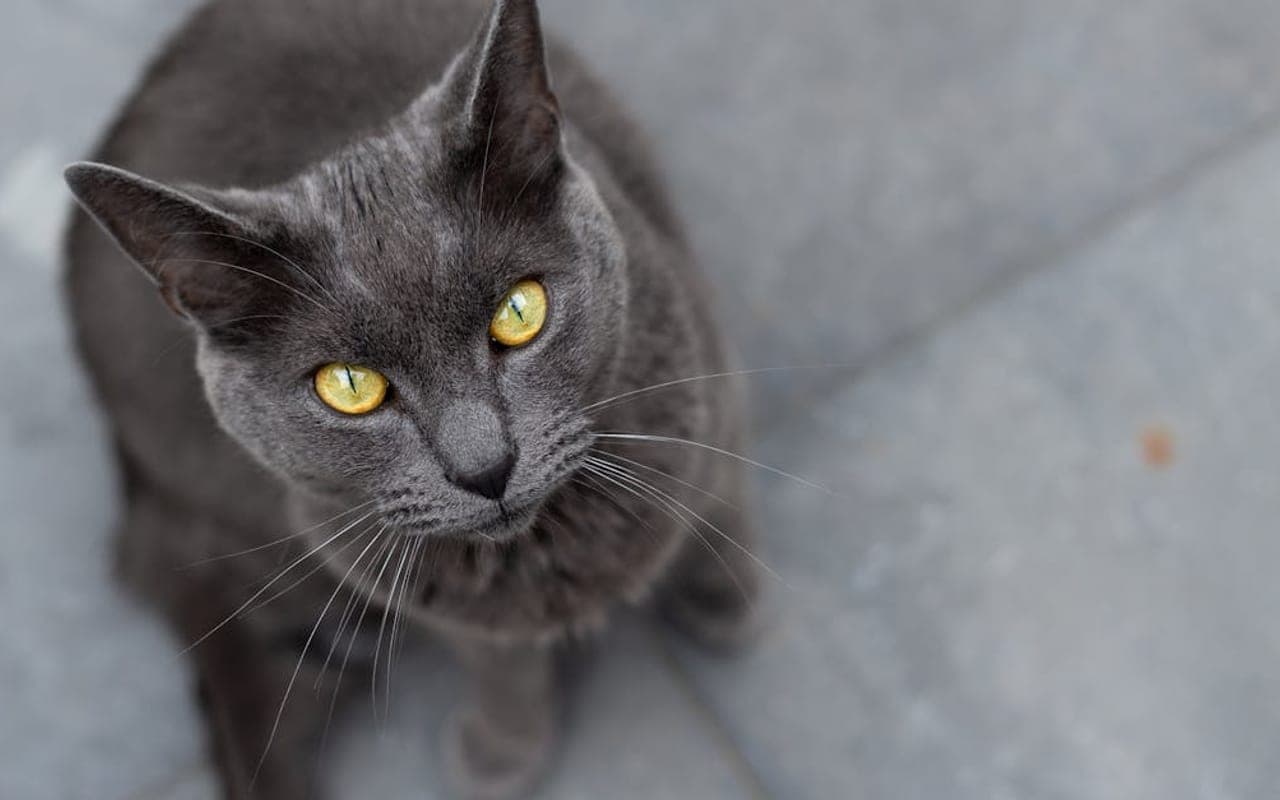
Chartreux
Also in the Rex group, with different care and temperament tradeoffs.
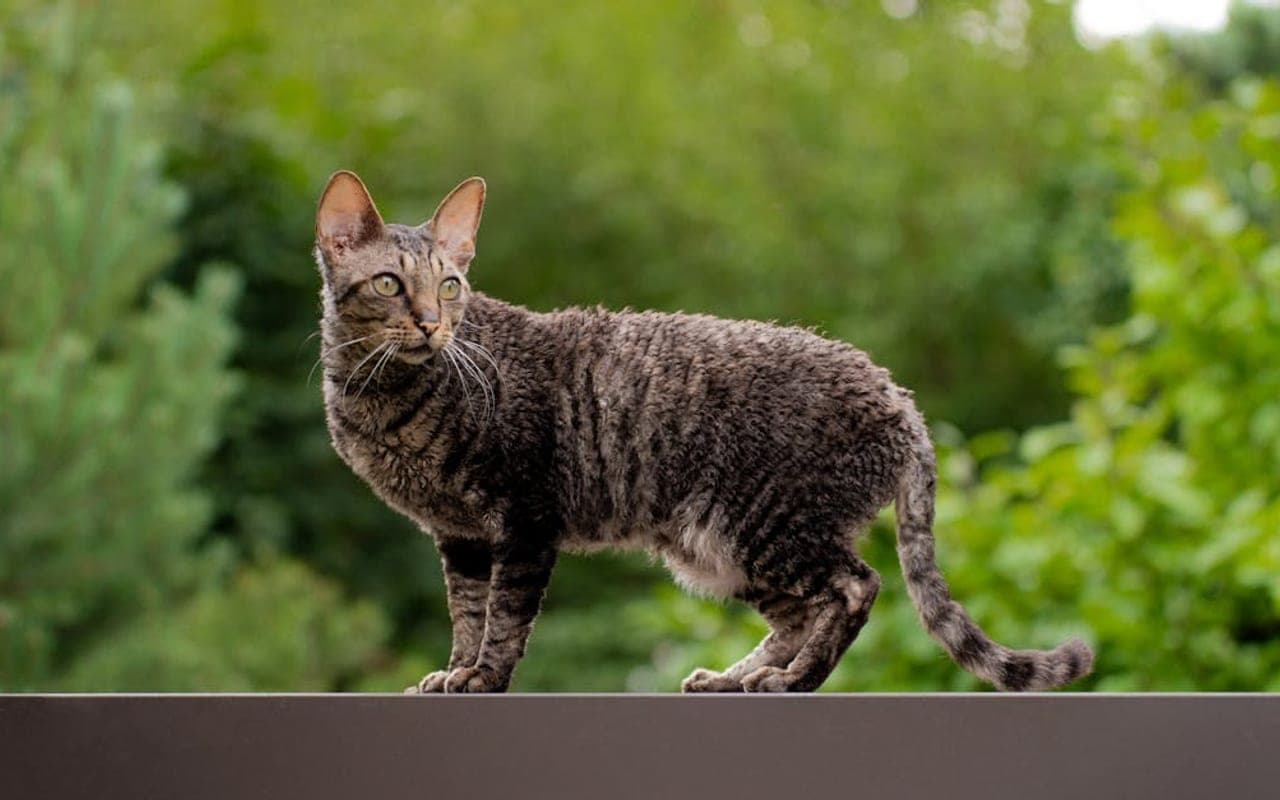
LaPerm
Also in the Rex group, with different care and temperament tradeoffs.
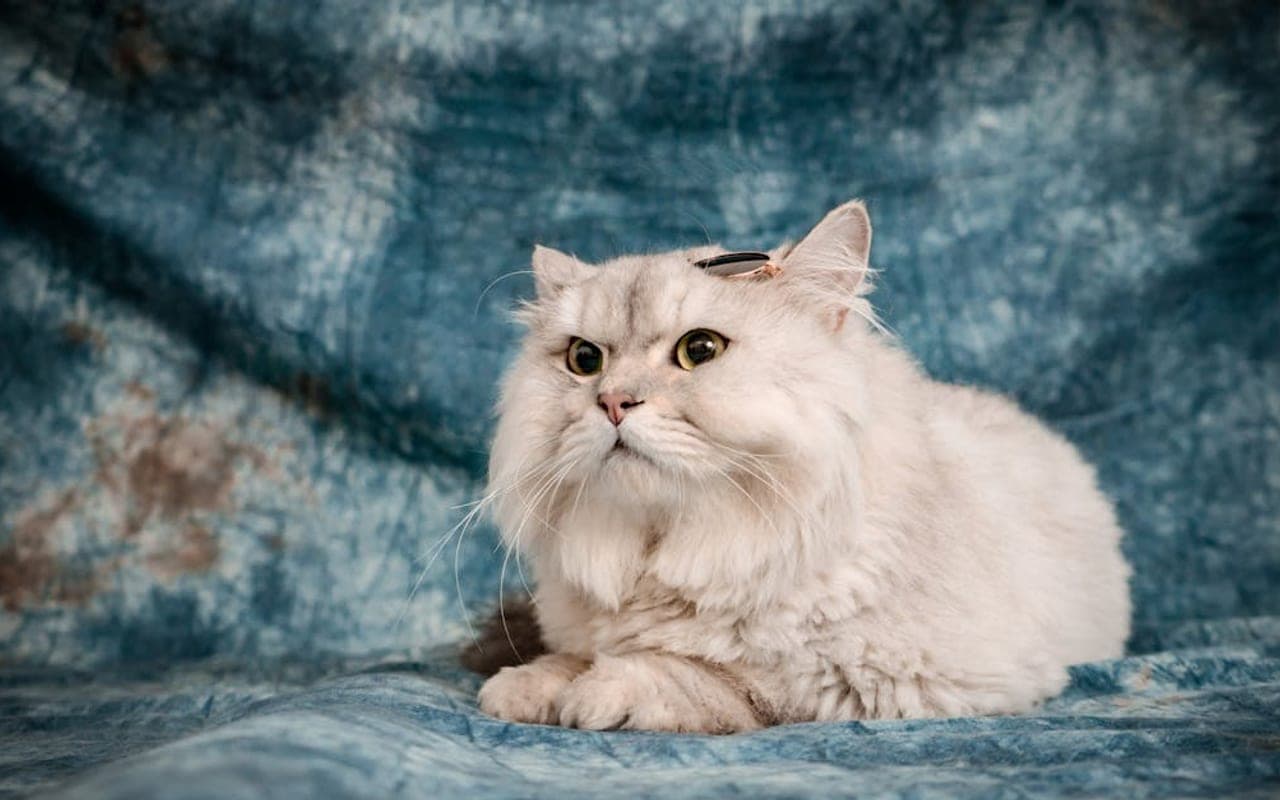
Persian
Compare size, exercise, grooming, and family fit before deciding.
Explore More About Selkirk Rex
Dive deeper into everything Selkirk Rex — costs, care, and expert insights.
Considering a dog instead?
Browse Dogs