
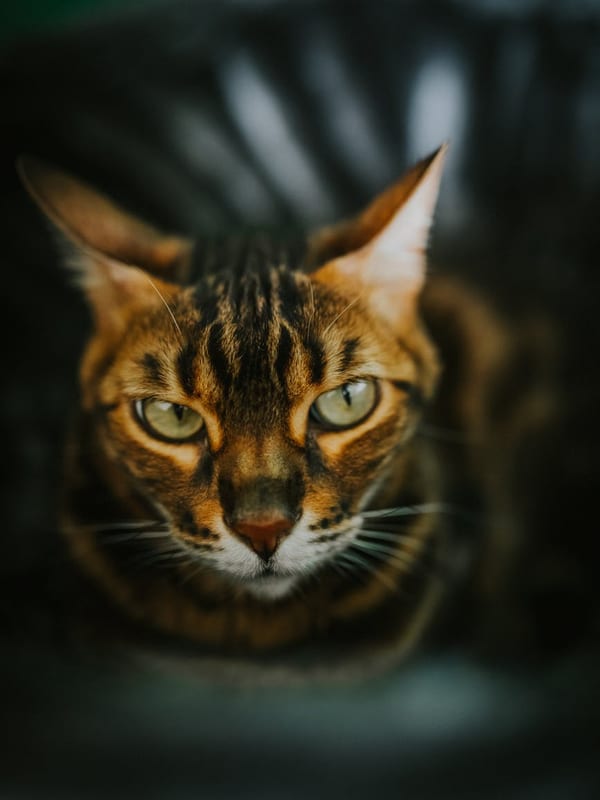
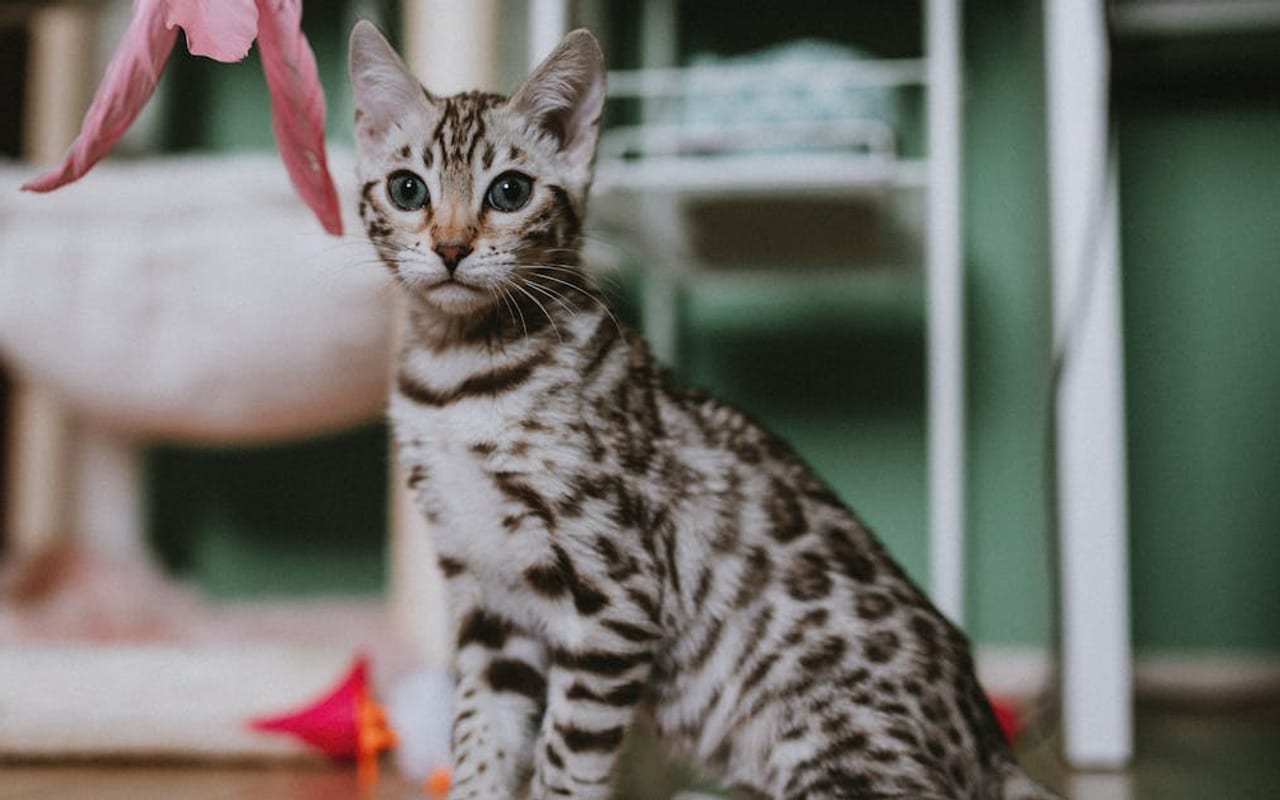
The Bengal is a medium, muscular shorthair cat (3-7 kg) created in the United States by crossing domestic cats with the wild Asian leopard cat to produce a domestic temperament wrapped in a wild-looking spotted or marbled 'glittered' coat.
Origin
🇺🇸 United States
Life Span
12–15 years
Weight
3.6–6.8 kg
Height
33–41 cm
The Bengal is a medium, muscular shorthair cat (3-7 kg) created in the United States by crossing domestic cats with the wild Asian leopard cat to produce a domestic temperament wrapped in a wild-looking spotted or marbled 'glittered' coat. The look sells the cat; the energy is what you actually live with, and an honest profile leads with the second thing. This is not a decorative cat. Bengals are among the most active, intelligent, and demanding…
very high
Exercise
low
Grooming
moderate
Shedding
Yes
Good with Kids
Yes
Good with Pets
Friendly
Apartment
The Bengal is a relatively young breed, developed in the United States from the 1960s onward and brought to a recognizable program by breeder Jean Mill, who crossed domestic cats with the Asian leopard cat (Prionailurus bengalensis). Early hybrids were continued partly to study feline leukemia resistance and partly to create a gentle pet with a wild appearance. Successive generations bred the wild ancestor's temperament out while keeping the dist…
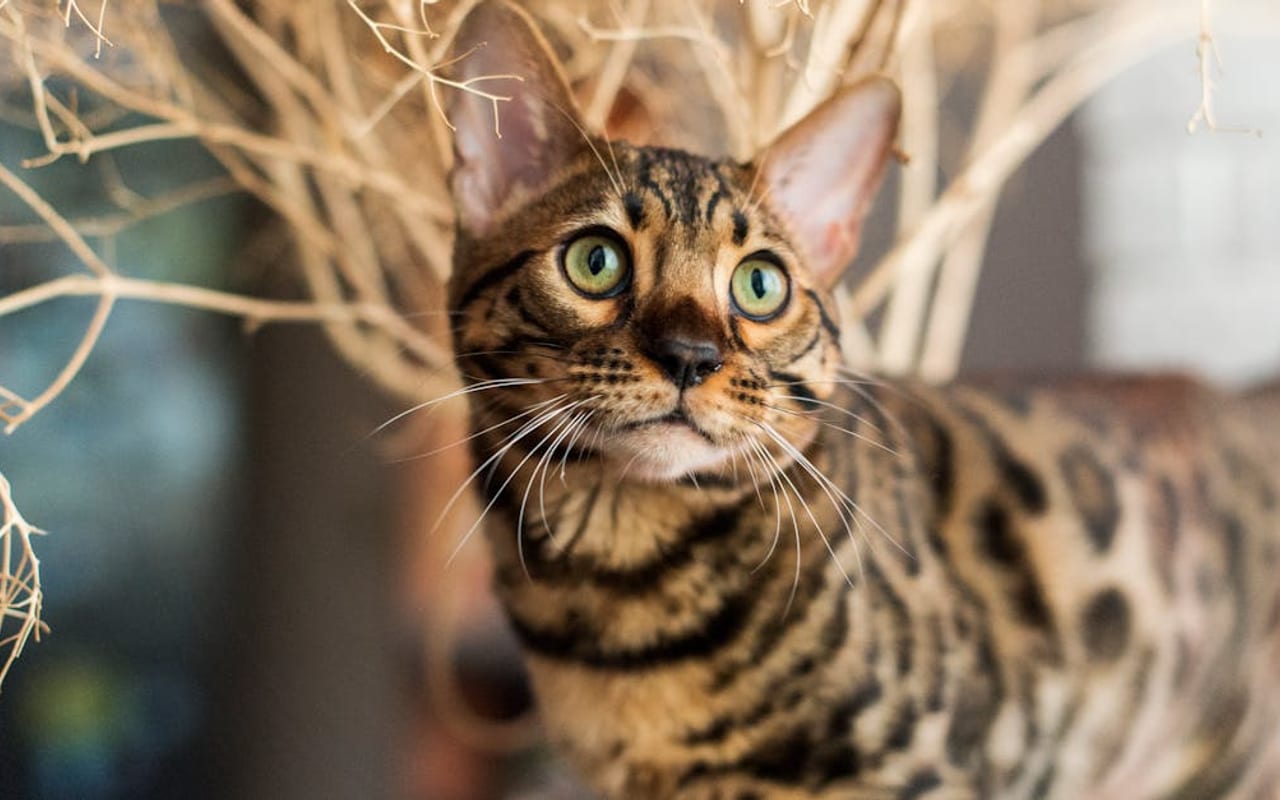
The Bengal originated in United States.
Bengal cats are considered one of the most intelligent cat breeds.
Bengal cats are known for being very vocal and communicative with their owners.
The Bengal is one of the most energetic and playful cat breeds.
The Bengal is considered a hypoallergenic breed, producing fewer allergens than most cats.
Bengal cats are exceptionally dog-friendly and can live harmoniously with canine companions.
Purchase Price
1000–10000 USD
Monthly Cost
~$90 USD
As an Amazon Associate, we earn from qualifying purchases made through these links, at no extra cost to you.
A Bengal costs $1,000–$10,000 to purchase from a reputable breeder, plus roughly $90/month in ongoing expenses — food, veterinary care, grooming, and insurance. Over a 12–15-year lifespan, total lifetime ownership cost runs $12,960–$16,200. Adopting from a rescue ($50–$500) reduces the upfront cost significantly. The first year is always the most expensive due to initial setup costs ($300–$800) on top of the purchase price.
Prices vary based on lineage, breeder reputation, location, and whether the Bengal is pet-quality or show-quality. Adopting from a rescue or shelter typically costs $50–$500 and gives a Bengal a second chance at a loving home.
| Expense | Estimated Range |
|---|---|
| Food & treats | $31–$41/mo |
| Veterinary care (wellness) | $18–$27/mo |
| Grooming | $9–$14/mo |
| Pet insurance | $30–$70/mo |
| Toys, supplies & misc | $7–$11/mo |
| Total monthly estimate | ~$90/mo |
Purchase
$1,000–$10,000
Initial setup
$300–$800
crate, bed, bowls, collar, leash
12 months care
~$1,080
This estimate includes routine food, veterinary wellness visits, grooming, insurance, and supplies — but does not include emergency veterinary care, boarding, or specialized training. Actual costs vary by location, lifestyle choices, and your Bengal's individual health needs.
All costs are approximate U.S. averages and vary by location, breeder, veterinary clinic, and individual needs. Updated March 2026.
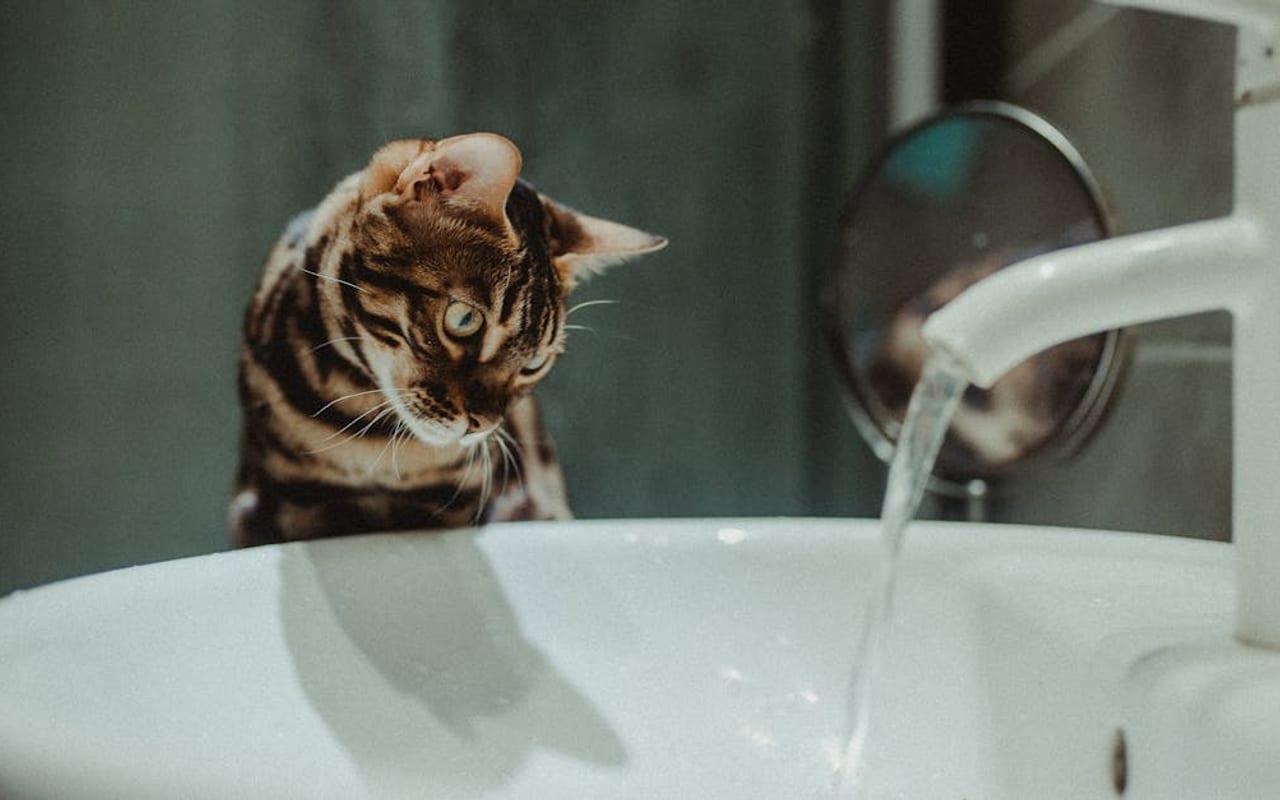
Bengal care is light on coat and heavy on stimulation, weight, and household management. Enrichment (the core job): budget two or more 15-20 minute interactive play sessions daily — wand toys, fetch, puzzle feeders, clicker tricks — plus tall cat trees and shelves, because Bengals are climbers who need vertical territory. Many enjoy water; a running tap or cat fountain doubles as enrichment. Skipping this is not 'spoiling'; an under-stimulated Bengal becomes destructive and loud, and that is the leading reason they are rehomed. Coat: the short, dense, glittered pelt is genuinely low-maintenance — a weekly brush or rubber-mitt pass is plenty, and they shed less than average. This is the easy part. Weight: lean and athletic by design; obesity worsens their heart and joint risks. Feed measured meals, favor activity over free-feeding, body-score monthly. Generation and legality: confirm the cat is SBT (4+ generations from the wild ancestor) for a normal home, and check local law — some areas restrict early-generation (F1-F3) Bengals. Vet: source from a breeder who echocardiogram-screens for HCM and DNA-tests for PRA-b and PK deficiency; ask for written results. Annual exams should include heart auscultation. Costs: pet-quality SBT kitten from a screening breeder typically $1,000-$3,000; rescues far less. Routine annual care $500-$1,000; budget $1,500-$4,000+ if HCM develops. Decision rule: if a Bengal shows fast or labored breathing, lethargy, or sudden hind-leg weakness, treat it as a same-day emergency — these are HCM warning signs, and early diagnosis materially changes the outcome.
Dive deeper into everything Bengal — costs, care, and expert insights.
How Much Does a Bengal Cost?
Purchase price, monthly costs, and lifetime expenses
Bengal Cat Care Guide: The Wild-Looking Companion
Bengals are a hybrid breed — created by crossing the Asian Leopard Cat with domestic shorthairs in...
Litter-Robot 4 vs. PetSafe ScoopFree: Is the $700 Automatic Box Actually Worth It?
Litter-Robot 4 costs far more up front, while PetSafe ScoopFree keeps the first purchase lower....
Indoor vs Outdoor Cats: How to Give Your Indoor Cat a Rich, Happy Life
The indoor-outdoor debate divides cat owners. Here's what the research says about safety and...
Why Does My Cat Knock Things Off Tables? (And How to Redirect It)
Your cat nudges your glass to the edge and stares at you. Here is what is really going on and how...
Considering a dog instead?
Browse Dogs Breeds


