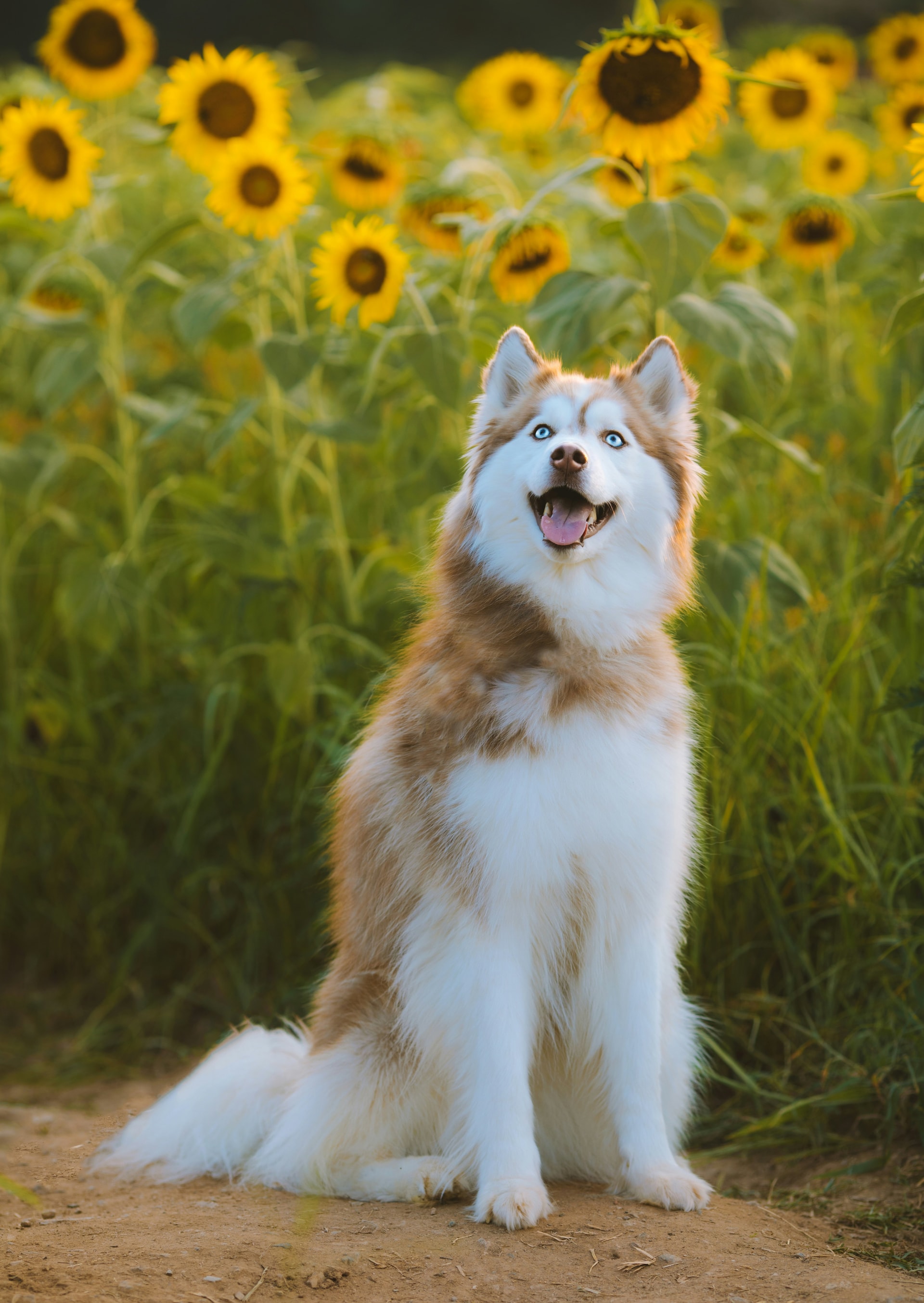
The Siberian Husky is a medium working dog (16-27 kg, 51-60 cm at the shoulder) bred by the Chukchi people of northeastern Siberia to pull light loads over enormous distances on almost no food.
Origin
🇷🇺 Siberia
Life Span
12–14 years
Weight
16–27 kg
Height
50–60 cm
The Siberian Husky is a medium working dog (16-27 kg, 51-60 cm at the shoulder) bred by the Chukchi people of northeastern Siberia to pull light loads over enormous distances on almost no food. Everything that frustrates Husky owners traces directly to that job description, and an honest profile leads with the trade-offs, not the blue eyes. This is a dog built to run away from you in a straight line for fifty miles. The recall instinct most bree…
very high
Exercise
high
Shedding
Yes
Good with Kids
The Siberian Husky was developed over millennia by the Chukchi people of the Chukotka Peninsula in northeastern Siberia as an endurance sled dog — a fast, light-eating hauler that let a semi-nomadic people travel and hunt across frozen tundra. The Chukchi bred for stamina, biddability within the team, and metabolic efficiency rather than size or guarding instinct, which is why the modern dog is friendly, lean, and famously poor at protecting a ho…


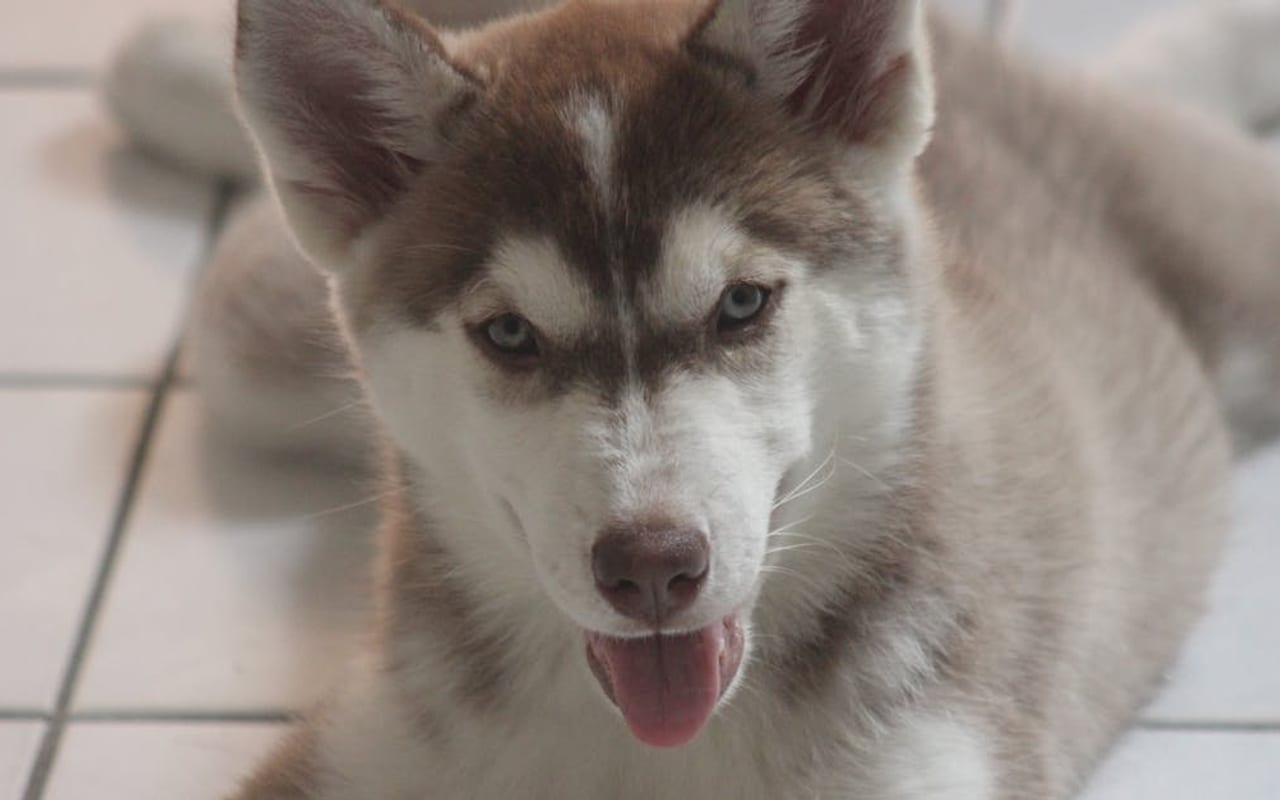
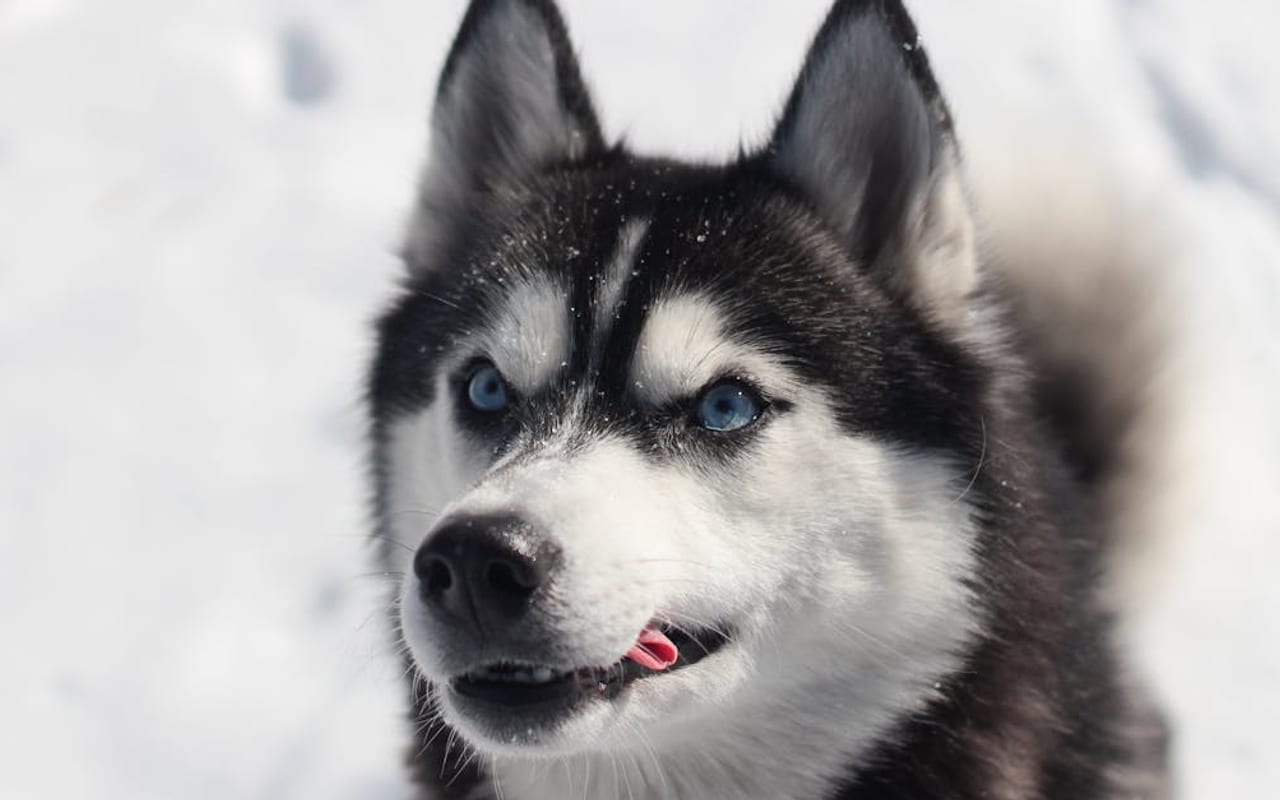
My Husky, Koda, has been an amazing addition to our active family. He joins us for hiking, running, and even canoe trips! The energy level is high but manageable with proper exercise.
Beautiful and intelligent dogs, but the shedding is intense! Be prepared for fur everywhere during blowing season. I love my Husky but wouldn't recommend the breed to neat freaks.
Luna is my third Husky, and she's as independent and clever as the others. These are not dogs for beginners! They test boundaries constantly but reward you with loyalty and personality.
Siberian Huskies often have striking blue eyes, though they can also have brown eyes, one of each color, or even parti-colored eyes.
Their thick double coat acts as excellent insulation, allowing them to work in temperatures as low as -60°F (-51°C).
The breed gained fame through the 1925 serum run to Nome, Alaska, where Huskies (including the famous Balto) relayed diphtheria antitoxin 674 miles to save the town.
Unlike many dogs, Huskies don't bark much – but they're very vocal with howls, whines, and 'talking'.
Siberian Huskies are notorious escape artists, known for digging under fences and learning to open gates.
Their friendly nature makes them poor guard dogs – they're more likely to welcome an intruder than bark at them!
Purchase Price
800–2500 USD
Monthly Cost
~$130 USD
As an Amazon Associate, we earn from qualifying purchases made through these links, at no extra cost to you.
A Siberian Husky costs $800–$2,500 to purchase from a reputable breeder, plus roughly $130/month in ongoing expenses — food, veterinary care, grooming, and insurance. Over a 12–14-year lifespan, total lifetime ownership cost runs $18,720–$21,840. Adopting from a rescue ($50–$500) reduces the upfront cost significantly. The first year is always the most expensive due to initial setup costs ($300–$800) on top of the purchase price.
Prices vary based on lineage, breeder reputation, location, and whether the Siberian Husky is pet-quality or show-quality. Adopting from a rescue or shelter typically costs $50–$500 and gives a Siberian Husky a second chance at a loving home.
| Expense | Estimated Range |
|---|---|
| Food & treats | $46–$59/mo |
| Veterinary care (wellness) | $26–$39/mo |
| Grooming | $13–$20/mo |
| Pet insurance | $30–$70/mo |
| Toys, supplies & misc | $10–$16/mo |
| Total monthly estimate | ~$130/mo |
Purchase
$800–$2,500
Initial setup
$300–$800
crate, bed, bowls, collar, leash
12 months care
~$1,560
This estimate includes routine food, veterinary wellness visits, grooming, insurance, and supplies — but does not include emergency veterinary care, boarding, or specialized training. Actual costs vary by location, lifestyle choices, and your Siberian Husky's individual health needs.
All costs are approximate U.S. averages and vary by location, breeder, veterinary clinic, and individual needs. Updated March 2026.
Husky care is dominated by three line items: exercise, the fence, and the coat. Exercise: budget 60-120 minutes of hard activity daily — running, hiking, canicross, skijoring, or a long fast bike-run. A leashed neighborhood stroll does not touch a sled dog's tank. Under-exercised Huskies become destructive, not 'naughty'; the digging and escaping are symptoms, not personality. Containment: a Husky yard needs a minimum 6-foot fence, dig-proofed with buried wire or a concrete footer, because Huskies tunnel and climb. This is a real upfront cost ($1,500-$4,000 for proper fencing) and skipping it is the number-one way owners lose these dogs. Coat: a dense double coat that sheds year-round and 'blows' completely twice a year. Brush weekly, then daily for 2-3 weeks each spring and autumn with an undercoat rake. Never shave a Husky — the double coat regulates both heat and cold, and shaving wrecks it. Expect fur on everything; this breed is wrong for fastidious households. Heat: built for -60°C, poorly built for summer. Exercise at dawn/dusk in hot climates and watch for overheating. Weight: keep two ribs-just-felt lean; obesity worsens hip and eye problems. Two measured meals; this is an efficient breed that needs less food than its energy suggests. Lifespan 12-14 years. Annual cost typically $1,500-$3,000 including food, grooming, and routine vet, before any health issue. Decision rule: if you cannot guarantee a secured fence and a daily hour of real exercise for the next 14 years, choose a different breed — a contained, exercised Husky thrives; an under-provided one ends up rehomed.
Dive deeper into everything Siberian Husky — costs, care, and expert insights.
How Much Does a Siberian Husky Cost?
Purchase price, monthly costs, and lifetime expenses
Siberian Husky Care Guide
## Siberian Husky Overview: The Arctic Sled Dog That Rewrites Escape Artistry The Siberian Husky...
ChomChom Roller Review: Best Reusable Pet Hair Remover?
The ChomChom Roller is a simple reusable pet hair remover for couches, bedding, and car seats. See...
Best Pet Grooming Vacuums for Heavy Shedders: The War on Pet Hair
Heavy-shedding dogs and cats can overwhelm a home fast. Compare pet grooming vacuums, undercoat...
How Often Should You Really Bathe Your Dog?
Bathing too often can harm your dog's skin. Here is how to find the right frequency for your dog's...
Considering a cat instead?
Browse Cats Breeds