
Hound group
Bluetick Coonhound
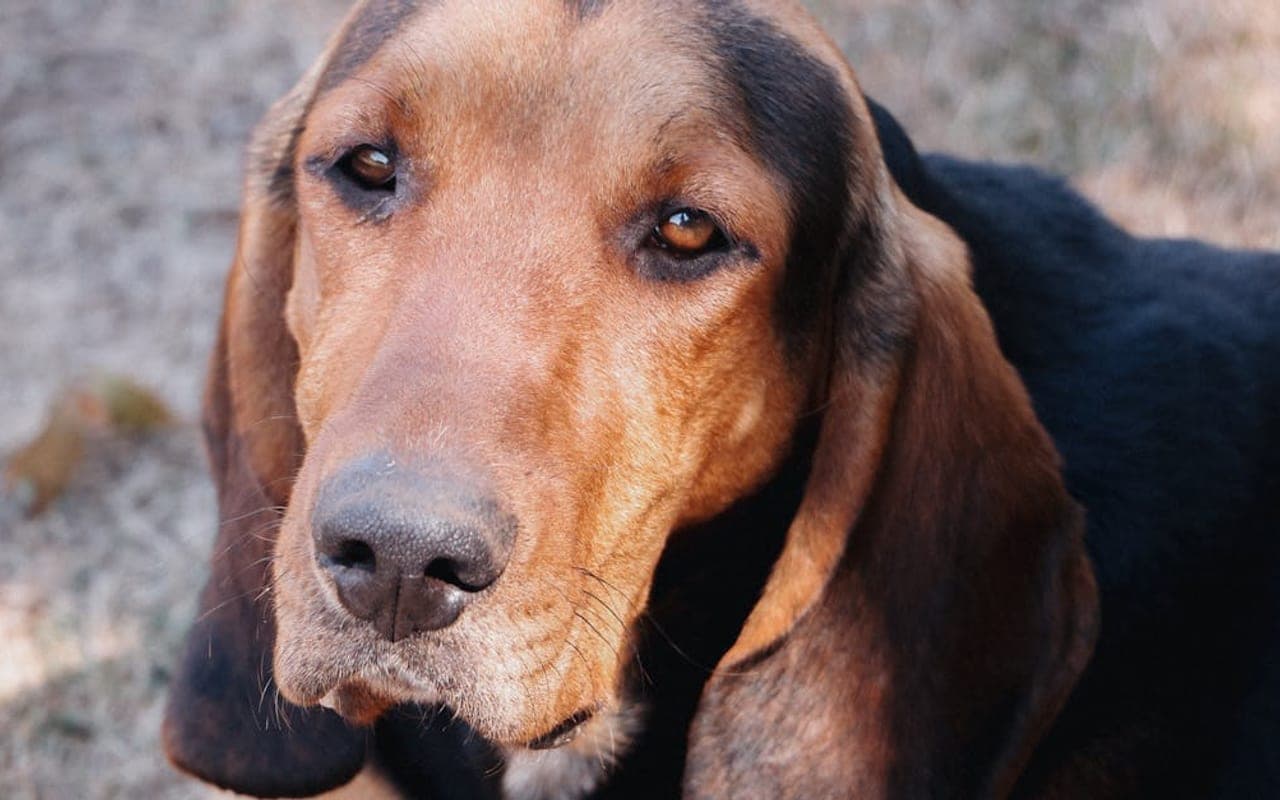
The Bluetick Coonhound is an American scenthound bred to trail and tree raccoons and other game at night, often for hours, over rough country, working independently and a long way from the hunter.
Size
44-79 lb
Lifespan
11-12 years
Exercise
30-60 minutes
Shedding
Moderate
Experience
Match to owner routine
Decision first
Is a Bluetick Coonhound right for you?
Start with fit before history or trivia. These are ownership signals, not guarantees about any individual dog.
Best suited for
- Households with children.
- Homes with other compatible pets.
- Apartment homes with a consistent routine.
- Owners seeking a manageable daily exercise routine.
Think carefully if
- You need a dog with almost no daily routine.
- You cannot keep up with grooming and preventive care.
- The dog will spend most days alone without support.
Conditional fit
Apartment fit depends on exercise, enrichment, noise management, and outdoor access.
Daily reality
Bluetick Coonhound commitment snapshot
Daily exercise
30-60 minutes
Match activity to age, health, weather, and training goals.
Coat care
Moderate
Grooming needs vary by coat, shedding, and lifestyle.
Time alone
Needs planning
Most dogs need gradual alone-time conditioning and support.
Structured facts
Bluetick Coonhound at a glance
The measurements and traits that most affect day-to-day life with this breed.
Group
Hound
Weight
44-79 lb
Height
21-27 in
Lifespan
11-12 years
Temperament
Smart | Devoted | Tenacious
View all characteristics and methodology
Lifestyle fit
- Apartment suitability
- Likely fit
- Child friendliness
- Often good, with socialisation and supervision
- Other-pet fit
- Often compatible with careful introductions
Owner commitment
- Exercise
- 30-60 minutes
- Grooming
- Moderate
- Shedding
- Moderate
- Training
- Moderate
Environment and health
- Health risk
- Needs planning
Ratings combine structured breed data, visible breed fields, and editorial context. They are planning aids, not predictions for an individual dog.
Daily life
Bluetick Coonhound temperament and behavior
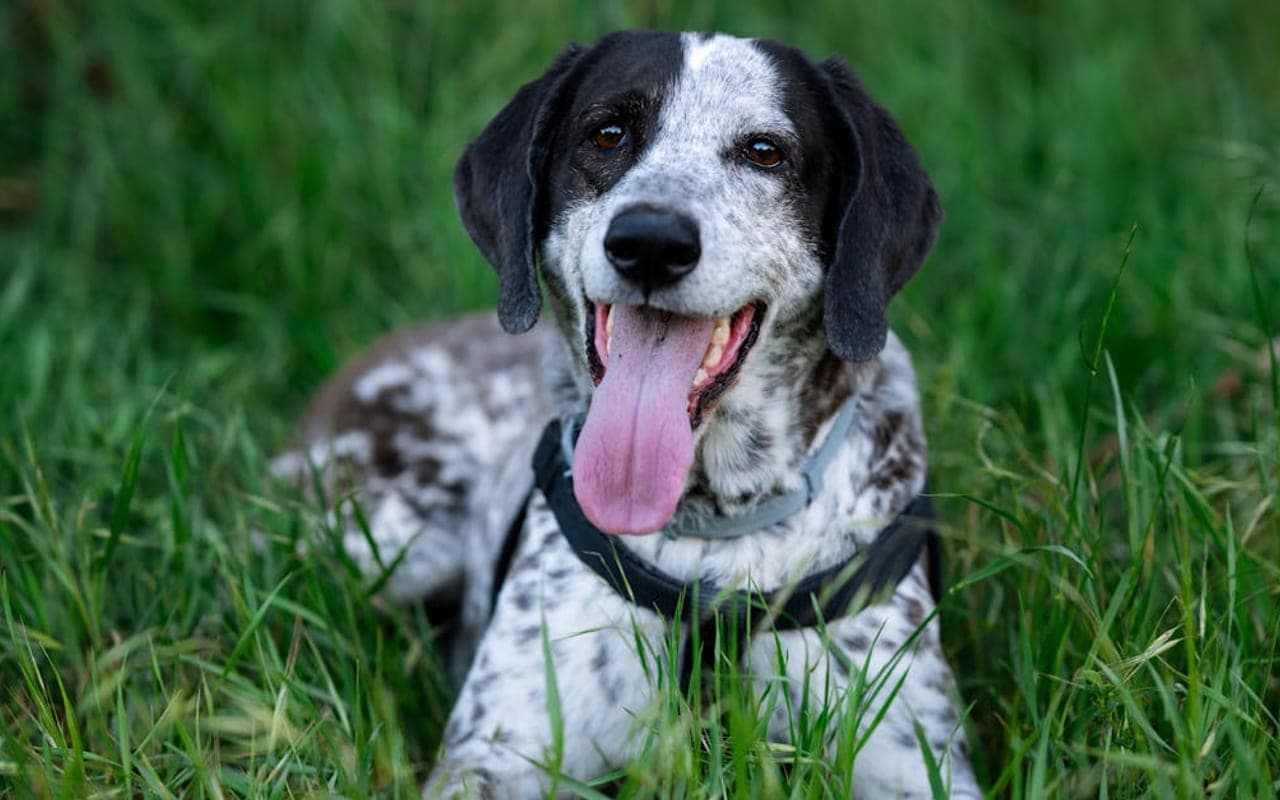
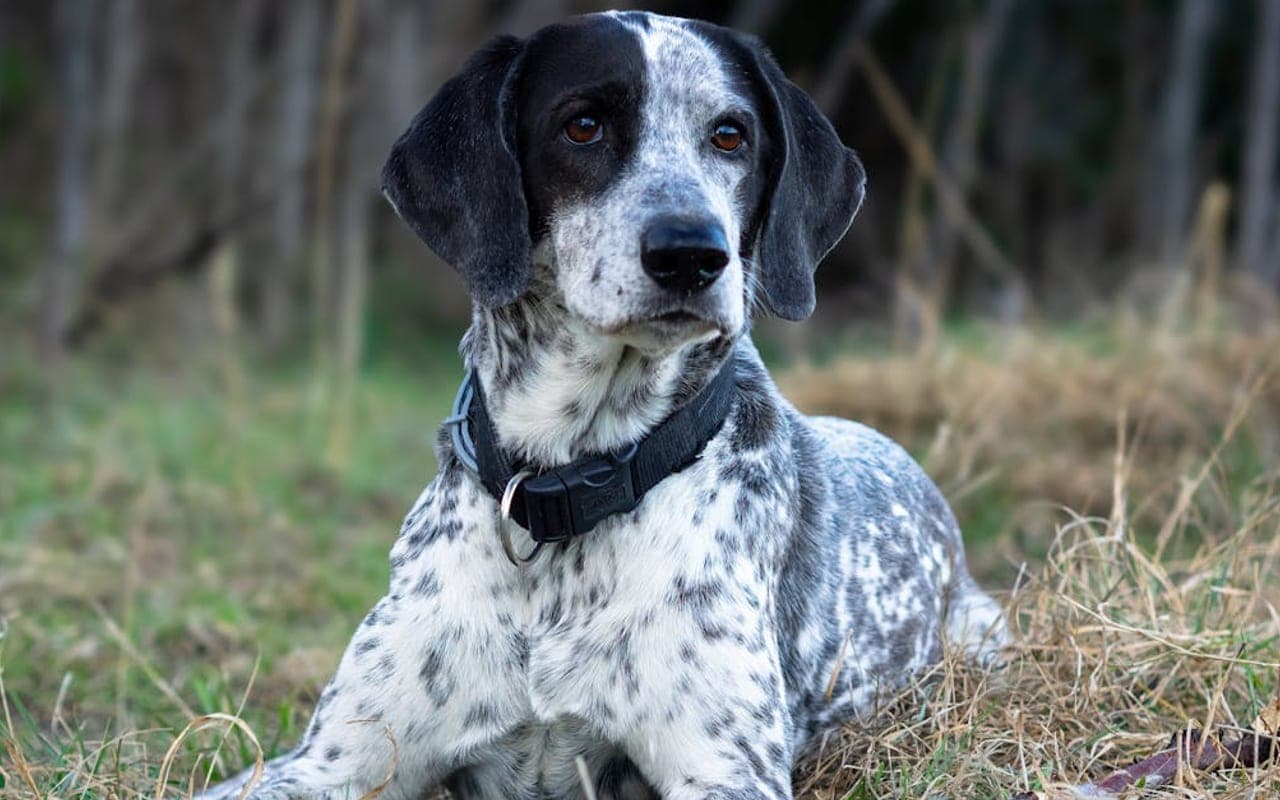
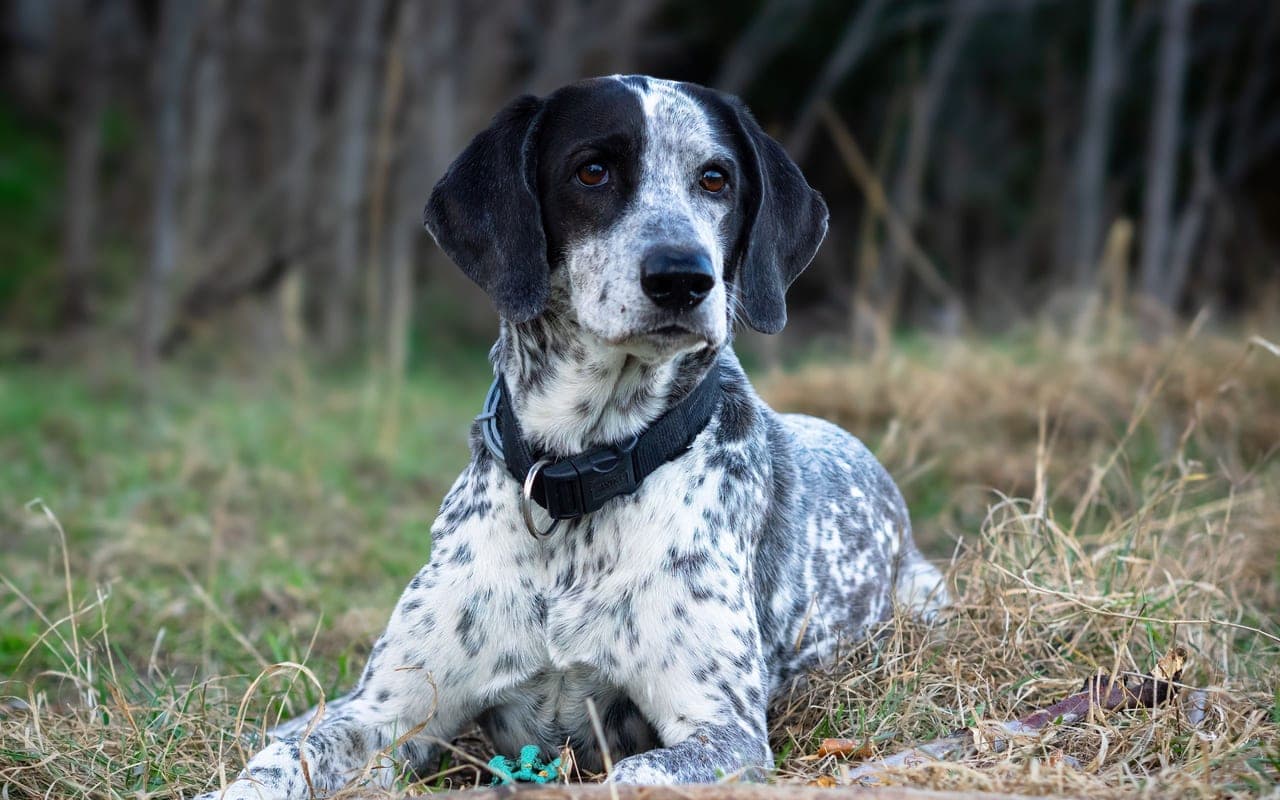
The Bluetick Coonhound is an American scenthound bred to trail and tree raccoons and other game at night, often for hours, over rough country, working independently and a long way from the hunter. Every defining trait comes from that job. The 'bluetick' name describes the dense black mottling (ticking) on a white coat that reads as blue; a large male stands up to ~27 inches and 80 pounds, females smaller and lighter — sleek and racy, never heavy. What the breed actually is, beneath the affectionate, droopy-eared charm: a relentless, cold-nosed tracking machine with an extreme prey drive and one of the loudest, most carrying voices in dogdom — a baying, bawling 'bawl mouth' that is musical to a coon hunter and a serious problem in a suburban backyard. Blueticks are devoted, sweet, and affectionate with their family, generally good-natured with children and other hounds, and notably stubborn to train because they were bred to follow their nose and ignore the handler. Who the Bluetick Coonhound is right for: a hunter, or an active rural/exurban owner with a securely fenced yard, tolerant or distant neighbors, time for 60-90+ minutes of daily exercise, and patience for slow, reward-based, scent-respecting training. Who it is wrong for: apartment dwellers, close-neighbor suburbs, owners who want off-leash reliability, or anyone who keeps cats, rabbits, or chickens loose. The voice and the nose are not flaws to train away — they are the breed. Decide whether your living situation can absorb both before you fall for the ears.
Smart | Devoted | Tenacious
Smart
A common Bluetick Coonhound temperament descriptor that should be interpreted alongside training, exercise, and household fit.
Devoted
A common Bluetick Coonhound temperament descriptor that should be interpreted alongside training, exercise, and household fit.
Tenacious
A common Bluetick Coonhound temperament descriptor that should be interpreted alongside training, exercise, and household fit.
Owner note
Temperament labels are starting points, not guarantees. Meet the individual dog and ask about behavior history whenever possible.
Care essentials
How to care for a Bluetick Coonhound
What looking after one actually involves: exercise, grooming, food, training, and routine health.
ExerciseAs needed
- Moderately active breed needing 30-60 minutes of daily exercise through walks, play, and mental stimulation.
GroomingAs needed
- Regular grooming needed — brush 2-3 times per week and bathe monthly.
TrainingAs needed
- Moderately trainable — consistent, patient training with positive methods works best.
NutritionAs needed
- Feed a high-quality dog food appropriate for their age, size, and activity level. Monitor portions to prevent obesity.
Veterinary CareAs needed
- Annual wellness exams, core vaccinations, dental care, and parasite prevention. Breed-specific health screenings as recommended by your vet.
Health planning
Bluetick Coonhound health risks and screening
Every breed has individual health variation. Use this profile for planning and discuss medical decisions with a veterinarian.
Responsible ownership
Finding a Bluetick Coonhound responsibly
What to ask a breeder or rescue is the same conversation for every breed, so we keep it in one place and keep it current.
Health documentation, meeting the parents or foster, contracts and return support, and the warning signs worth walking away from.
Original purpose
Bluetick Coonhound history
History is useful when it explains today's behavior, coat, exercise needs, and training style.
Read the breed history
The Bluetick Coonhound is a distinctly American breed, developed in the United States — with strong roots in Louisiana and the broader South — primarily from the English Foxhound, the 'Grand Bleu de Gascogne' (a French scenthound prized for cold-nose tracking), and other foxhound and coonhound stock. It was bred for one purpose: trailing and treeing raccoon (and game such as boar, bobcat, and bear) at night, holding the quarry up a tree by voice until the hunter arrived. For years Blueticks were registered alongside the English Coonhound; American breeders who wanted to preserve the cold-nosed, slower, more deliberate tracking style and the heavy ticked coat split them off, and the United Kennel Club recognized the Bluetick Coonhound as a separate breed in 1946. The American Kennel Club recognized it in 2009. The hunting origin is the whole explanation for the modern dog: the booming voice was selected to carry through forest at night, the independence to work far from the handler, and the nose and stamina to stay on a cold track for hours.
Gallery
Bluetick Coonhound photos
Images are cropped consistently and loaded progressively to keep the page responsive.
Lower-page context
Bluetick Coonhounds in culture
Where the breed shows up in film, sport, work and folklore — the enjoyable part, once the practical questions are answered.
Fun facts
- The Bluetick Coonhound belongs to the Hound Group.
- The average lifespan of a Bluetick Coonhound is 11 to 12 years.
- Bluetick Coonhound dogs are valued for their smart, devoted, tenacious nature.
Bluetick Coonhound FAQs
How long do Bluetick Coonhounds live?
A healthy Bluetick Coonhound typically lives 11-12 years, a fairly normal span for a large, athletic hound. The events most likely to shorten it are bloat (gastric torsion), which is sudden and fatal without immediate surgery, and joint disease from dysplasia in an active dog. Owners who feed split meals, keep weight controlled, and stay alert to the bloat warning signs give their hound the best shot at a full, sound life.
Are Bluetick Coonhounds good with children?
Generally yes — Blueticks are affectionate, good-natured, and patient, and most do well with children, especially in active families. Two caveats: they are large, exuberant dogs that can knock over toddlers without meaning harm, so supervision matters; and their intense prey drive means caution around small family pets rather than children. They bond closely and are devoted companions, but they are emotionally sensitive to being isolated, so they do best where the family is around and engaged.
How loud is a Bluetick Coonhound, really?
Very. The Bluetick was bred to bay, bawl, and 'chop' loudly enough to be heard through forest at night, and that voice is used freely — when excited, on a scent, when bored, and when left alone. This is not trainable into silence; it is the defining feature of the breed. It is the single biggest reason Blueticks are wrong for apartments and close-neighbor suburbs. Realistic owners pick a living situation that can absorb the noise and manage it with exercise and engagement rather than expecting a quiet dog.
Can a Bluetick Coonhound be off-leash?
Not reliably, and you should plan around that permanently. The breed was specifically selected to lock onto a scent and follow it for miles, ignoring the handler — recall failure is a feature of the working dog, not a training gap. A Bluetick that hits an interesting track will go deaf to you and can travel a long way fast. The practical rules: a securely fenced yard and a leash or long line anywhere unfenced. Scent-sport venues and tracking work are the safe ways to let the nose do its job.
Why does bloat matter so much for this breed?
Bluetick Coonhounds are deep-chested, which is the main anatomical risk factor for gastric dilatation-volvulus (bloat) — the stomach fills with gas and rotates, cutting off circulation and going fatal within hours without emergency surgery. It matters because it is common in this body type, fast, and lethal, but also partly preventable: feed two or more measured meals a day instead of one large one, avoid vigorous exercise right before and after eating, slow down fast eaters, and discuss a preventive gastropexy with your vet. Learn the signs — hard swollen belly, unproductive retching, restlessness — and treat them as a same-hour emergency.
How much does a Bluetick Coonhound cost?
Expect roughly $500-$1,200 for a Bluetick puppy from a working or show breeder; rescue/rehome adoption (the breed is over-represented in shelters) is often $100-$400. The hidden costs are recurring: chronic ear infections in those heavy ears can run $200-$500+ a year, and a single bloat surgery can run $3,000-$7,000+ — which is why a preventive gastropexy and split-meal feeding are cost decisions, not just medical ones. Hip and eye clearances on the parents are the cheapest insurance against the expensive structural problems.
Sources
These are the published sources this page draws on. Each opens in a new tab so you can check it yourself.
American Kennel Club
Bluetick Coonhound — breed standard and profile(opens in a new tab)Supports: Breed standard and recognition details.
Similar breeds to consider
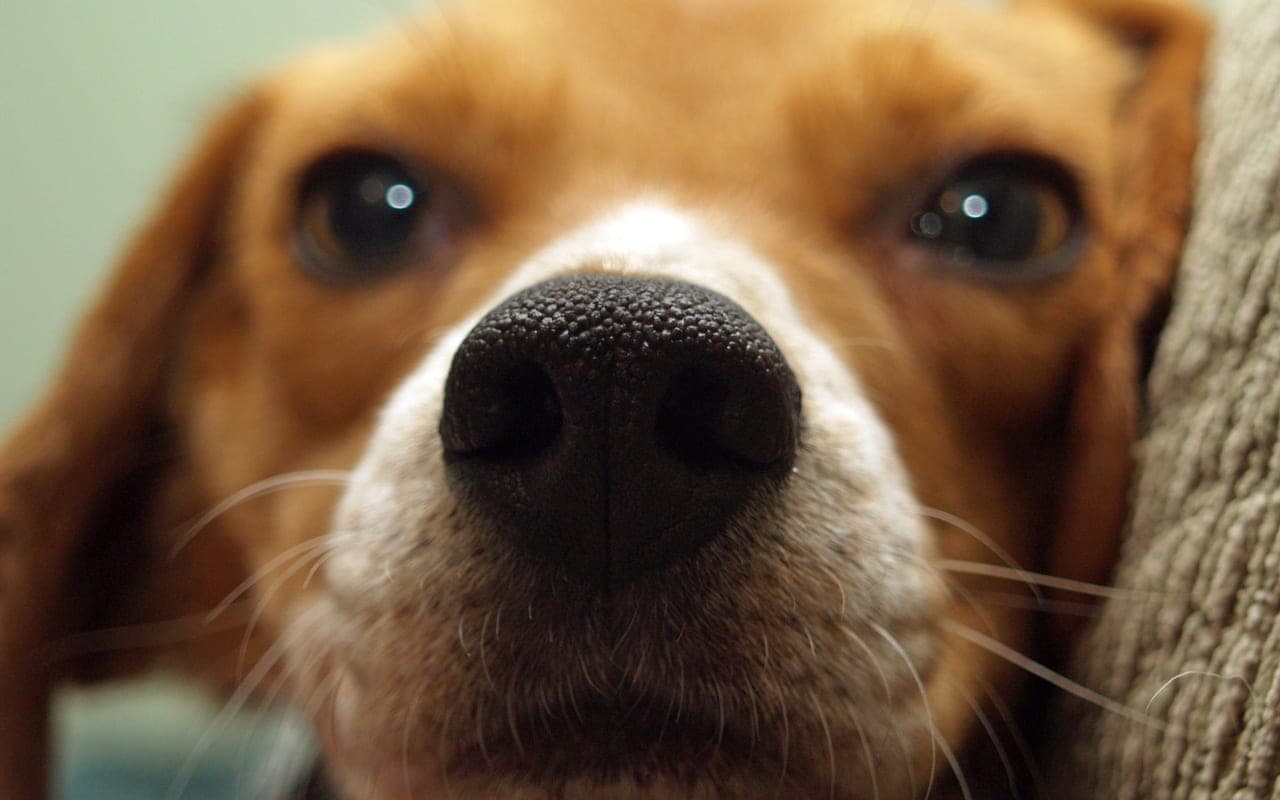
Beagle
Also in the Hound group, with different care and temperament tradeoffs.

Dachshund
Also in the Hound group, with different care and temperament tradeoffs.
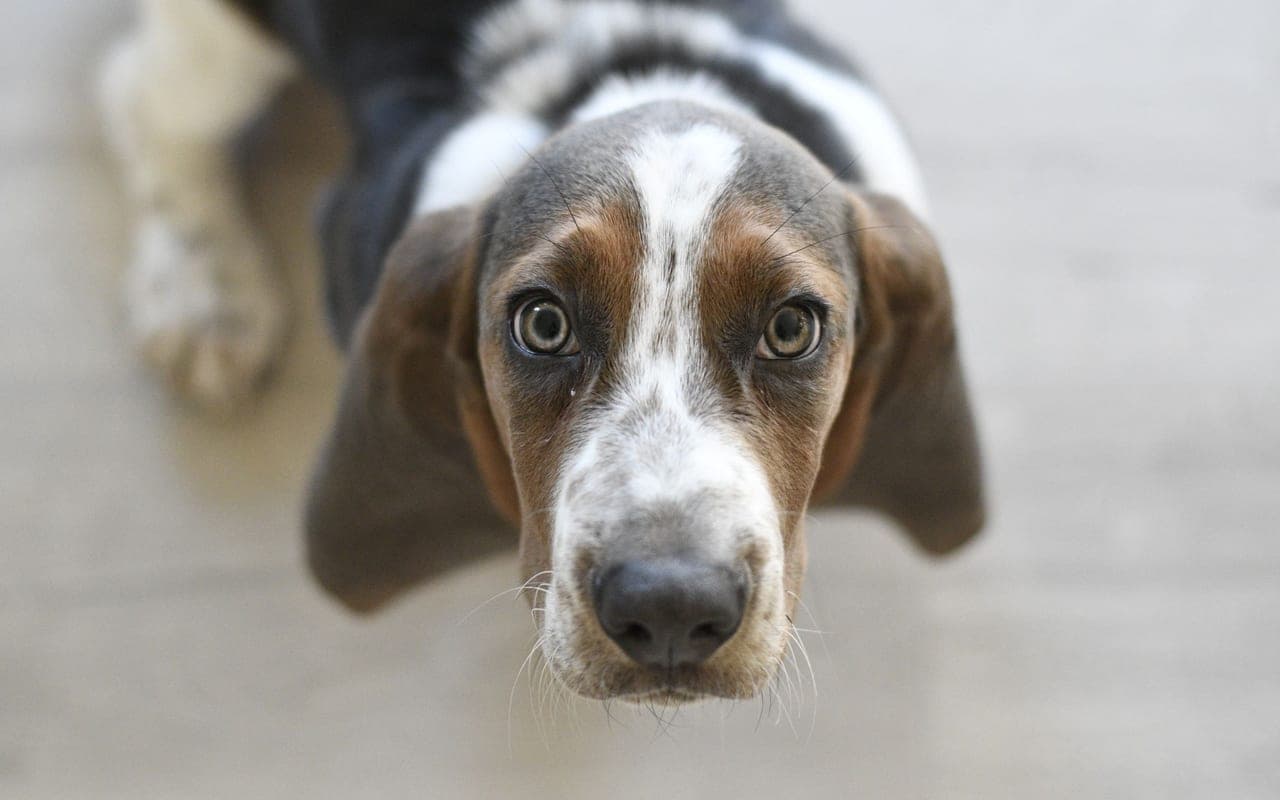
Basset Hound
Also in the Hound group, with different care and temperament tradeoffs.
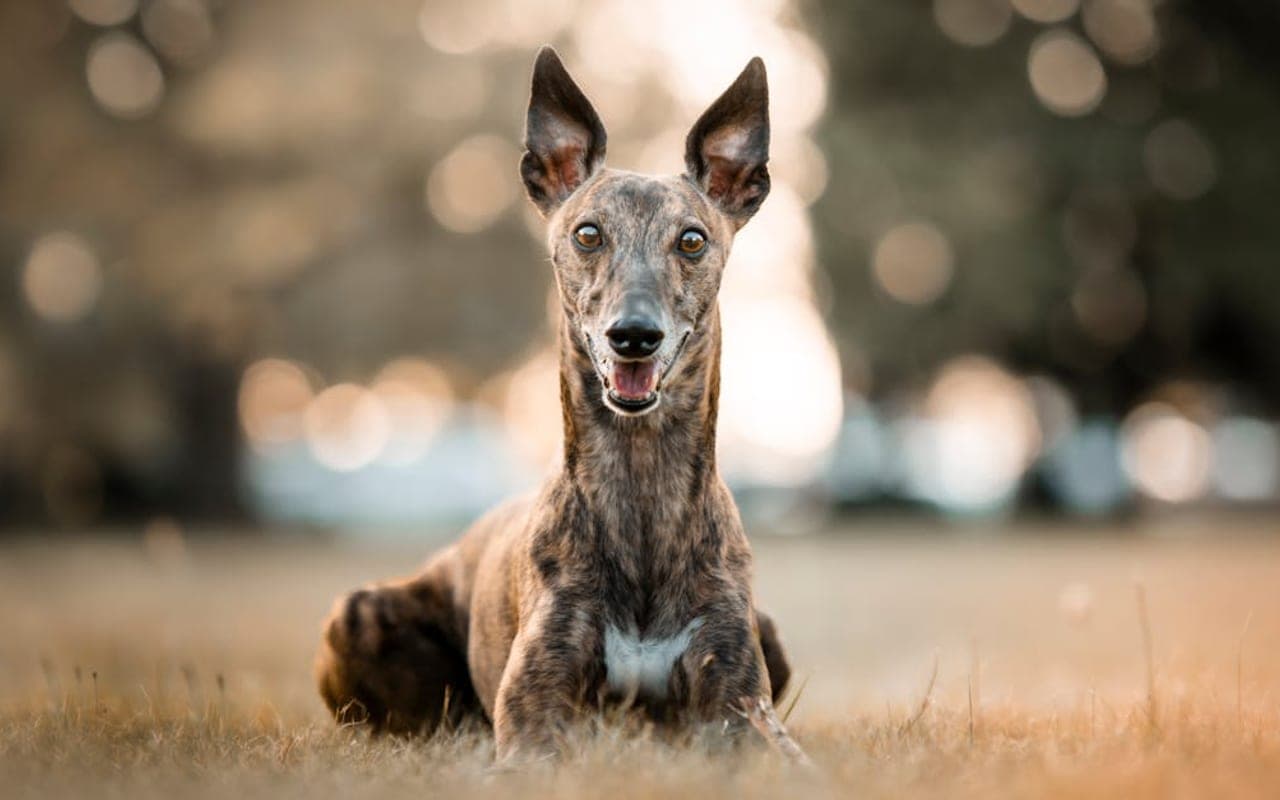
Greyhound
Also in the Hound group, with different care and temperament tradeoffs.
Explore More About Bluetick Coonhound
Dive deeper into everything Bluetick Coonhound — costs, care, and expert insights.
Considering a cat instead?
Browse Cats