
Working group
Giant Schnauzer
The Giant Schnauzer is a working dog in the truest sense — bred to drive cattle, guard property, and later to serve in police and military roles — and that job description, not the handsome beard and eyebrows, is what a buyer needs to internalize.
Size
55-106 lb
Lifespan
12-15 years
Exercise
20-40 minutes
Shedding
Moderate
Experience
Match to owner routine
Decision first
Is a Giant Schnauzer right for you?
Start with fit before history or trivia. These are ownership signals, not guarantees about any individual dog.
Best suited for
- Households with children.
- Homes with other compatible pets.
- Apartment homes with a consistent routine.
- Owners seeking a manageable daily exercise routine.
Think carefully if
- You need a dog with almost no daily routine.
- You cannot keep up with grooming and preventive care.
- The dog will spend most days alone without support.
Conditional fit
Apartment fit depends on exercise, enrichment, noise management, and outdoor access.
Daily reality
Giant Schnauzer commitment snapshot
Daily exercise
20-40 minutes
Match activity to age, health, weather, and training goals.
Coat care
Moderate
Grooming needs vary by coat, shedding, and lifestyle.
Time alone
Needs planning
Most dogs need gradual alone-time conditioning and support.
Structured facts
Giant Schnauzer at a glance
The measurements and traits that most affect day-to-day life with this breed.
Group
Working
Weight
55-106 lb
Height
24-28 in
Lifespan
12-15 years
Temperament
Loyal | Alert | Trainable
View all characteristics and methodology
Lifestyle fit
- Apartment suitability
- Likely fit
- Child friendliness
- Often good, with socialisation and supervision
- Other-pet fit
- Often compatible with careful introductions
Owner commitment
- Exercise
- 20-40 minutes
- Grooming
- Moderate
- Shedding
- Moderate
- Training
- Moderate
Environment and health
- Health risk
- Needs planning
Ratings combine structured breed data, visible breed fields, and editorial context. They are planning aids, not predictions for an individual dog.
Daily life
Giant Schnauzer temperament and behavior
The Giant Schnauzer is a working dog in the truest sense — bred to drive cattle, guard property, and later to serve in police and military roles — and that job description, not the handsome beard and eyebrows, is what a buyer needs to internalize. This is a powerful, high-drive, intensely people-bonded dog that needs a job, a structured handler, and serious daily exercise. It is not a larger Standard Schnauzer's personality scaled up; it is a protection breed. Males stand 25.5-27.5 inches and weigh 60-85 pounds; females stand 23.5-25.5 inches and weigh 55-75 pounds. The harsh, wiry double coat is solid black or pepper-and-salt. Temperament: loyal, alert, territorial, courageous, and deeply attached to its family — to the point of separation distress if left alone for long stretches. Giant Schnauzers are reserved and watchful with strangers and naturally protective; they are highly intelligent and trainable but also dominant, opinionated, and quick to take charge of an inconsistent household. Early, ongoing socialization and obedience are not optional extras for this breed; they are the difference between a magnificent companion and a liability. Who the Giant Schnauzer is right for: an experienced, active owner who will train consistently, provide a job (protection sport, obedience, agility, herding, structured work), and not leave the dog idle or isolated. Who it is wrong for: first-time dog owners, sedentary homes, people who want an aloof low-maintenance pet, or anyone who underestimates the combination of size, power, guarding instinct, and intelligence. This breed rewards competence and punishes neglect.
Loyal | Alert | Trainable
Loyal
A common Giant Schnauzer temperament descriptor that should be interpreted alongside training, exercise, and household fit.
Alert
A common Giant Schnauzer temperament descriptor that should be interpreted alongside training, exercise, and household fit.
Trainable
A common Giant Schnauzer temperament descriptor that should be interpreted alongside training, exercise, and household fit.
Owner note
Temperament labels are starting points, not guarantees. Meet the individual dog and ask about behavior history whenever possible.
Care essentials
How to care for a Giant Schnauzer
What looking after one actually involves: exercise, grooming, food, training, and routine health.
ExerciseAs needed
- Lower-energy breed that is content with daily walks and moderate play. Avoid over-exercising.
GroomingAs needed
- Regular grooming needed — brush 2-3 times per week and bathe monthly.
TrainingAs needed
- Moderately trainable — consistent, patient training with positive methods works best.
NutritionAs needed
- Feed a high-quality dog food appropriate for their age, size, and activity level. Monitor portions to prevent obesity.
Veterinary CareAs needed
- Annual wellness exams, core vaccinations, dental care, and parasite prevention. Breed-specific health screenings as recommended by your vet.
Health planning
Giant Schnauzer health risks and screening
Every breed has individual health variation. Use this profile for planning and discuss medical decisions with a veterinarian.
Responsible ownership
Finding a Giant Schnauzer responsibly
What to ask a breeder or rescue is the same conversation for every breed, so we keep it in one place and keep it current.
Health documentation, meeting the parents or foster, contracts and return support, and the warning signs worth walking away from.
Original purpose
Giant Schnauzer history
History is useful when it explains today's behavior, coat, exercise needs, and training style.
Read the breed history
The Giant Schnauzer was developed in the Bavaria and Württemberg regions of southern Germany in the 17th-19th centuries as a livestock drover's dog, used to move cattle to market and guard the farm and the butcher's or brewer's premises. It was built up from the Standard Schnauzer with infusions believed to include the black Great Dane, Bouvier des Flandres, and rough-coated drover dogs to add size and power. When railroads ended the need for cattle droving, the breed found a second career: from the early 20th century, German police and military trained the Giant Schnauzer as a working protection and service dog, the role that most shaped its modern temperament. It remains an active police, military, and protection-sport breed today, which is why responsible profiles describe it as a working dog first and a family companion second, and why its temperament and energy make so much more sense once you read it as a job description rather than a personality quirk.
Gallery
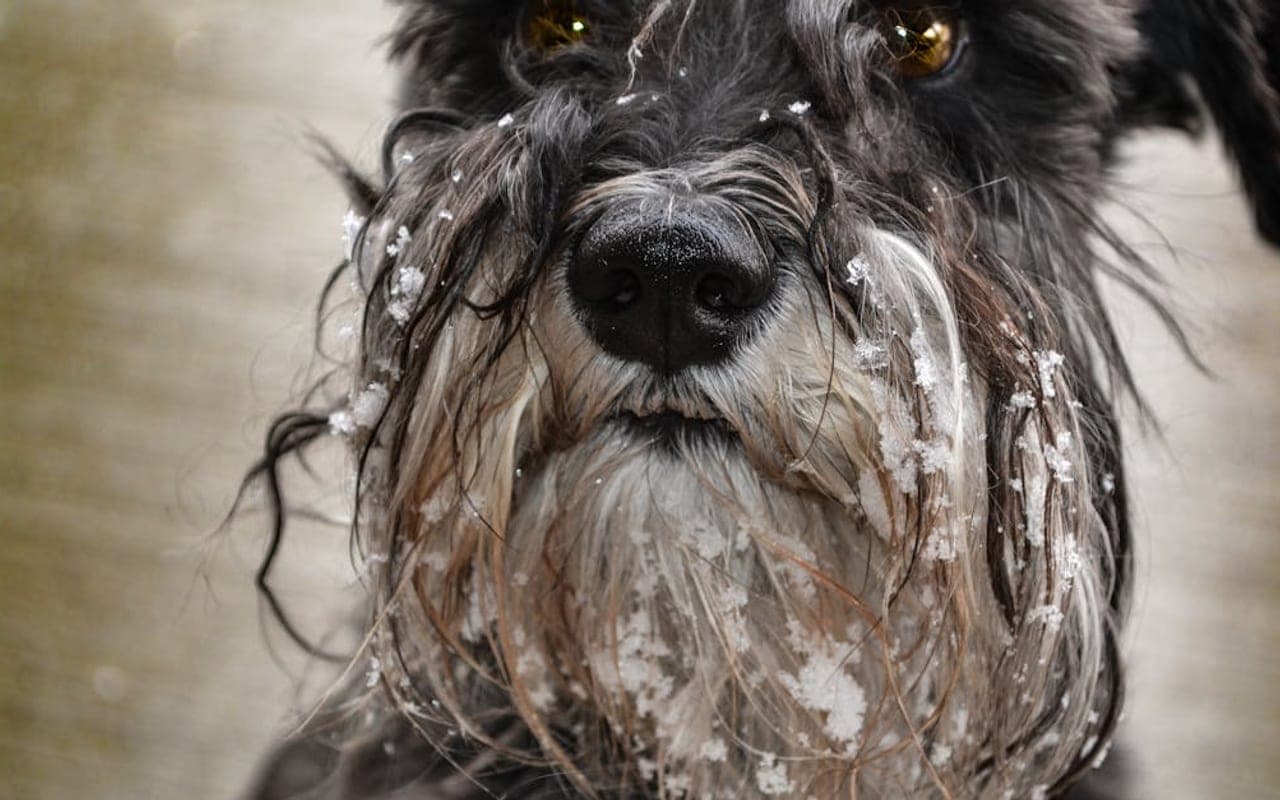
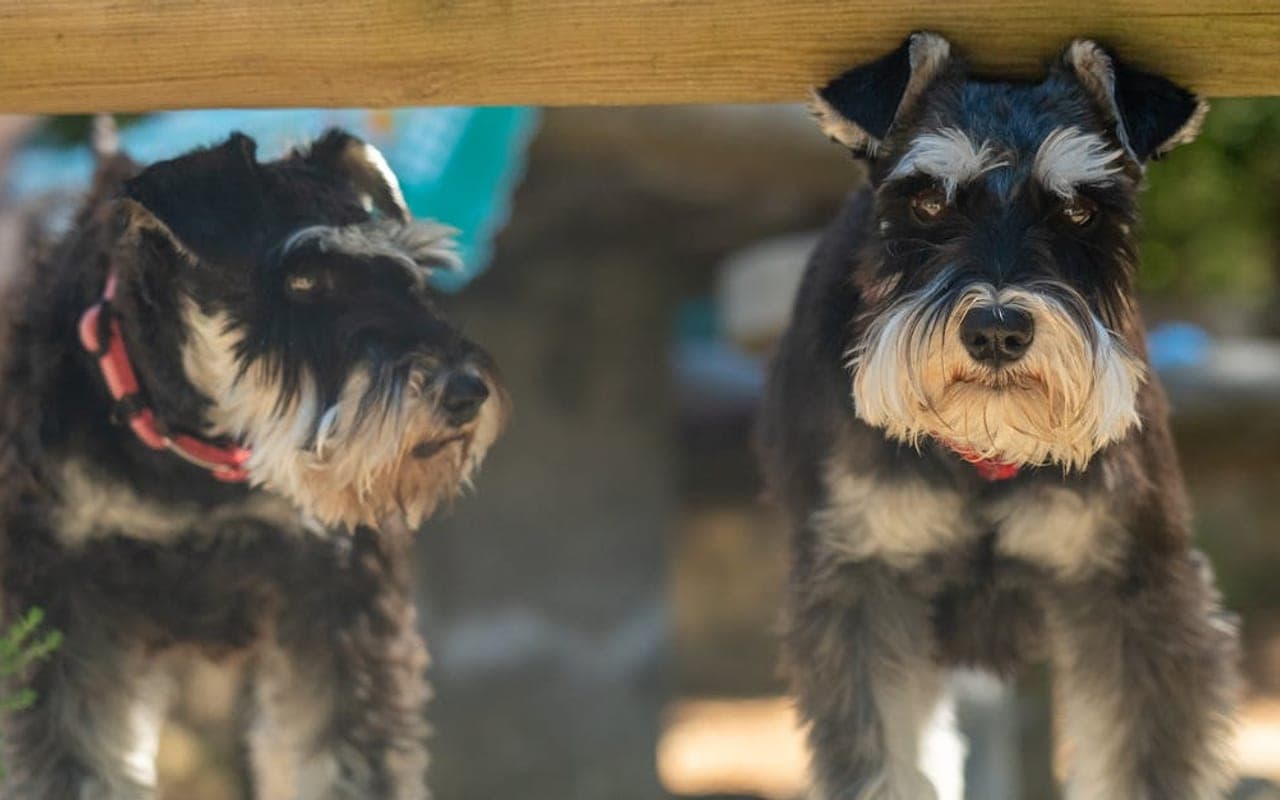
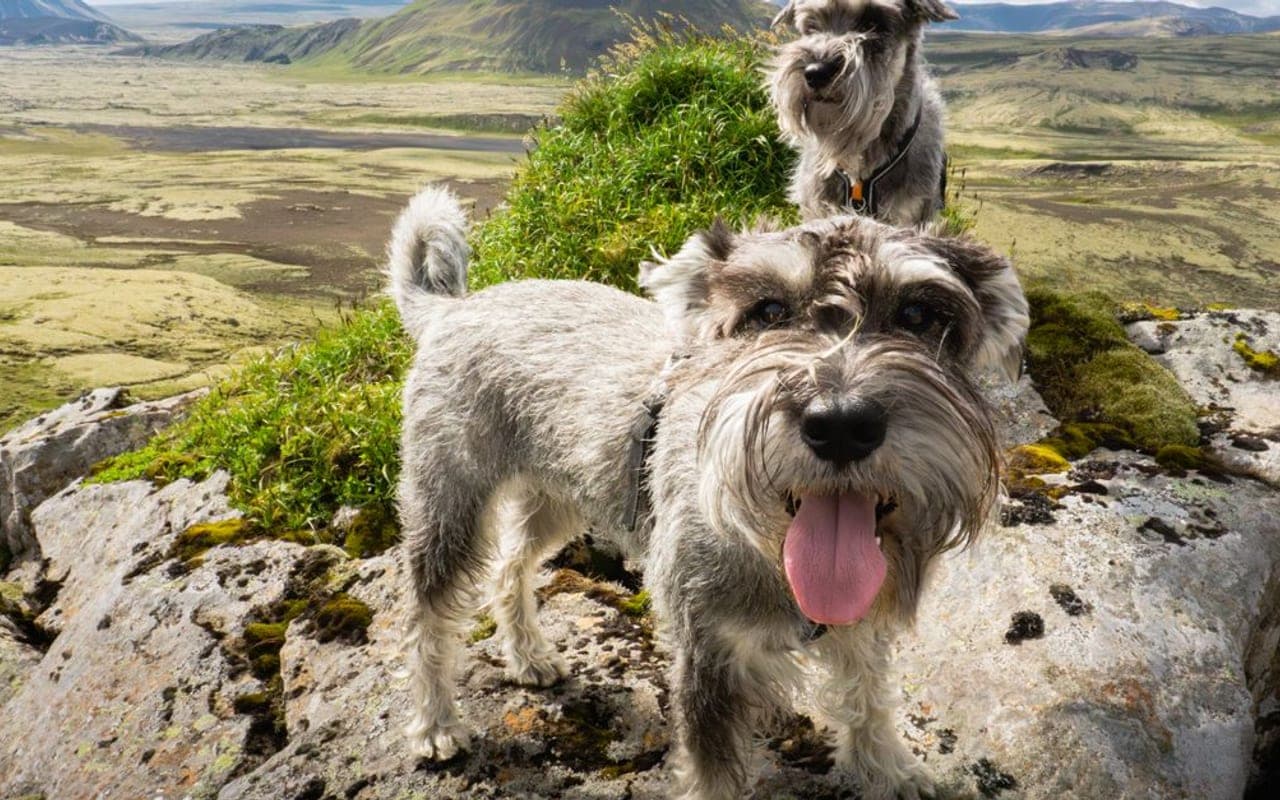
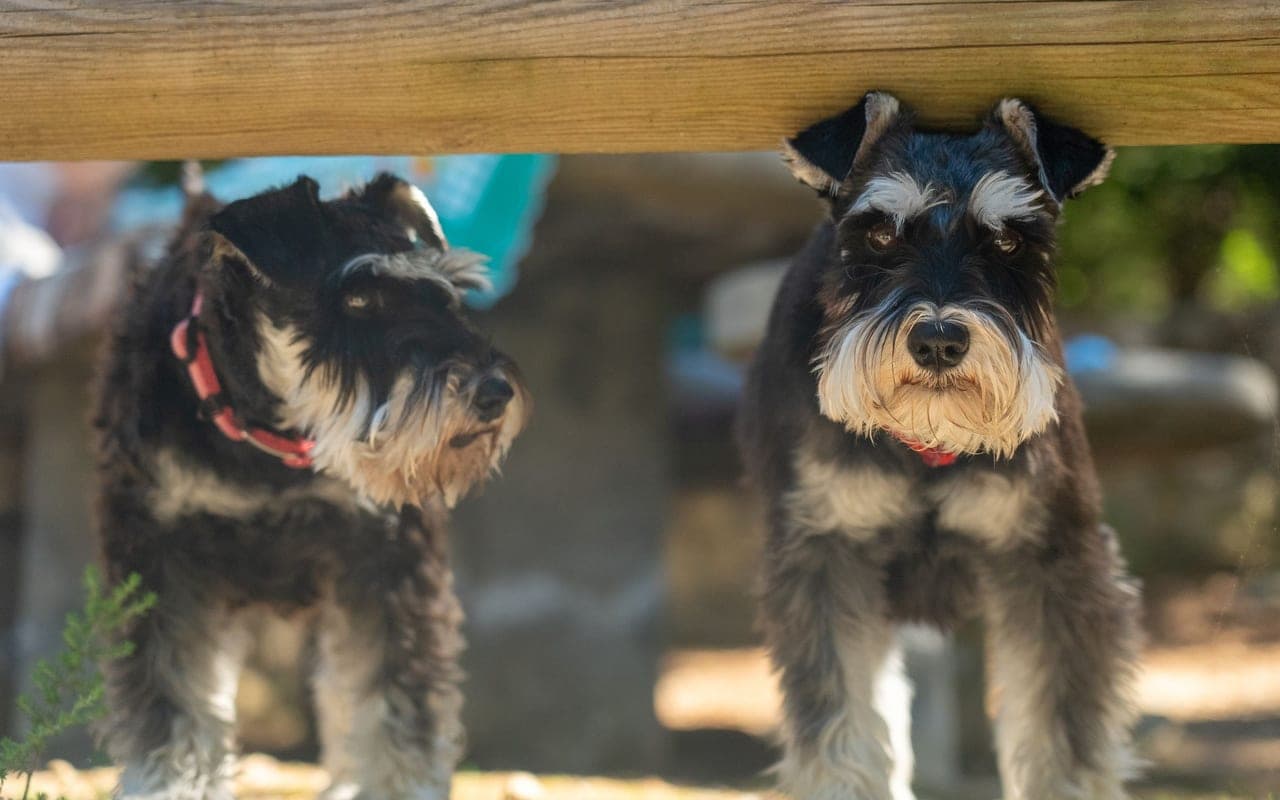
Giant Schnauzer photos
Images are cropped consistently and loaded progressively to keep the page responsive.
Lower-page context
Giant Schnauzers in culture
Where the breed shows up in film, sport, work and folklore — the enjoyable part, once the practical questions are answered.
Fun facts
- The Giant Schnauzer belongs to the Working Group.
- With proper care, Giant Schnauzer dogs can live up to 15 years or more.
- Giant Schnauzer dogs are valued for their loyal, alert, trainable nature.
Giant Schnauzer FAQs
Are Giant Schnauzers good for first-time dog owners?
Generally no. This is a powerful, intelligent, dominant working and protection breed that will take charge of an inconsistent or inexperienced handler, and its size plus guarding instinct makes mistakes consequential. It can be an outstanding dog, but it needs an owner who can deliver structured daily training, firm fair leadership, heavy exercise, and lifelong socialization. First-time owners are usually better served by a less demanding breed; if set on a Schnauzer, the Standard is the realistic starter version.
How much exercise does a Giant Schnauzer need?
A minimum of 60-90 minutes of vigorous daily exercise — running, structured retrieve work, biking alongside, swimming — plus separate mental work such as obedience or scent training. This is a working breed; physical exercise alone does not satisfy it. An under-exercised, under-employed Giant Schnauzer becomes destructive and reactive, which is the most common reason these dogs are surrendered. Budget time, not just a yard.
Do Giant Schnauzers shed a lot?
No — the wiry double coat sheds very little, which is part of the appeal, but that low shedding comes at a grooming cost. The coat mats without brushing 2-3 times a week and must be hand-stripped or clipped every 6-10 weeks by a groomer or a trained owner. The beard and leg furnishings also need cleaning after meals and muddy walks. Plan on real, recurring coat maintenance time or money.
How long do Giant Schnauzers live?
Typically 12 to 15 years, solid for a large breed. The factors that most shape both lifespan and quality of life are weight control (to delay hip and elbow arthritis), thyroid management, vigilance for bloat, and early detection of cancers including digital squamous cell carcinoma and osteosarcoma. Buying from health-screened parents and keeping the dog lean and well-exercised meaningfully improves the odds of reaching the upper end of that range in good shape.
Are Giant Schnauzers good guard dogs?
Yes — strongly so, which is exactly why they require responsible ownership. They are naturally territorial, reserved with strangers, courageous, and were specifically developed and still used for police and military protection work. That instinct is an asset only with early and ongoing socialization plus reliable obedience; without it, the same protectiveness becomes liability-grade reactivity. Choose this breed for guarding ability only if you will put in the training to control it.
What is digital squamous cell carcinoma and why does it matter for this breed?
It is an aggressive cancer that arises in the toe and nail bed, and large dark-coated breeds including the Giant Schnauzer are over-represented for it. It is easy to dismiss because it looks like a nail injury — a swollen toe, a lumpy or repeatedly cracking nail, a pink mass under the nail. The practical takeaway: a persistently abnormal toe or nail in this breed warrants a vet visit and biopsy, not home care, because early toe amputation is often curative while delay is not.
Sources
These are the published sources this page draws on. Each opens in a new tab so you can check it yourself.
American Kennel Club
Giant Schnauzer — breed standard and profile(opens in a new tab)Supports: Breed standard and recognition details.
Similar breeds to consider
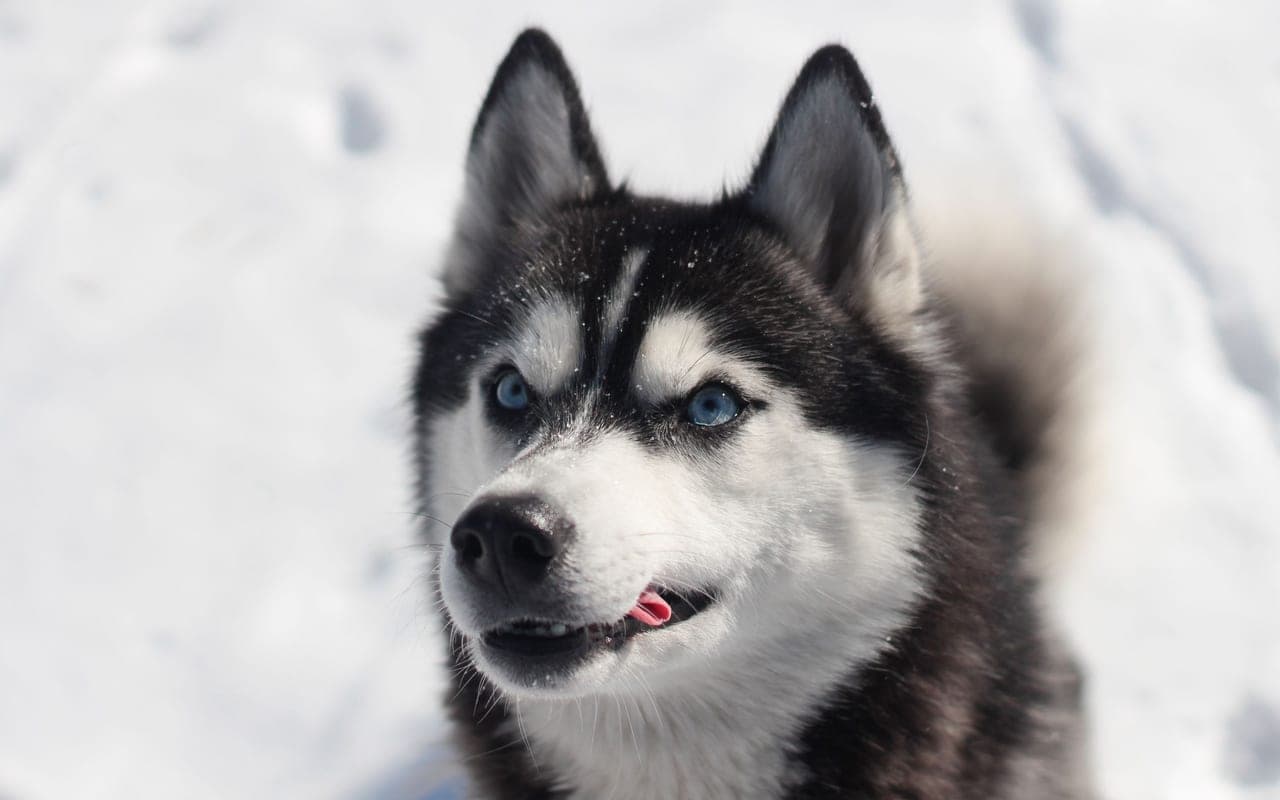
Siberian Husky
Also in the Working group, with different care and temperament tradeoffs.
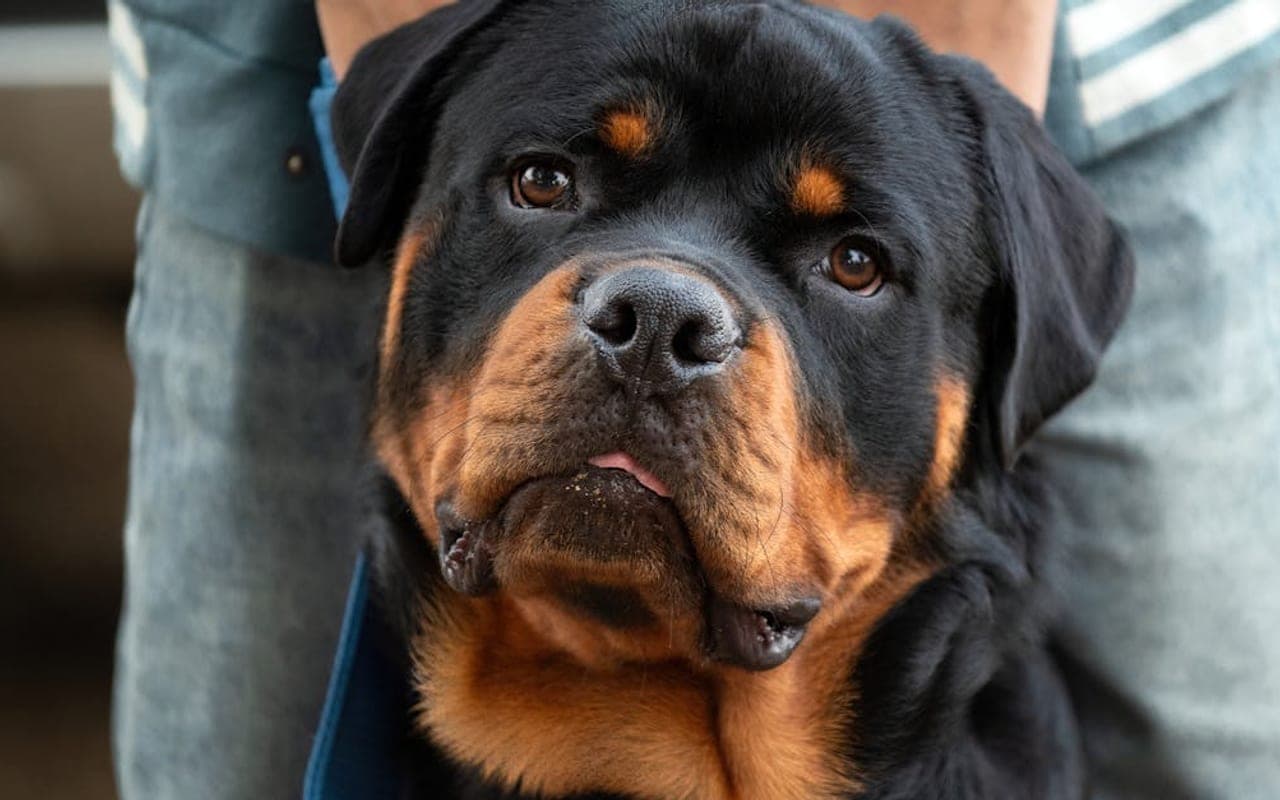
Rottweiler
Also in the Working group, with different care and temperament tradeoffs.
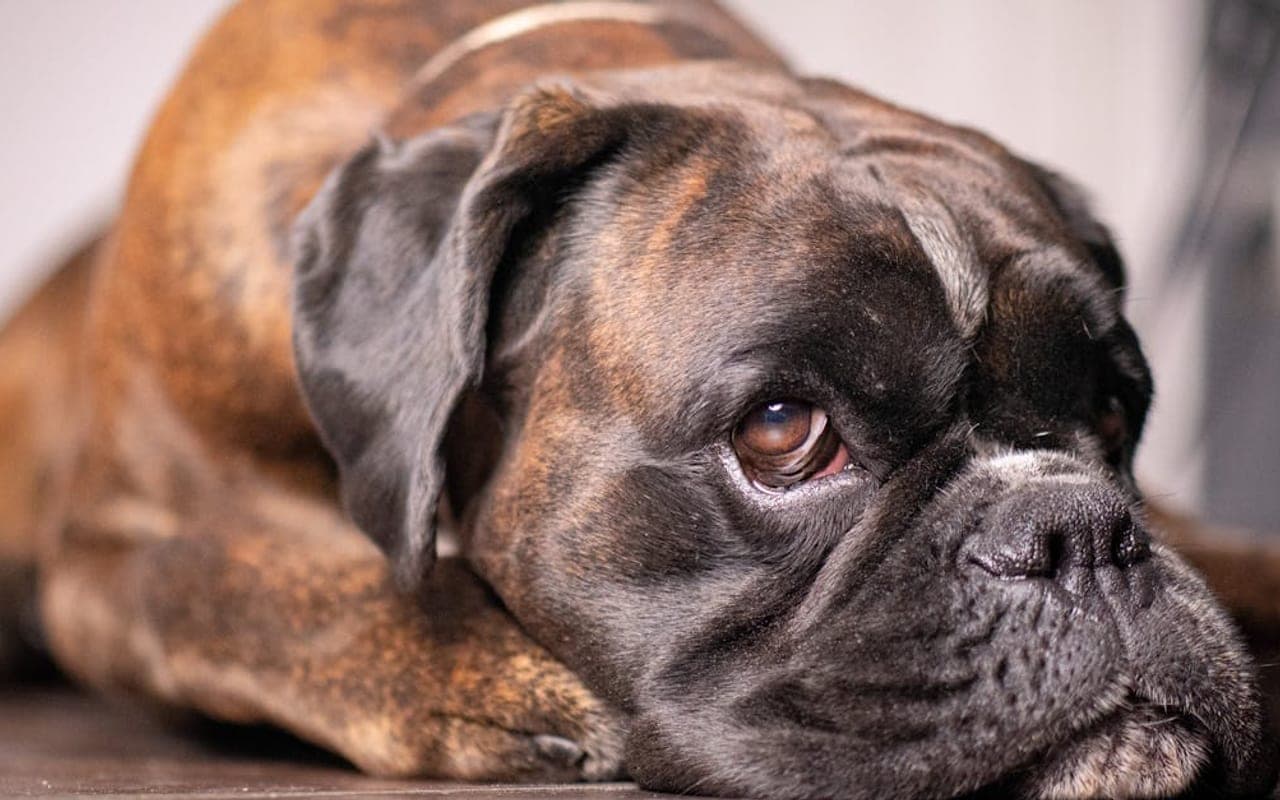
Boxer
Also in the Working group, with different care and temperament tradeoffs.
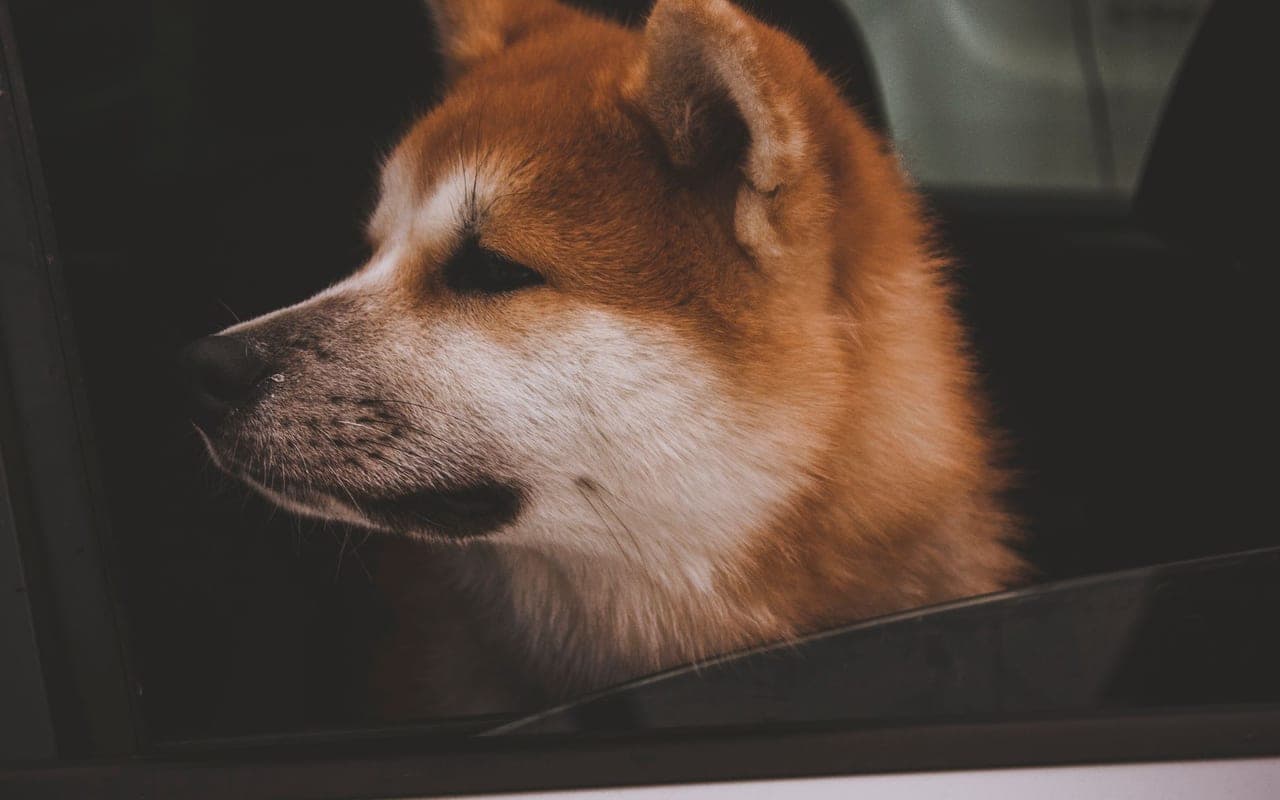
Akita
Also in the Working group, with different care and temperament tradeoffs.
Explore More About Giant Schnauzer
Dive deeper into everything Giant Schnauzer — costs, care, and expert insights.
Considering a cat instead?
Browse Cats