
Working group
Great Dane
The Great Dane is a 71-81 cm, 50-79 kg German working giant — and an honest profile of this breed has to lead with the two facts most listings bury: the lifespan is short, and the stomach can kill in an afternoon.
Size
99-198 lb
Lifespan
7-10 years
Exercise
30-60 minutes
Shedding
Moderate
Experience
Match to owner routine
Decision first
Is a Great Dane right for you?
Start with fit before history or trivia. These are ownership signals, not guarantees about any individual dog.
Best suited for
- Households with children.
- Homes with other compatible pets.
- Owners seeking a manageable daily exercise routine.
Think carefully if
- You need a dog with almost no daily routine.
- You cannot keep up with grooming and preventive care.
- The dog will spend most days alone without support.
Conditional fit
Apartment living may be difficult unless the owner can meet the breed's exercise, training, and space needs.
Daily reality
Great Dane commitment snapshot
Daily exercise
30-60 minutes
Match activity to age, health, weather, and training goals.
Coat care
Moderate
Grooming needs vary by coat, shedding, and lifestyle.
Time alone
Needs planning
Most dogs need gradual alone-time conditioning and support.
Structured facts
Great Dane at a glance
The measurements and traits that most affect day-to-day life with this breed.
Origin
Germany
Group
Working
Weight
99-198 lb
Height
28-34 in
Lifespan
7-10 years
Temperament
Friendly | Patient | Dependable | Gentle | Devoted
View all characteristics and methodology
Lifestyle fit
- Apartment suitability
- Needs caution
- Child friendliness
- Often good, with socialisation and supervision
- Other-pet fit
- Often compatible with careful introductions
Owner commitment
- Exercise
- 30-60 minutes
- Grooming
- Moderate
- Shedding
- Moderate
- Training
- High
Environment and health
- Health risk
- Needs planning
Ratings combine structured breed data, visible breed fields, and editorial context. They are planning aids, not predictions for an individual dog.
Daily life
Great Dane temperament and behavior
The Great Dane is a 71-81 cm, 50-79 kg German working giant — and an honest profile of this breed has to lead with the two facts most listings bury: the lifespan is short, and the stomach can kill in an afternoon. Danes typically live only 7-10 years, among the shortest of any breed, and they are one of the highest-risk dogs in existence for gastric dilatation-volvulus (GDV, 'bloat'), a sudden twisting of the stomach that is fatal within hours without emergency surgery. If you are not prepared to budget for that risk and to grieve early, this is the wrong breed, and no amount of gentleness justifies pretending otherwise. With that stated plainly, the Great Dane earns its nickname as the 'Apollo of dogs.' It is calm, patient, deeply people-bonded, and famously gentle with children and other animals — a dog that wants to lean its full weight against your leg and sleep on your couch. Despite the size, the energy level is moderate: Danes are not endurance athletes but giant companions who need controlled, joint-protecting exercise rather than marathon runs, especially while growing. The size dictates the economics. Everything costs more: food, medication dosed by body weight, larger crates and beds, a vehicle that fits the dog, and pet insurance priced for a breed prone to expensive emergencies. A single bloat surgery can run $3,000-$7,000+; many owners elect a prophylactic gastropexy (stomach-tacking, often during spay/neuter) for $400-$900 as deliberate insurance. Who the Great Dane is right for: an owner who wants a gentle, dignified housemate, has the space and budget for a giant breed, and accepts a short life and a real bloat risk with eyes open. Who it is wrong for: anyone seeking a long-lived dog, a low-cost dog, or a high-stamina exercise partner. The Dane gives you the most affectionate giant in dogdom; it asks you to accept that the clock runs fast and the stomach is a standing emergency.
Friendly | Patient | Dependable | Gentle | Devoted
Friendly
A common Great Dane temperament descriptor that should be interpreted alongside training, exercise, and household fit.
Patient
A common Great Dane temperament descriptor that should be interpreted alongside training, exercise, and household fit.
Dependable
A common Great Dane temperament descriptor that should be interpreted alongside training, exercise, and household fit.
Gentle
A common Great Dane temperament descriptor that should be interpreted alongside training, exercise, and household fit.
Owner note
Temperament labels are starting points, not guarantees. Meet the individual dog and ask about behavior history whenever possible.
Care essentials
How to care for a Great Dane
What looking after one actually involves: exercise, grooming, food, training, and routine health.
ExerciseAs needed
- Despite their large size, Great Danes have moderate exercise needs. Daily walks and some playtime are sufficient for most Great Danes. As puppies, exercise should be limited to protect their developing joints. Adult Great Danes benefit from around 30-60 minutes of exercise daily, but they're generally not high-energy dogs and often adapt well to their family's activity level.
GroomingAs needed
- Great Danes have a short, smooth coat that sheds moderately. Weekly brushing with a bristle brush or hound glove is usually sufficient to remove loose hair and distribute skin oils. They only need occasional baths unless they get particularly dirty. Regular nail trimming, ear cleaning, and dental care should also be part of their grooming routine.
NutritionAs needed
- Great Danes require a carefully monitored diet, particularly as they grow. Puppy food formulated specifically for large breeds is crucial to support proper growth and development without contributing to orthopedic problems. Adult Great Danes typically need large-breed adult dog food, fed in measured amounts to prevent obesity, which can stress their joints. Elevated food dishes are sometimes recommended to reduce the risk of bloat.
Health MonitoringAs needed
- Regular veterinary check-ups are essential for Great Danes. The breed is prone to several health conditions, including dilated cardiomyopathy, bloat (gastric dilatation-volvulus), hip dysplasia, and bone cancer. Growth-related issues can also occur if nutrition and exercise aren't carefully managed during development. Early detection of these conditions can improve outcomes, so consistent veterinary care is vital.
Health planning
Great Dane health risks and screening
Every breed has individual health variation. Use this profile for planning and discuss medical decisions with a veterinarian.
Ownership cost
How much does a Great Dane cost?
Cost figures are structured so first-year and lifetime estimates do not conflict with the underlying line items.
| Acquisition | $1,000-$3,000 |
|---|---|
| Routine monthly | About $200/month |
| Routine annual | About $2,400/year |
| First-year estimate | $3,400-$5,400 |
| Lifetime routine estimate | $16,800-$24,000 routine costs |
Currency: USD. Region: United States. Typical ranges for this breed. Equipment, insurance, emergency veterinary care, boarding and training are NOT included: we hold no sourced figures for them, and estimating them would be a guess presented as data.
Responsible ownership
Finding a Great Dane responsibly
What to ask a breeder or rescue is the same conversation for every breed, so we keep it in one place and keep it current.
Health documentation, meeting the parents or foster, contracts and return support, and the warning signs worth walking away from.
Original purpose
Great Dane history
History is useful when it explains today's behavior, coat, exercise needs, and training style.
Read the breed history
The Great Dane is German, not Danish — the name is a historical mistranslation. Developed from Mastiff-type and sighthound stock, the breed was bred by German nobility from the medieval period onward as a boar-hunting and estate-guarding dog powerful enough to hold large, dangerous game. As the need for boar hounds declined, breeders selected away from aggression toward the calm, dignified temperament seen today, and Germany formally claimed the breed as the Deutsche Dogge in the late 19th century, naming it a national dog. The English name 'Great Dane' came via an 18th-century French naturalist's label and stuck in the English-speaking world despite being geographically wrong. The breed's history as a working giant explains both its imposing size and the deliberate, generations-long temperament softening that produced the gentle companion modern owners keep.
Gallery
Great Dane photos
Images are cropped consistently and loaded progressively to keep the page responsive.
Lower-page context
Great Danes in culture
Where the breed shows up in film, sport, work and folklore — the enjoyable part, once the practical questions are answered.
Fun facts
- The Great Dane is often called the 'Apollo of Dogs' due to its majestic appearance and balanced temperament.
- Scooby-Doo, the famous cartoon character, is a Great Dane.
- Zeus, a Great Dane from Michigan, was certified by Guinness World Records as the tallest dog ever at 44 inches (111.8 cm) from paw to shoulder.
- Despite their intimidating size, Great Danes are known as 'gentle giants' and are typically very good with children.
- Great Danes were originally bred to hunt wild boar, which required both courage and strength.
Great Dane FAQs
How long do Great Danes live?
Typically 7-10 years, one of the shortest lifespans of any dog breed. Giant size compresses the biological clock, and the breed's elevated rates of bloat, dilated cardiomyopathy, and osteosarcoma further shorten it. This is the single most important fact a prospective owner should accept up front: you are signing up for an intense but brief relationship, and keeping the dog lean plus screening the heart from middle age is how you protect the years you do get.
What is bloat and why is it so dangerous in Great Danes?
Bloat (gastric dilatation-volvulus) is a sudden distension and twisting of the stomach that cuts off its blood supply and is fatal within hours without emergency surgery. Deep-chested giants like the Dane are among the highest-risk breeds in existence. Feed 2-3 smaller meals daily, avoid hard exercise around mealtimes, and seriously discuss a prophylactic gastropexy with your vet — in this breed it is a sensible default. Unproductive retching plus a swelling belly means drive to the ER now.
How much does it cost to own a Great Dane?
Substantially more than a mid-size dog because nearly everything scales with body weight: food, weight-dosed medications, giant crates and beds, and a vehicle that fits the dog. The decisive hidden cost is medical — bloat surgery alone runs $3,000-$7,000+, and the breed's heart and bone disease risk makes pet insurance both pricier and genuinely worthwhile. Budget for emergency capacity, not just routine care, before committing.
Are Great Danes good with children?
Yes — the breed is famously gentle, patient, and people-bonded, and well-socialized Danes are excellent family dogs. The real caution is physical, not temperamental: a 50-79 kg dog can accidentally knock down a toddler with a wag or a turn. Supervise interactions with small children, train a reliable settle, and give the dog its own space. The temperament is rarely the issue; the mass is what you manage.
How much exercise does a Great Dane need?
Less than its size suggests. Adults do well on two moderate 20-30 minute walks a day plus some secure off-lead time — they are calm sprinters, not endurance athletes. Critically, growing Danes need exercise restricted: no forced jogging, repetitive stairs, or jumping until growth plates close around 18-24 months, because over-exercising a fast-growing giant directly drives hip, elbow, and bone disease.
Sources
These are the published sources this page draws on. Each opens in a new tab so you can check it yourself.
American Kennel Club
Great Dane — breed standard and profile(opens in a new tab)Supports: Breed standard and recognition details.
Similar breeds to consider
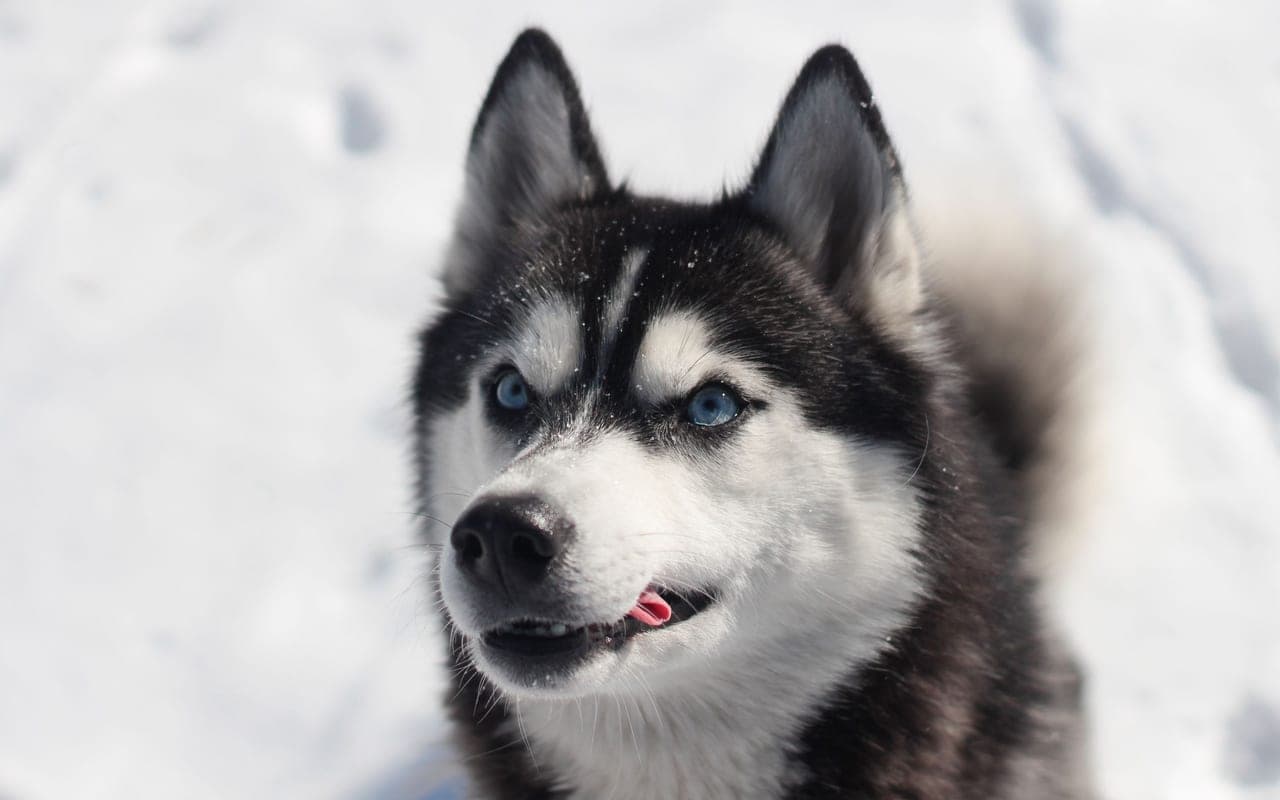
Siberian Husky
Also in the Working group, with different care and temperament tradeoffs.
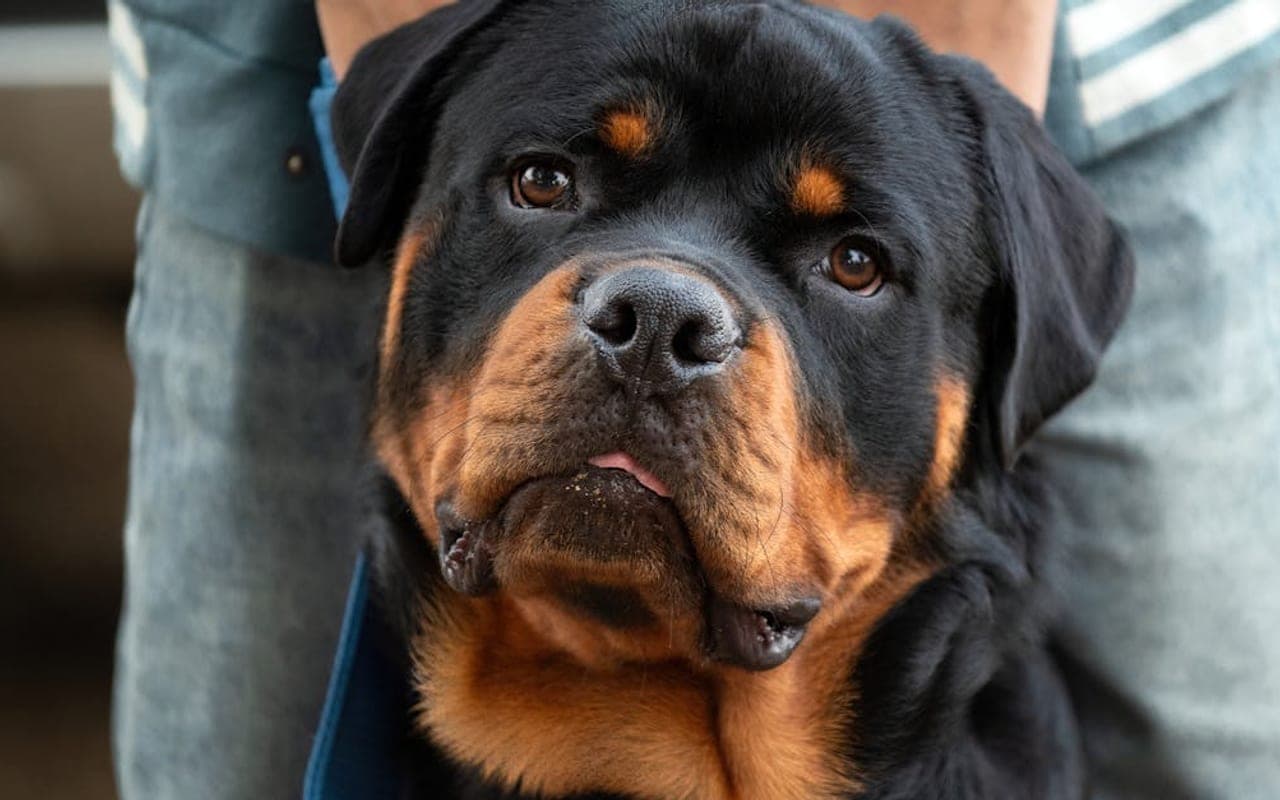
Rottweiler
Also in the Working group, with different care and temperament tradeoffs.
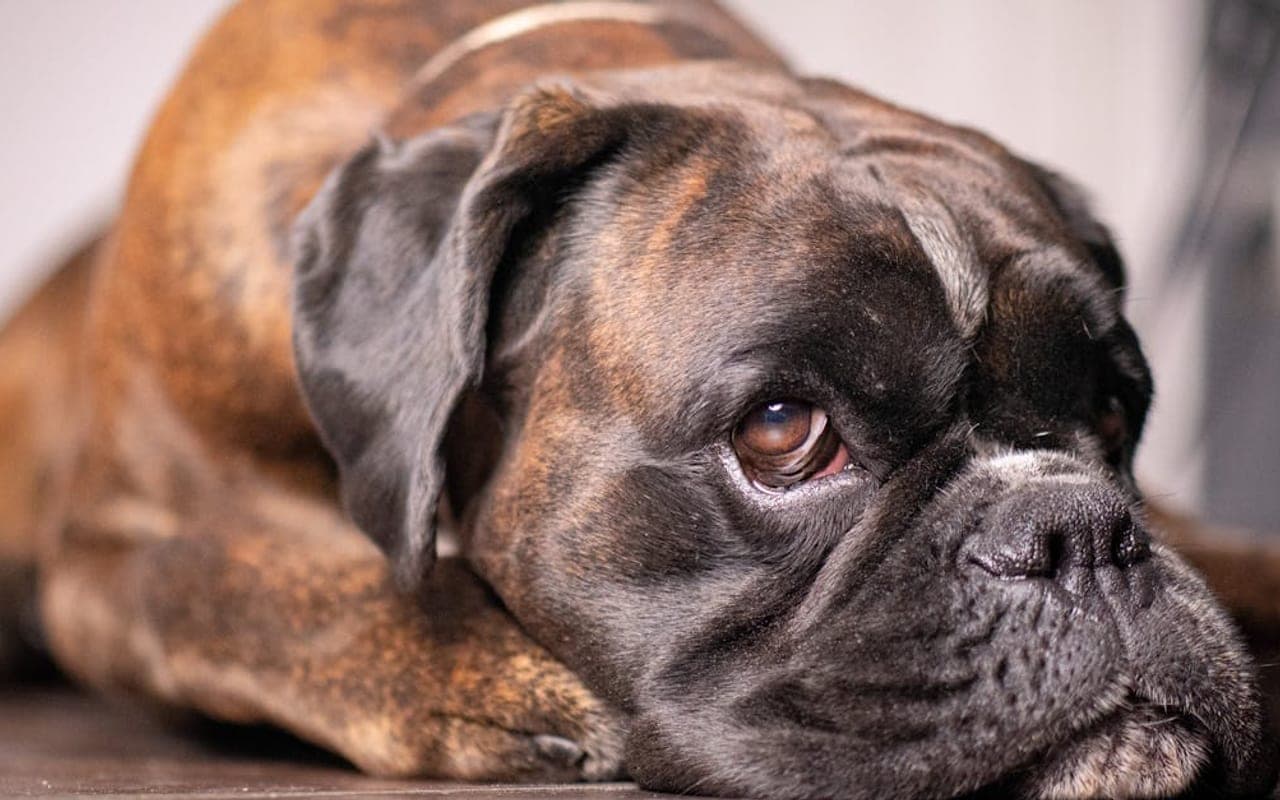
Boxer
Also in the Working group, with different care and temperament tradeoffs.
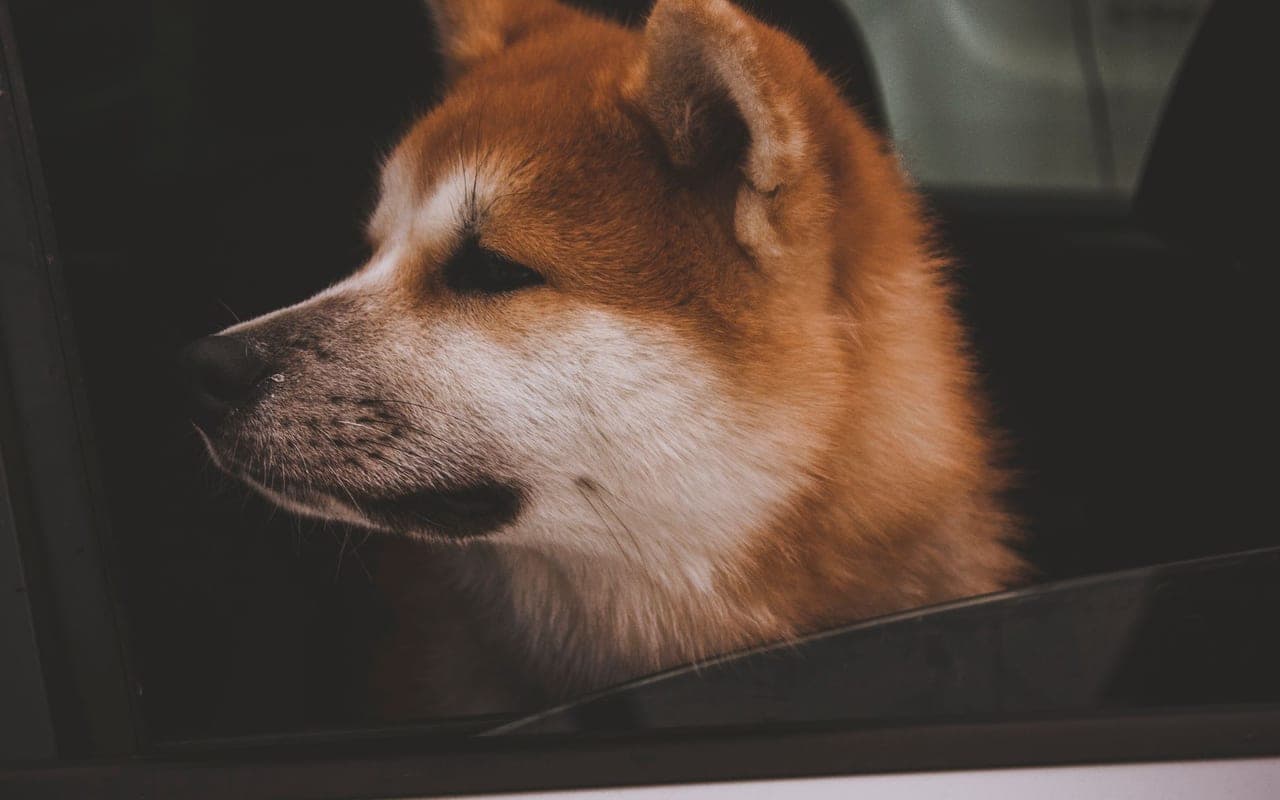
Akita
Also in the Working group, with different care and temperament tradeoffs.
Explore More About Great Dane
Dive deeper into everything Great Dane — costs, care, and expert insights.
How Much Does a Great Dane Cost?
Purchase price, monthly costs, and lifetime expenses
Great Dane Care Guide
The Great Dane is the definition of a contradiction. It...
Emergency Vet Costs: What 8 Common Emergencies Actually Cost (and How to Prepare)
What 8 common pet emergencies actually cost, how big an emergency fund needs to be, and what...
10 Signs Your Pet Needs to See the Vet Immediately
Difficulty breathing, seizures, bloat, and toxin ingestion — learn which pet symptoms are true...
The Truth About Grain-Free Dog Food: What Veterinary Research Actually Says
Grain-free dog food surged in popularity, then came the FDA investigation. Here's what the science...
Considering a cat instead?
Browse Cats