
Herding group
Miniature American Shepherd
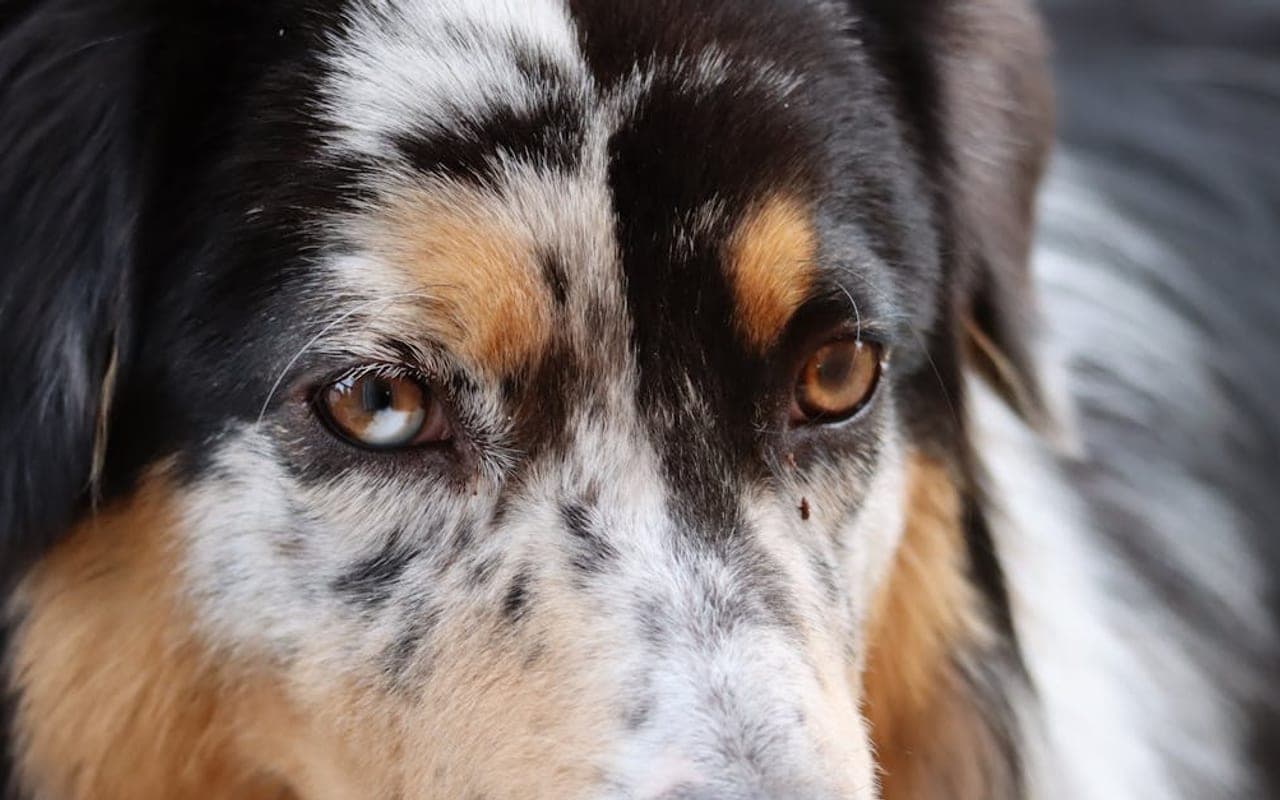
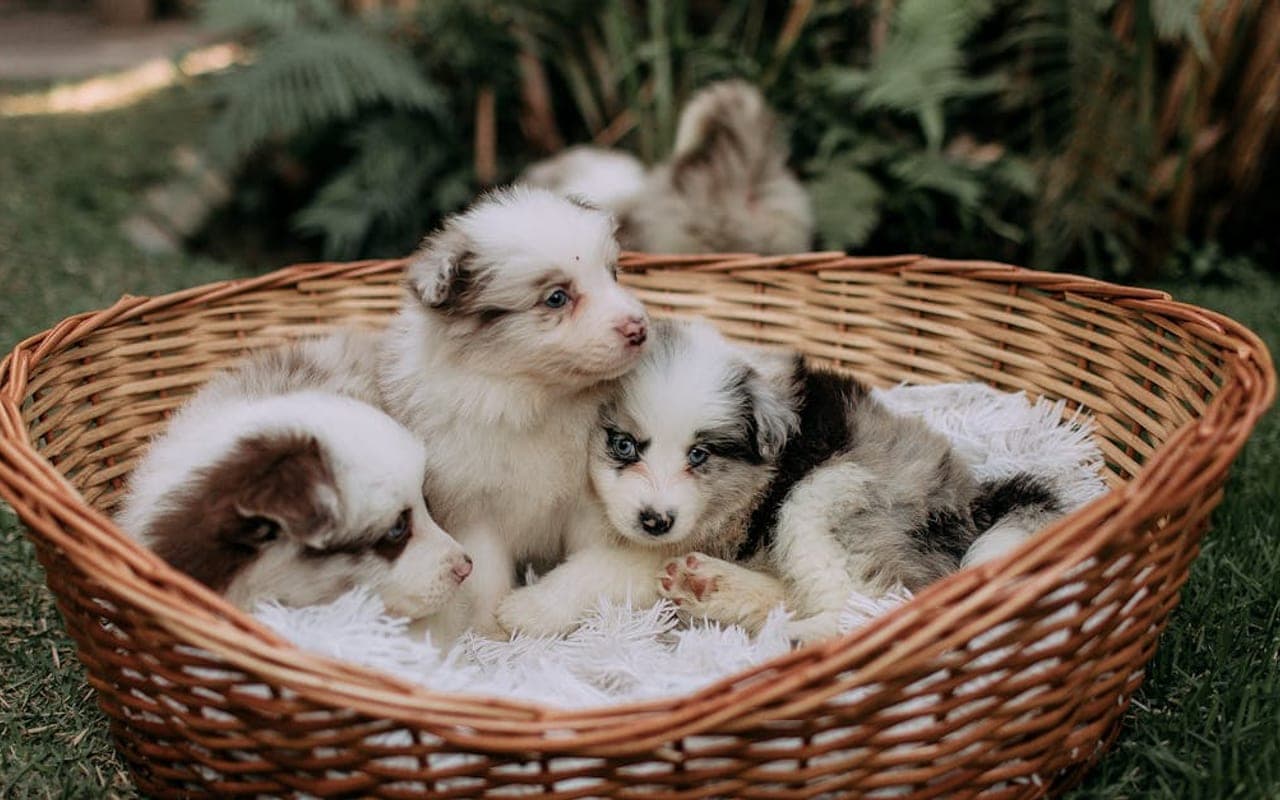
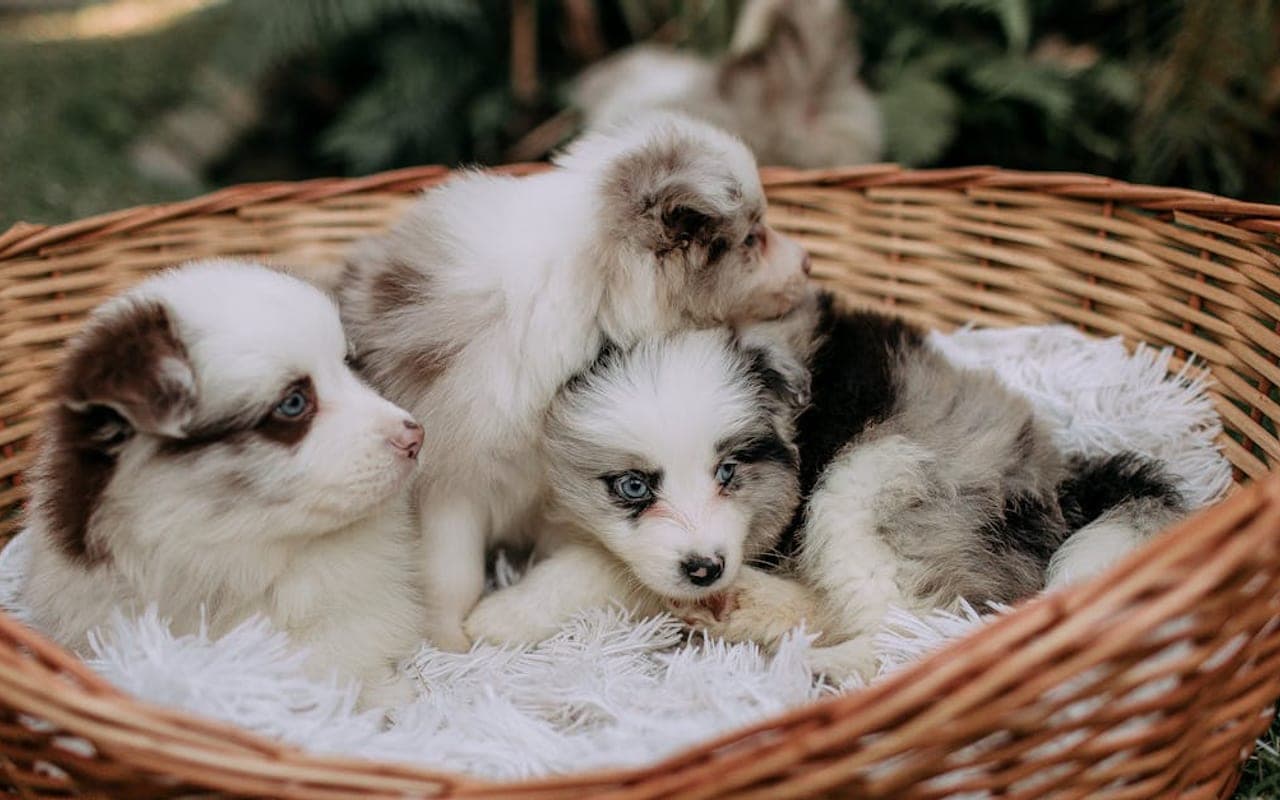
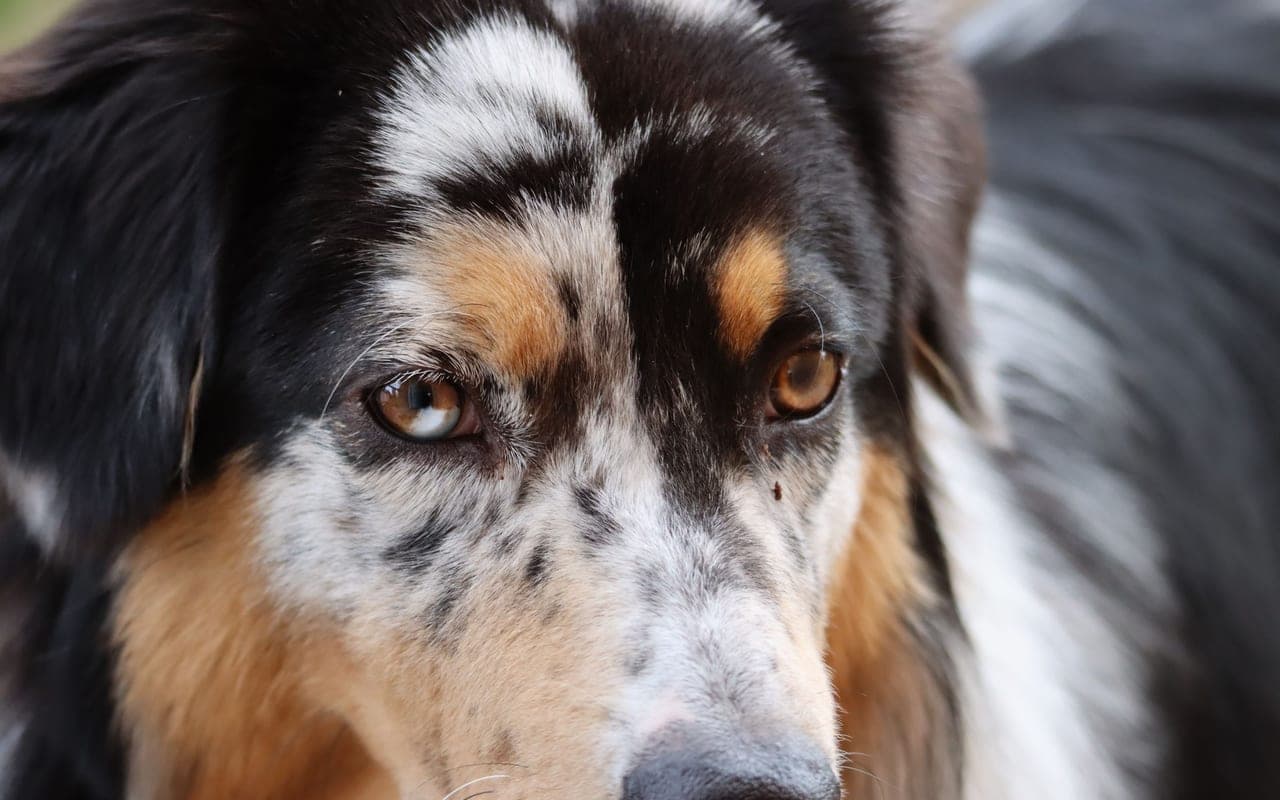
The Miniature American Shepherd is a 20-40 lb (9-18 kg), 13-18 inch (33-46 cm) herding dog — essentially a scaled-down working Australian Shepherd type, not a toy or a calm 'mini' anything.
Size
20-40 lb
Lifespan
12-13 years
Exercise
30-60 minutes
Shedding
Low
Experience
Match to owner routine
Decision first
Is a Miniature American Shepherd right for you?
Start with fit before history or trivia. These are ownership signals, not guarantees about any individual dog.
Best suited for
- Households with children.
- Homes with other compatible pets.
- Apartment homes with a consistent routine.
- Owners seeking a manageable daily exercise routine.
Think carefully if
- You need a dog with almost no daily routine.
- You cannot keep up with grooming and preventive care.
- The dog will spend most days alone without support.
Conditional fit
Apartment fit depends on exercise, enrichment, noise management, and outdoor access.
Daily reality
Miniature American Shepherd commitment snapshot
Daily exercise
30-60 minutes
Match activity to age, health, weather, and training goals.
Coat care
Moderate
Grooming needs vary by coat, shedding, and lifestyle.
Time alone
Needs planning
Most dogs need gradual alone-time conditioning and support.
Structured facts
Miniature American Shepherd at a glance
The measurements and traits that most affect day-to-day life with this breed.
Group
Herding
Weight
20-40 lb
Height
13-18 in
Lifespan
12-13 years
Temperament
Good-Natured | Intelligent | Devoted
View all characteristics and methodology
Lifestyle fit
- Apartment suitability
- Likely fit
- Child friendliness
- Often good, with socialisation and supervision
- Other-pet fit
- Often compatible with careful introductions
Owner commitment
- Exercise
- 30-60 minutes
- Grooming
- Moderate
- Shedding
- Low
- Training
- Low
Environment and health
- Health risk
- Needs planning
Ratings combine structured breed data, visible breed fields, and editorial context. They are planning aids, not predictions for an individual dog.
Daily life
Miniature American Shepherd temperament and behavior
The Miniature American Shepherd is a 20-40 lb (9-18 kg), 13-18 inch (33-46 cm) herding dog — essentially a scaled-down working Australian Shepherd type, not a toy or a calm 'mini' anything. It was developed in the 1960s-70s from small Australian Shepherds to be a compact, portable stock dog, and it kept the full herding brain in a smaller body. The decision people most often get wrong is buying it for the size and looks, expecting a low-key small dog, and getting a high-drive herder that needs a job. Knowing that going in is the difference between a brilliant partner and a frustrated, destructive dog. Get it right and the Mini American is exceptional: highly intelligent, intensely trainable, athletic, devoted to its family, and a star at agility, obedience, herding, and trick sports. The trade-offs are concrete. It needs 60+ minutes of real exercise plus daily mental work, or it self-employs by herding children and pets (nipping heels), barking, and chewing. It is intensely people-bonded and prone to separation anxiety if left alone for long days. It is reserved with strangers and can become a nuisance barker or shy without early, broad socialization. And it has two genetics issues owners must understand before buying — the MDR1 drug-sensitivity mutation and inherited eye disease — both invisible without testing. The Miniature American Shepherd is right for an active person or family that wants a trainable, do-everything companion, will commit to daily exercise plus training/sport for its 12-13 year life, and is home enough to keep it company. It is wrong for sedentary owners, people gone all day, those wanting a quiet undemanding small dog, or anyone with very young children who can't tolerate herding-nip behavior. Buy only from a breeder who DNA-tests for MDR1 and screens eyes and hips — those are not optional in this breed.
Good-Natured | Intelligent | Devoted
Good-Natured
A common Miniature American Shepherd temperament descriptor that should be interpreted alongside training, exercise, and household fit.
Intelligent
A common Miniature American Shepherd temperament descriptor that should be interpreted alongside training, exercise, and household fit.
Devoted
A common Miniature American Shepherd temperament descriptor that should be interpreted alongside training, exercise, and household fit.
Owner note
Temperament labels are starting points, not guarantees. Meet the individual dog and ask about behavior history whenever possible.
Care essentials
How to care for a Miniature American Shepherd
What looking after one actually involves: exercise, grooming, food, training, and routine health.
ExerciseAs needed
- Moderately active breed needing 30-60 minutes of daily exercise through walks, play, and mental stimulation.
GroomingAs needed
- Regular grooming needed — brush 2-3 times per week and bathe monthly.
TrainingAs needed
- Independent-minded breed that may require extra patience in training. Short, engaging sessions recommended.
NutritionAs needed
- Feed a high-quality dog food appropriate for their age, size, and activity level. Monitor portions to prevent obesity.
Veterinary CareAs needed
- Annual wellness exams, core vaccinations, dental care, and parasite prevention. Breed-specific health screenings as recommended by your vet.
Health planning
Miniature American Shepherd health risks and screening
Every breed has individual health variation. Use this profile for planning and discuss medical decisions with a veterinarian.
Responsible ownership
Finding a Miniature American Shepherd responsibly
What to ask a breeder or rescue is the same conversation for every breed, so we keep it in one place and keep it current.
Health documentation, meeting the parents or foster, contracts and return support, and the warning signs worth walking away from.
Original purpose
Miniature American Shepherd history
History is useful when it explains today's behavior, coat, exercise needs, and training style.
Read the breed history
The Miniature American Shepherd began in California in the late 1960s and early 1970s, when breeders selectively bred small Australian Shepherds to create a compact stock dog that retained full herding ability in a more portable size. It was popular for years in the rodeo and equestrian world, where a smart, agile small dog that could ride along and still work stock was prized. It was known for decades as the Miniature Australian Shepherd before the name was changed to Miniature American Shepherd to clarify that, despite the 'Australian' lineage of its ancestors, the breed itself was developed in the United States. The breed entered the American Kennel Club's Foundation Stock Service and was fully recognized in the AKC Herding Group in 2015. Because it was deliberately bred down from working Australian Shepherds rather than created as a companion toy, it inherited the Aussie's defining package — high intelligence, strong herding drive, athleticism, deep bonding to its people, and the same genetic risk profile, including the MDR1 drug-sensitivity mutation and the eye conditions seen across the Aussie family. Its working heritage is the single most important thing a prospective owner should understand.
Gallery
Miniature American Shepherd photos
Images are cropped consistently and loaded progressively to keep the page responsive.
Lower-page context
Miniature American Shepherds in culture
Where the breed shows up in film, sport, work and folklore — the enjoyable part, once the practical questions are answered.
Fun facts
- The Miniature American Shepherd belongs to the Herding Group.
- The average lifespan of a Miniature American Shepherd is 12 to 13 years.
- Miniature American Shepherd dogs are valued for their good-natured, intelligent, devoted nature.
Miniature American Shepherd FAQs
Is the Miniature American Shepherd a calm small dog?
No. It is a full herding dog in a 20-40 lb body and needs 60+ minutes of daily exercise plus daily mental work to be calm indoors. People buy it expecting a low-key small companion and get a high-drive Aussie-type that herds children, nips heels, barks, and chews when bored. It can absolutely be a settled, easy housemate — but only once its considerable exercise and brain needs are met every day, not as a default state.
What is the MDR1 issue and why does everyone bring it up?
Many Miniature American Shepherds carry the MDR1 gene mutation, which makes certain common drugs — including high-dose ivermectin, the antidiarrheal loperamide, and several anesthetics and chemotherapy agents — toxic or fatal at normal doses because the dog can't keep them out of its brain. It causes no symptoms until such a drug is given. DNA-test the dog, record the result, and tell every vet before any medication or anesthesia. It is a known, fully preventable cause of death in this breed.
Are Miniature American Shepherds good with kids and other pets?
Yes with their own family, with one important caveat: the herding instinct often shows up as circling, chasing, and nipping the heels of running children and other pets. This isn't aggression, but it needs early redirection and training, and it can overwhelm toddlers. They are typically devoted and gentle with their people and good with pets they're raised with. Early, broad socialization is needed because the breed is naturally reserved with strangers and can become a nuisance barker without it.
How much grooming does this breed need?
Moderate. The medium double coat needs brushing 2-3 times a week (about 15 minutes) to manage shedding and prevent tangling behind the ears and on the legs, increasing to most days during the heavier spring and fall sheds. Bathe every 6-8 weeks, check ears weekly, and keep nails trimmed. It is not a high-maintenance coat compared with long feathered breeds, but it is a year-round shedder, so plan for regular hair management.
How long do Miniature American Shepherds live and what shortens it?
Typically 12-13 years. The avoidable lifespan threats are an accidental MDR1 drug reaction (fully preventable with testing and vet communication), inherited eye disease leading to blindness, and orthopedic decline from hip dysplasia worsened by excess weight or over-exercising a growing puppy. Buying from a breeder who DNA-tests MDR1 and eyes and screens hips, keeping the dog lean, and flagging MDR1 status to every vet are the levers that most protect lifespan and quality of life.
What health testing should a responsible breeder have done?
Look for the herding parent-club panel: MDR1 DNA test, eye DNA tests for collie eye anomaly and PRA-prcd plus an ophthalmologist eye exam, hereditary cataract (HSF4) screening, hip evaluation (OFA or equivalent), and neuroaxonal dystrophy (NAD) screening. Ask to see certificates on both parents and request the MDR1 status in writing. A reputable breeder who health-tests or a breed-specific rescue is far cheaper over the dog's life than an untested puppy whose drug sensitivity or eye disease surfaces later.
Sources
These are the published sources this page draws on. Each opens in a new tab so you can check it yourself.
American Kennel Club
Miniature American Shepherd — breed standard and profile(opens in a new tab)Supports: Breed standard and recognition details.
Similar breeds to consider
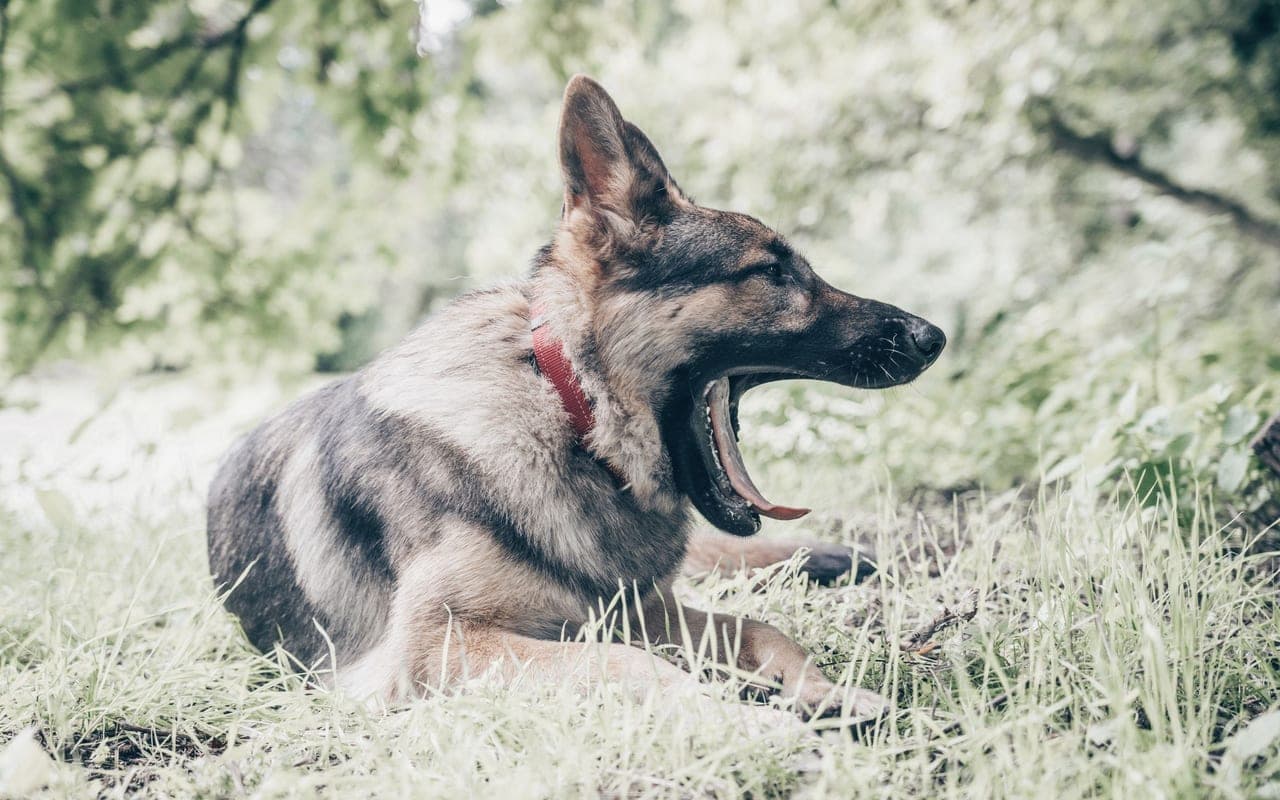
German Shepherd
Also in the Herding group, with different care and temperament tradeoffs.
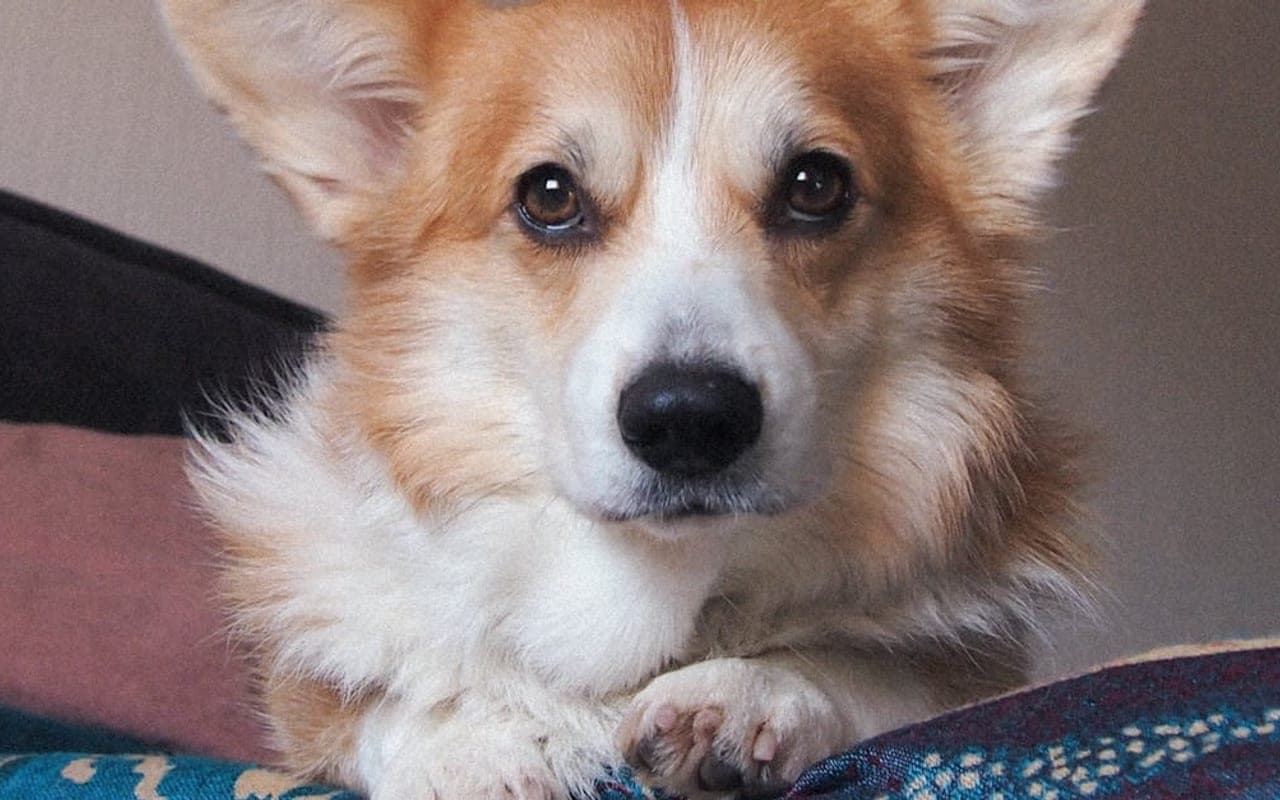
Pembroke Welsh Corgi
Also in the Herding group, with different care and temperament tradeoffs.
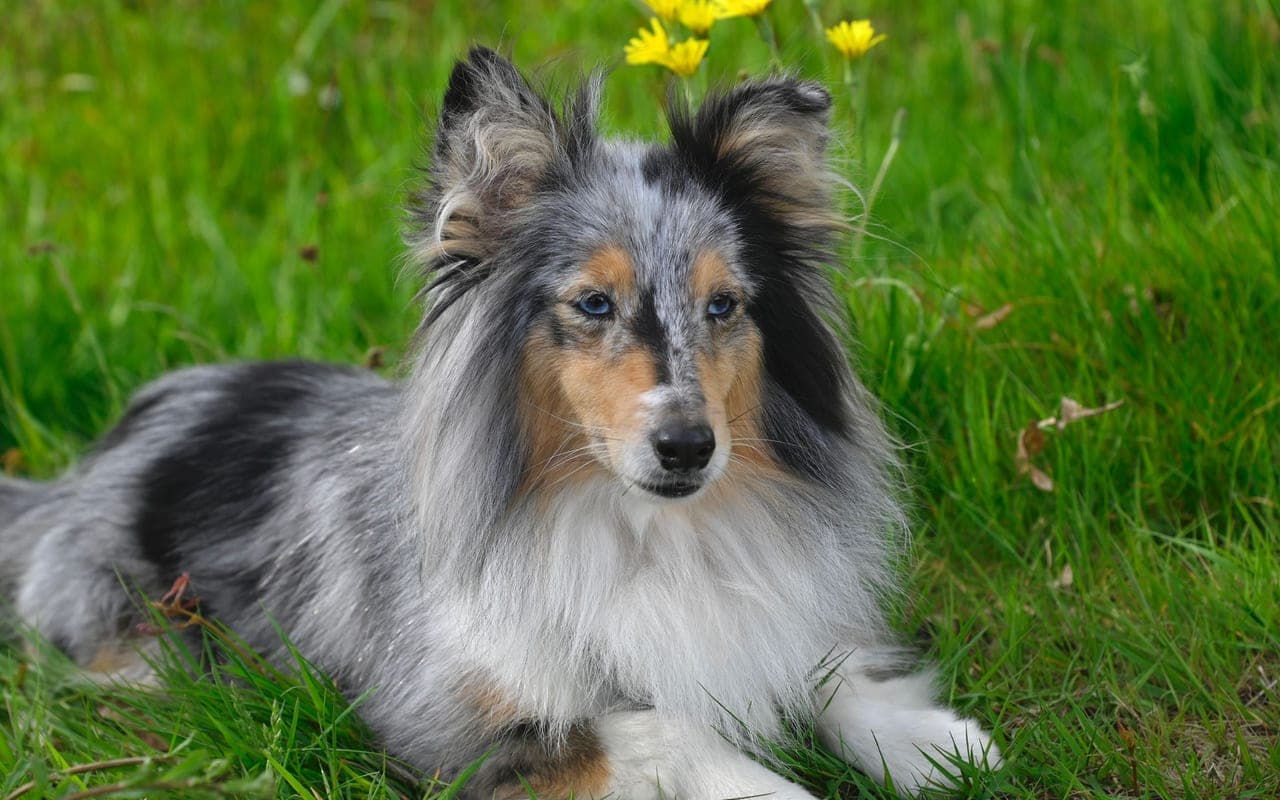
Shetland Sheepdog
Also in the Herding group, with different care and temperament tradeoffs.
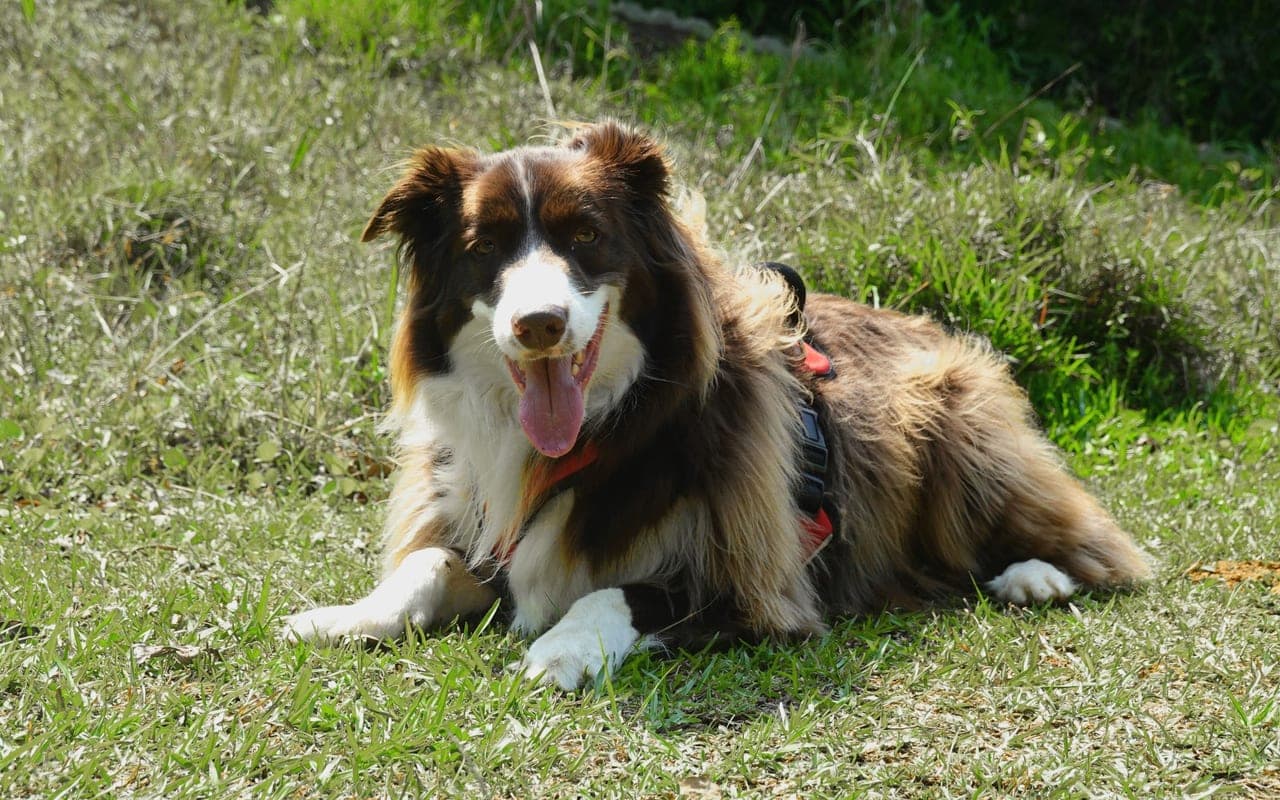
Border Collie
Also in the Herding group, with different care and temperament tradeoffs.
Explore More About Miniature American Shepherd
Dive deeper into everything Miniature American Shepherd — costs, care, and expert insights.
Considering a cat instead?
Browse Cats